
Teenage boy
Concept
Curve and surface modeling
A modeling method that constructs smooth three-dimensional geometry by controlling curves and continuous surfaces.
Compare ↗Concept / Low-poly modeling
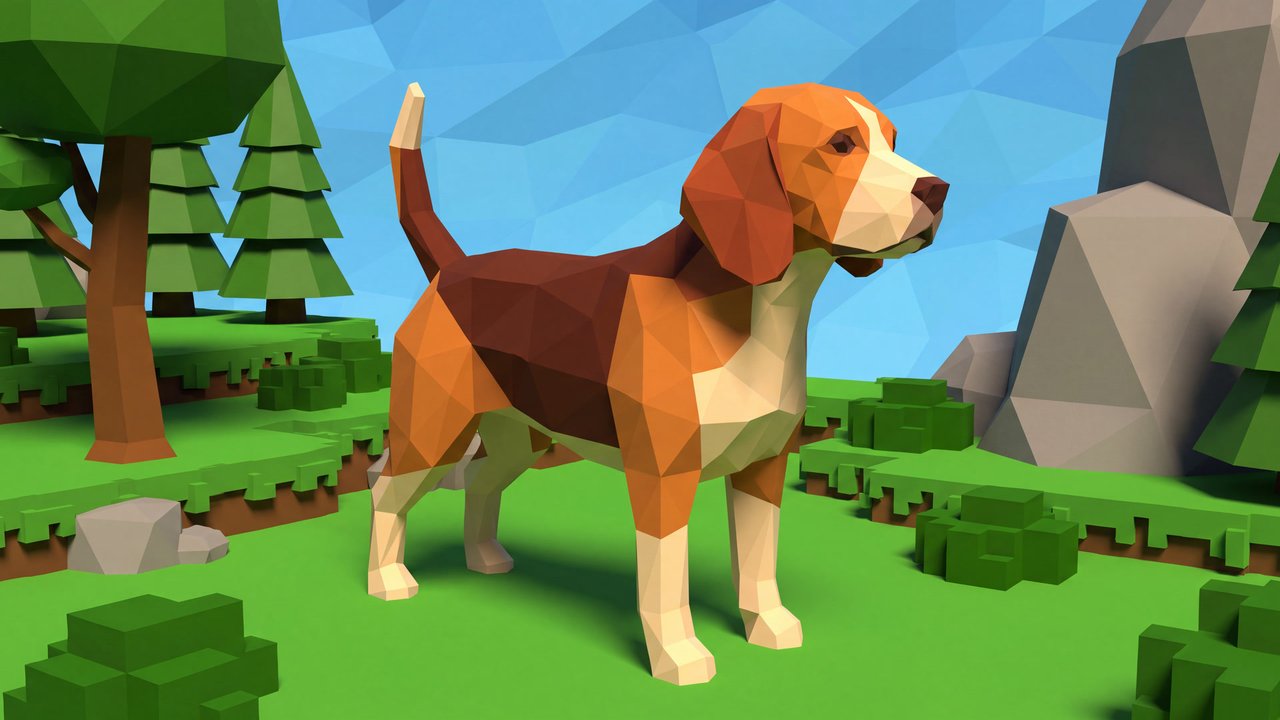
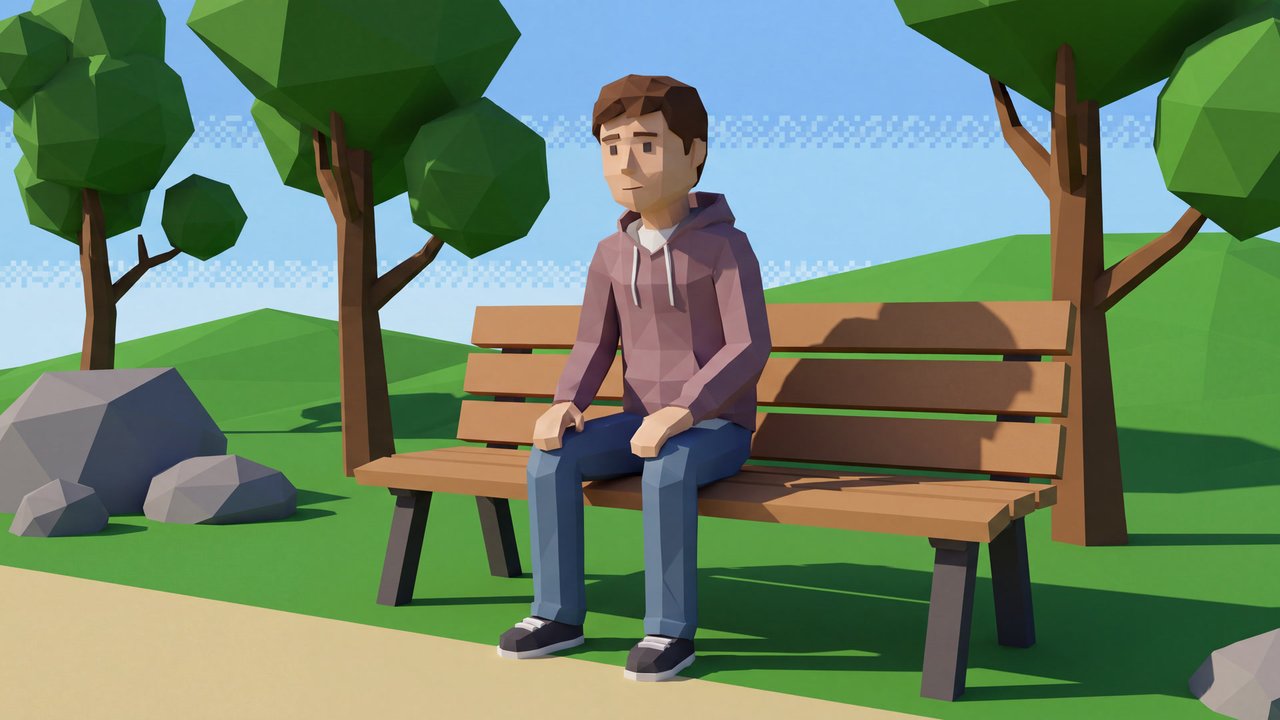
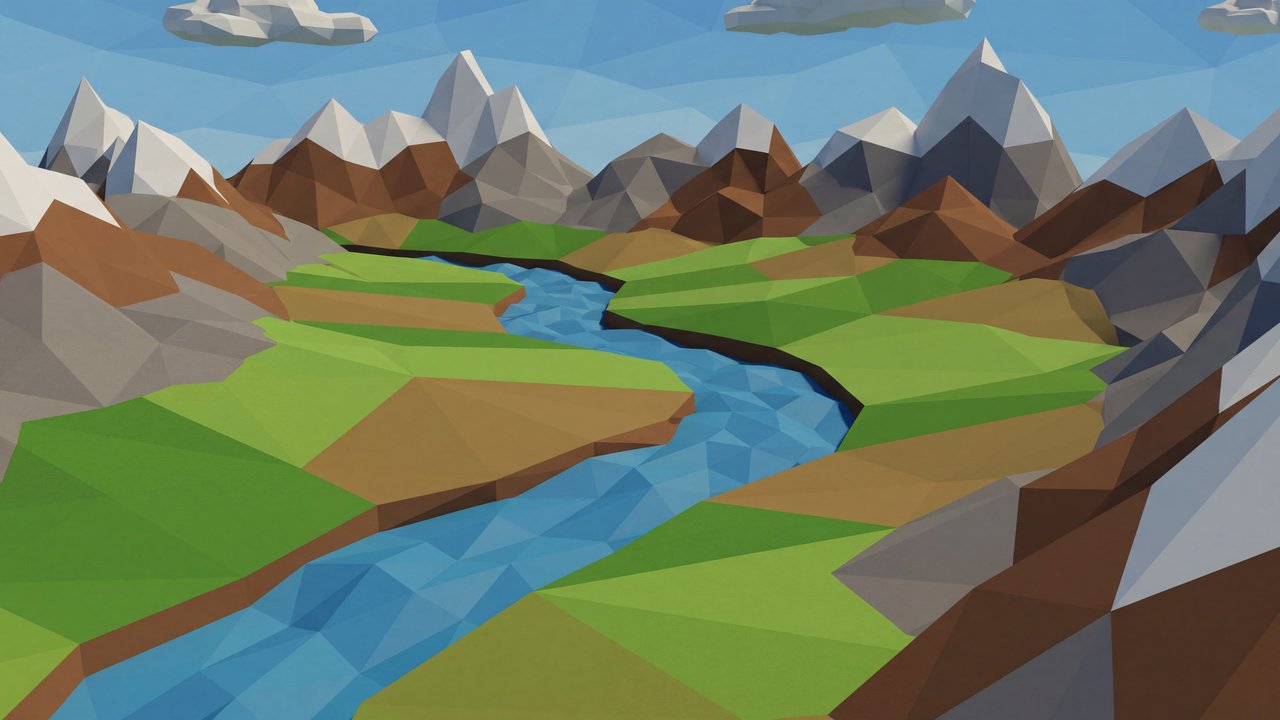
A 3D modeling method that builds simple forms with few polygons
A 3D modeling method that builds simple forms with few polygons.

Teenage boy
Both languages share the English example images. Japanese prompts are the recorded translations.
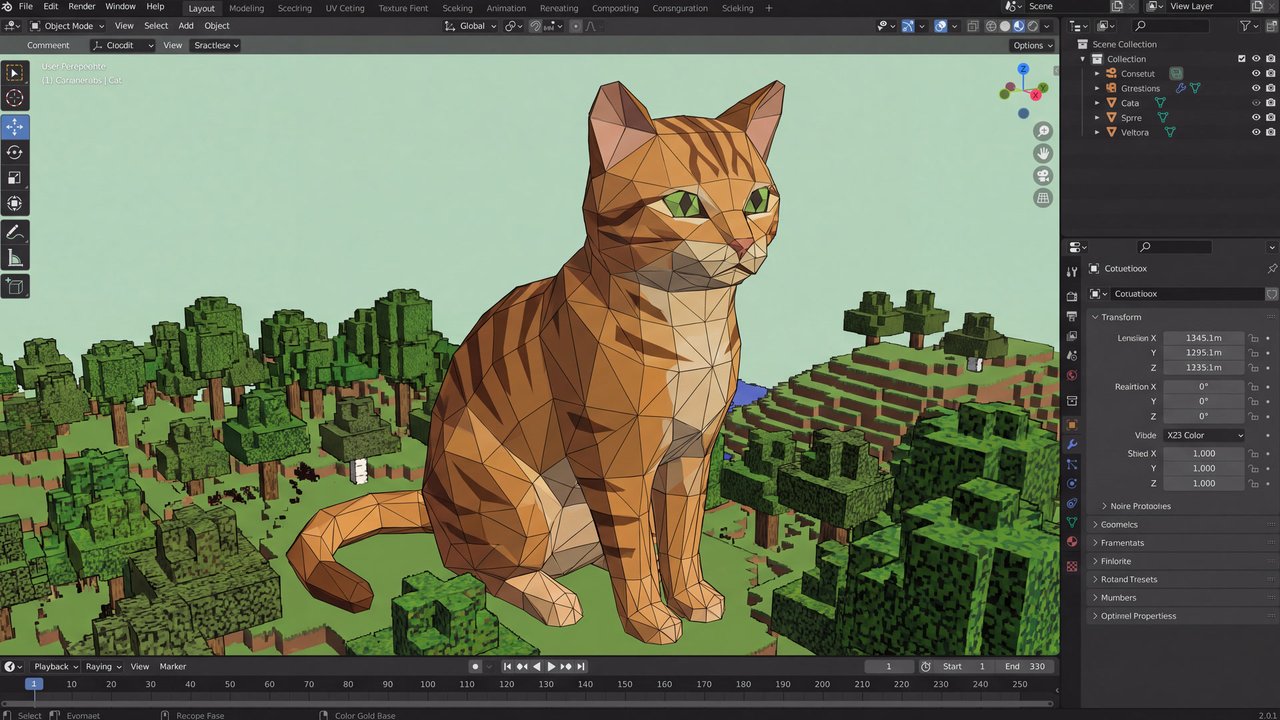
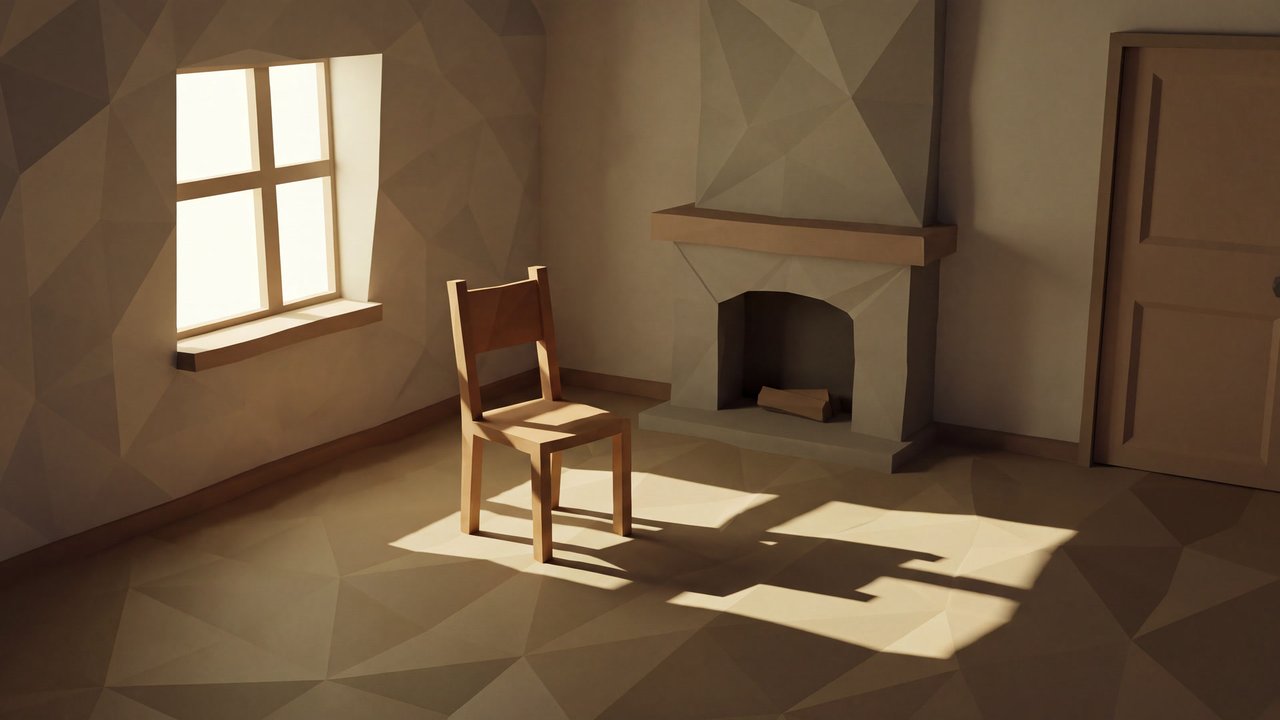
Constructs form concisely with few faces.
Large planes and clear edges make simplified volume visible.
Low-poly modeling constructs 3D geometry concisely with a limited number of faces and vertices. It does not determine a game, low-resolution imagery, materials, or lighting.
Large planes, clear edges, and simplified volume support the form. Face count, color, and smoothness can be adjusted separately. It is distinct from pixel imagery and wireframe display.
Face count and smoothness can be adjusted separately.
Content updated:
Items linked through explicit membership in the same theme.
Teenage boy
Concept
A modeling method that constructs smooth three-dimensional geometry by controlling curves and continuous surfaces.
Compare ↗
Teenage boy
Concept
A modeling method that directly shapes three-dimensional volume and surfaces with brush-like operations resembling adding or carving clay.
Compare ↗
Teenage boy
Concept
A 3D rendering method that separates shading into a few flat color areas.
Compare ↗