

Teenage boy
Concept
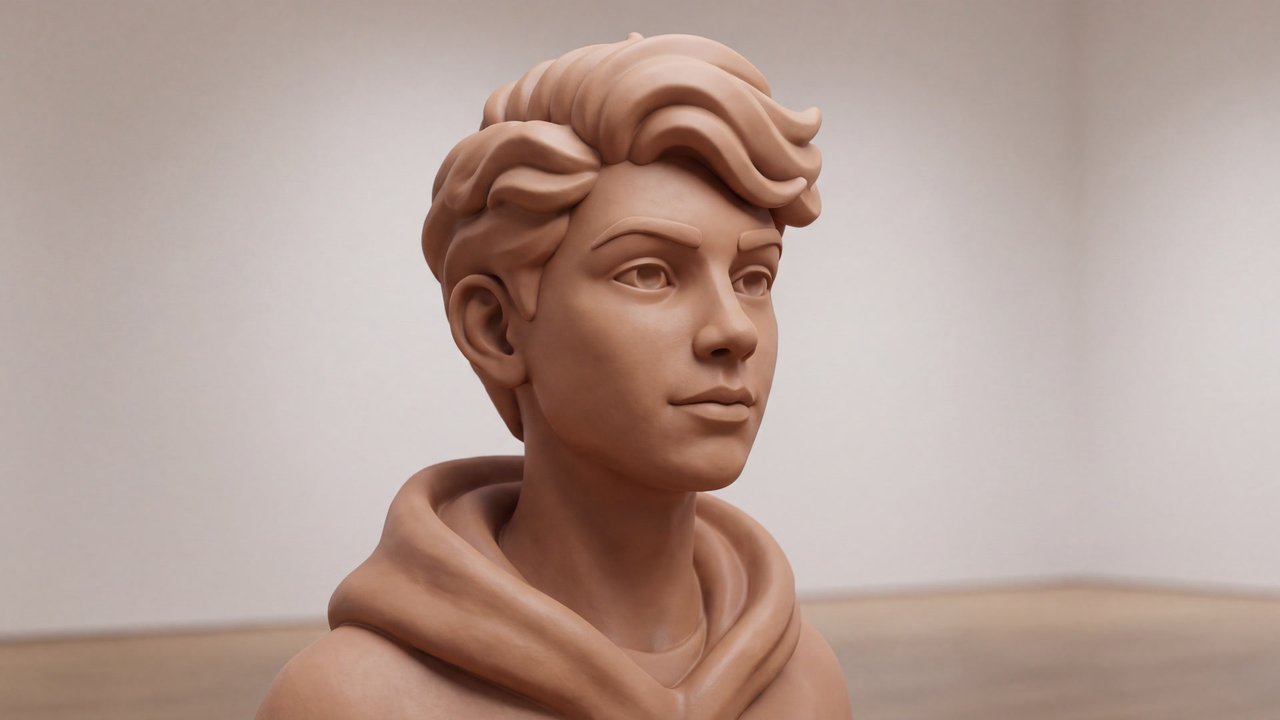
Digital sculpting
A modeling method that directly shapes three-dimensional volume and surfaces with brush-like operations resembling adding or carving clay.
Compare ↗Concept / Curve and surface modeling
3D geometry method
A modeling method that constructs smooth three-dimensional geometry by controlling curves and continuous surfaces.

Teenage boy
Both languages share the English example images. Japanese prompts are the recorded translations.
Directs the geometry toward forms built from continuous surfaces and controlled curvature.
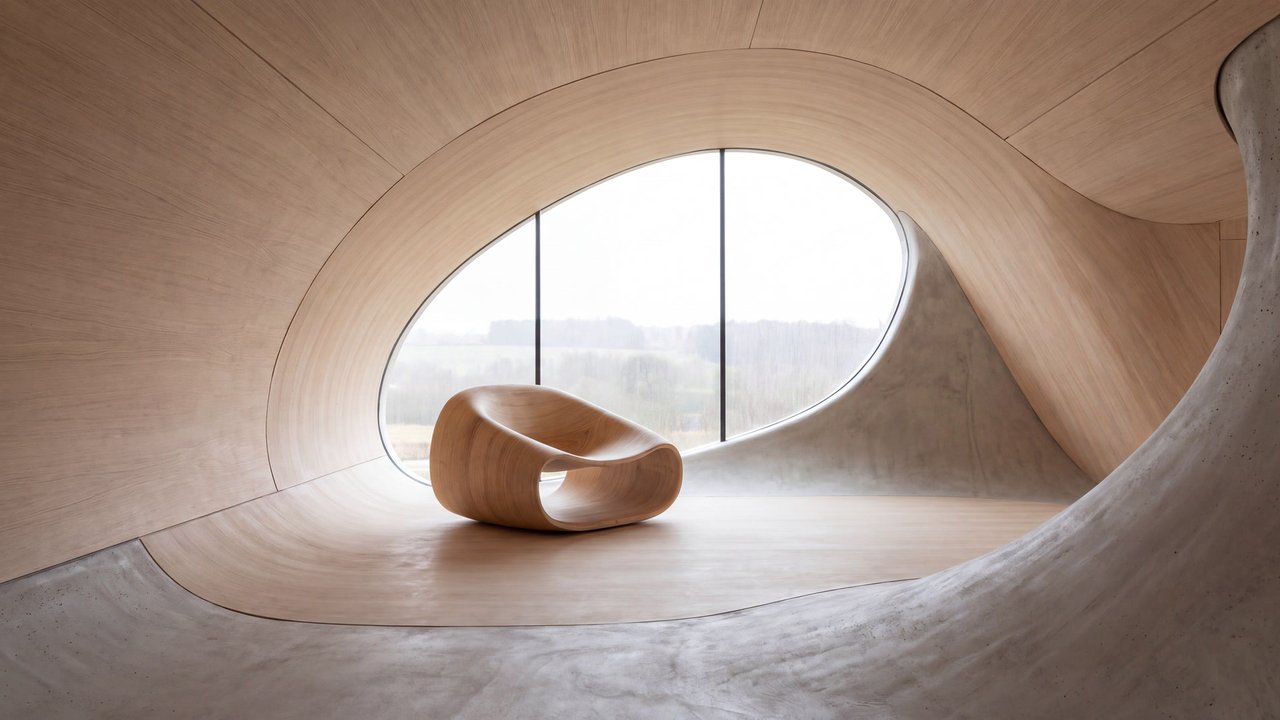
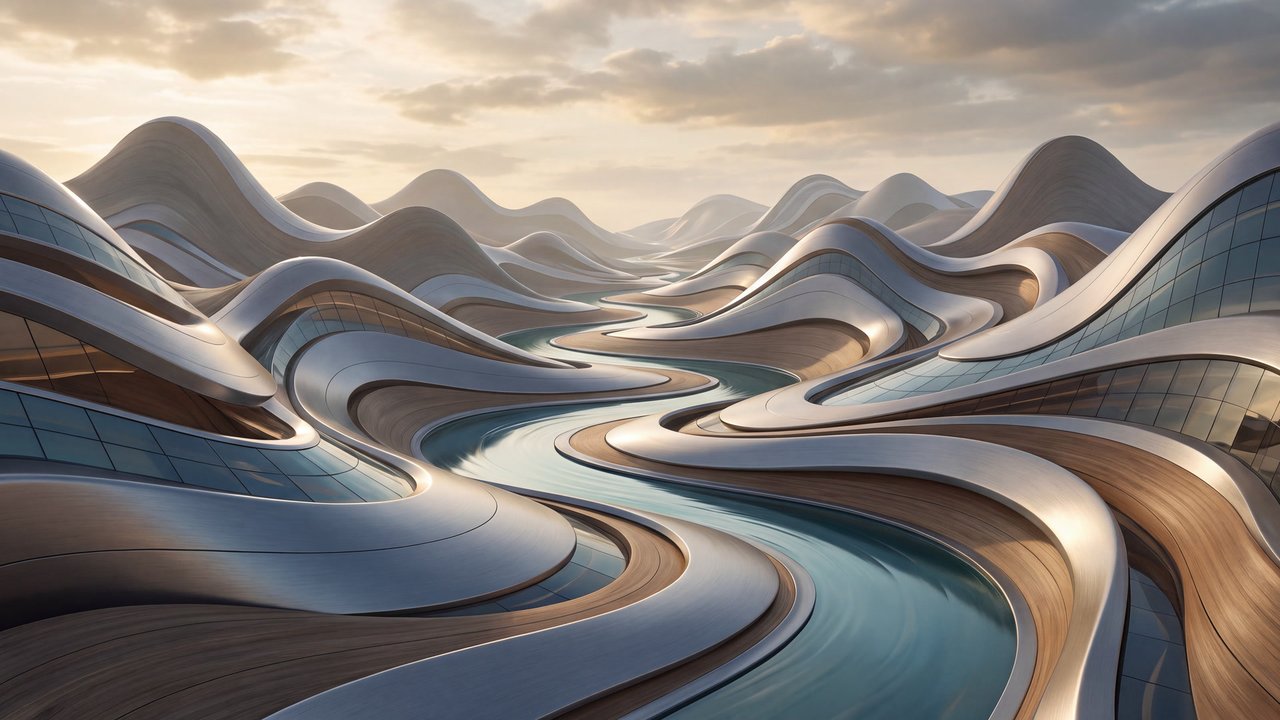
Smooth continuous outlines, rounded surface transitions, and deliberately controlled curvature are likely visual cues.
Curve and surface modeling creates three-dimensional geometry by editing continuous surfaces derived from control points or curves, adjusting outlines, cross-sections, and curvature. It is distinct from render settings that draw an image and from curved patterns visible in a finished image.
Curve and surface modeling builds form from continuous surfaces by manipulating curve flow, cross-sections, and joins. It tends to produce smooth outlines, rounded transitions, and controlled curvature, and can be used for product-like forms or organic volume. Lighting and materials also affect how a surface appears, but they are not specified by this method. It does not mean low-poly construction, voxels, clay-like material rendering, or two-dimensional line drawing.
The appearance of smoothness and curvature varies with geometric density, lighting, material, viewpoint, and generation model, so it does not guarantee uniform gloss or perfect symmetry.
The exact full prompt for these supplemental images is not supplied. This is not a same-seed experiment.

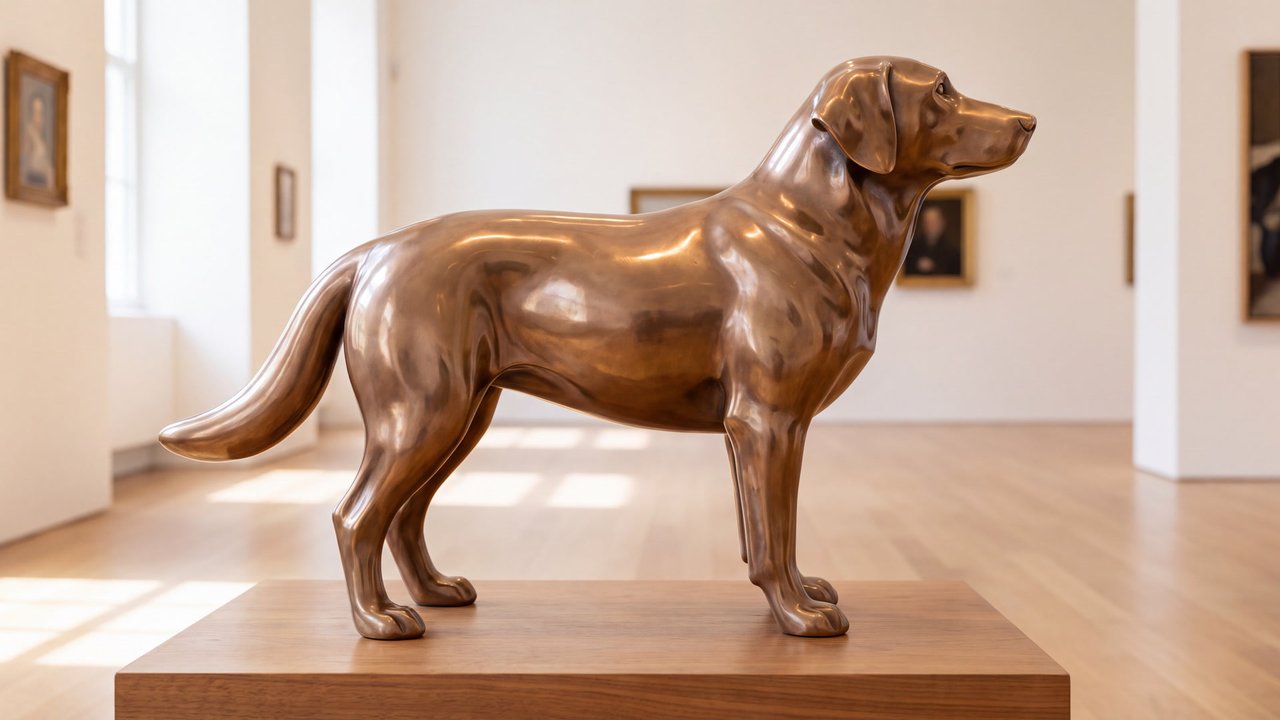
Medium-sized dog
Content updated:
Items linked through explicit membership in the same theme.
Teenage boy
Concept
A modeling method that directly shapes three-dimensional volume and surfaces with brush-like operations resembling adding or carving clay.
Compare ↗
Teenage boy
Concept
A 3D rendering method that separates shading into a few flat color areas.
Compare ↗
Teenage boy
Concept
A 3D rendering treatment with the volume of a small clay figure.
Compare ↗