
Concept / Still life
Still life
An art genre centered on the arrangement, form, light, and surface of inanimate objects
An art genre centered on the arrangement, form, light, and surface of inanimate objects.

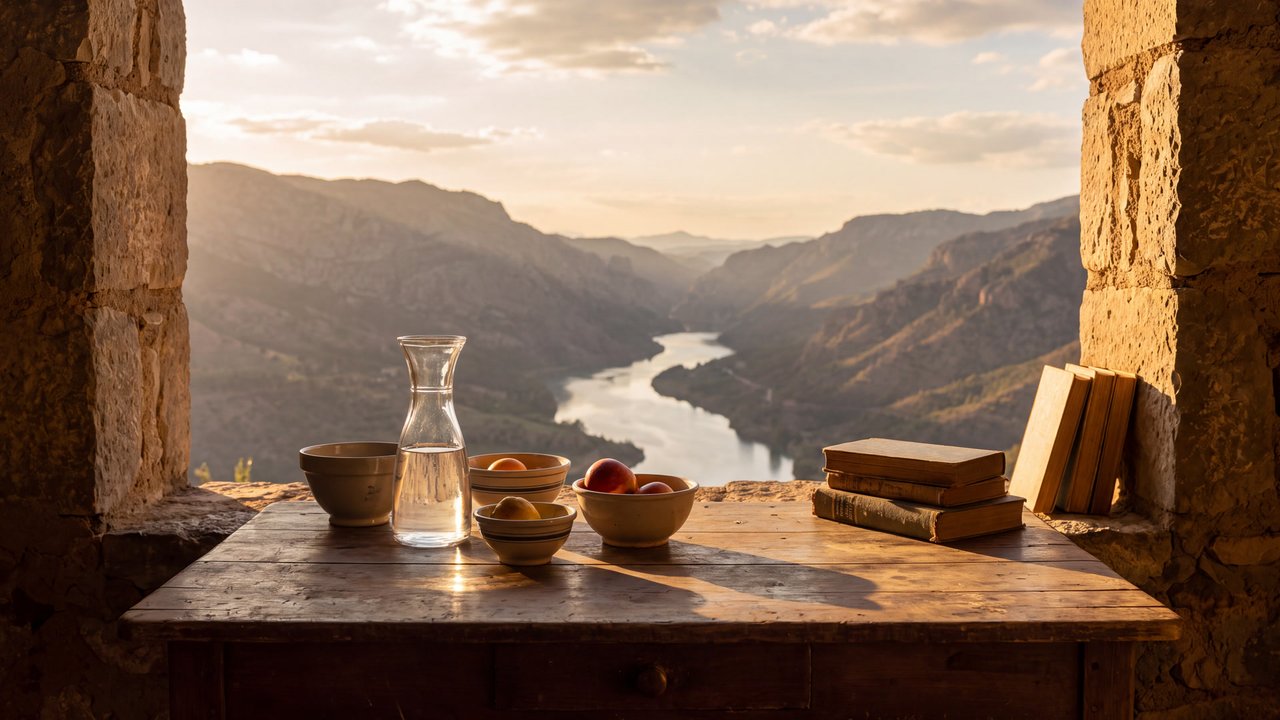
Valley with a river and mountain ranges
Both languages share the English example images. Japanese prompts are the recorded translations.
A phrase to start with
Composes the image as still life centered on arranged inanimate objects and their relation to light.
Appearance and effects
Arranged objects, light, shadow, and differing surfaces create a quiet frame.
Visual traits
- arranged objects
- light and shadow
- surface texture
Expected changes
- Object arrangement is more likely to become central
- Light and shadow are more likely to reveal form and surface
Five examples
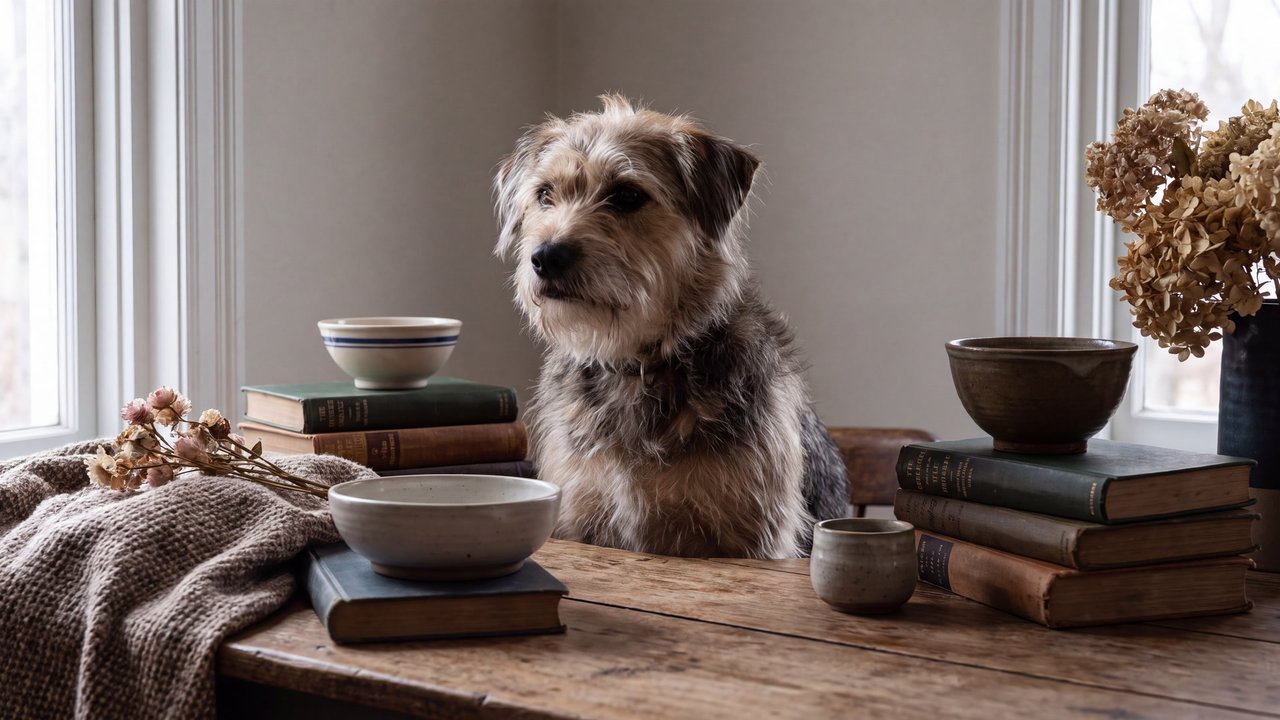
1 — Medium-sized dog
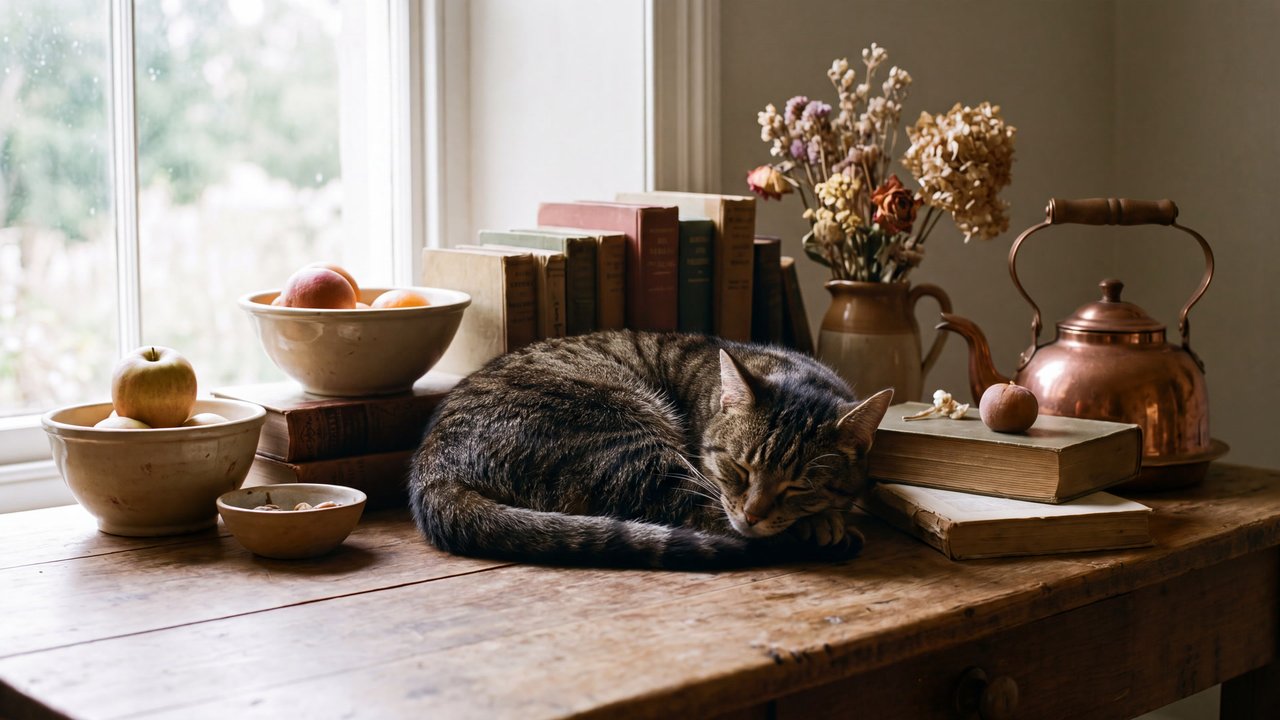
Open image ↗2 — Cat
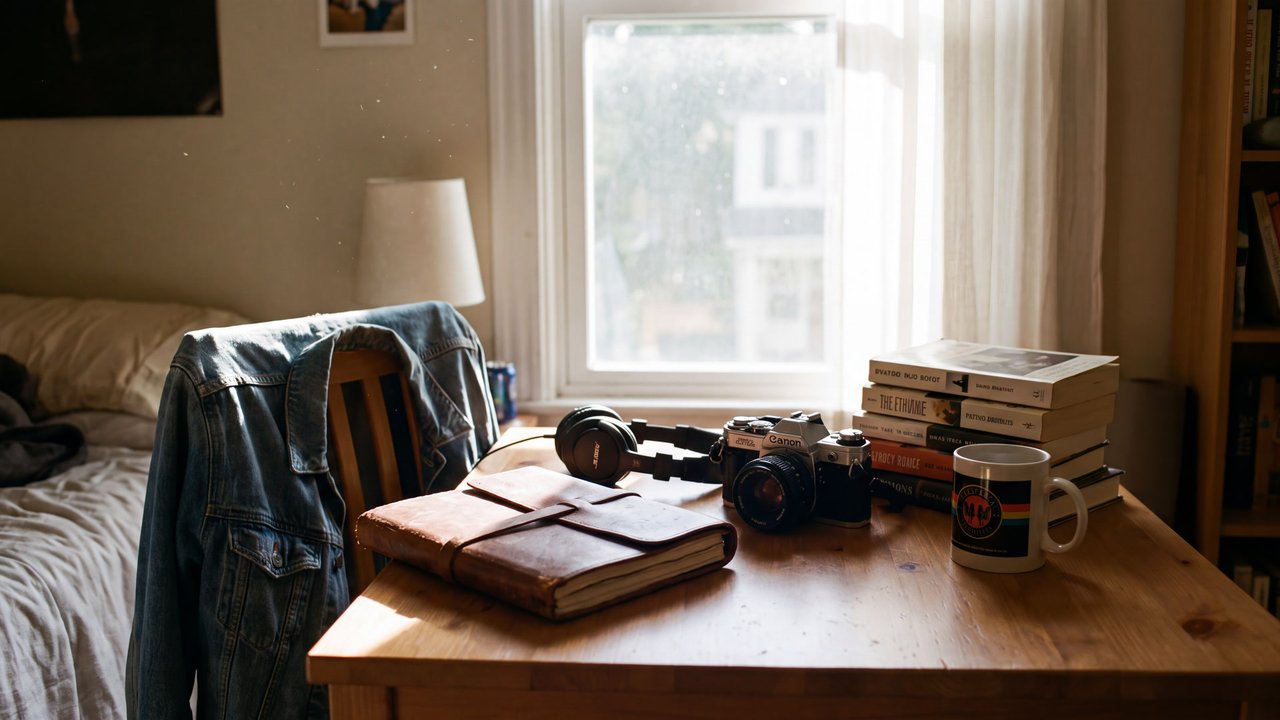
Open image ↗3 — Teenage boy
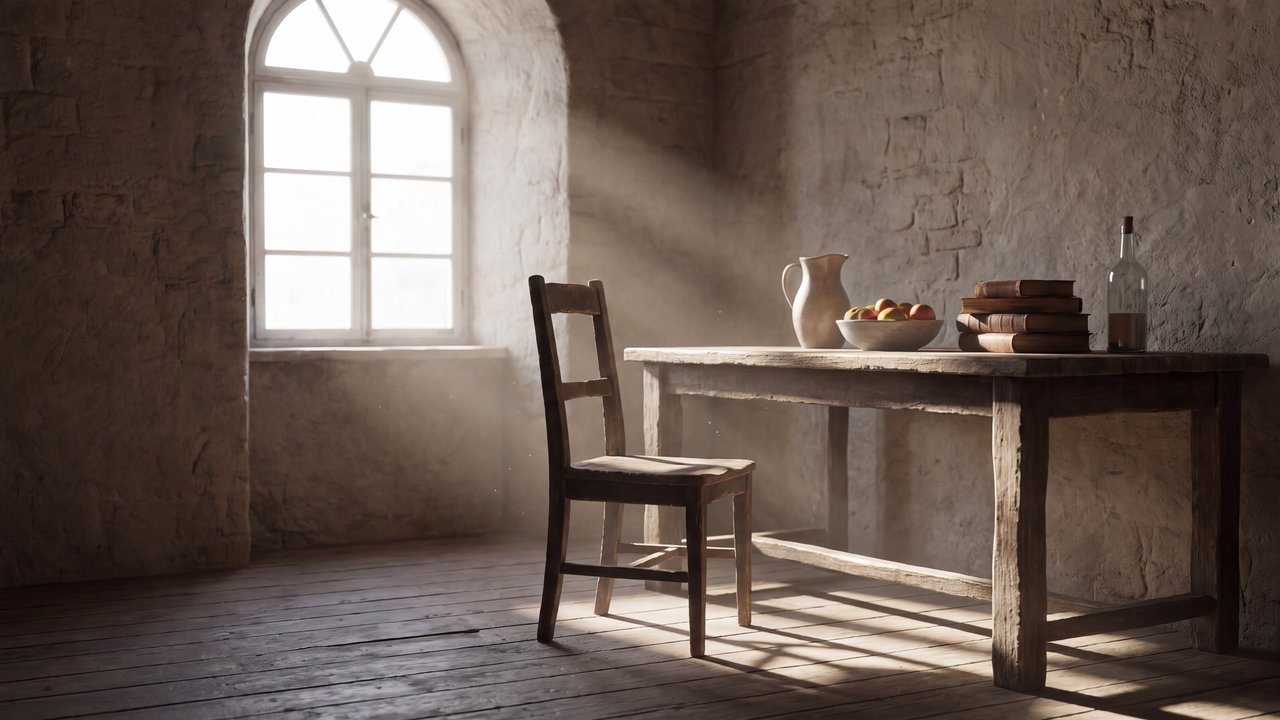
Open image ↗4 — Unoccupied interior
Open image ↗5 — Valley with a river and mountain ranges
Open image ↗Meaning and scope
Definition
Still life arranges inanimate objects such as vessels, fruit, flowers, or tools and makes their relations, form, light, and surfaces the subject. It does not determine a medium, era, region, product, or symbolic meaning.
In more detail
Object spacing, overlap, tabletop or backdrop, and light direction make an image of quiet observation. It is distinct from actions of living people or animals, expansive landscape, and advertising that displays a specific product.
Includes
- Images arranging vessels
- plants
- food
- or tools
- Frames centered on the relation of object form and light
Excludes
- Scenes centered on actions of people or animals
- Wide natural or urban views
- Images made to sell a specific product
What this does not imply
- A specific product
- brand
- era
- region
- or medium
- Actions of people or animals
Variability
Object count, backdrop, viewpoint, and light hardness can be adjusted separately.
Usage and adjustments
Usage
- Keep the arrangement of inanimate objects as the subject
- Specify product names or symbolic meanings separately
Distinguish similar expressions
- Use portraiture or a scene treatment when a person or animal is central
Typical uses
- Depict an arrangement of objects such as vessels or plants
- Compare the appearance of light and surface texture
Possible failure modes
- Relations among objects become scattered
- Setting or people become more prominent than objects
Content updated:
From the same theme
Items linked through explicit membership in the same theme.

Sitter against a natural setting
Concept
Portraiture
An image-work genre centered on the presence, expression, and pose of one person, a small group, or an animal.
Compare ↗
Cat
Concept
Anime Visual Style
A visual language combining line, shape, color, and staging conventions associated with anime.
Compare ↗