
Sitter against a natural setting
Concept
Portraiture
An image-work genre centered on the presence, expression, and pose of one person, a small group, or an animal.
Compare ↗Concept / Seascape
Sea-and-shore landscape art
An image-work genre centered on the sea, water surface, and shoreline, presenting the meeting of open water and land as an expansive view.

Open-sea horizon
An inland valley lies outside the scope of a seascape, so water and horizon alone establish the expanse of sea.
Both languages share the English example images. Japanese prompts are the recorded translations.
Directs the image toward a seascape in which the expanse of sea and shore, and their spatial relationship, remain central.
The horizon, broad water surface, receding shoreline, and repeated surf or reflections tend to convey open distance and a coastal atmosphere.
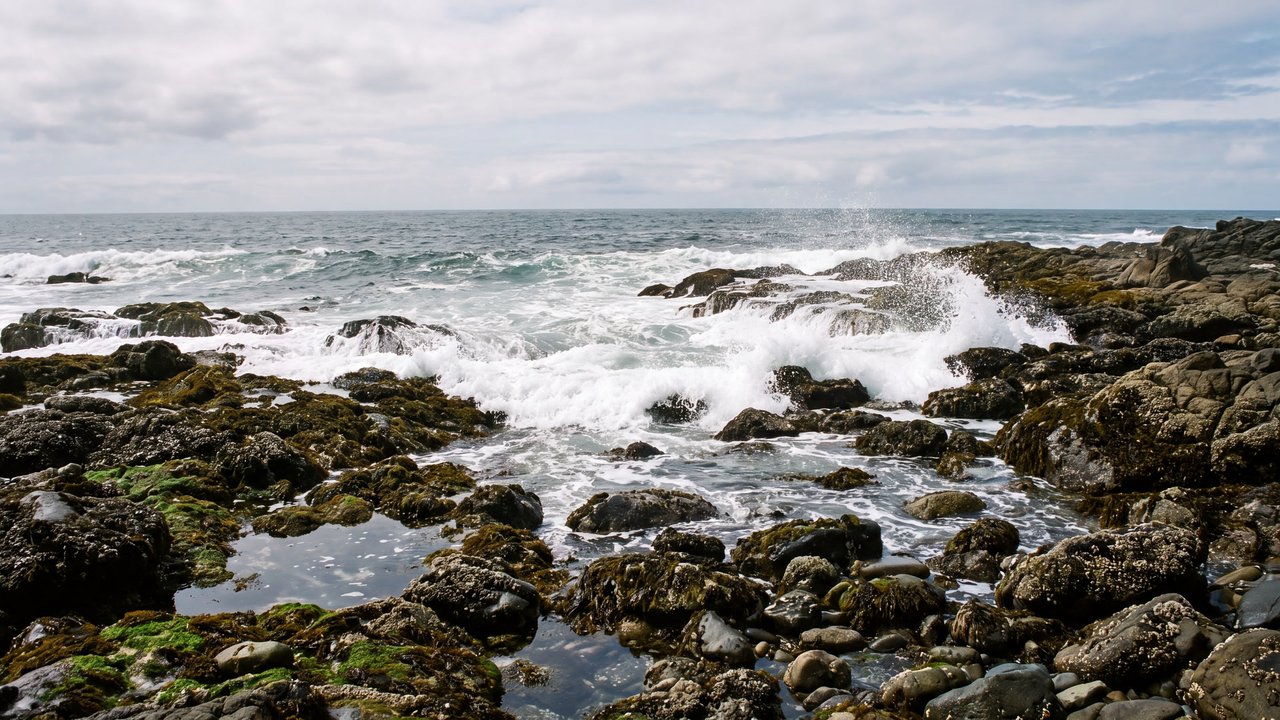
A dog as the focal subject would reduce the sea to background, so surf and rock establish the shoreline while keeping the seascape central.
wave-washed rocky shore with the sea opening beyond it
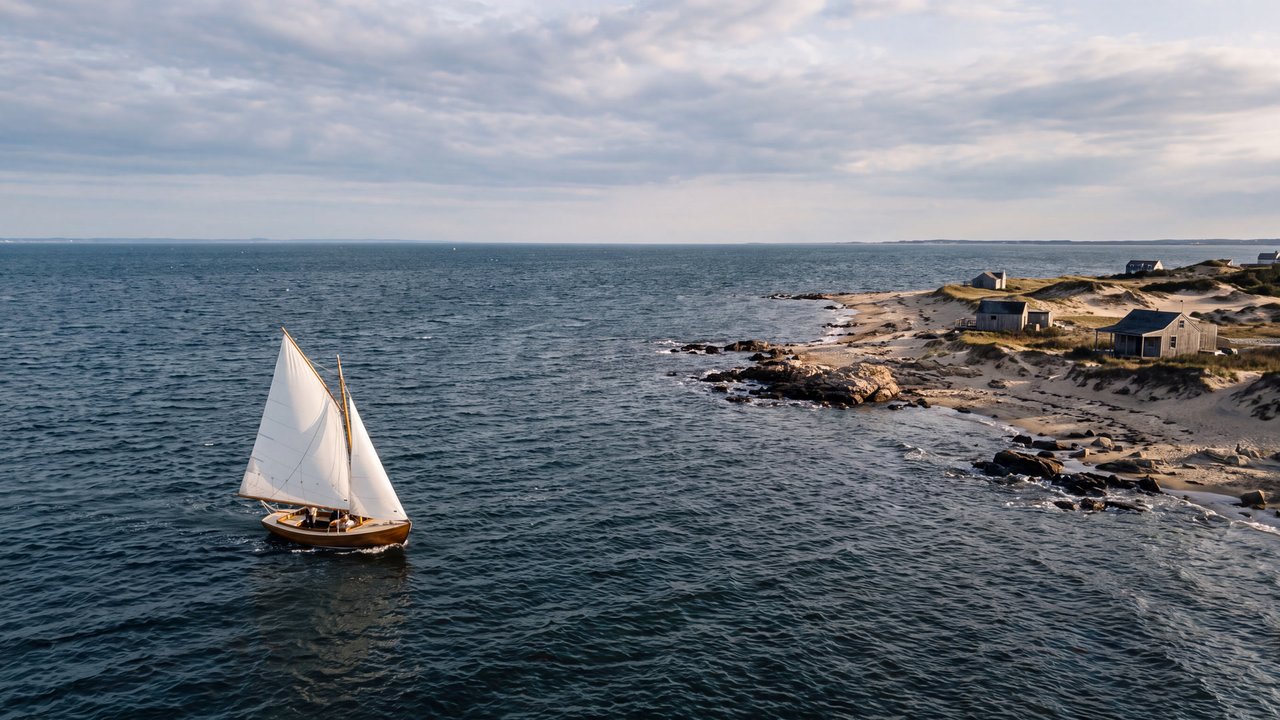
Instead of centering a cat, a small sailboat supplies scale across broad water, keeping the expanse of sea rather than the boat itself as the subject.
a small sailboat leaving the shoreline across broad water
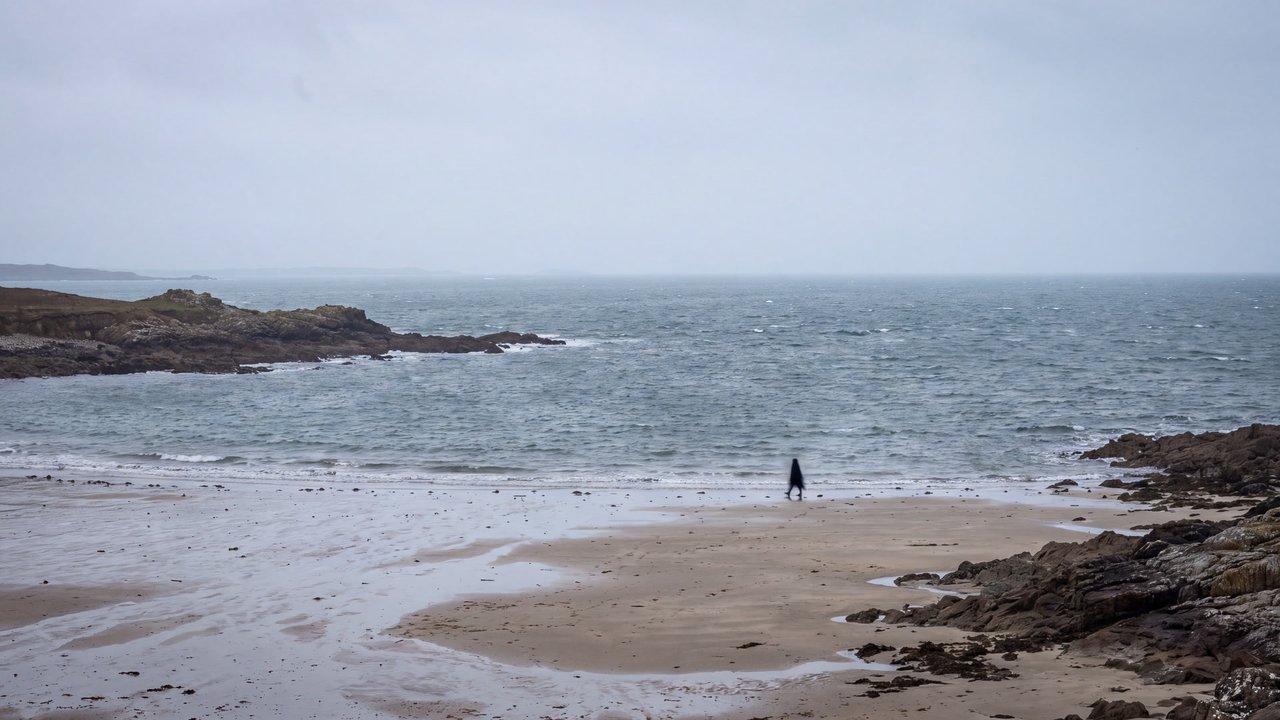
A portrait of a boy would displace the seascape, so the figure remains distant scale while sea and shoreline stay primary.
a distant figure walking the shoreline with the sea extending offshore
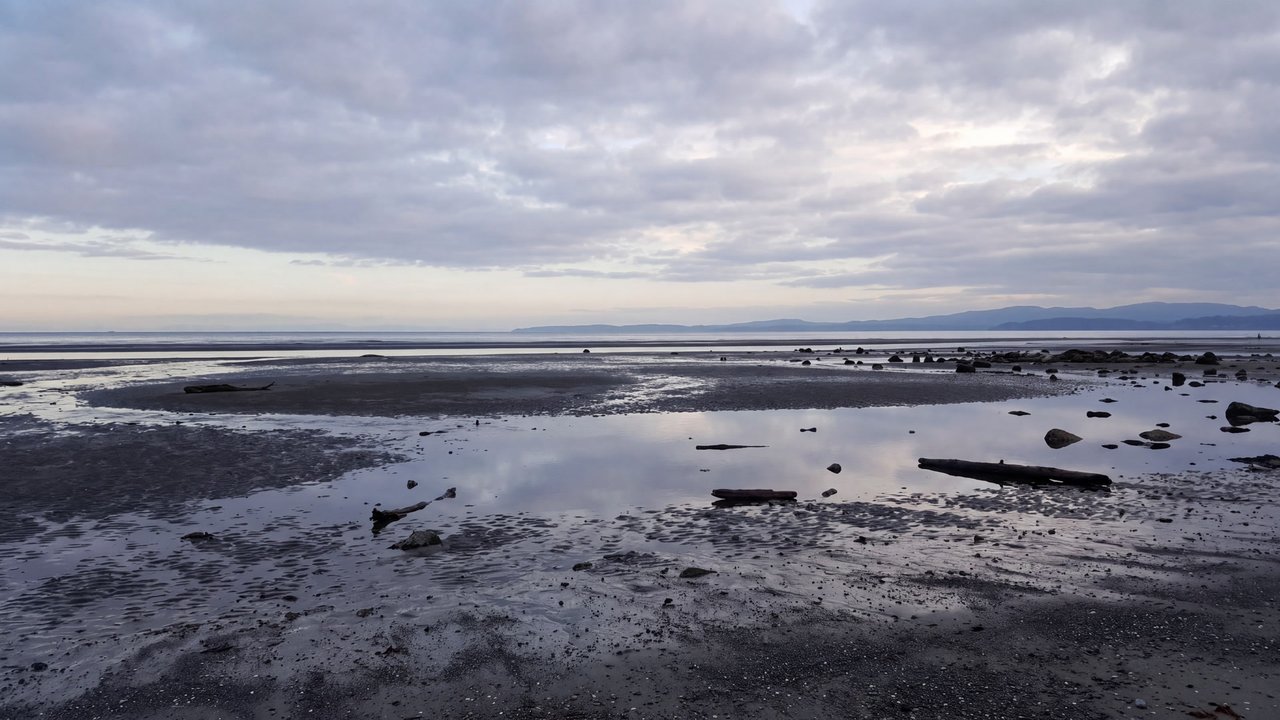
An unoccupied interior is not a seascape, so a tide line and shallow water retain quietness while keeping sea and shoreline as the subject.
a quiet low-tide shoreline with water extending across the shallows
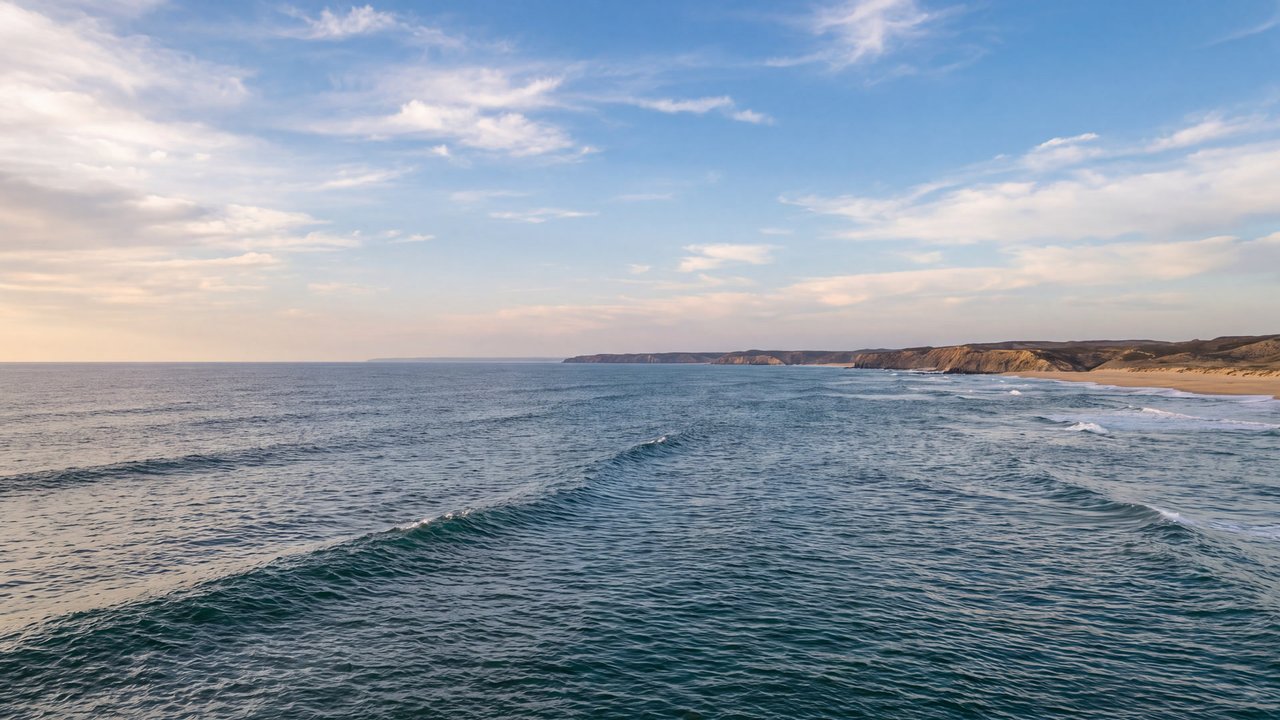
An inland valley lies outside the scope of a seascape, so water and horizon alone establish the expanse of sea.
an open-sea horizon with water across the foreground
A seascape is a landscape expression that centers the sea, waves, headlands, beaches, harbors, or related coastal features. It may include people or boats, but its subject remains the expanse formed by water and shore rather than portraiture or a depiction of a vessel itself. It is distinct from inland landscape, cityscape, and an individual marine animal study.
Seascapes use the horizon, reflections on water, moving surf, tide, and the contours of rock or beach to establish maritime scale and distance. They can range from a quiet inlet to rough open water, without prescribing weather, time, medium, or region. A large foreground figure, animal, or vessel can shift the image toward portraiture or narrative, so the relation between sea and shore should remain legible.
The balance of sea and sky, distance from shore, and strength of surf vary substantially with composition and weather. Even without a visible shoreline, a broad water surface and distant boundary can make maritime scale clear.
The exact full prompt for these supplemental images is not supplied. This is not a same-seed experiment.

Wave-washed rocky shore
A dog as the focal subject would reduce the sea to background, so surf and rock establish the shoreline while keeping the seascape central.
Content updated:
Items linked through explicit membership in the same theme.
Sitter against a natural setting
Concept
An image-work genre centered on the presence, expression, and pose of one person, a small group, or an animal.
Compare ↗
Cat
Concept
A visual language combining line, shape, color, and staging conventions associated with anime.
Compare ↗
Valley with a river and mountain ranges
Concept
Visual storytelling that uses a sequence of panels and images to convey events.
Compare ↗