



Teenage boy
Concept
Film emulation
Postprocessing that recreates film-photo color response and grain.
Compare ↗Concept / Standard lens
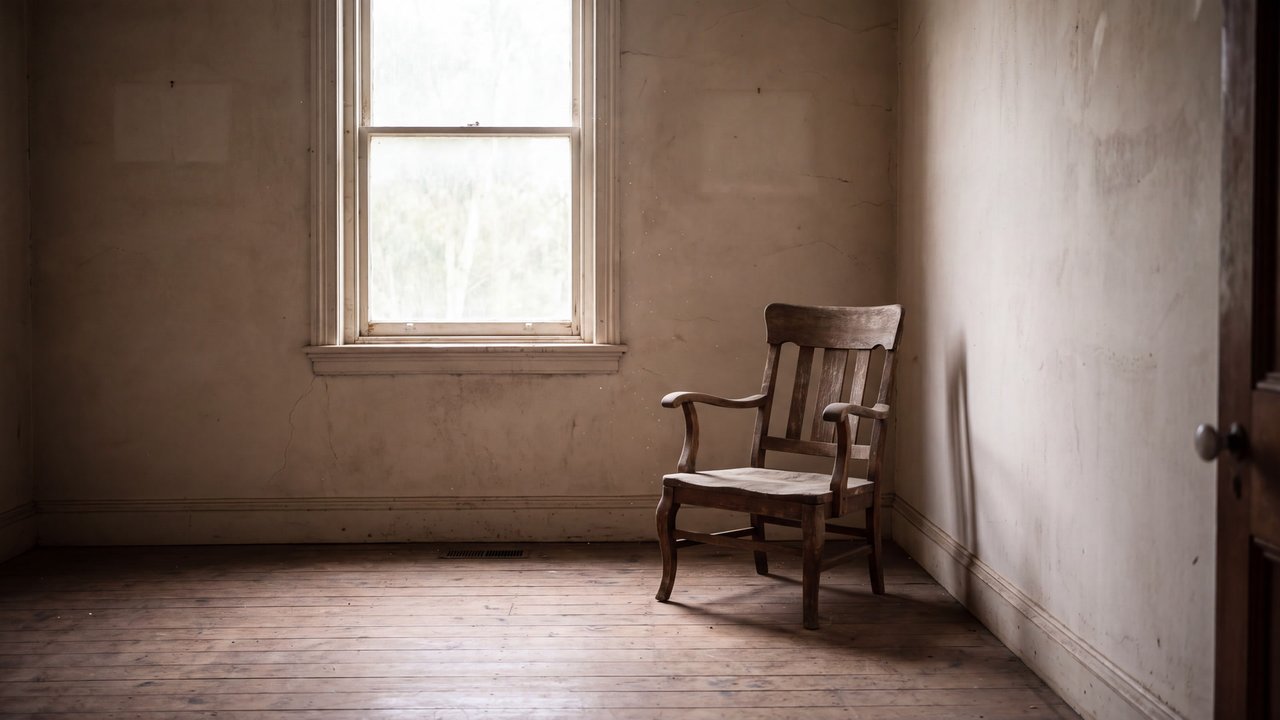
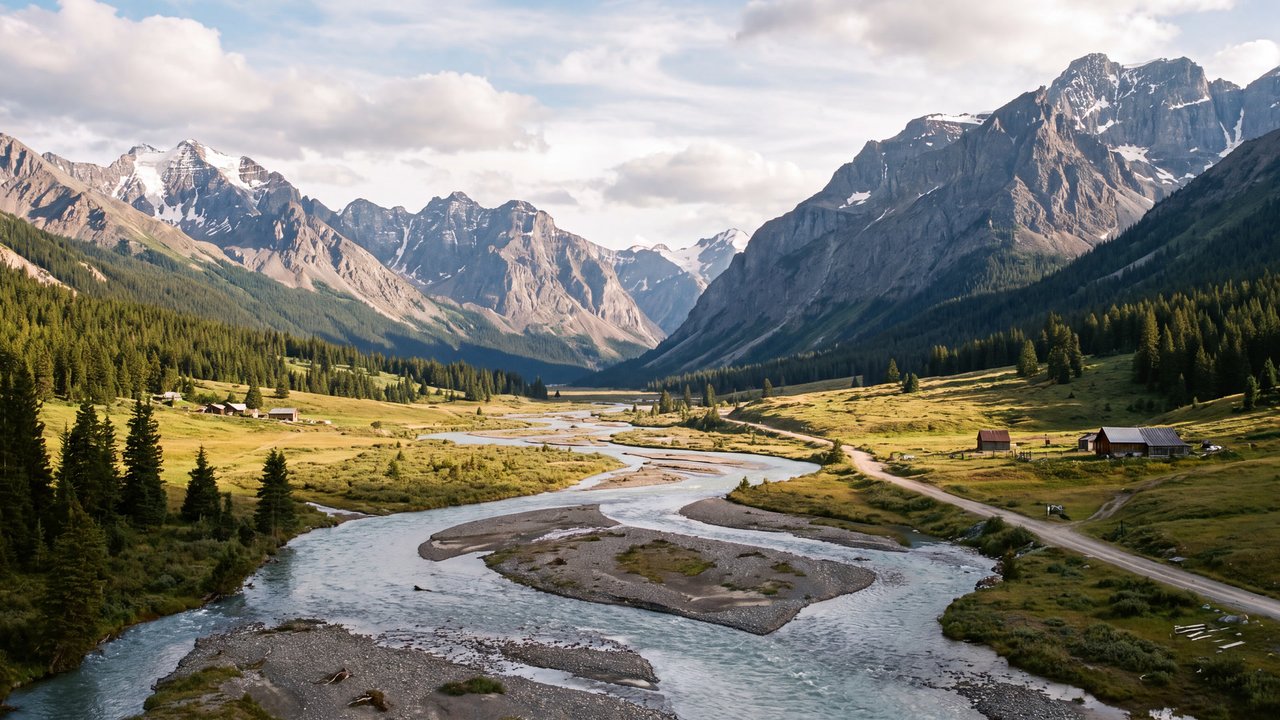
A lens choice that gives a natural field of view and balanced perspective
A lens choice that gives a natural field of view and balanced perspective.

Teenage boy
Both languages share the English example images. Japanese prompts are the recorded translations.
Directs the image toward the field of view and perspective of a standard lens.
Near and distant forms remain proportionally balanced.
Standard lens changes the visible field of view and perspective. Near and distant forms remain proportionally balanced. It does not require a particular physical lens, camera model, or subject.
It affects relative scale, depth cues, and the appearance of straight lines. Use it for captured appearance, not to place a lens itself in the image.
Focal-length strength and composition can be adjusted separately.
Content updated:
Items linked through explicit membership in the same theme.
Teenage boy
Concept
Postprocessing that recreates film-photo color response and grain.
Compare ↗

Teenage boy
Concept
Postprocessing that maps HDR brightness into a displayable range.
Compare ↗