
Teenage boy
Concept
Film emulation
Postprocessing that recreates film-photo color response and grain.
Compare ↗Concept / HDR tone mapping
Postprocessing that maps HDR brightness into a displayable range
Postprocessing that maps HDR brightness into a displayable range.

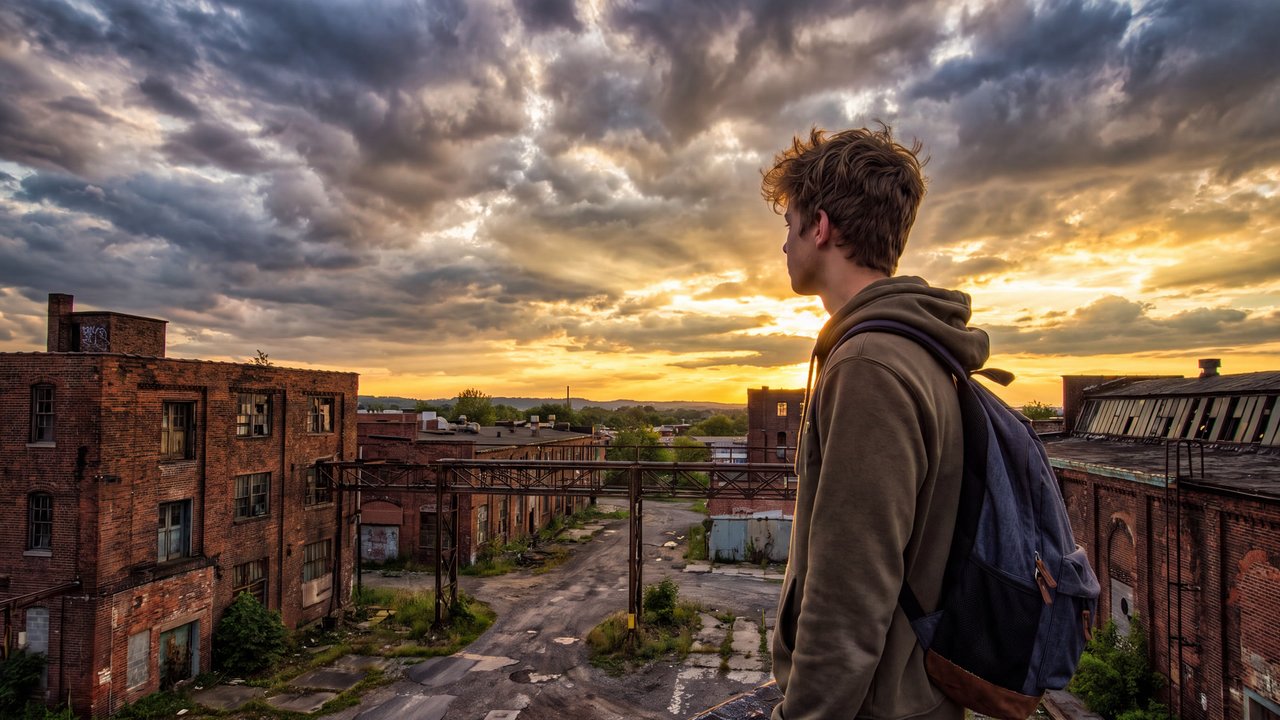
Teenage boy
Both languages share the English example images. Japanese prompts are the recorded translations.
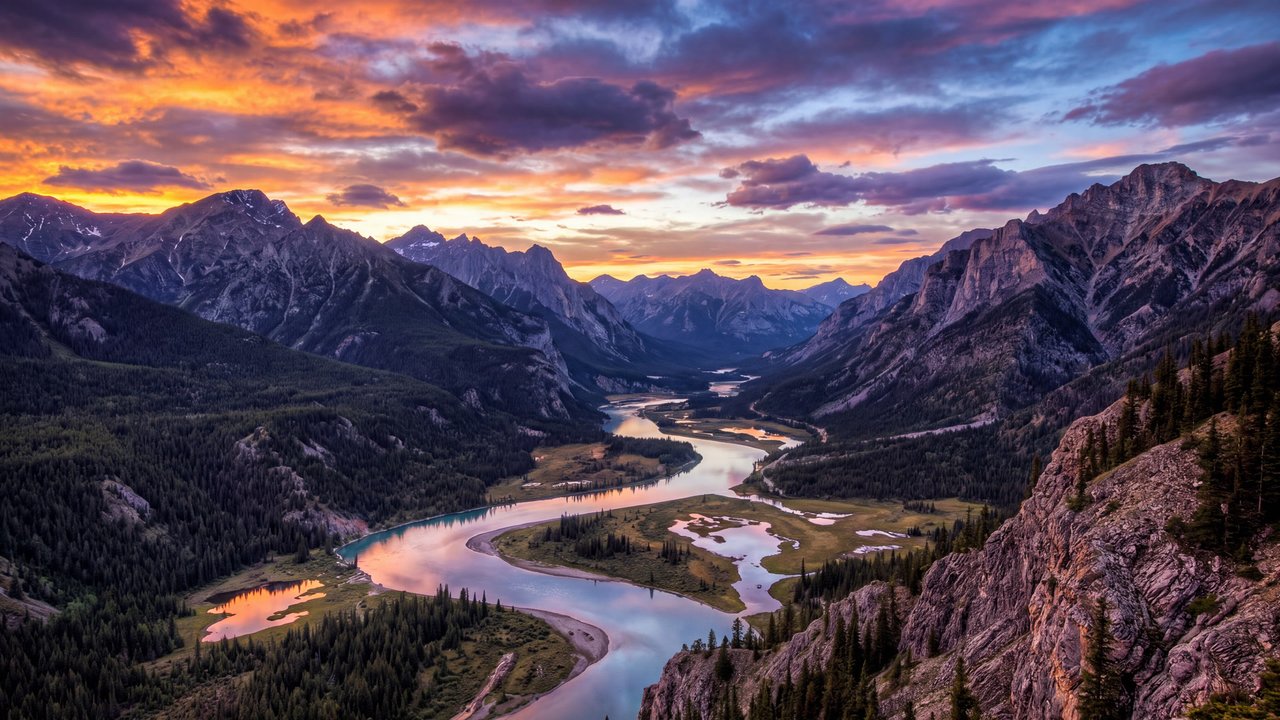
Preserves detail across bright and dark tonal ranges.
Preserves detail across bright and dark tonal ranges.
Maps brightness into a display range. Capture medium, exposure, local retouching, and compositing are separate choices.
It defines a postprocessing scope; other capture, retouching, and compositing conditions remain separate choices.
The general source does not directly substantiate results from a particular device or process.
Content updated:
Items linked through explicit membership in the same theme.
Teenage boy
Concept
Postprocessing that recreates film-photo color response and grain.
Compare ↗

Teenage boy
Concept
Processing that combines multiple image elements into one frame.
Compare ↗