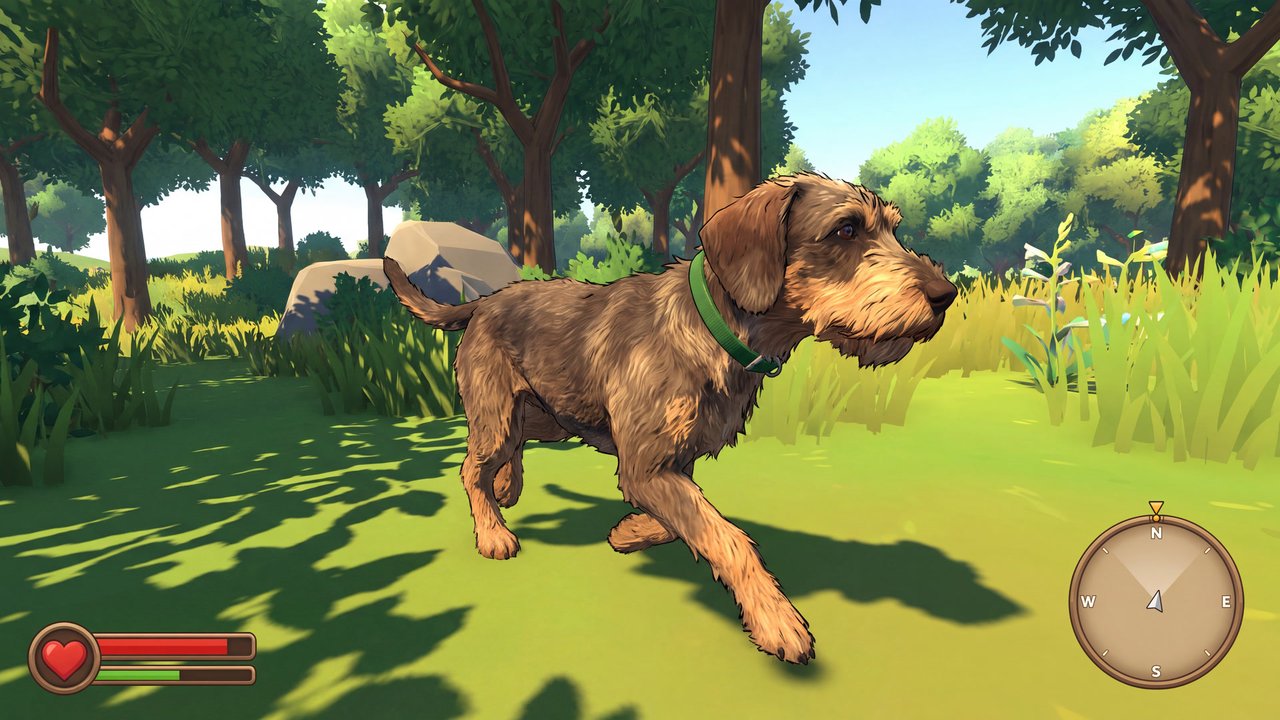
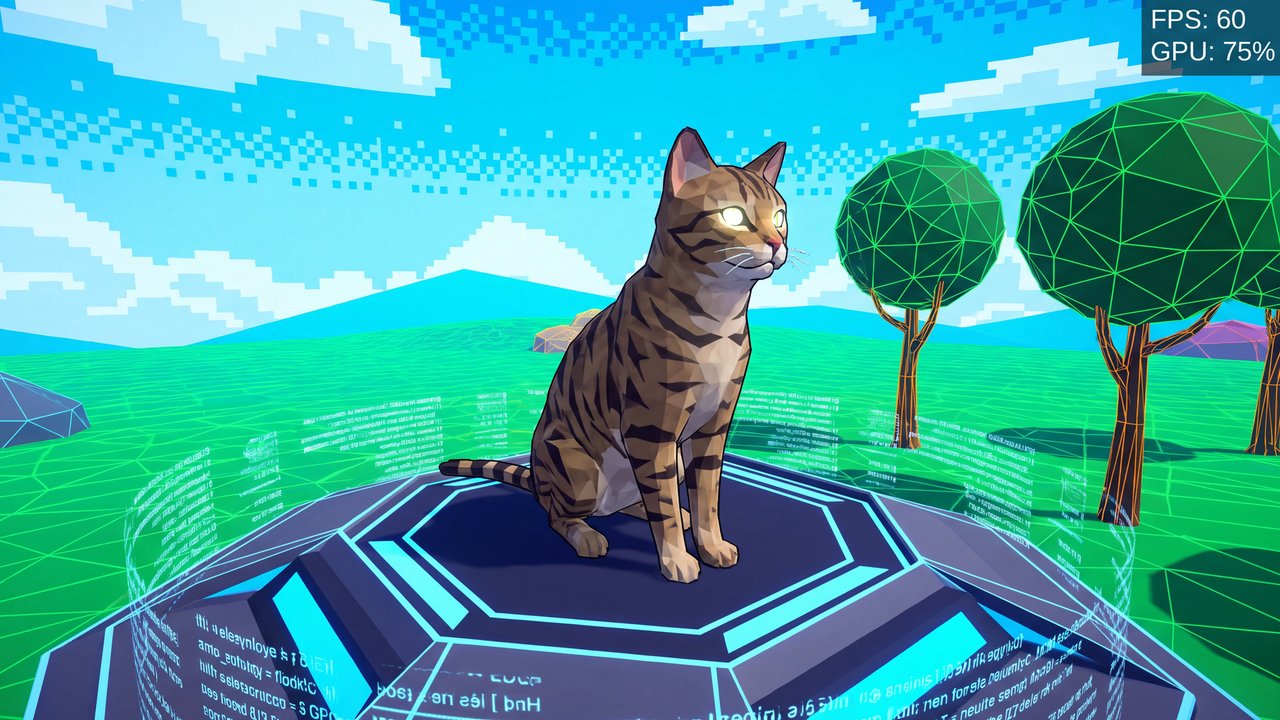
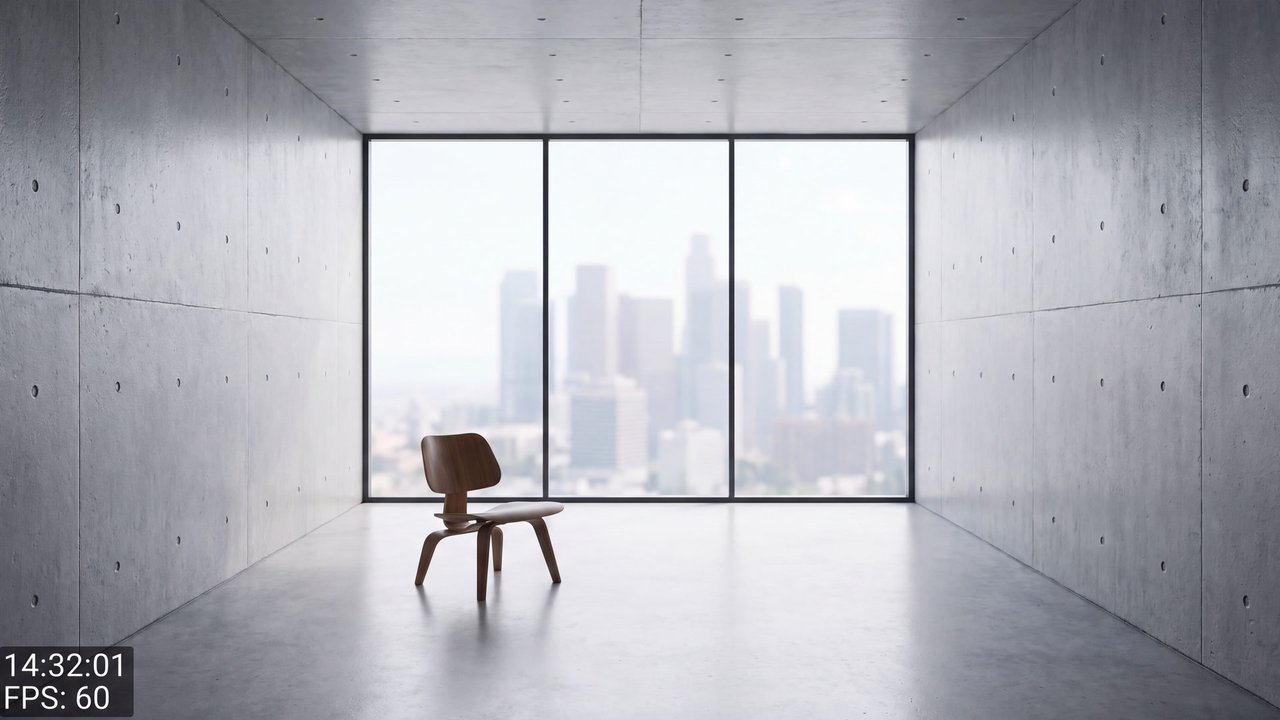

Medium-sized dog
Concept
Aerial perspective
A depth treatment that makes distant forms paler, cooler, and less distinct.
Compare ↗Concept / Real-time rendering
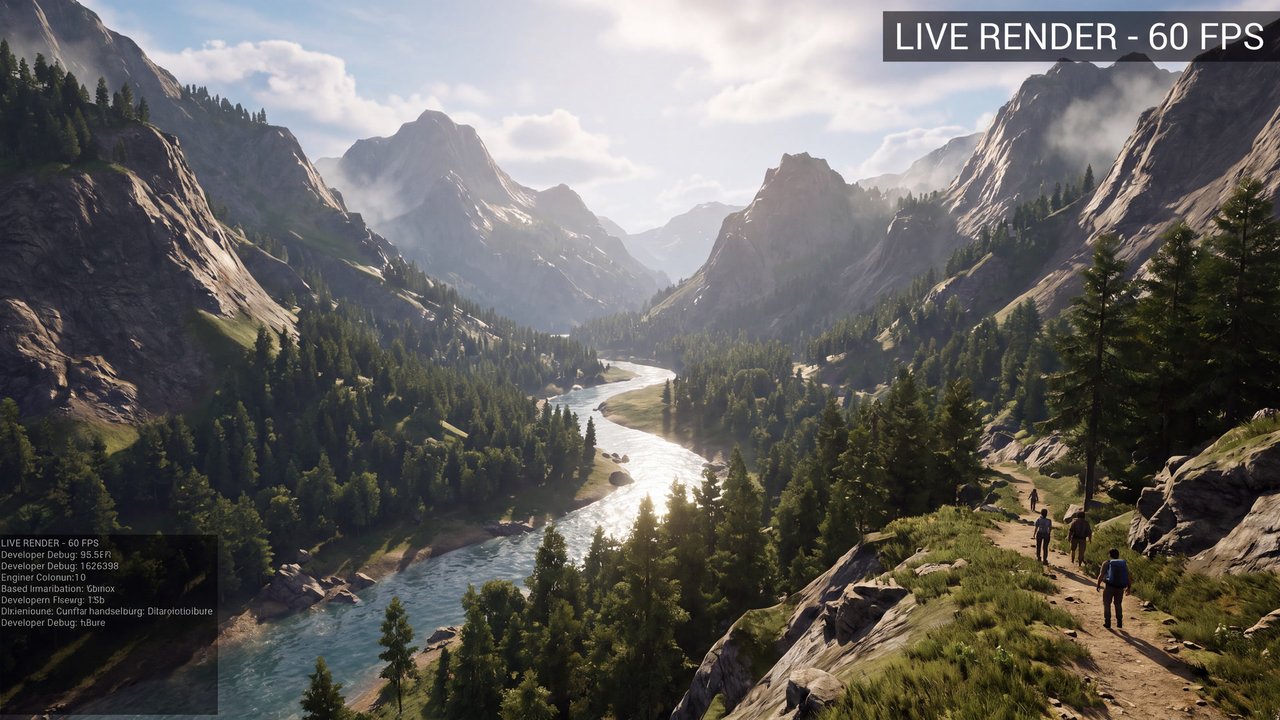
Rendering that continually draws an interactive scene with short response time
Rendering that continually draws an interactive scene with short response time.

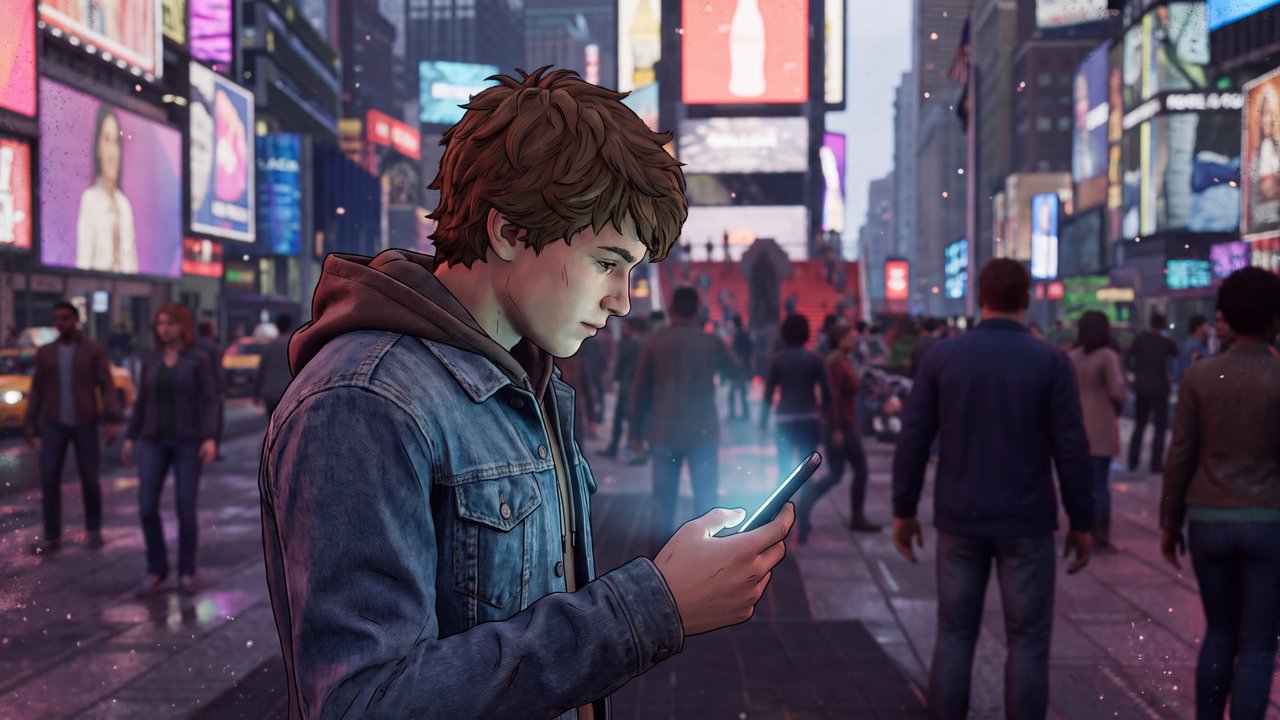
Teenage boy
Both languages share the English example images. Japanese prompts are the recorded translations.
Requests an interactively updating rendering mode.
The image is treated as an interactive 3D display responsive to scene changes.
It is a rendering mode that continually updates images as a scene changes. It does not guarantee a particular frame rate, feature, or image quality.
It specifies interactive display with attention to the balance of image quality and computational work. Subject, composition, and a specific engine remain separately selectable.
Actual performance varies with scene, hardware, and settings.
Content updated:
Items linked through explicit membership in the same theme.
Medium-sized dog
Concept
A depth treatment that makes distant forms paler, cooler, and less distinct.
Compare ↗
Medium-sized dog
Concept
A composition that balances off-center elements through visual weight.
Compare ↗
Medium-sized dog
Concept
A composition that places the main subject on the image's central axis for focus and stability.
Compare ↗