

Medium-sized dog
Concept
Asymmetrical composition
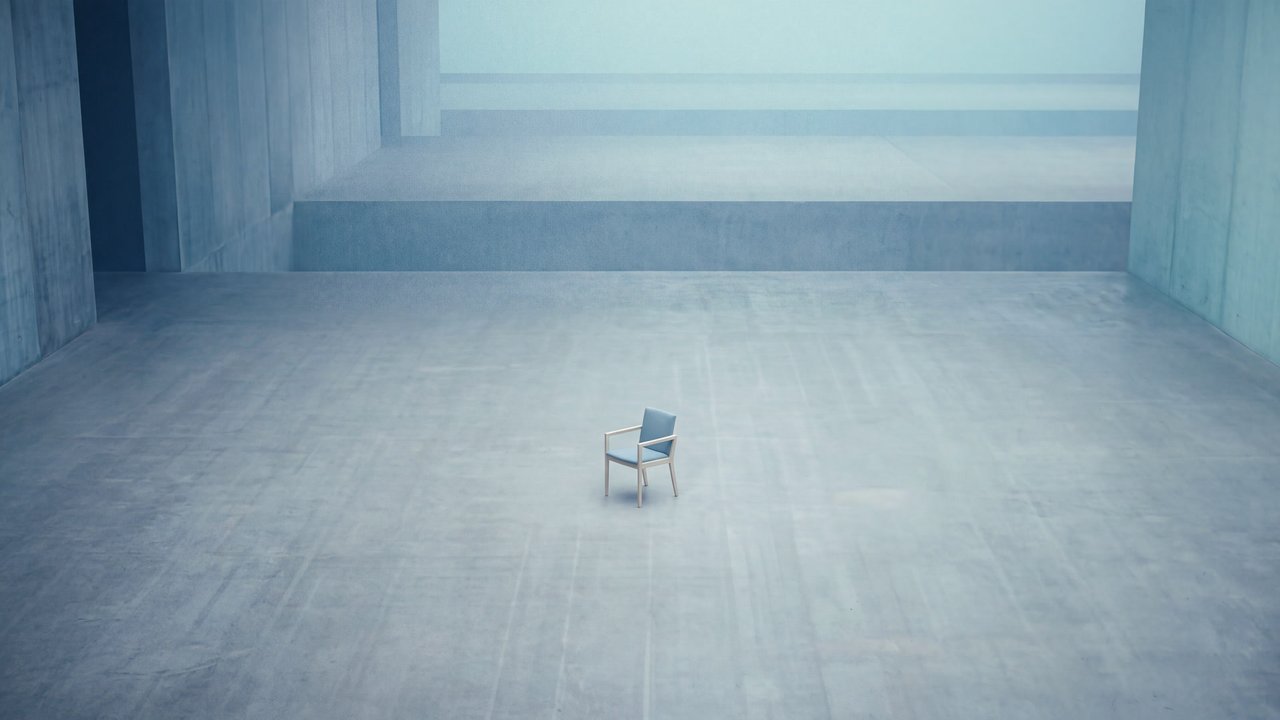
A composition that balances off-center elements through visual weight.
Compare ↗Concept / Aerial perspective
Depth shown through distance-driven shifts in color and clarity
A depth treatment that makes distant forms paler, cooler, and less distinct.

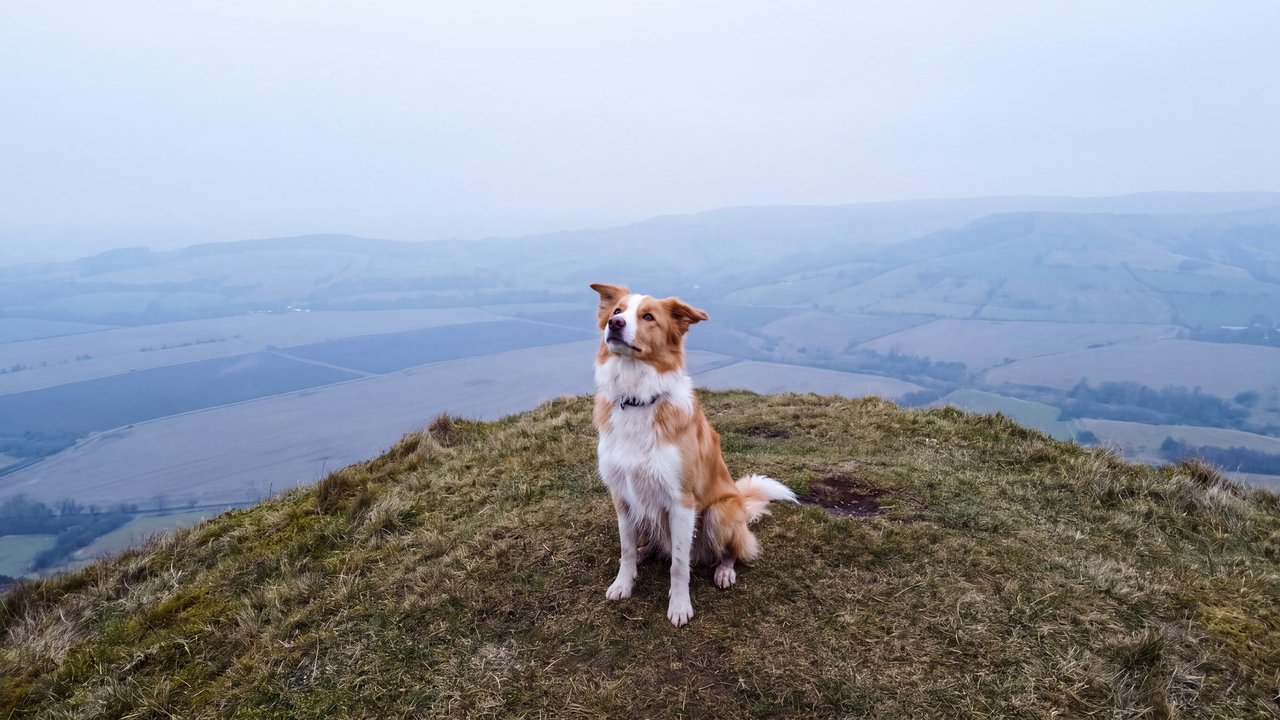
Medium-sized dog
Both languages share the English example images. Japanese prompts are the recorded translations.
Adds distance-sensitive atmospheric change so depth reads from foreground to distance.
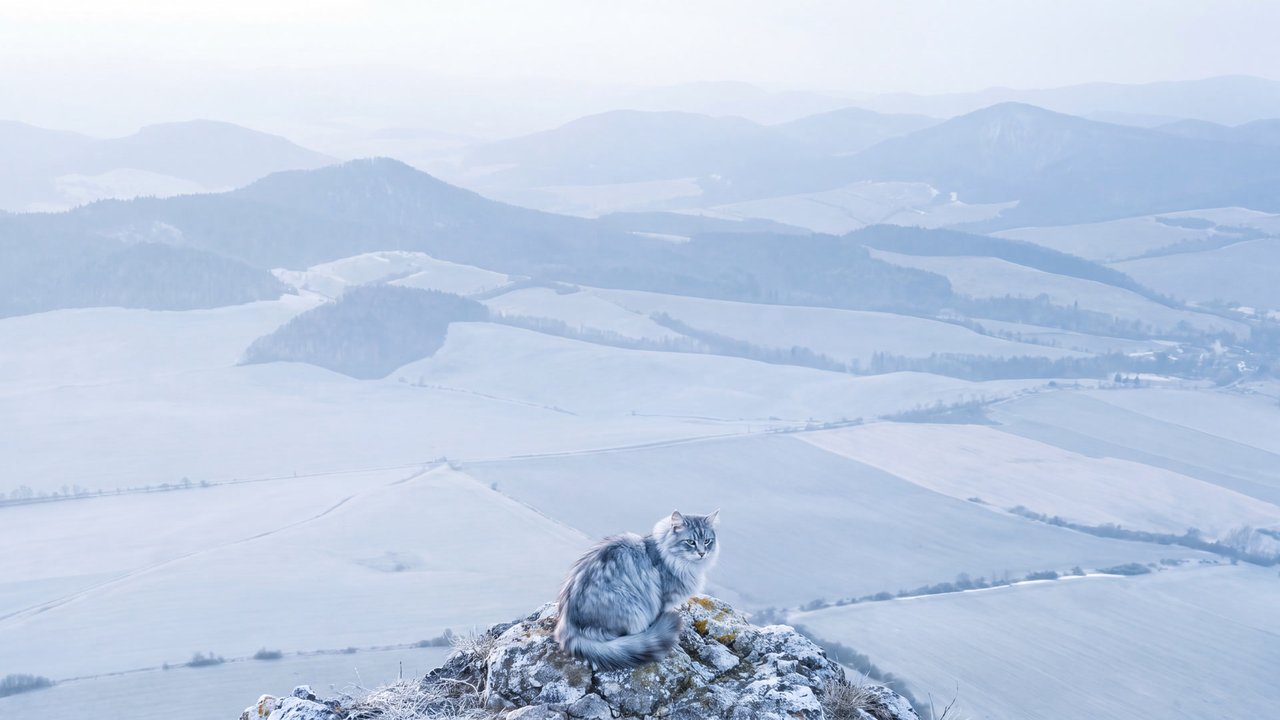
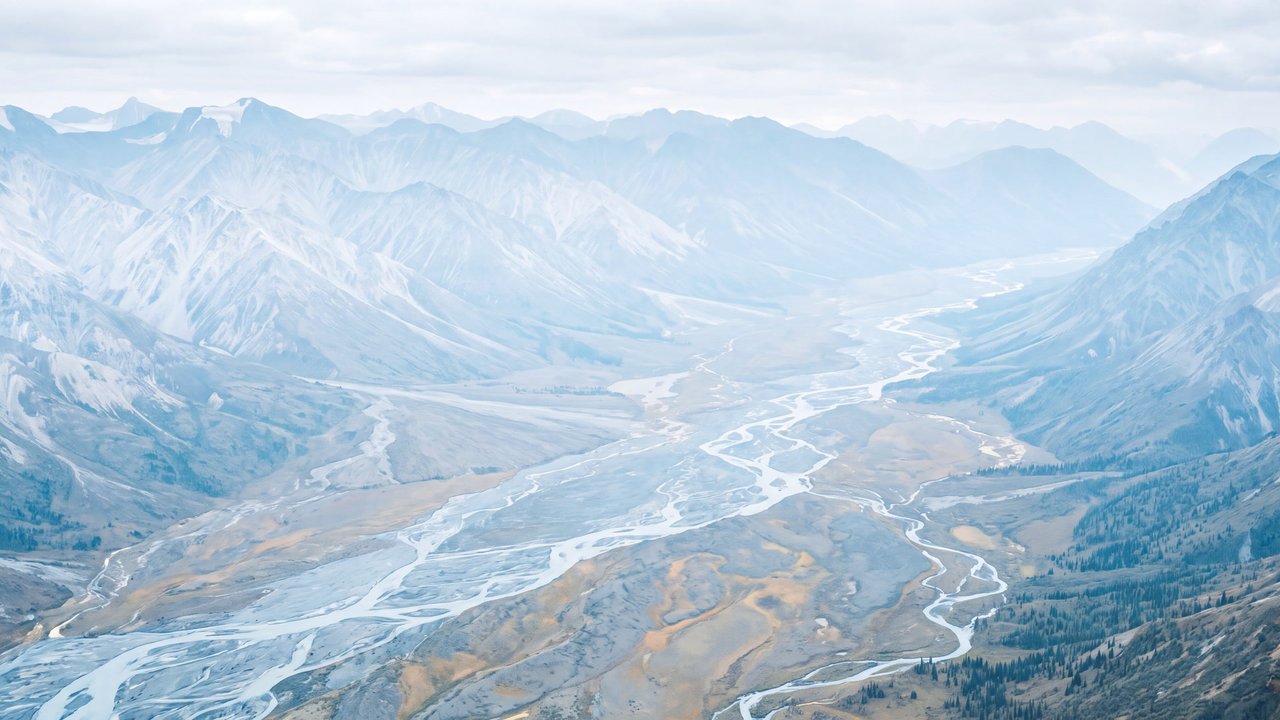
Foreground forms are clear while distant forms recede in a pale, cool haze.
Aerial perspective represents increasing distance by reducing contrast and detail and by giving distant forms a lighter, cooler atmospheric veil. It differs from converging linear perspective and from merely adding fog.
Darker color, clear edges, and detail remain in the foreground while distant planes soften, making an extended space legible. It can serve terrain, architecture, or figures, but has little effect where no distance layers exist.
Tune coolness and attenuation to the distance and clarity of the air.
Content updated:
Items linked through explicit membership in the same theme.
Medium-sized dog
Concept
A composition that balances off-center elements through visual weight.
Compare ↗
Medium-sized dog
Concept
A composition that places the main subject on the image's central axis for focus and stability.
Compare ↗