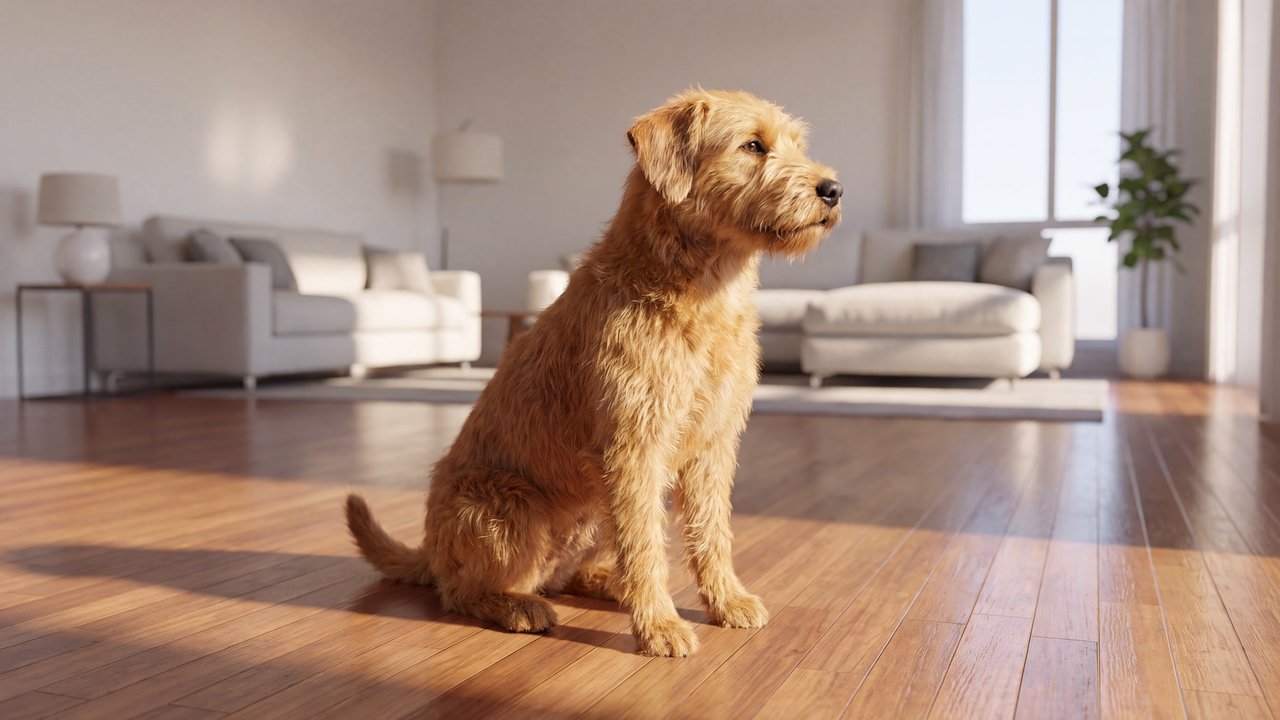


Medium-sized dog
Concept
Aerial perspective
A depth treatment that makes distant forms paler, cooler, and less distinct.
Compare ↗Concept / Ray tracing
A rendering method that traces light paths to calculate reflection and shadow
A rendering method that traces light paths to calculate reflection and shadow.

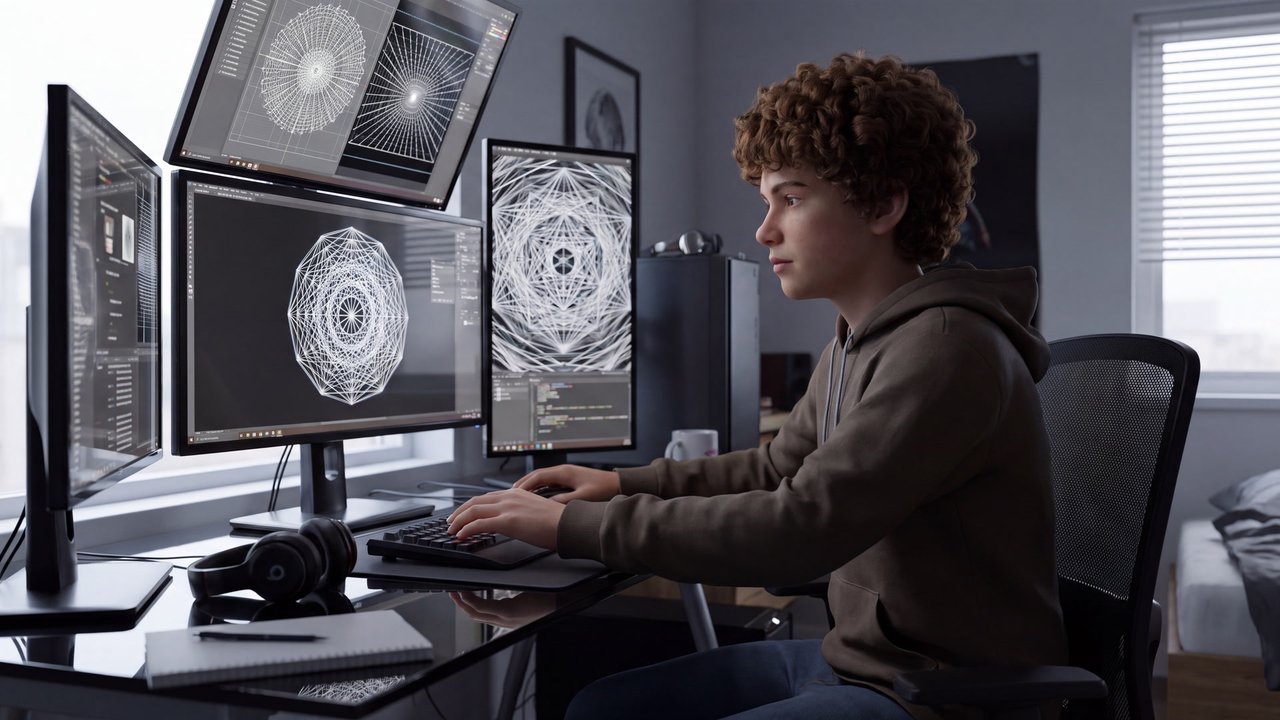
Teenage boy
Both languages share the English example images. Japanese prompts are the recorded translations.
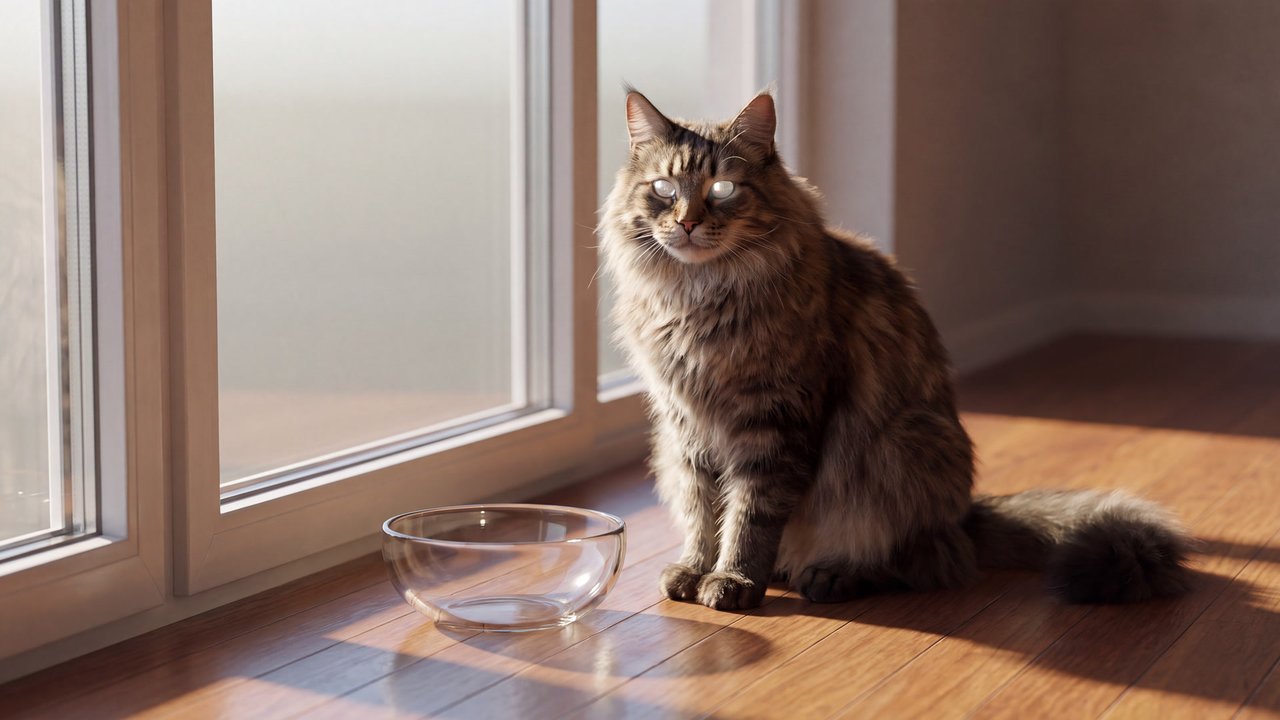
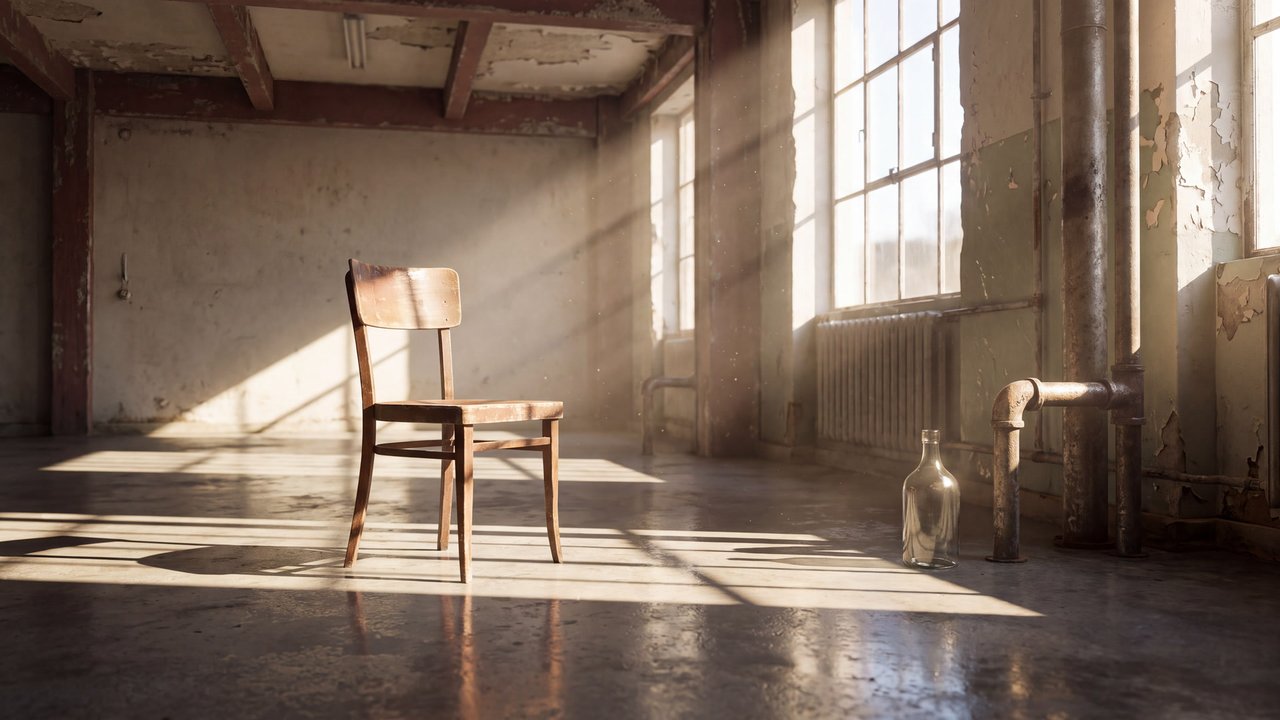
Requests ray-traced calculation of reflection and shadow.
Reflection, transmission, and occlusion-based shadow relations are depicted.
It traces rays through the camera and scene to render light effects including occlusion, reflection, and transmission. It differs from physically based material definition and real-time operation.
It specifies a method for depicting reflective surfaces, transparent objects, and shadow relationships. Subject, composition, and medium remain separately selectable.
Results vary with lights, materials, and sampling settings.
Content updated:
Items linked through explicit membership in the same theme.
Medium-sized dog
Concept
A depth treatment that makes distant forms paler, cooler, and less distinct.
Compare ↗
Medium-sized dog
Concept
A composition that balances off-center elements through visual weight.
Compare ↗
Medium-sized dog
Concept
A composition that places the main subject on the image's central axis for focus and stability.
Compare ↗