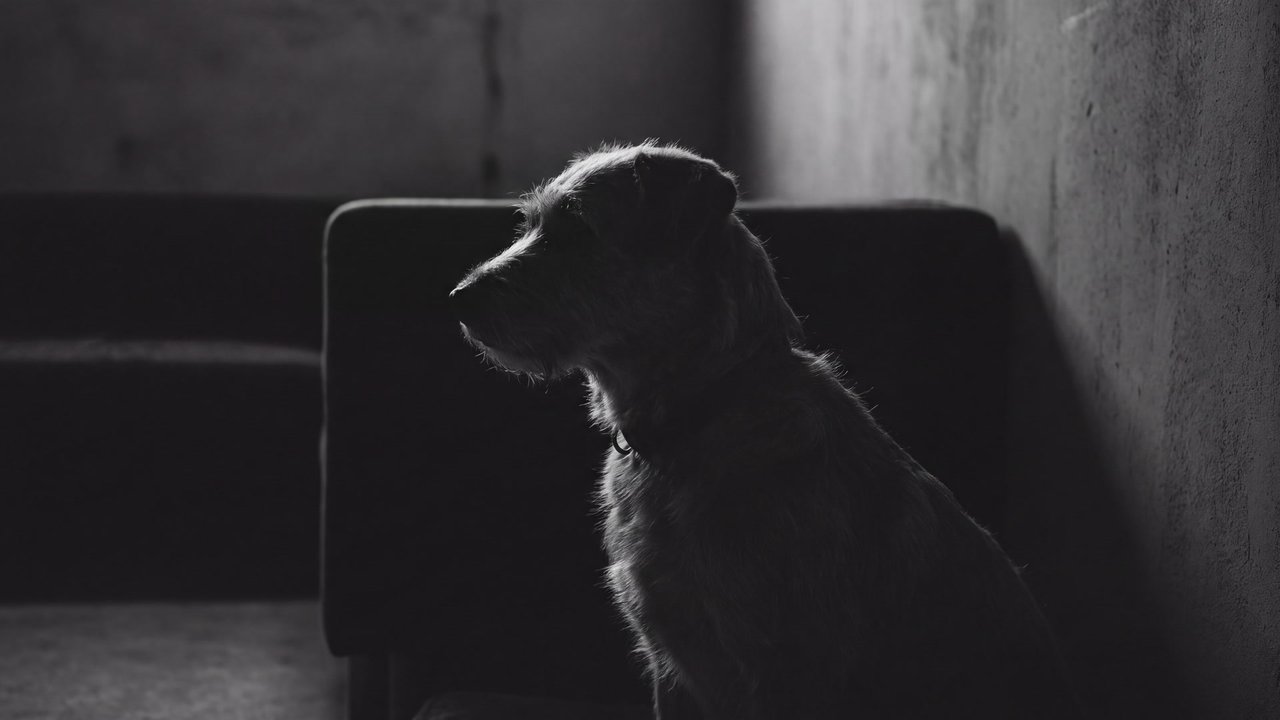

Medium-sized dog
Concept
Aerial perspective
A depth treatment that makes distant forms paler, cooler, and less distinct.
Compare ↗Concept / Low key
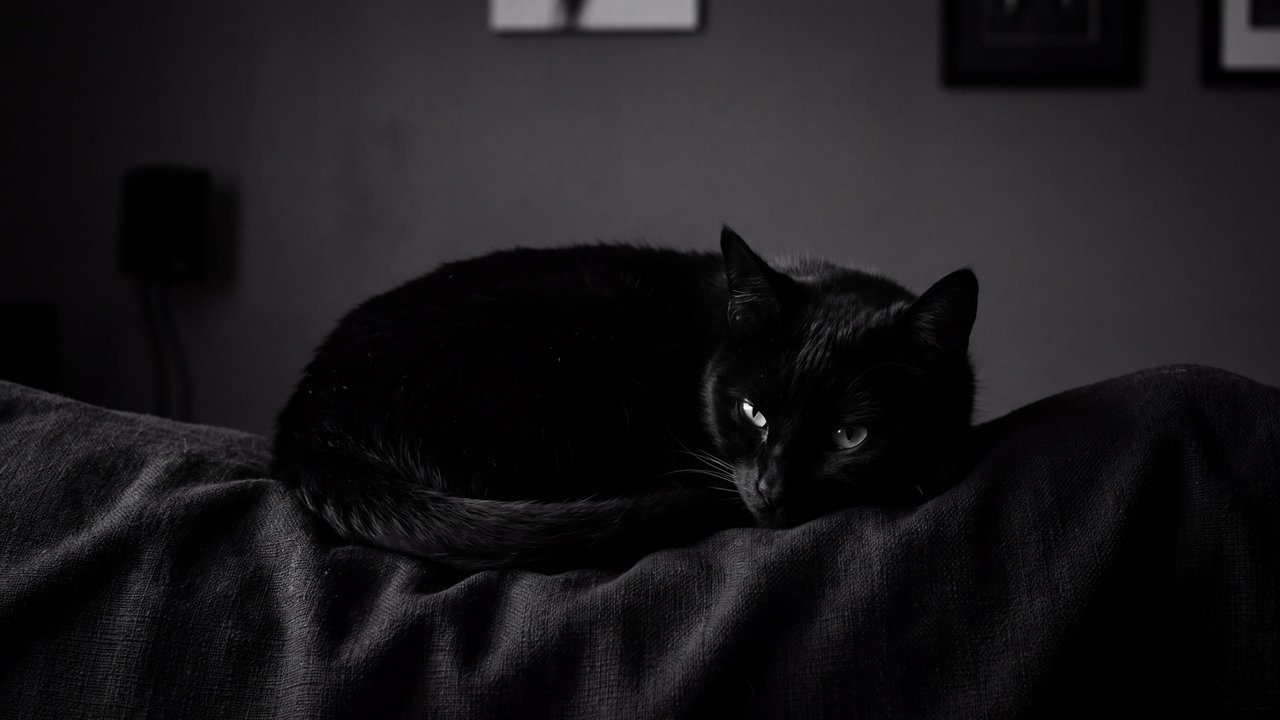
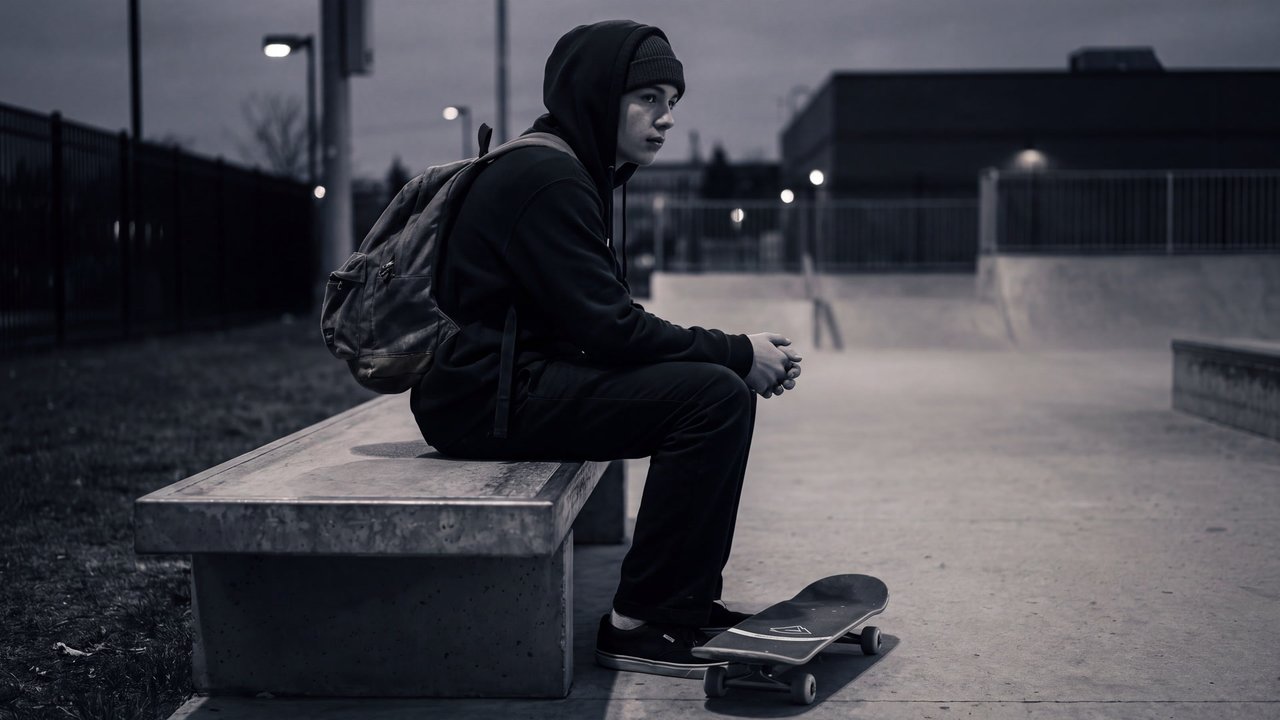
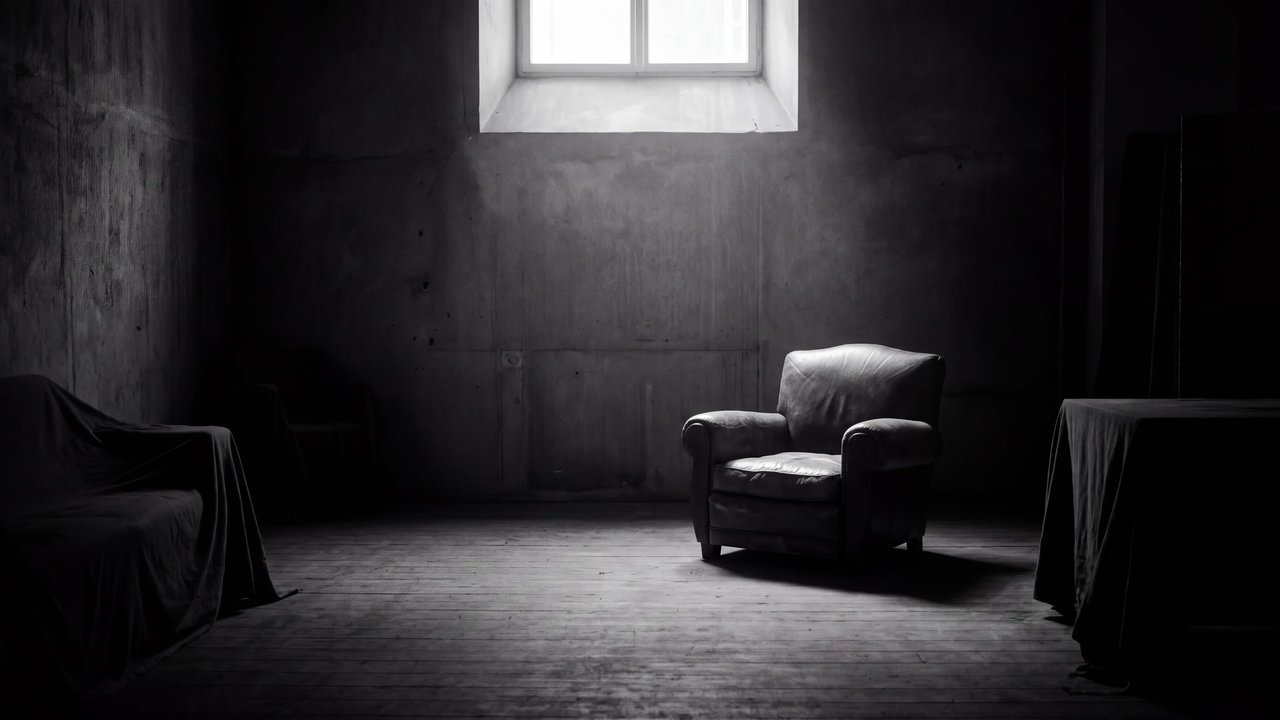
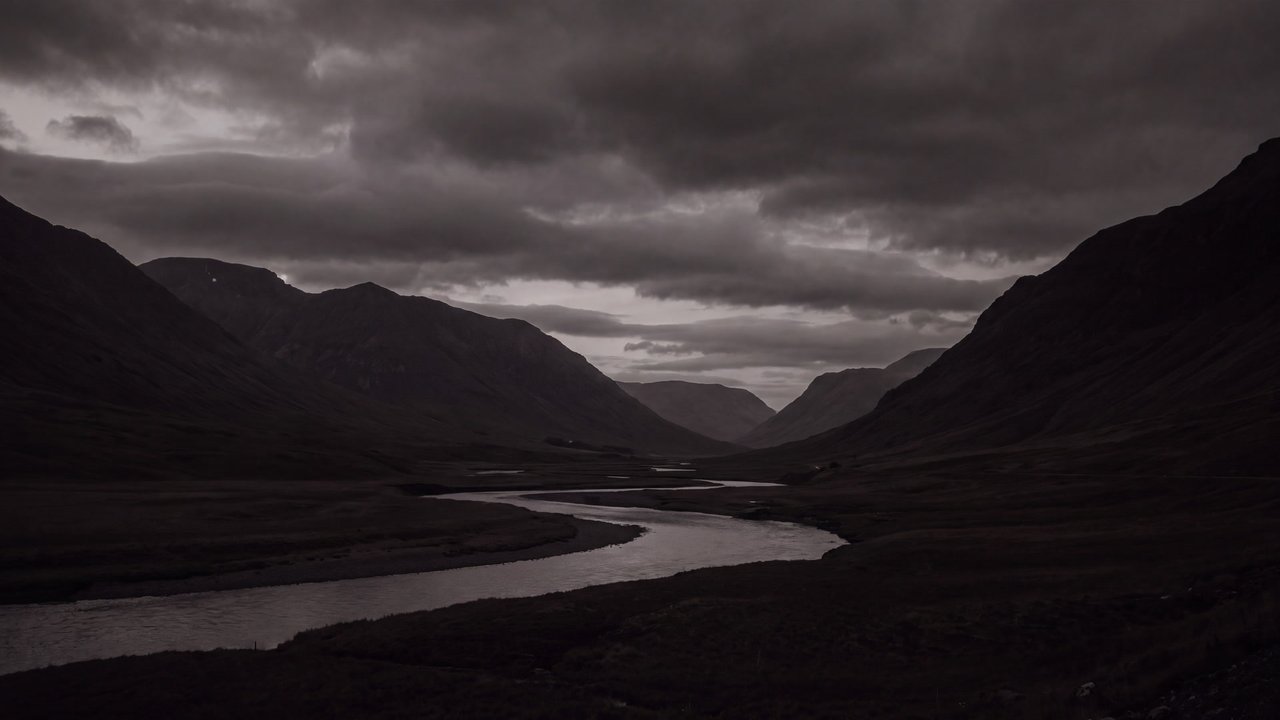
A value design dominated by dark tones and deep shadows
A value design dominated by dark tones and deep shadows.

Medium-sized dog
Both languages share the English example images. Japanese prompts are the recorded translations.
Shifts the image toward dark values and makes light areas limited focal points.
Dark tones extend broadly while light areas appear as limited focal points.
Low key constructs most of an image in dark values and treats light areas as limited focal points. It does not include a night setting, particular light source, exposure setting, or sad emotion.
Small light areas within deep shadow draw form and attention toward restricted bright places. Any hue may be used, and contrast may be strong or gentle. It is distinct from high key, where light values occupy most of the image.
Amount of light area and contrast can be adjusted separately.
Content updated:
Items linked through explicit membership in the same theme.
Medium-sized dog
Concept
A depth treatment that makes distant forms paler, cooler, and less distinct.
Compare ↗
Medium-sized dog
Concept
A composition that balances off-center elements through visual weight.
Compare ↗
Medium-sized dog
Concept
A composition that places the main subject on the image's central axis for focus and stability.
Compare ↗