
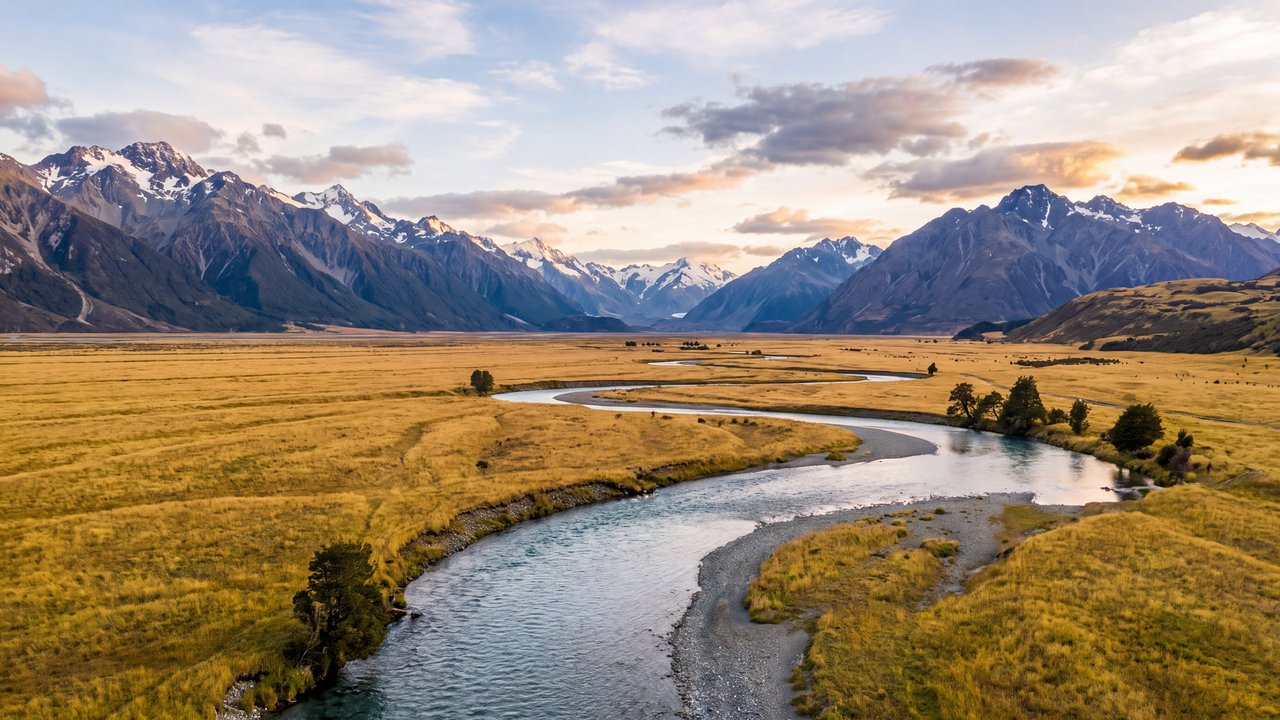

Valley with a river and mountain ranges
Preset
Flat illustration
Presents illustration through planar forms and image space with reduced depth.
Compare ↗Concept / Flat space
Space that suppresses recession and arranges shapes and color planes near the picture plane
Image space that suppresses recession and presents shapes and color fields close to the picture plane.

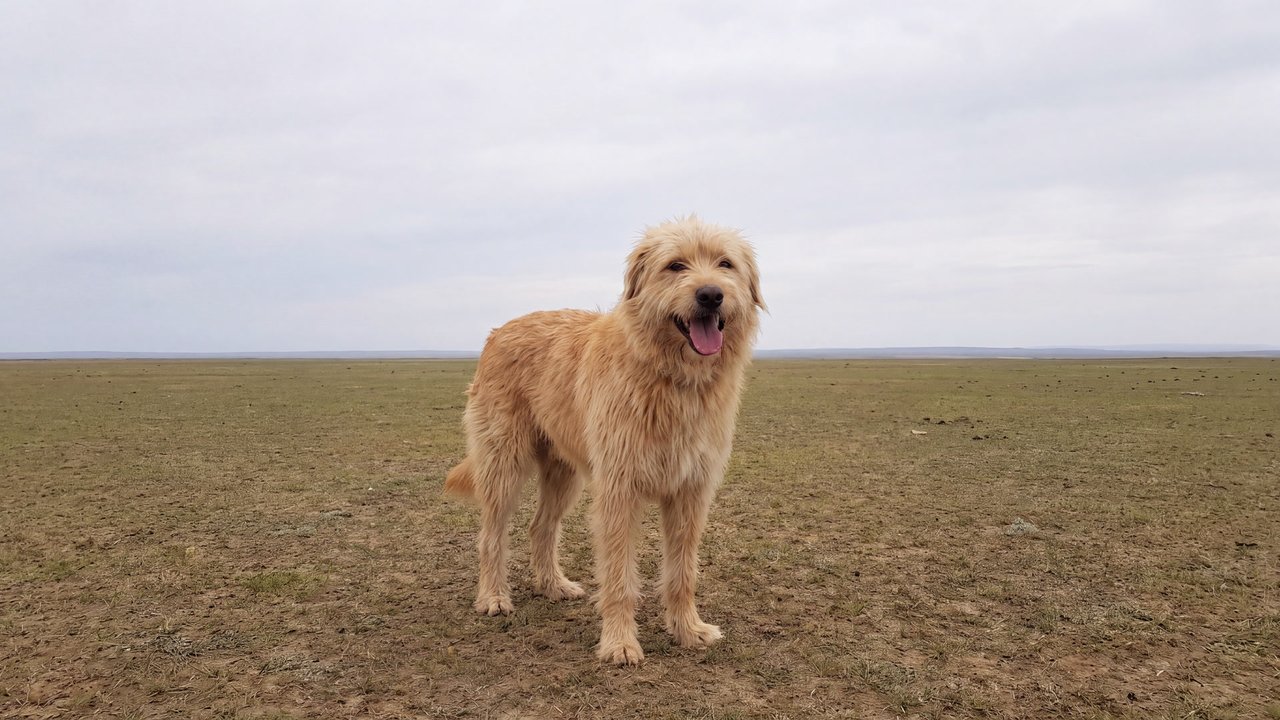
Medium-sized dog
Both languages share the English example images. Japanese prompts are the recorded translations.
Suppress depth separation and layer shapes and color fields near the picture plane.
Image space that suppresses recession and presents shapes and color fields close to the picture plane.
Reduces foreground-background separation and emphasizes overlap and arrangement of planes; it does not mean absent perspective or an unfinished background.
It adjusts placement, spatial depth, or visible extent without choosing the subject or medium. It can be combined with separate composition, viewpoint, lighting, and color directions.
Its strength varies with scale, empty space, and overlap, so specify the subject-setting relationship separately when needed.
Content updated:
Valley with a river and mountain ranges
Preset
Presents illustration through planar forms and image space with reduced depth.
Compare ↗Items linked through explicit membership in the same theme.

Medium-sized dog
Concept
A depth treatment that makes distant forms paler, cooler, and less distinct.
Compare ↗
Medium-sized dog
Concept
A composition that balances off-center elements through visual weight.
Compare ↗
Medium-sized dog
Concept
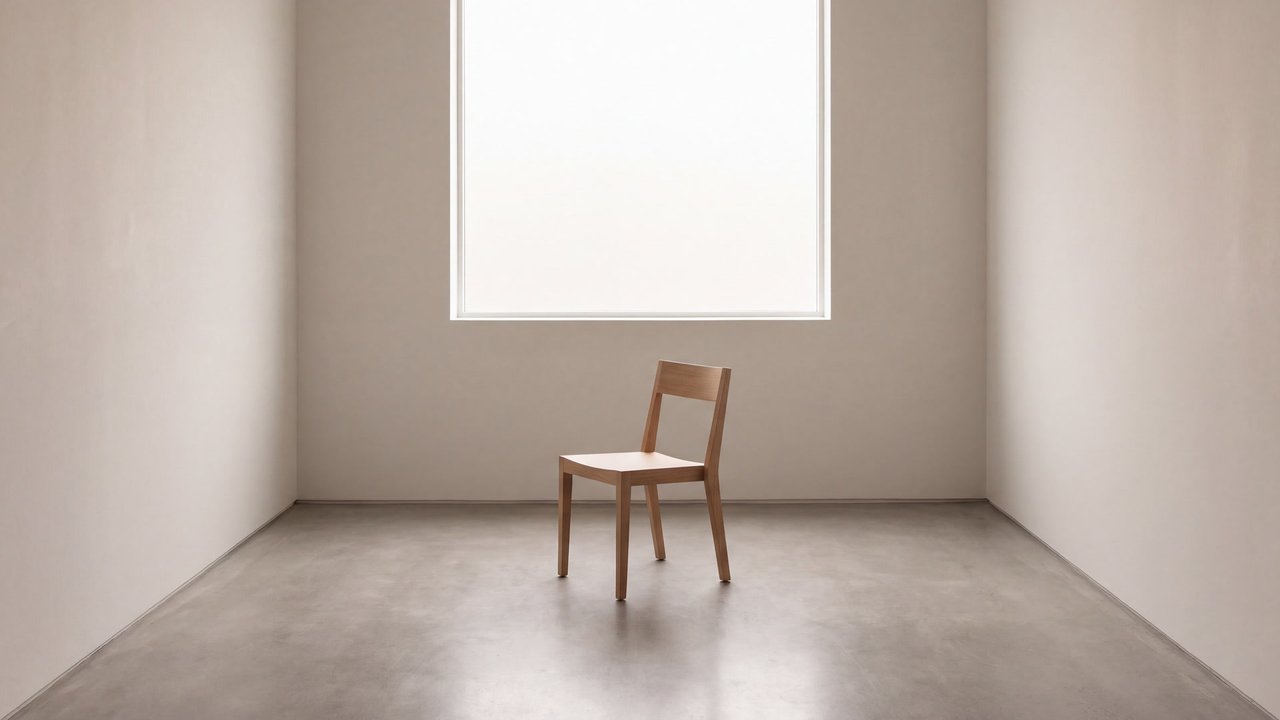
A composition that places the main subject on the image's central axis for focus and stability.
Compare ↗