


Teenage boy
Concept
Film emulation
Postprocessing that recreates film-photo color response and grain.
Compare ↗Concept / Double-exposure composite
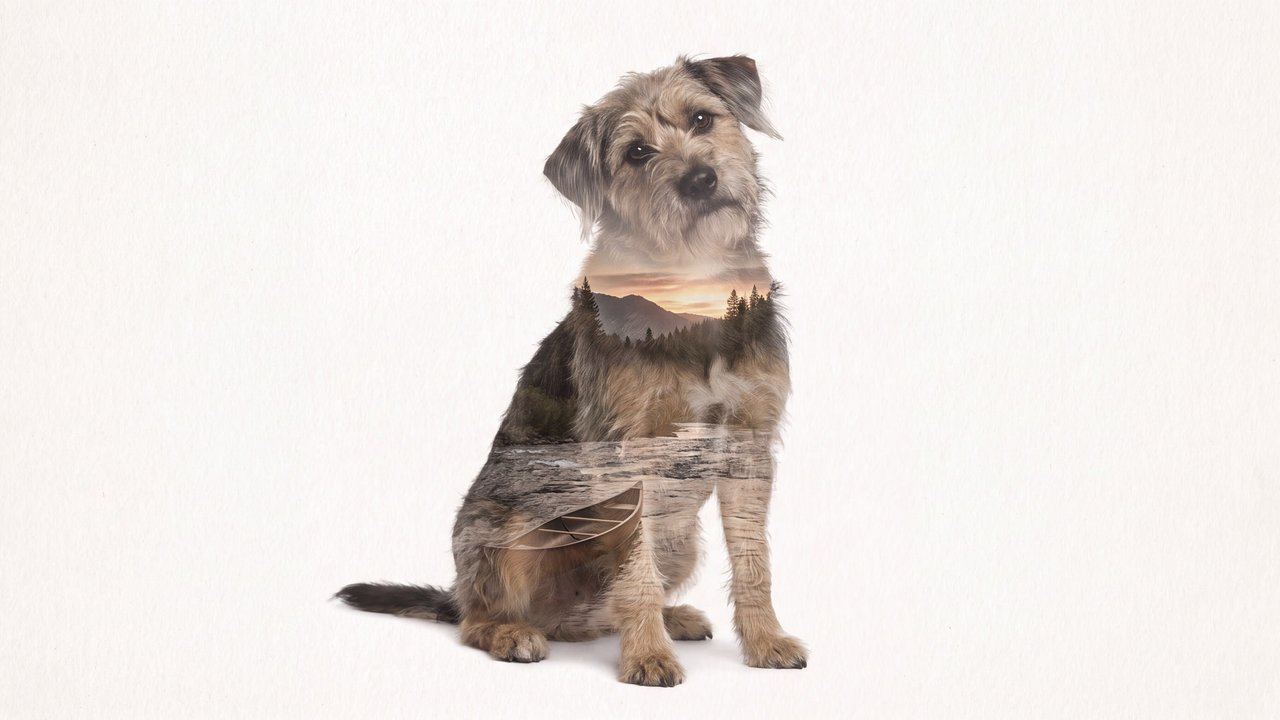
A composite treatment layering two images so contours and tones visibly overlap
A composite treatment layering two images so contours and tones visibly overlap.

Teenage boy
Both languages share the English example images. Japanese prompts are the recorded translations.
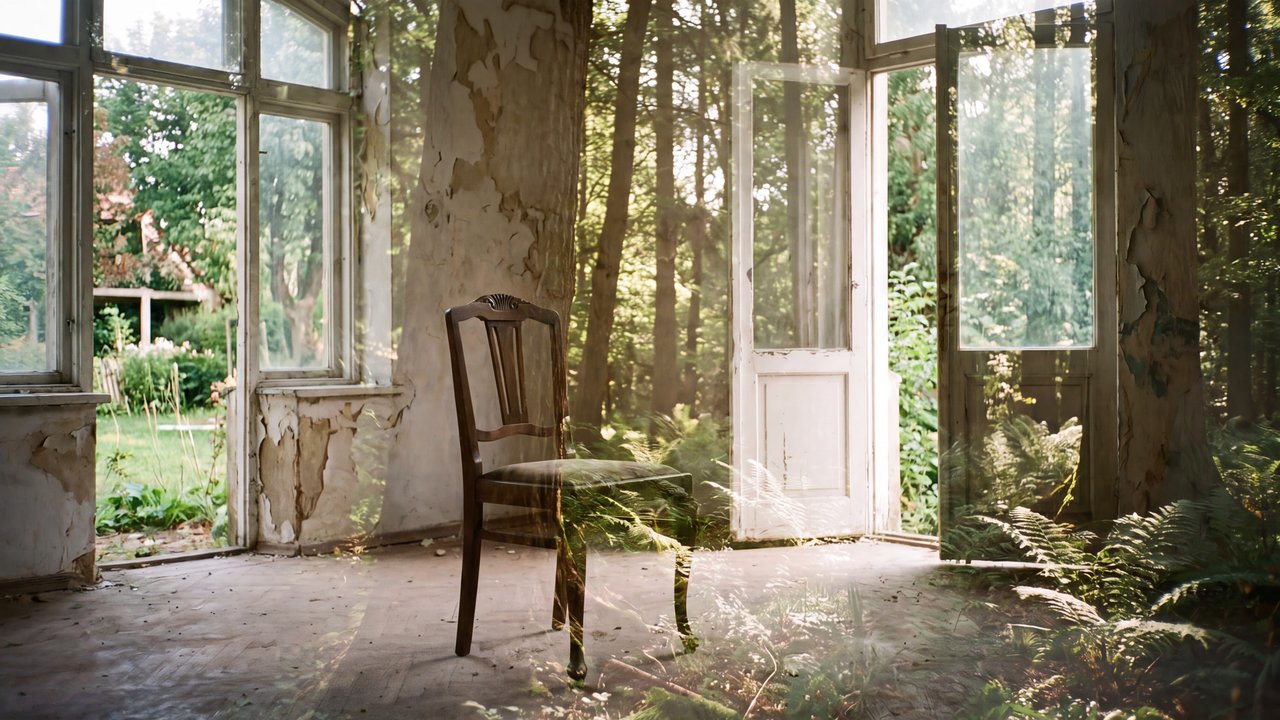
Layers two images transparently so form and tone intersect in the same areas.
Contours, highlights, and shadows from two images overlap transparently in the same areas.
Double-exposure composite layers two images in one frame so contours, highlights, shadows, or textures visibly interpenetrate. It does not determine an actual in-camera multiple exposure, subject meaning, particular photographic equipment, or narrative.
The key is that two elements share form or tone in the same areas rather than appearing fully separate. It is distinct from simple side-by-side placement, whole-image color adjustment, and blur in one image.
Amount of overlap, transparency, and relative placement can be adjusted while both elements remain legible.
Content updated:
Items linked through explicit membership in the same theme.
Teenage boy
Concept
Postprocessing that recreates film-photo color response and grain.
Compare ↗

Teenage boy
Concept
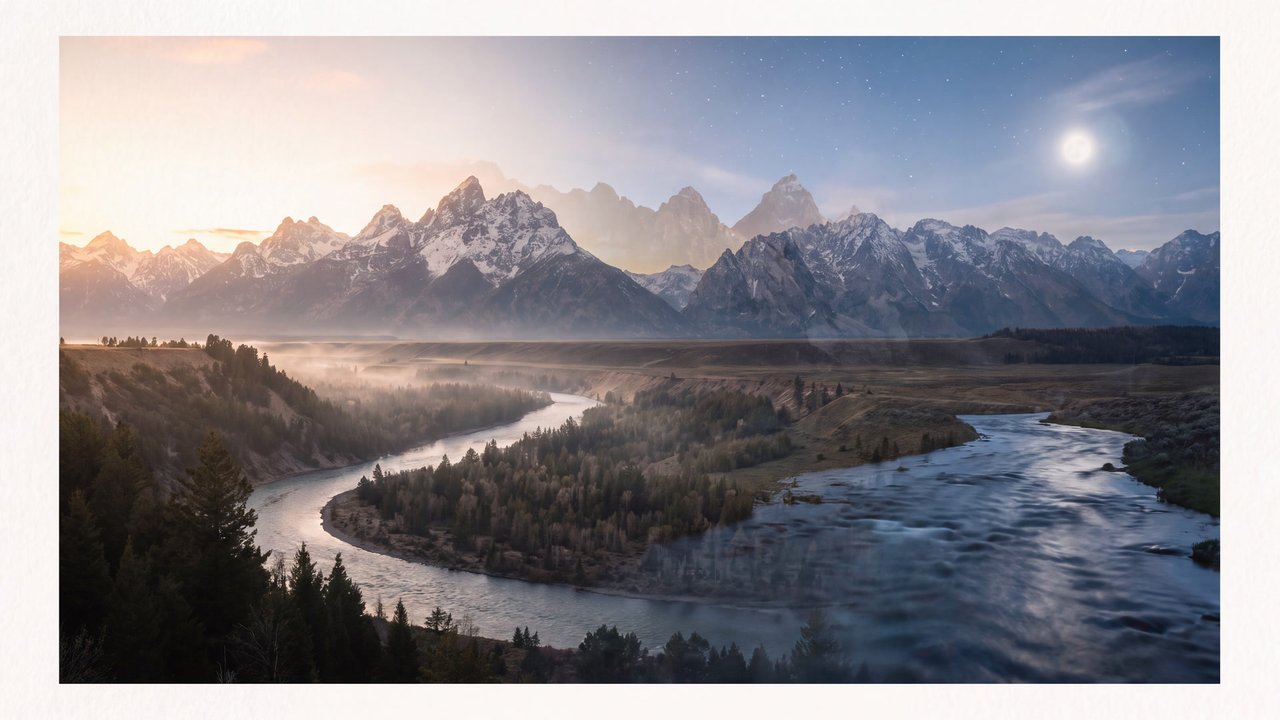
Postprocessing that maps HDR brightness into a displayable range.
Compare ↗