
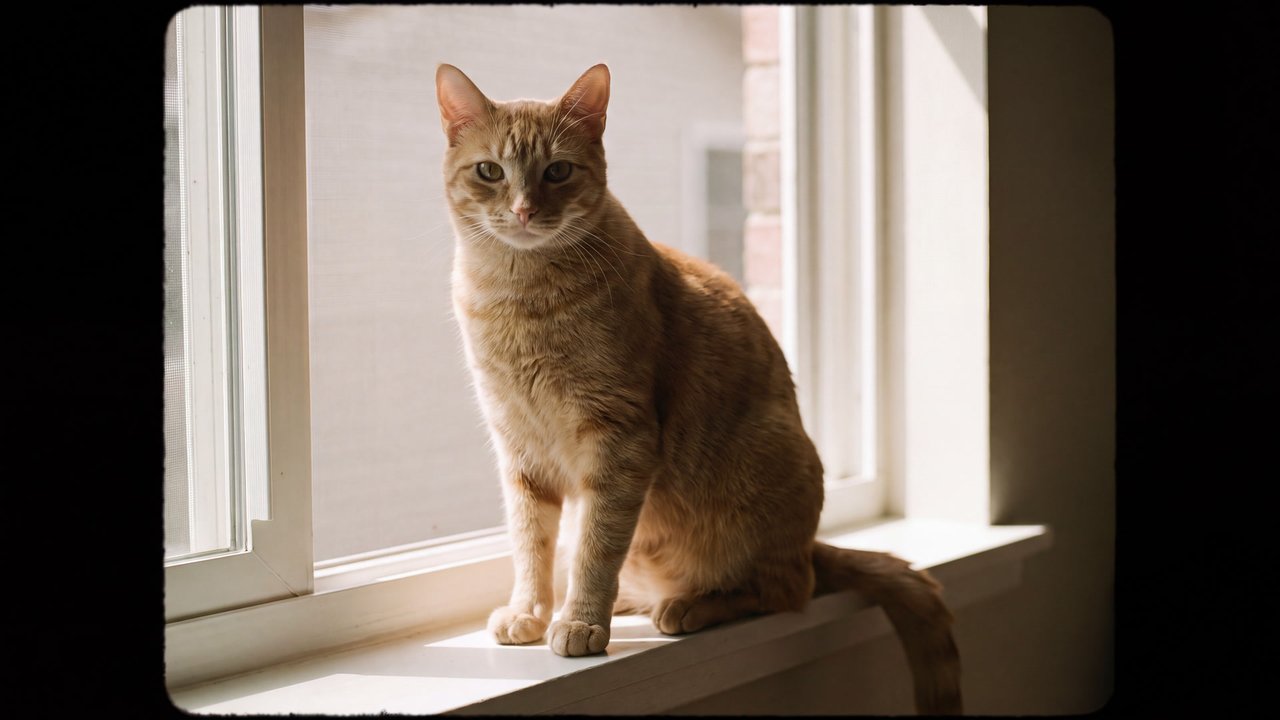

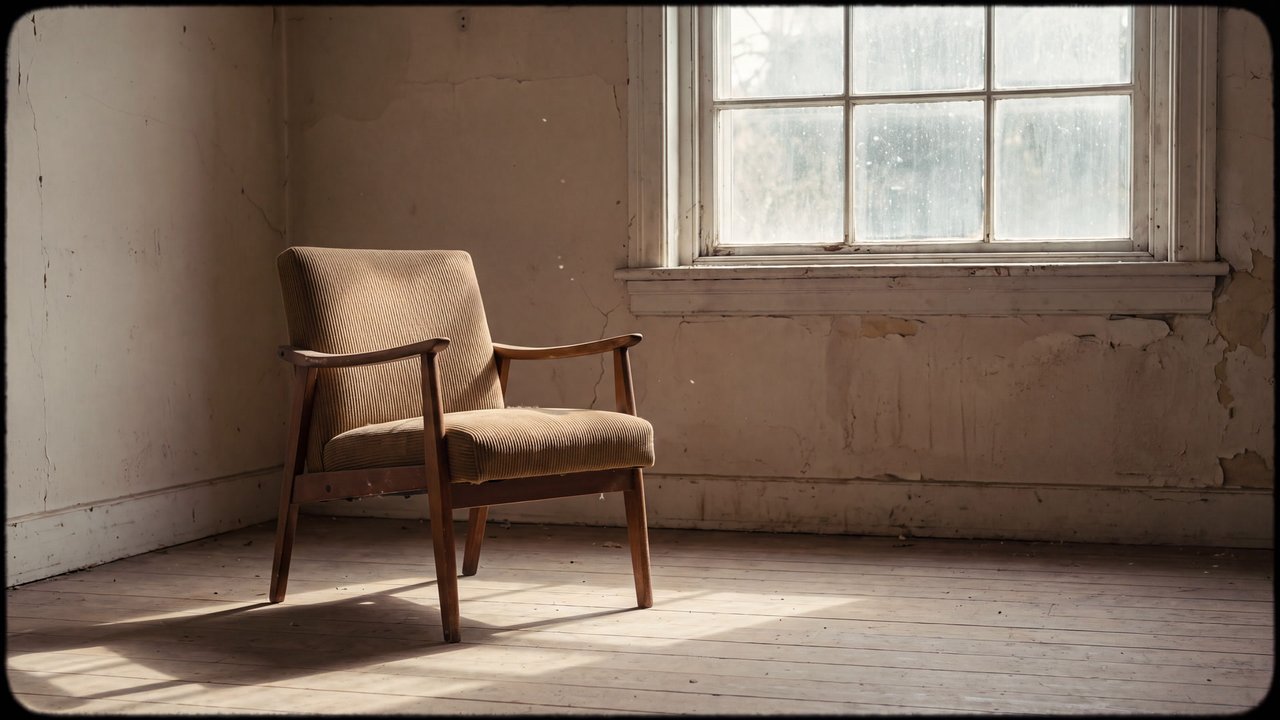


Teenage boy
Concept
Film emulation
Postprocessing that recreates film-photo color response and grain.
Compare ↗Concept / Analog film color response
Color and tonal tendencies associated with analog photographic film
Color and tonal tendencies associated with analog photographic film.

Teenage boy
Both languages share the English example images. Japanese prompts are the recorded translations.
Directs the image toward color and tonal tendencies associated with analog photographic film.
Color transitions and tonal range suggest chemical film recording.
Analog film color response is color and tonal tendencies associated with analog photographic film. Color transitions and tonal range suggest chemical film recording. It does not determine a particular film stock, post-processing, or a physical camera component.
It changes the appearance of image color, tone, or texture. It is distinct from artificial post-processing and from depicting equipment itself.
Effect strength and color bias can be adjusted separately.
Content updated:
Items linked through explicit membership in the same theme.
Teenage boy
Concept
Postprocessing that recreates film-photo color response and grain.
Compare ↗

Teenage boy
Concept
Postprocessing that maps HDR brightness into a displayable range.
Compare ↗