


Angry person in a quiet room
Concept
Angry expression
A facial expression in which anger is legible through tension in the brows, eyes, or mouth.
Compare ↗Concept / Working
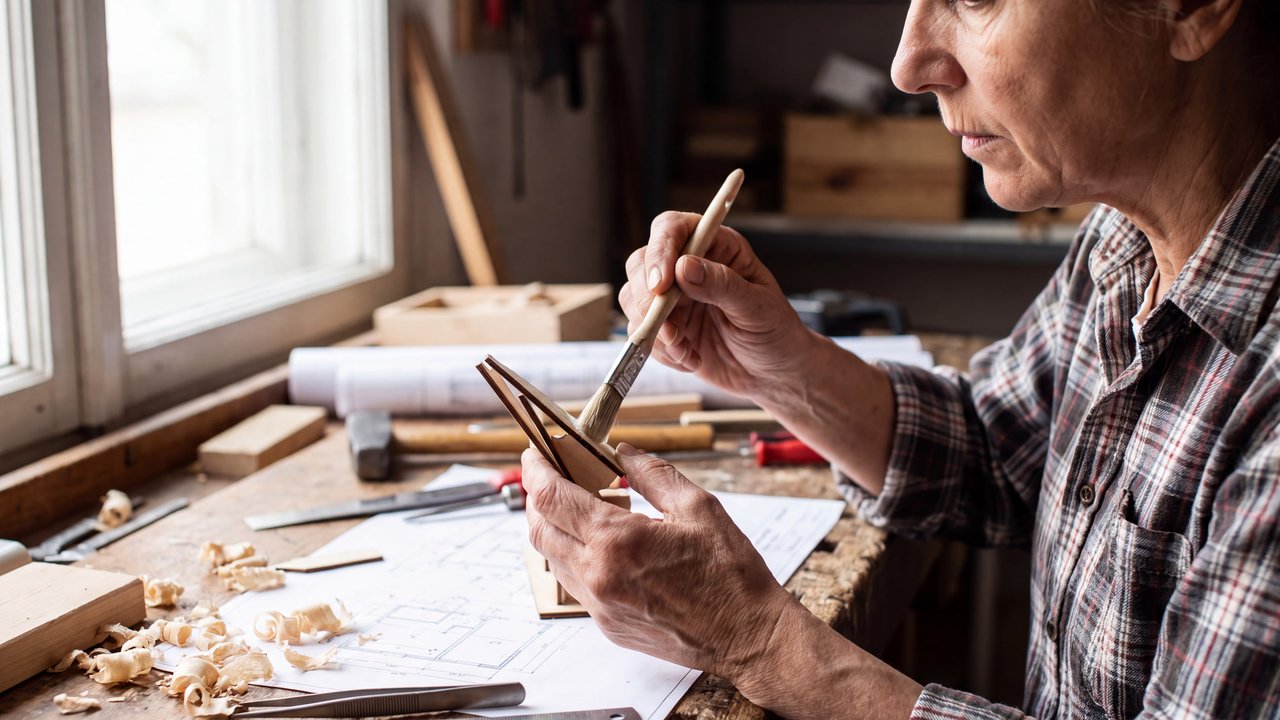
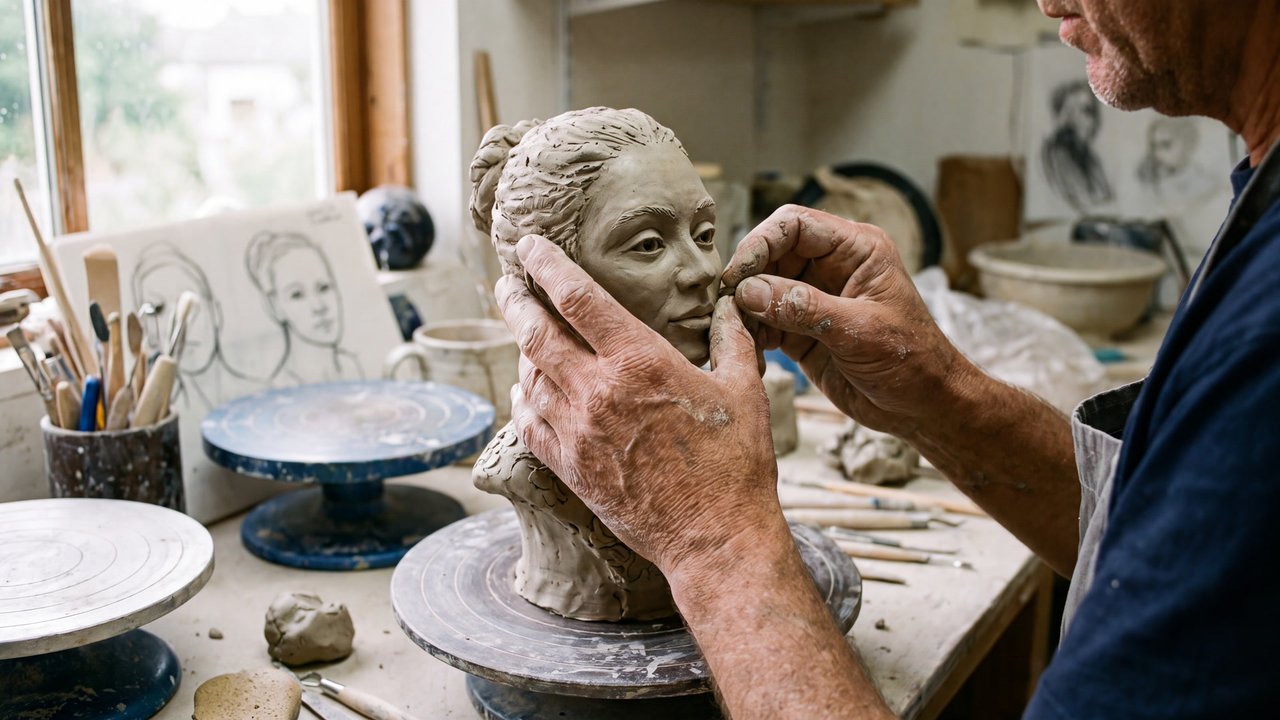
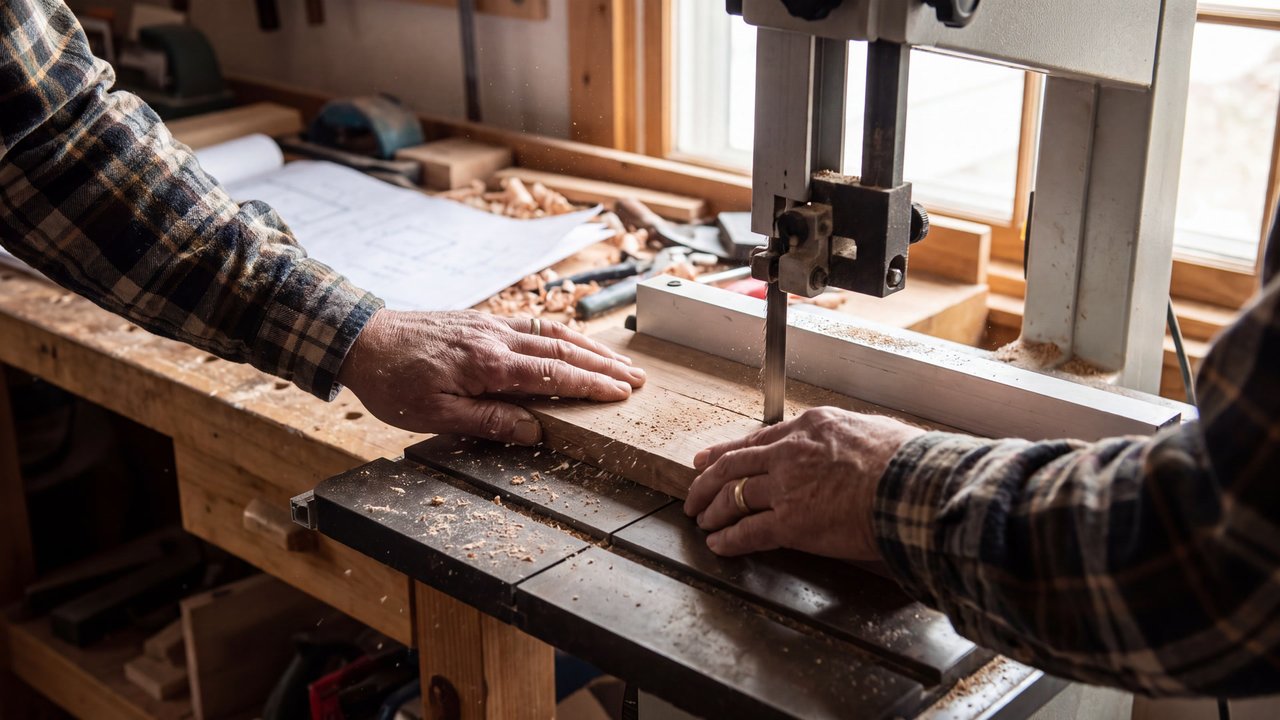
A human action of carrying out an ongoing task with attention on tools or materials
An action of carrying out a task with attention on tools or materials.

Person working in a quiet room
An unoccupied room cannot show work, so it is replaced with a person.
Both languages share the English example images. Japanese prompts are the recorded translations.
Shows an ongoing task using hands or tools.
Ongoing work is readable through attention to hands, tools, and materials.
To show a human task, it is replaced with an adult.
adult working on a task, hands visible
To show a human task, it is replaced with a person.
person working on a task, hands visible
To avoid fixing age, it is replaced with an adult.
adult working on a task, hands visible
An unoccupied room cannot show work, so it is replaced with a person.
person working in a quiet room, hands visible
A subject-free landscape cannot show work, so it is replaced with a person.
person working outdoors, hands visible
Working is a human action of carrying out some task while attending to hands, tools, or materials. It does not determine occupation, status, expertise, pay, place, or task type.
The relation of hands, tools, and materials makes an ongoing task readable. Particular job, uniform, output, and social role are separate choices.
Tool, material, and pose can be adjusted separately. Do not infer a social role.
Content updated:
Items linked through explicit membership in the same theme.
Angry person in a quiet room
Concept
A facial expression in which anger is legible through tension in the brows, eyes, or mouth.
Compare ↗
Arms-crossed person in a quiet room
Concept
A static bodily stance with both arms crossed before the chest.
Compare ↗
Person looking aside in a quiet room
Concept
A gaze directed away to the side rather than toward the frontal focus.
Compare ↗