
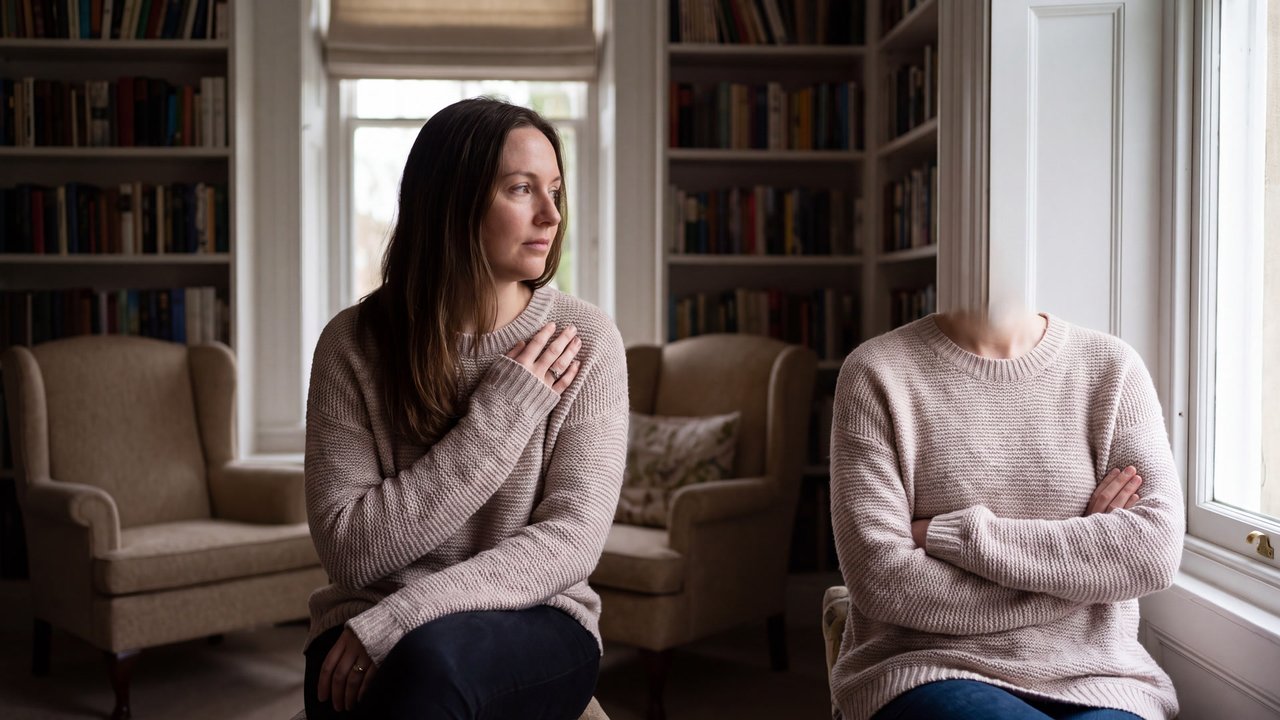


Angry person in a quiet room
Concept
Angry expression
A facial expression in which anger is legible through tension in the brows, eyes, or mouth.
Compare ↗Concept / Arms-crossed pose
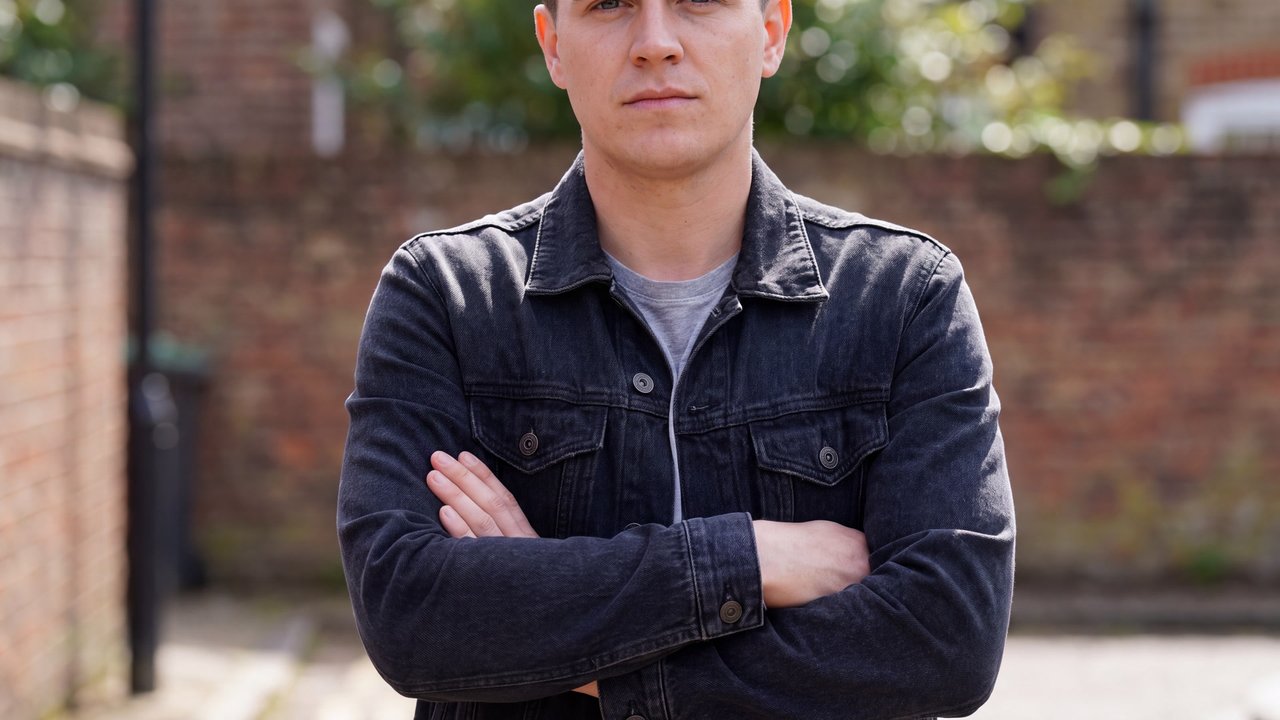
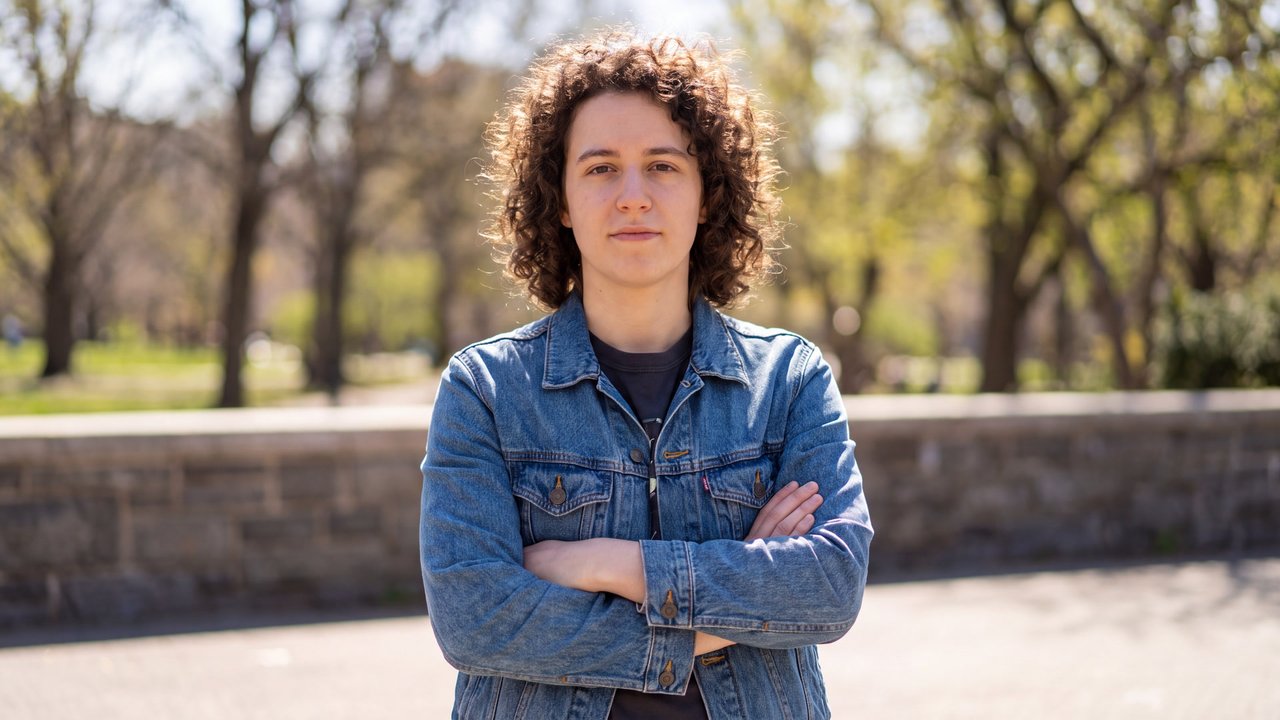
A bodily stance with both arms crossed before the chest
A static bodily stance with both arms crossed before the chest.

Arms-crossed person in a quiet room
An unoccupied interior cannot show crossed arms, so a person is introduced.
Both languages share the English example images. Japanese prompts are the recorded translations.
Produces a pose with both arms crossed before the chest.
Crossed forearms make a clear horizontal shape across the upper body.
A dog's forelegs cannot form a human arms-crossed stance, so it is replaced with a human upper body.
an adult with arms crossed before the chest, upper body visible
A cat's forelegs cannot form a human arms-crossed stance, so it is replaced with a person.
a person with arms crossed before the chest, upper body visible
The fixed boy motif conflicts with the required body arrangement, so it is replaced with a young person whose crossed arms are legible.
a young person with arms crossed before the chest, upper body visible
An unoccupied interior cannot show crossed arms, so a person is introduced.
one person with arms crossed before the chest in a quiet room
A landscape without a person cannot show crossed arms, so it is replaced with a person.
one person with arms crossed before the chest against a natural setting
An arms-crossed pose holds both arms crossed before the chest or torso. It covers the temporary bodily arrangement only; it does not determine expression, emotion, occupation, or attitude toward another person.
Showing the shoulders through hands makes the crossing legible. It can combine with standing, sitting, or leaning, without prescribing any of them. It is distinct from simply placing hands at the chest, reaching forward, or holding an object.
Hand position and arm height can vary. Keep enough of the upper body visible to avoid hiding the arms.
Content updated:
Items linked through explicit membership in the same theme.
Angry person in a quiet room
Concept
A facial expression in which anger is legible through tension in the brows, eyes, or mouth.
Compare ↗
Person looking aside in a quiet room
Concept
A gaze directed away to the side rather than toward the frontal focus.
Compare ↗
Person looking at camera in a quiet room
Concept
A gaze directed by the subject toward the camera and viewer.
Compare ↗