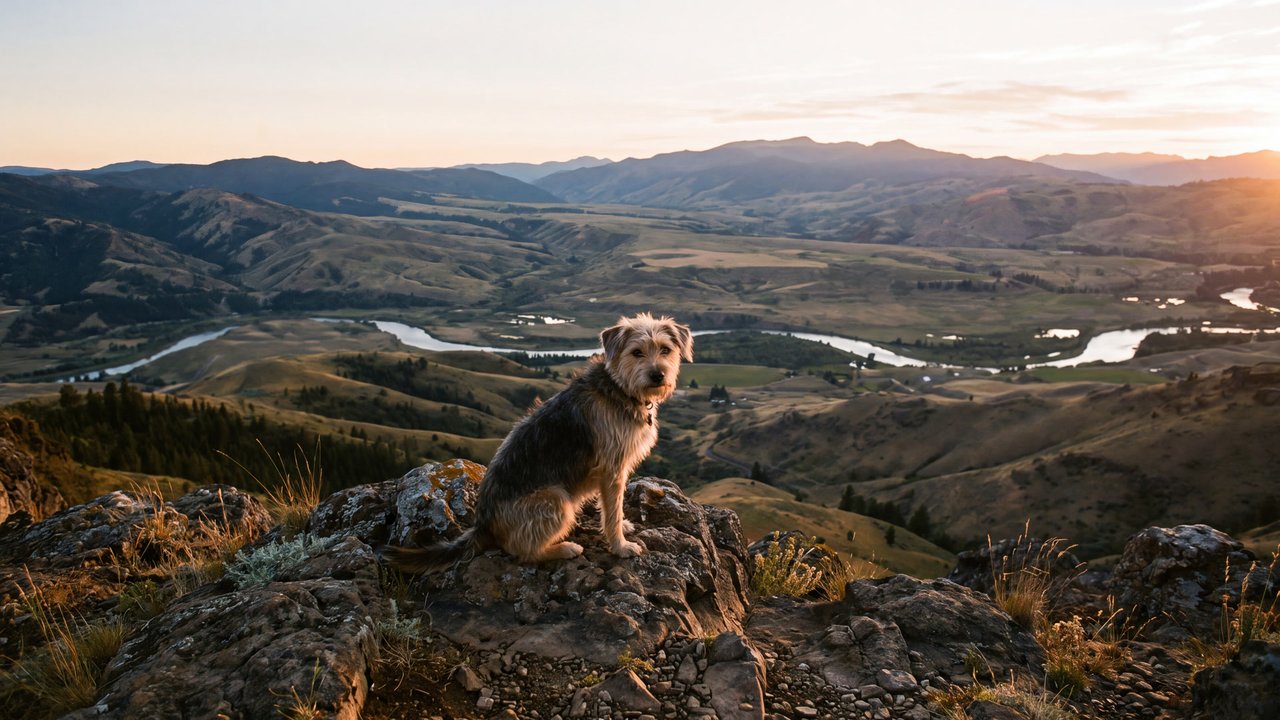
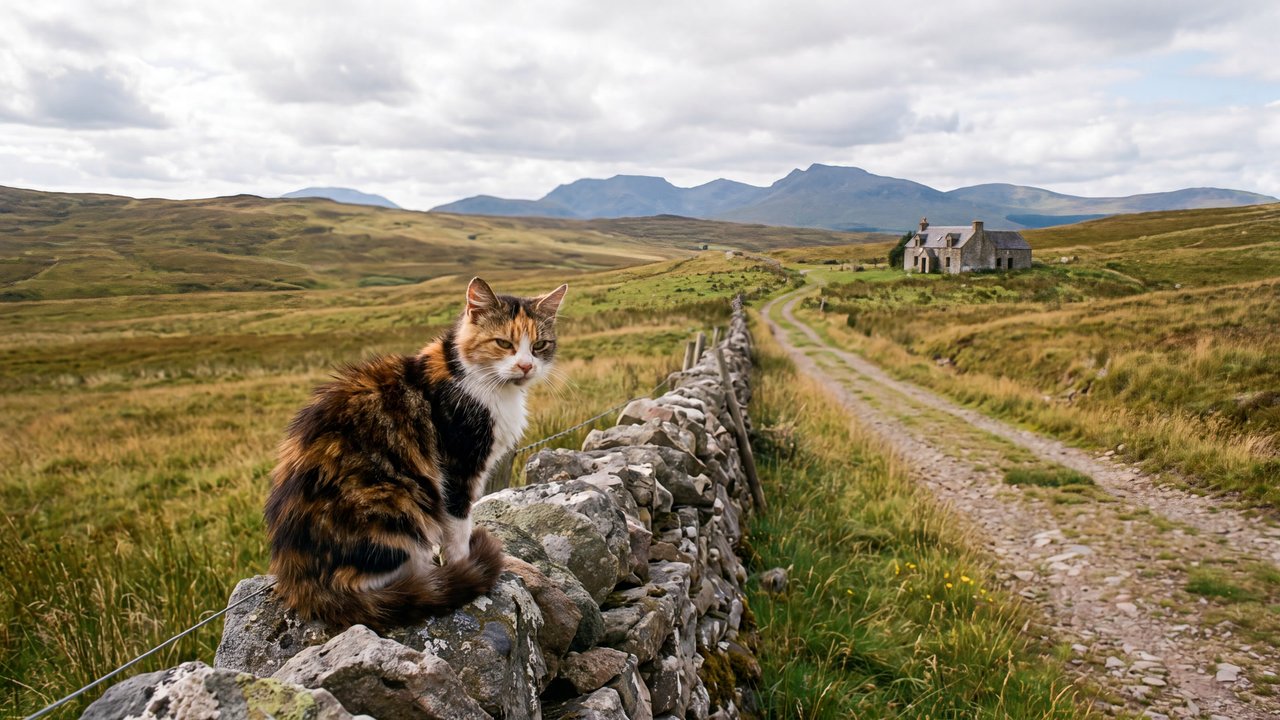
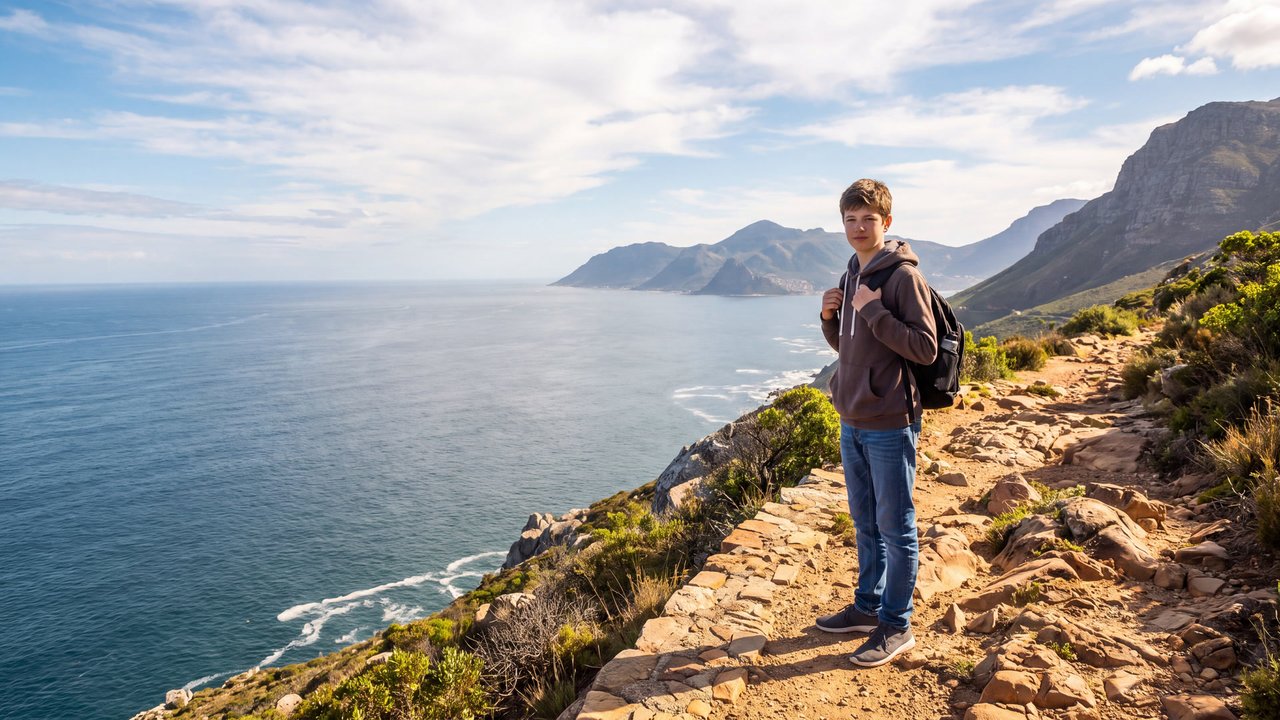

Medium-sized dog
Concept
Aerial perspective
A depth treatment that makes distant forms paler, cooler, and less distinct.
Compare ↗Concept / Wide shot
A shot size that includes the whole subject and a broad surrounding environment so their spatial relationship is readable.
A shot size that includes the whole subject and a broad surrounding environment so their spatial relationship is readable.

Medium-sized dog
Both languages share the English example images. Japanese prompts are the recorded translations.
Directs the image toward a wide shot that includes the whole subject and broad surrounding environment.
The subject is placed within a broad surrounding environment, making their spatial relationship visible.
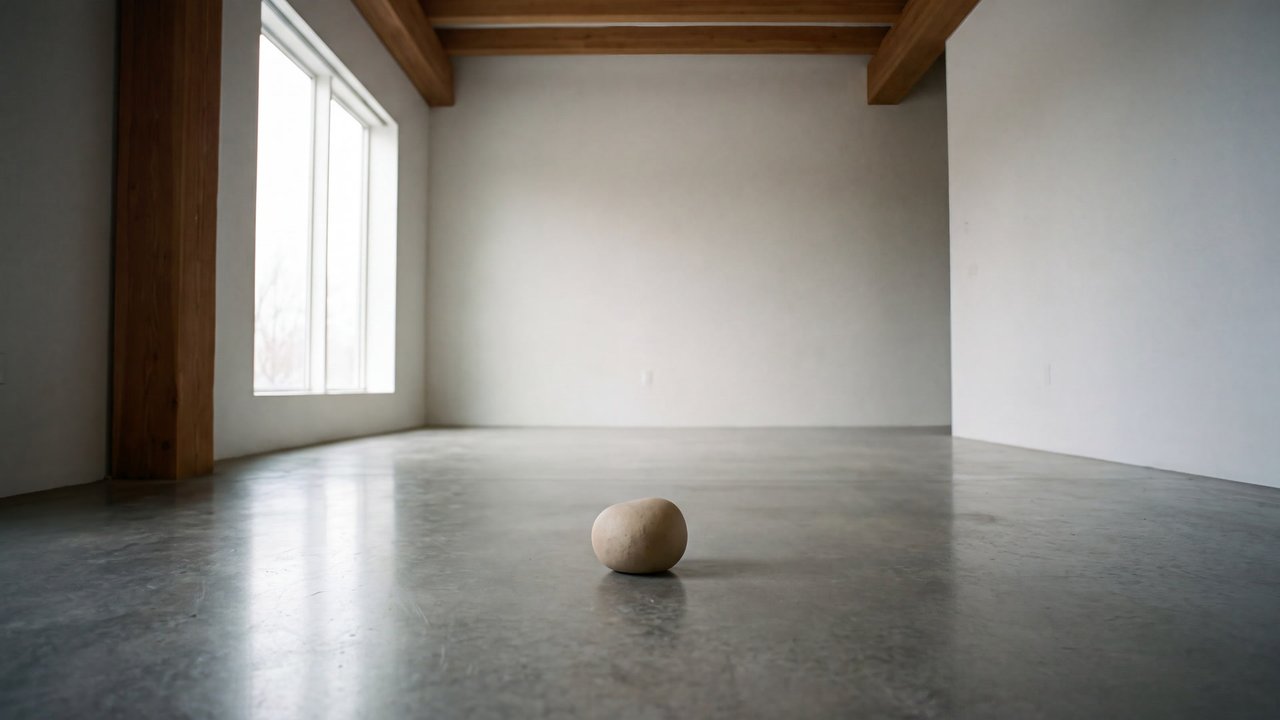
An unoccupied quiet room has no subject whose whole form and surroundings can be shown together, so it is replaced with a small neutral object in a room that does not pre-stage wide framing.
a small plain object in a spacious quiet room with no specified frame extent or shot size
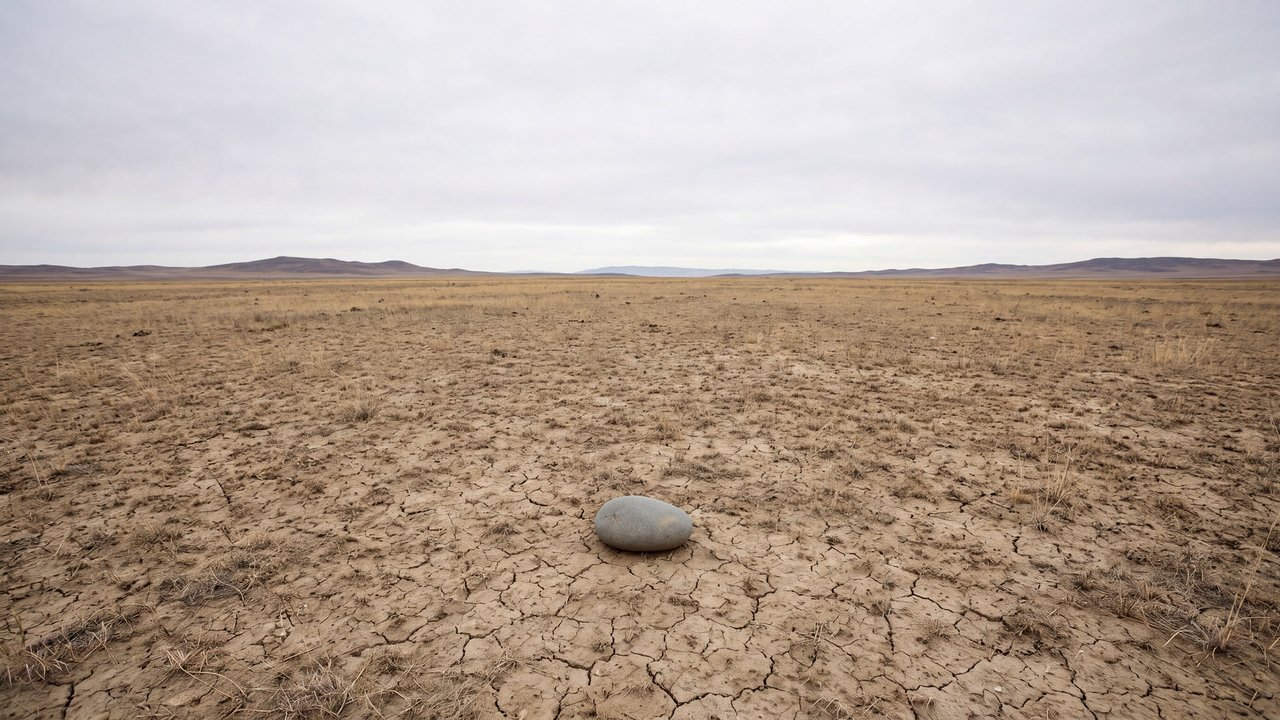
A landscape alone has no distinct subject whose whole form and surroundings can be shown together, so it is replaced with a small neutral object in a landscape that does not pre-stage wide framing.
a small plain object on level ground in an open landscape with no specified frame extent or shot size
A wide shot includes the whole subject and a broad surrounding environment so their spatial relationship is readable. It does not determine focal length, aspect ratio, camera height, perspective, subject type, or narrative importance.
It keeps the subject large enough to read within the setting while showing a broad expanse around it. It is distinct from close framing, a full shot that contains only the subject, and an image centered only on distant scenery.
Subject count, environmental extent, and the subject's size in the frame can be adjusted separately.
Content updated:
Items linked through explicit membership in the same theme.
Medium-sized dog
Concept
A depth treatment that makes distant forms paler, cooler, and less distinct.
Compare ↗
Medium-sized dog
Concept
A composition that balances off-center elements through visual weight.
Compare ↗
Medium-sized dog
Concept
A composition that places the main subject on the image's central axis for focus and stability.
Compare ↗