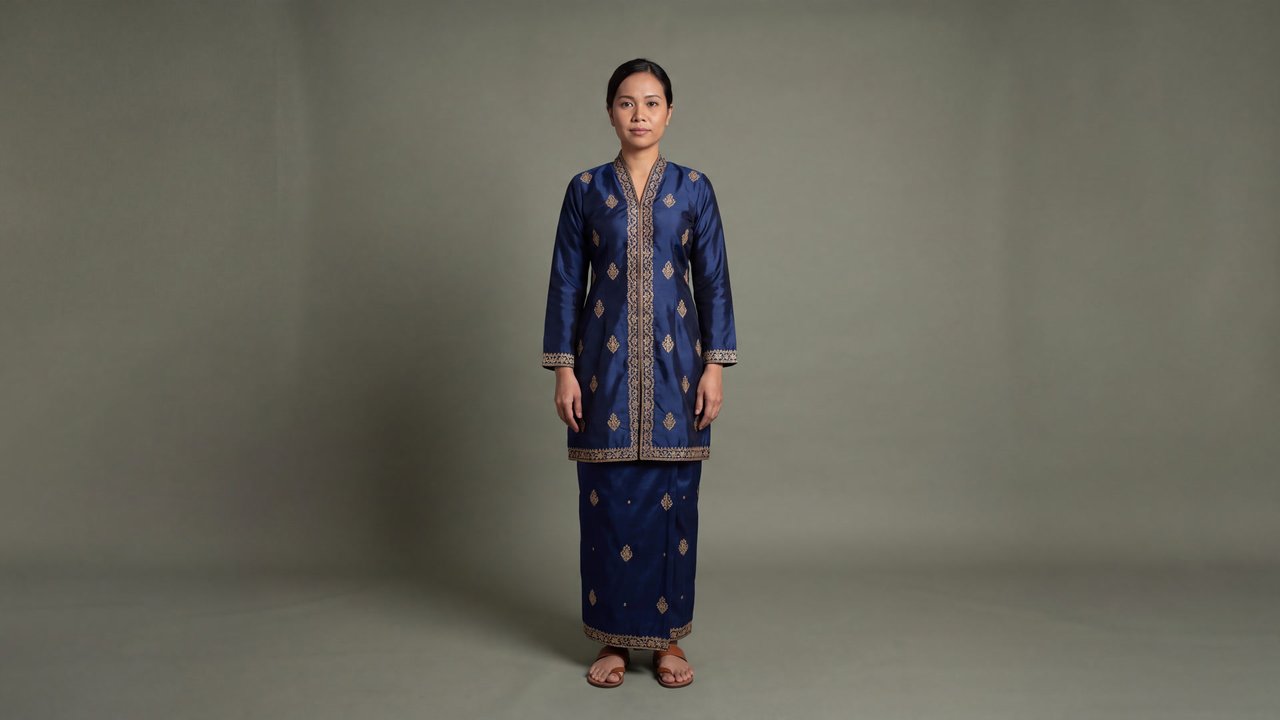
Concept / Traditional dress
Traditional dress
Clothing and transmission practices tied to place, community, period, and occasion
Clothing and transmission practices tied to place, community, period, and occasion.

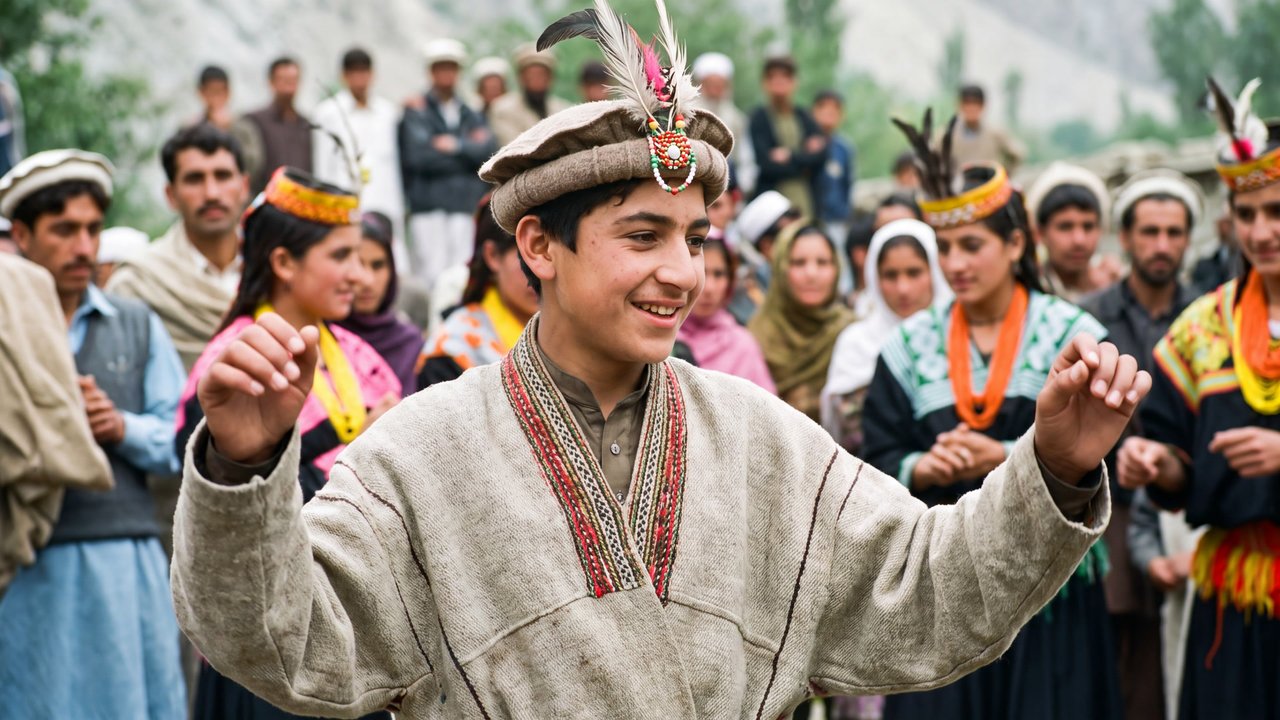
Teenage boy
Both languages share the English example images. Japanese prompts are the recorded translations.
A phrase to start with
Separately specifies verified garments and wearing context without adding one ethnic style.
Appearance and effects
It handles verified garments and wearing contexts without inferring the wearer's identity.
Visual traits
- worn clothing form
- making and wearing that vary by place community and occasion
Expected changes
- when a verified garment name and wearing context are added
- the garment is more likely to read as worn clothing
Five examples
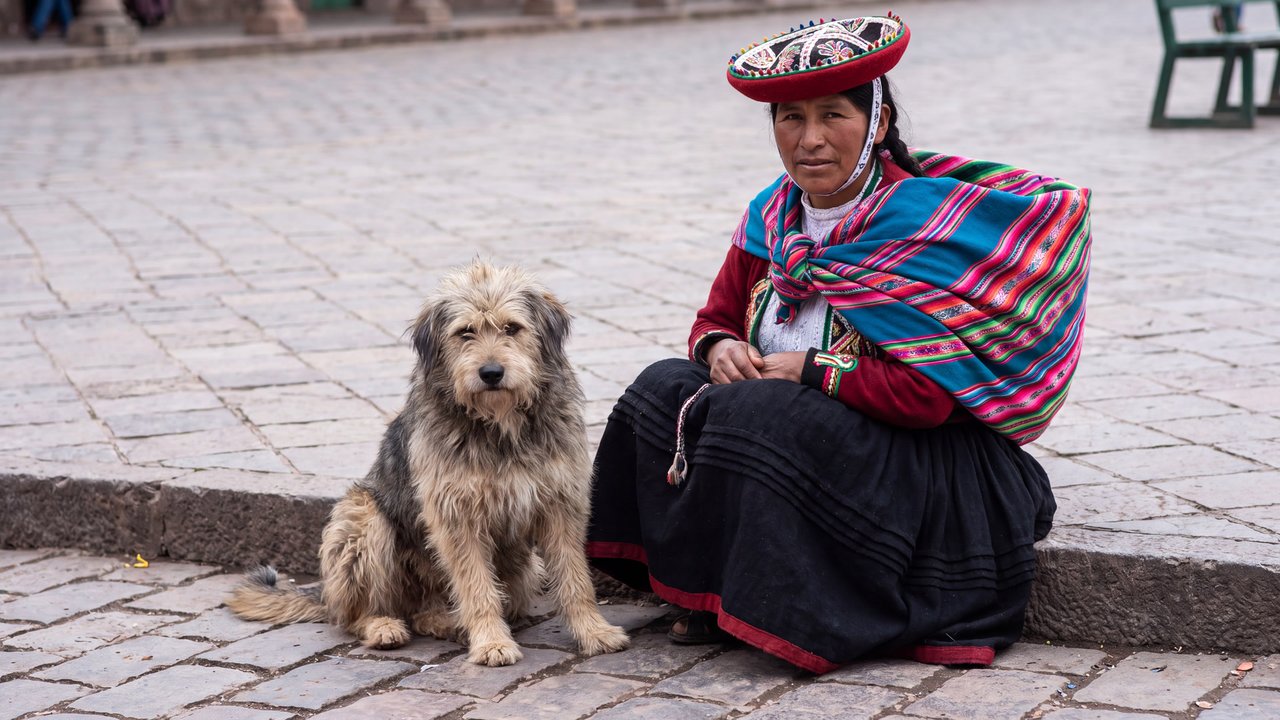
1 — Medium-sized dog
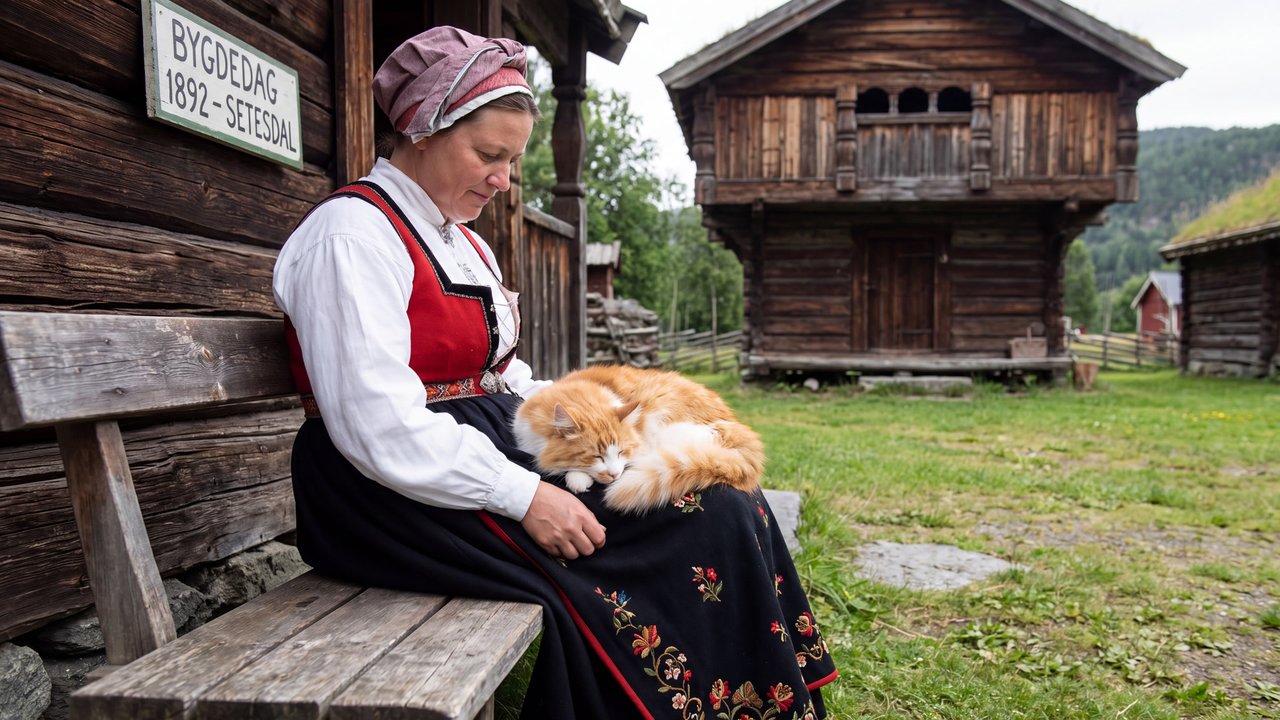
Open image ↗2 — Cat
Open image ↗3 — Teenage boy
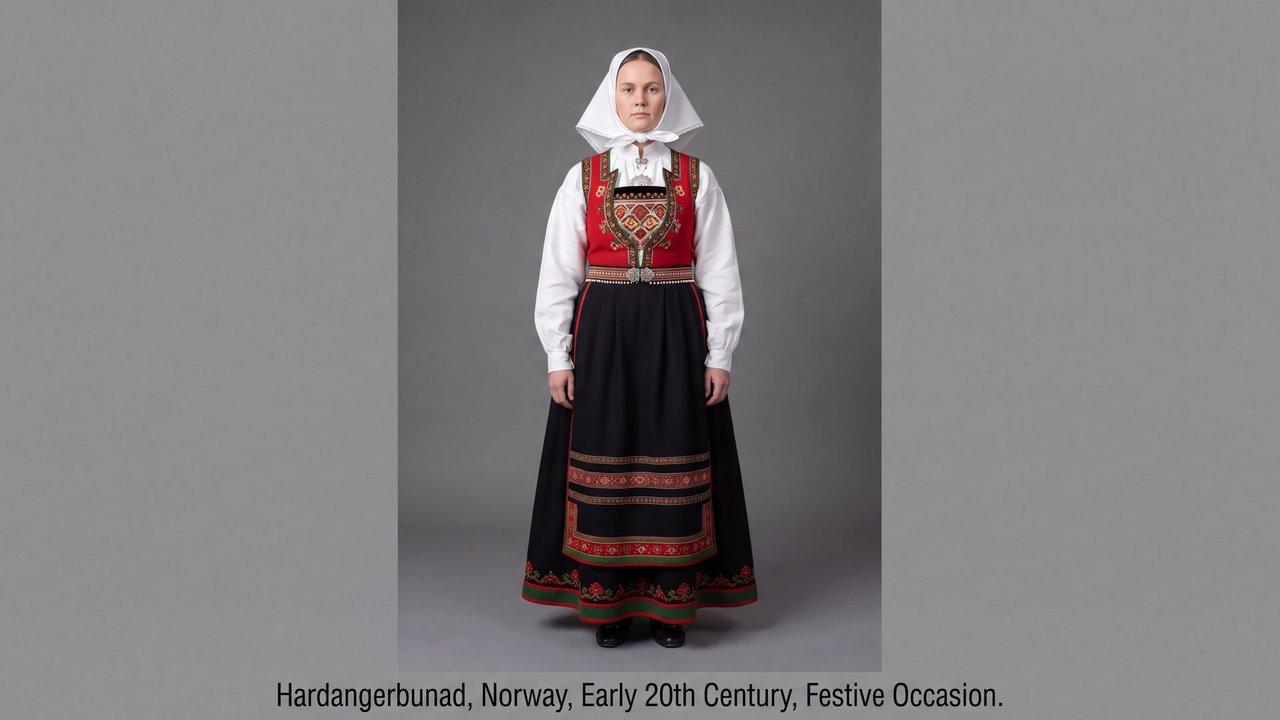
Open image ↗4 — A neutral wearer against a plain background
The standard quiet interior has no wearer, so it is replaced with a neutral person who can receive clothing without pre-staging any garment.
One neutral person standing against a plain background with no indicated place, community, religious tradition, ritual, role, or garment.
- One neutral person with no indicated identity or role.
- A plain background.
5 — A neutral wearer against a plain background
The standard landscape has no wearer, so it is replaced with a neutral person who can receive clothing without pre-staging any garment.
One neutral person standing against a plain background with no indicated place, community, religious tradition, ritual, role, or garment.
- One neutral person with no indicated identity or role.
- A plain background.
Meaning and scope
Definition
Traditional dress is a broad expression for clothing and its making and transmission practices tied to place, community, period, and occasion. It is not one style or a single category of ethnic costume; verify each garment name, place, community, and wearing condition separately.
In more detail
Do not automatically include a community's garments, names, motifs, or wearing norms as representative examples or style. Distinguish the visible garment from the wearer's identity, region, religious tradition, community, ritual, and social role, and check use conditions for images and motifs individually.
Includes
- clothing tied to documented place community period and occasion
Excludes
- generic ethnic-costume or world-traditional-dress styling
- inferred wearer identity ethnicity or religious tradition
- undocumented motifs
What this does not imply
- the wearer's ethnicity nationality religious tradition community or social role
- a particular ritual
- or permission to use an image or motif
Variability
Adjust place, community, period, garment name, making, wearing norms, occasion, and use conditions from item-specific documentation.
Usage and adjustments
Usage
- Do not specify it as ethnic-costume style; name verified garment
- place
- community
- and wearing context individually
Distinguish similar expressions
- Specify wearer identity religious tradition ritual motif or conditions of use separately only when individually documented
Typical uses
- compose people dog or cat wearing scenes only with verified garment and wearing context
Possible failure modes
- inappropriately blending garments or motifs from different regions traditions or communities
- reducing them to ethnic-costume stereotypes
- inferring wearer identity or ritual role from appearance
- reusing motifs or images without checking use conditions
Content updated:
From the same theme
Items linked through explicit membership in the same theme.