
Cat
Concept
Mughal miniature painting
A historical courtly tradition of finely detailed painting.
Compare ↗Concept / Tibetan thangka
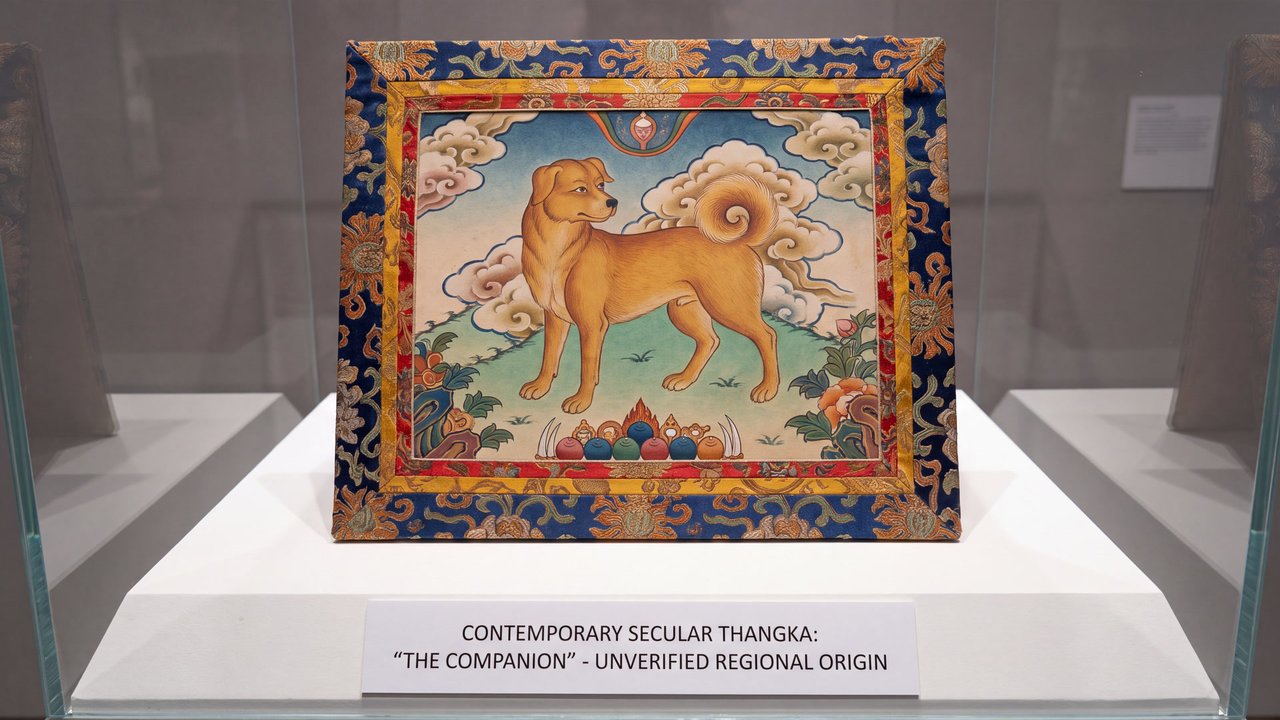
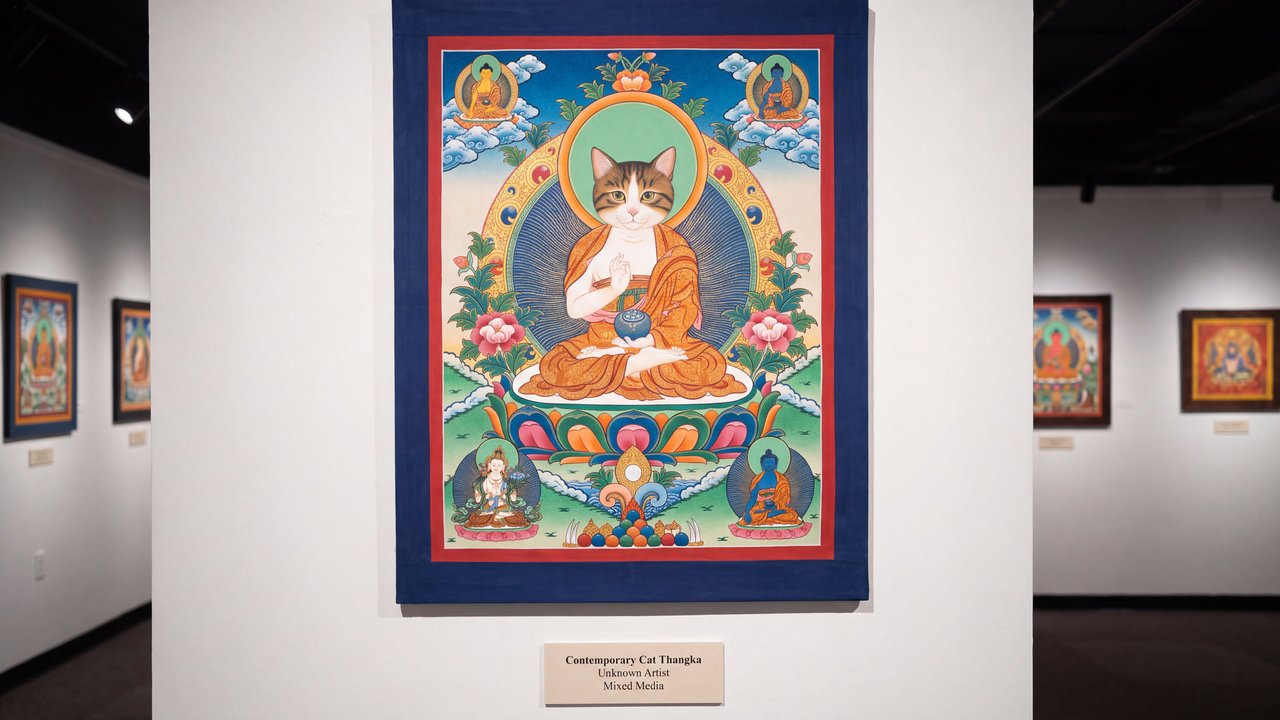
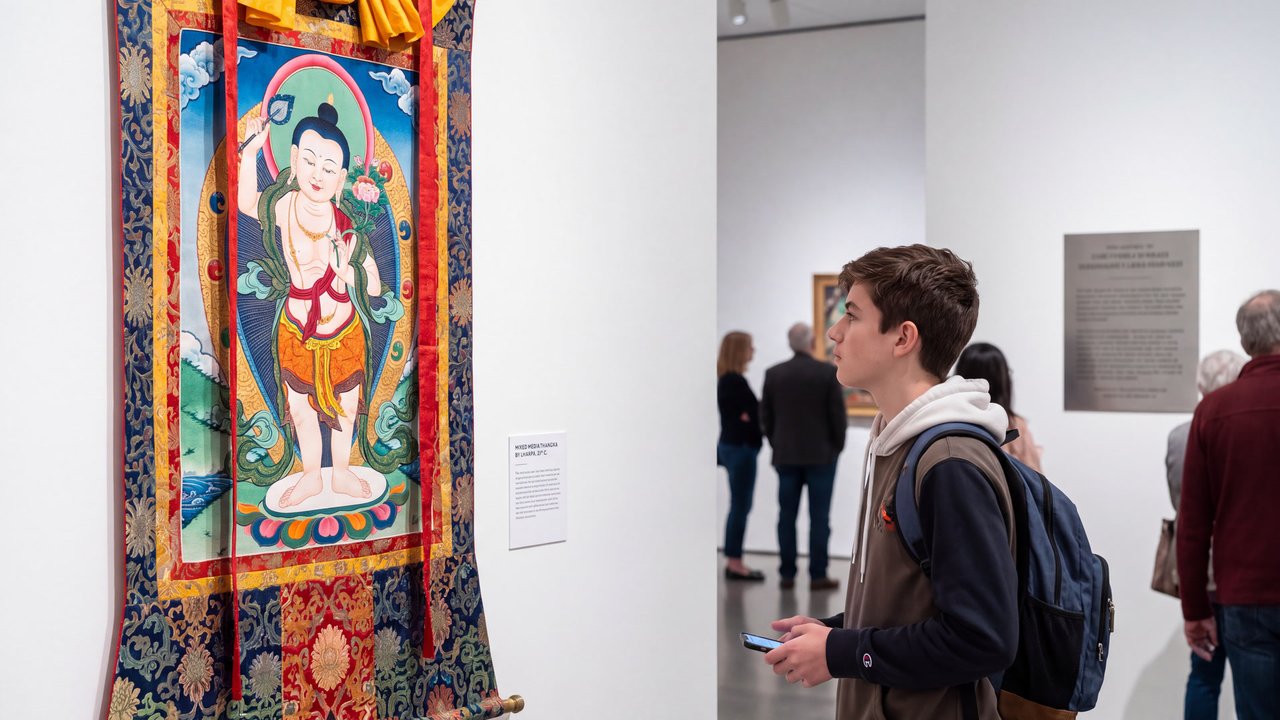
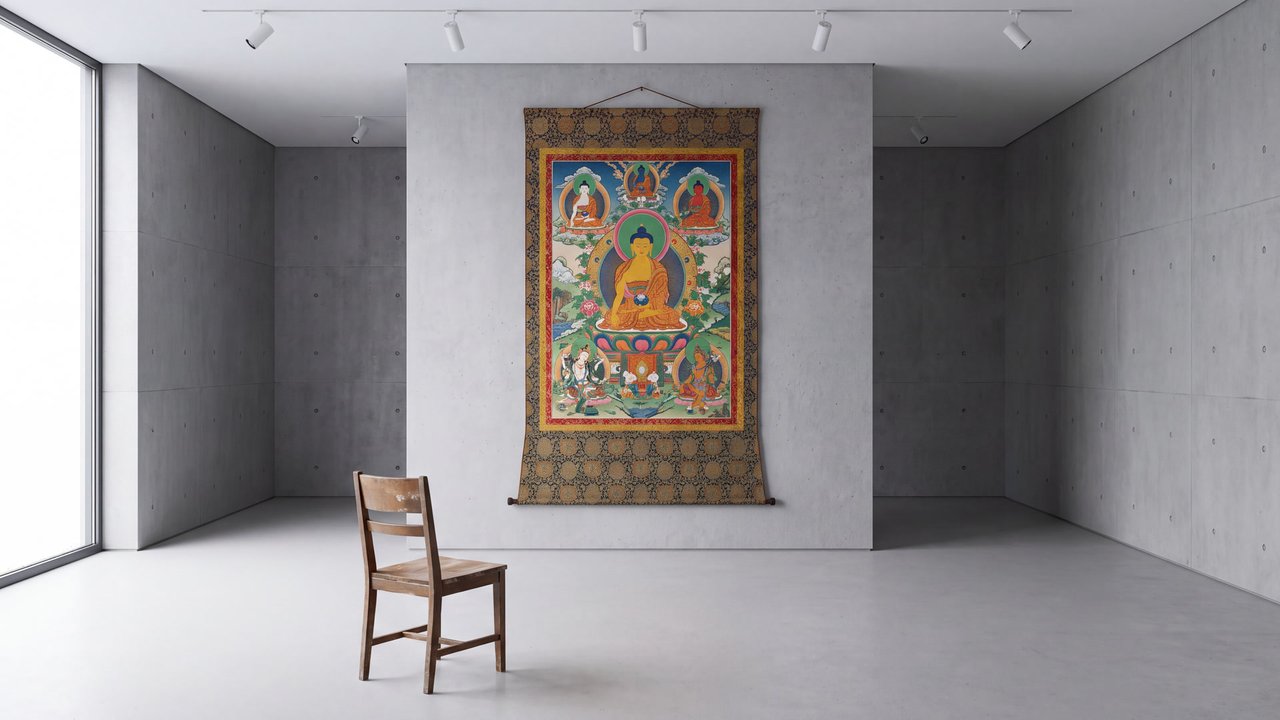
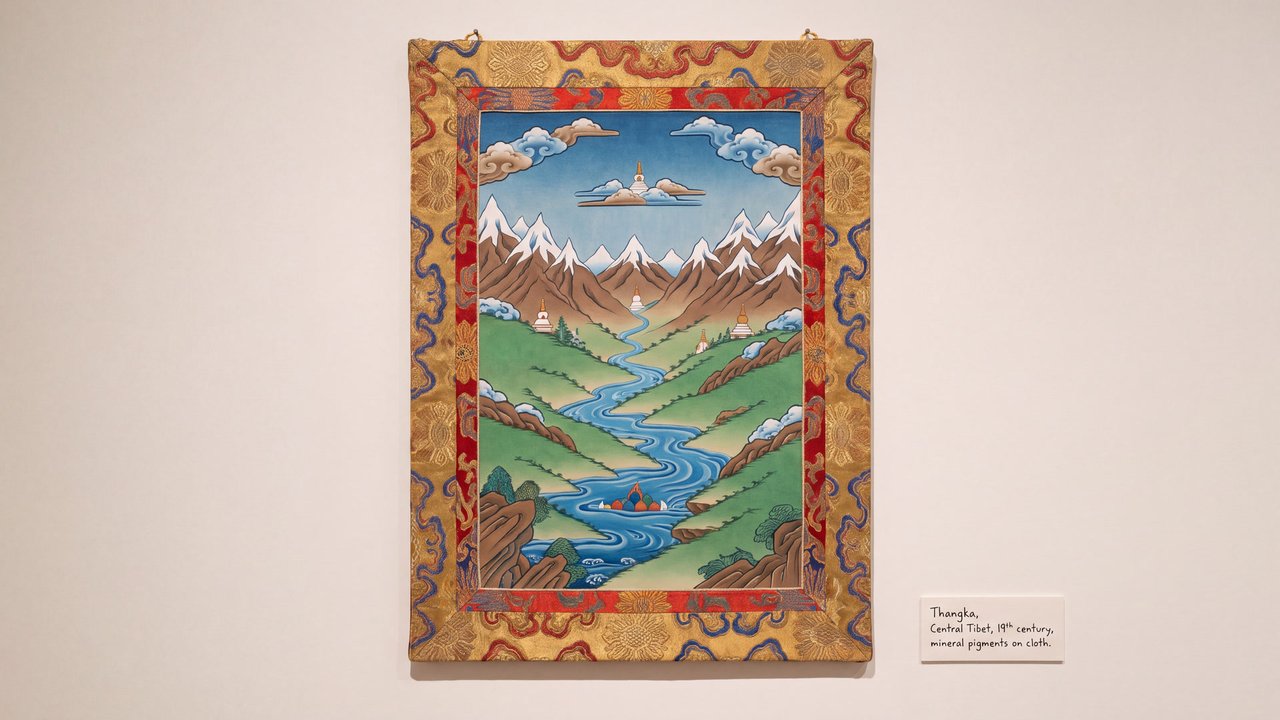
Making and use of scroll paintings associated with Tibetan Buddhism
The making and use of scroll paintings associated with Tibetan Buddhism.

Cat
Both languages share the English example images. Japanese prompts are the recorded translations.
Separately specifies documented medium and context without reducing religious function to decoration.
It is handled as scroll painting with its medium distinguished from verified making and use contexts.
Tibetan thangka refers to the making and use of scroll paintings associated with Tibetan Buddhism. It does not make medium, region, religious practice, workshop or transmission, and depicted persons or scenes one undifferentiated category.
Respect the religious and regional practice of making it, and name a particular Buddha, teacher, monastery, narrative, lineage, or sacred place only when an individual authority and source body verify it. Do not infer public scope for ritual or restricted imagery from appearance.
Adjust region, workshop, transmission, subject, and public scope individually from documentation.
Content updated:
Items linked through explicit membership in the same theme.
Cat
Concept
A historical courtly tradition of finely detailed painting.
Compare ↗
Cat
Concept
A historically situated visual-art tradition associated with Ndebele communities.
Compare ↗