
Cat
Concept
Mughal miniature painting
A historical courtly tradition of finely detailed painting.
Compare ↗Concept / Nihonga
A modern Japanese painting form
A modern Japanese painting form.

Cat
Both languages share the English example images. Japanese prompts are the recorded translations.
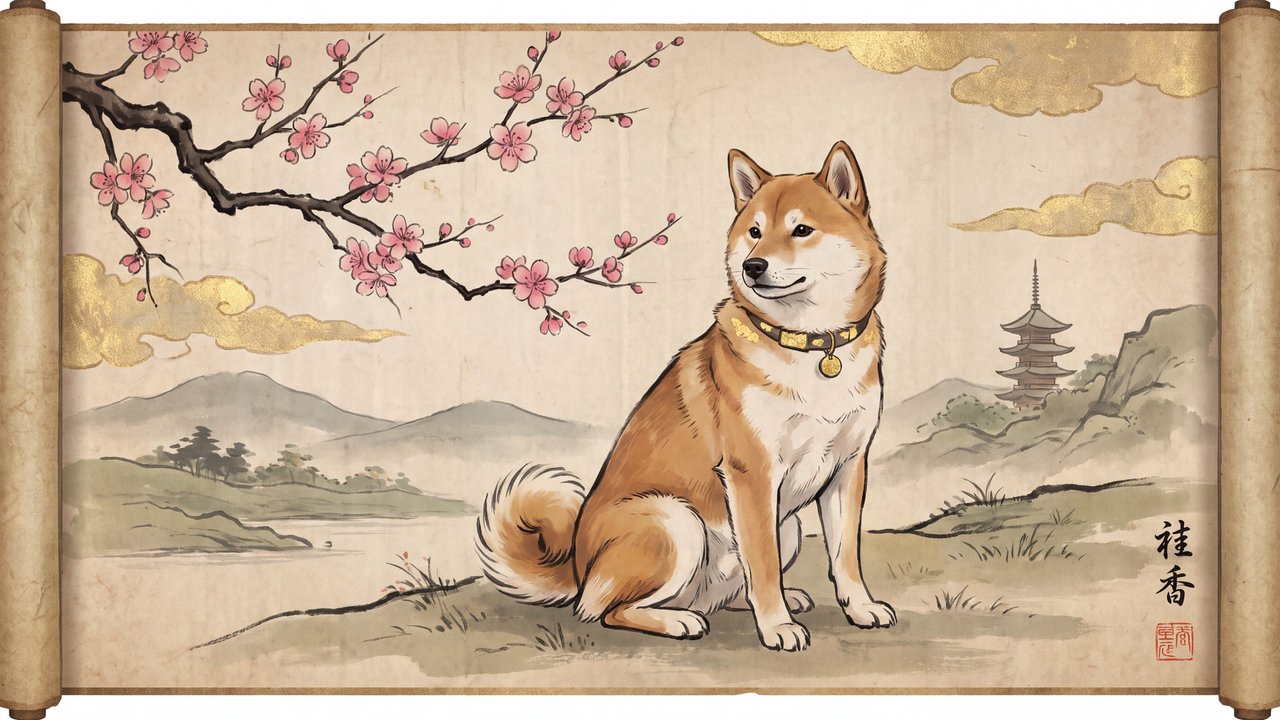
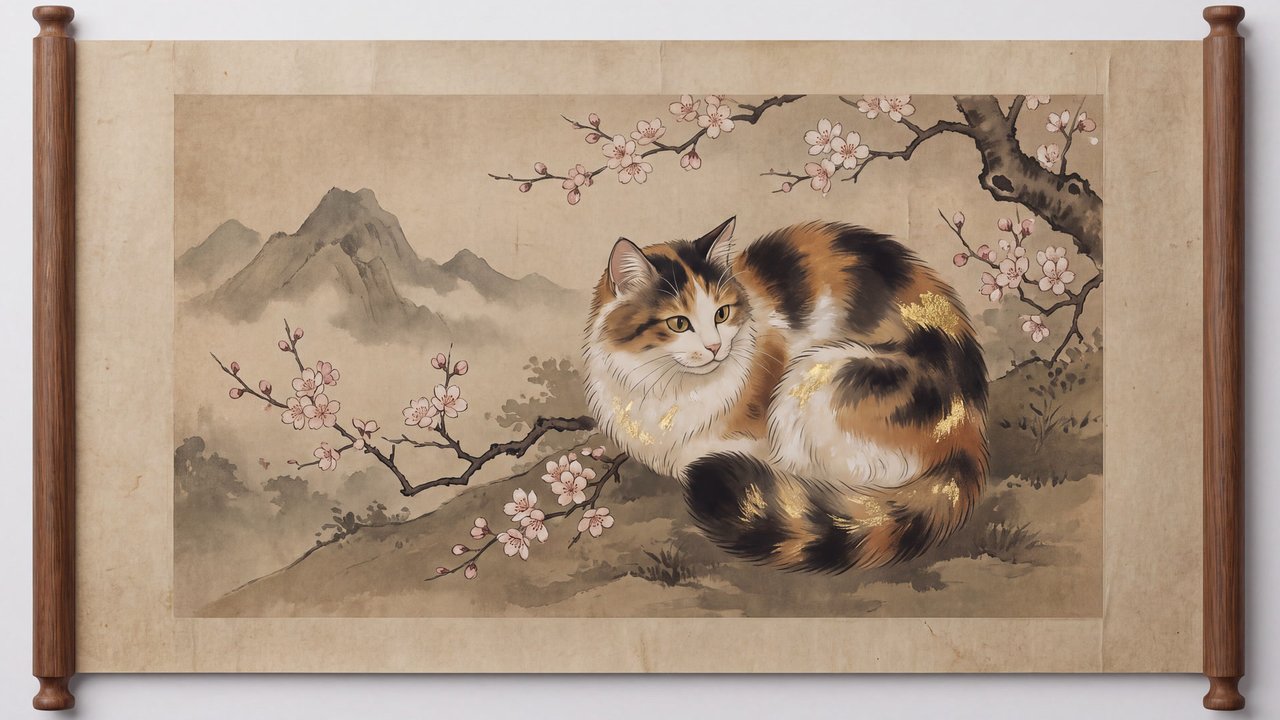
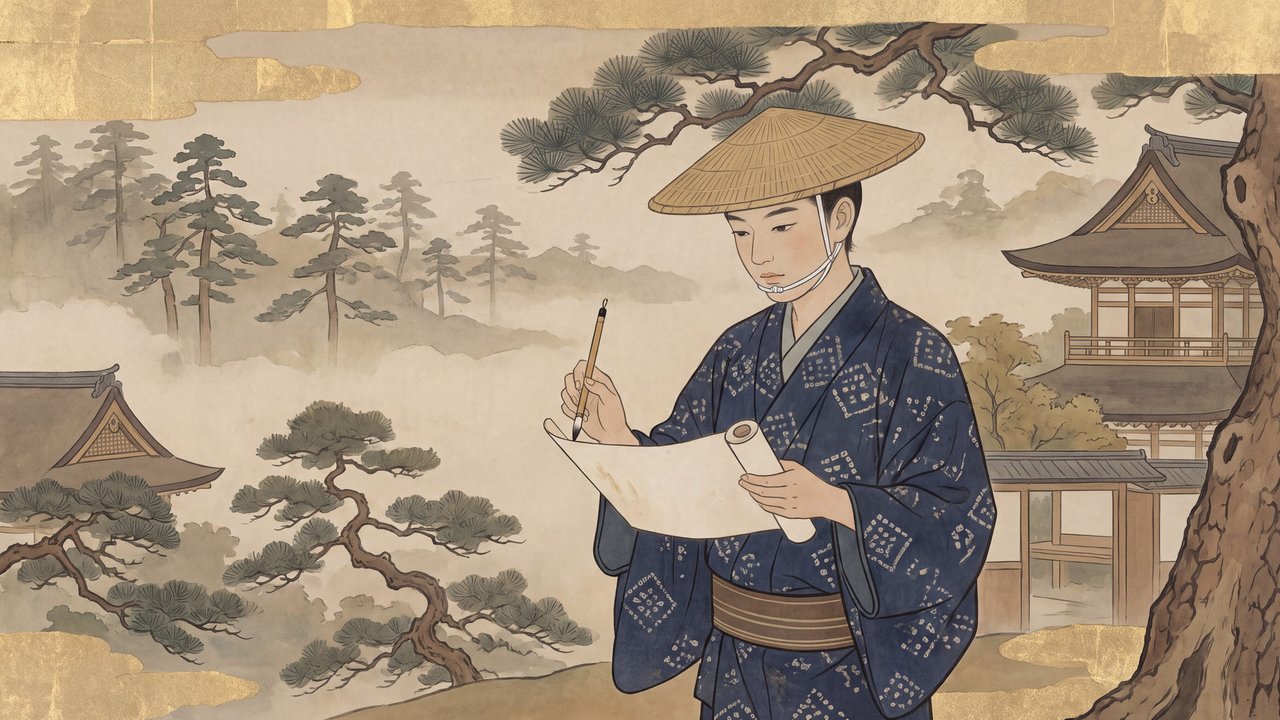
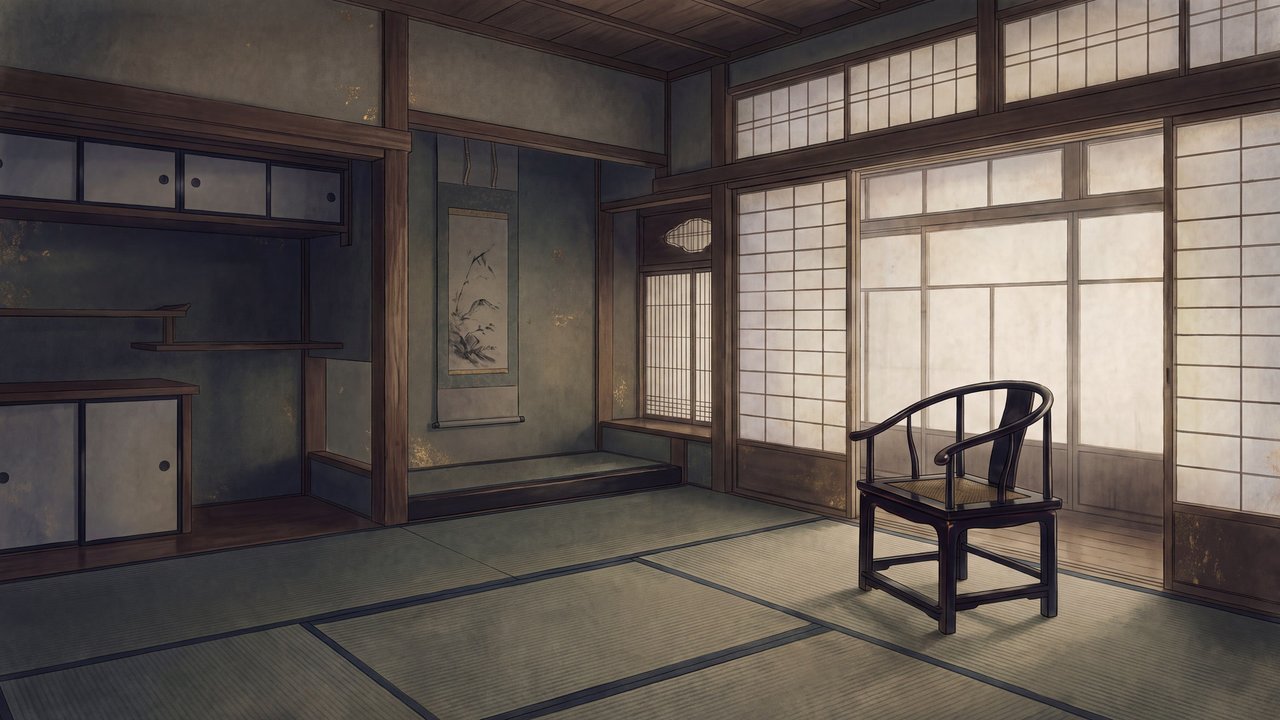
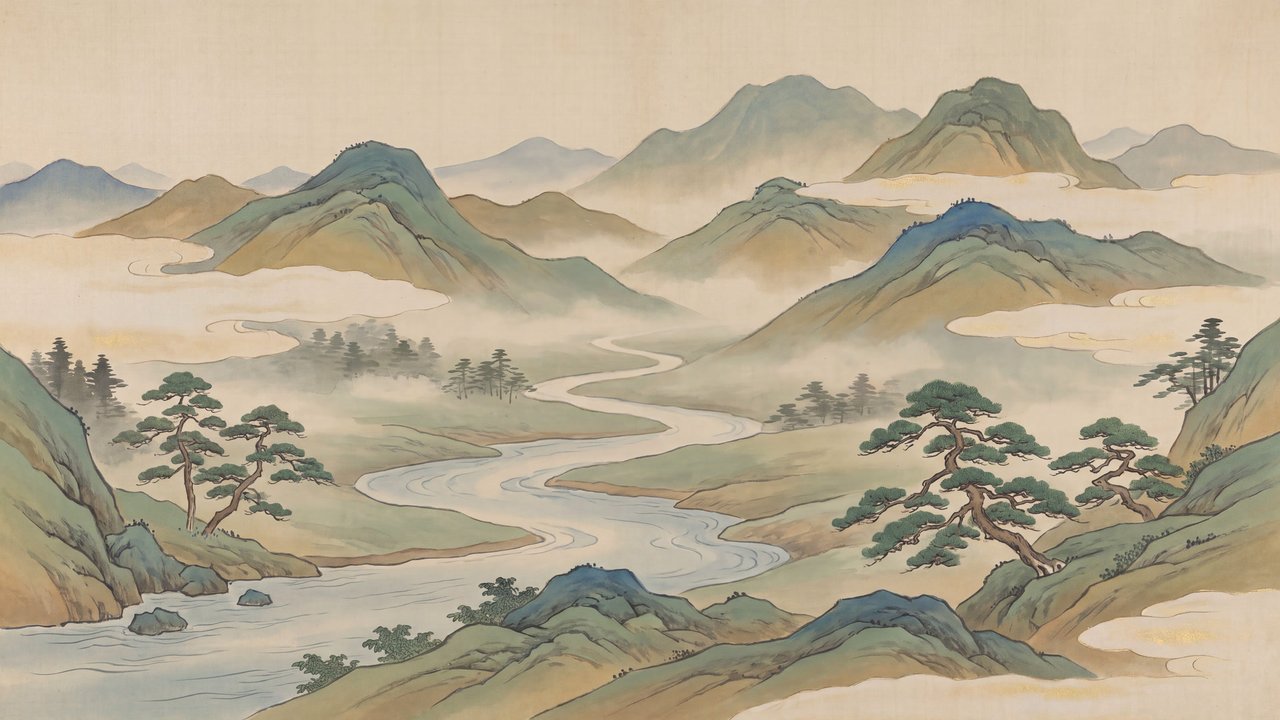
Directs the image toward compositional features of historical Nihonga.
The composition can show delicate color fields and lines, often using mineral pigments or ink.
Nihonga is a modern japanese painting form. Historical works may show delicate color fields and lines, often using mineral pigments or ink. It does not represent contemporary communities, religious practice, symbolic meaning, or a named artist or work.
It addresses compositional features in historical works and does not portray contemporary people as a uniform style.
Subject and medium can be adjusted separately.
Content updated:
Items linked through explicit membership in the same theme.
Cat
Concept
A historical courtly tradition of finely detailed painting.
Compare ↗
Cat
Concept
A historically situated visual-art tradition associated with Ndebele communities.
Compare ↗
Cat
Concept
A historical miniature-painting form developed in Persianate contexts.
Compare ↗