
Medium-sized dog
Concept
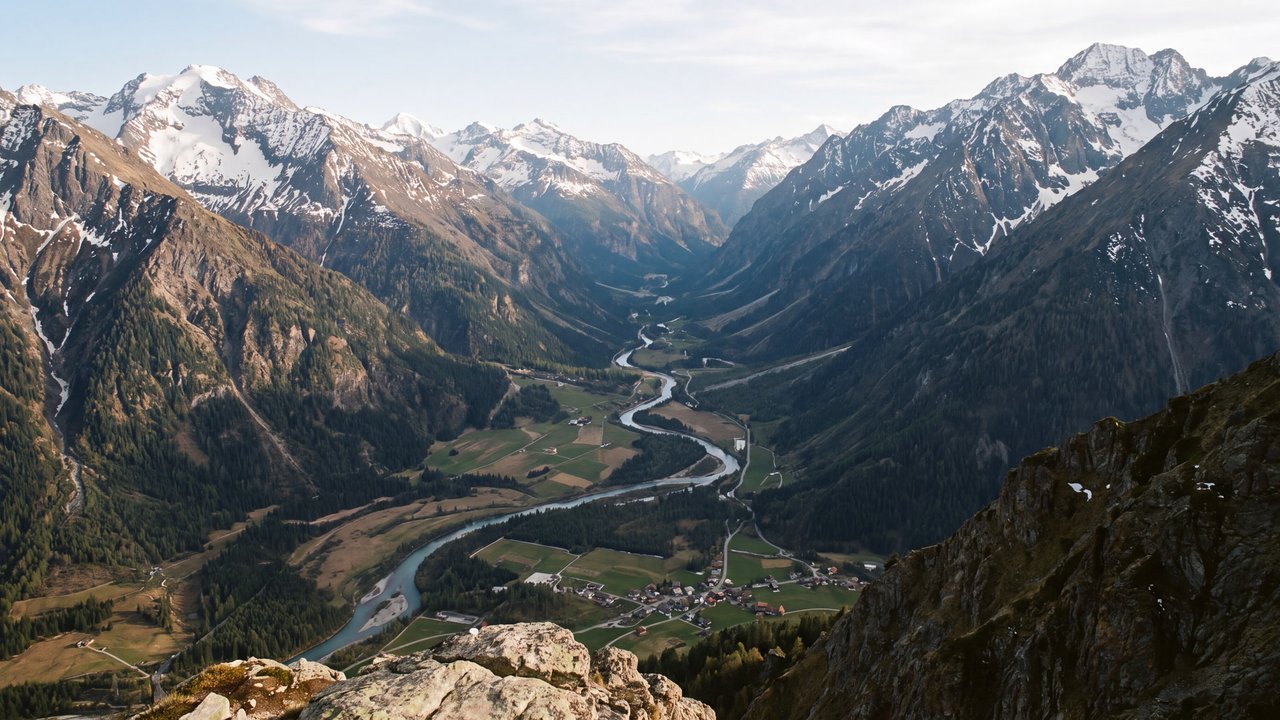
Aerial perspective
A depth treatment that makes distant forms paler, cooler, and less distinct.
Compare ↗Concept / Three-point perspective
Perspective using three vanishing points to show height as well as depth
Perspective using three vanishing points to show height as well as depth.

Medium-sized dog
Both languages share the English example images. Japanese prompts are the recorded translations.
Converges parallel lines in three directions toward separate vanishing points.
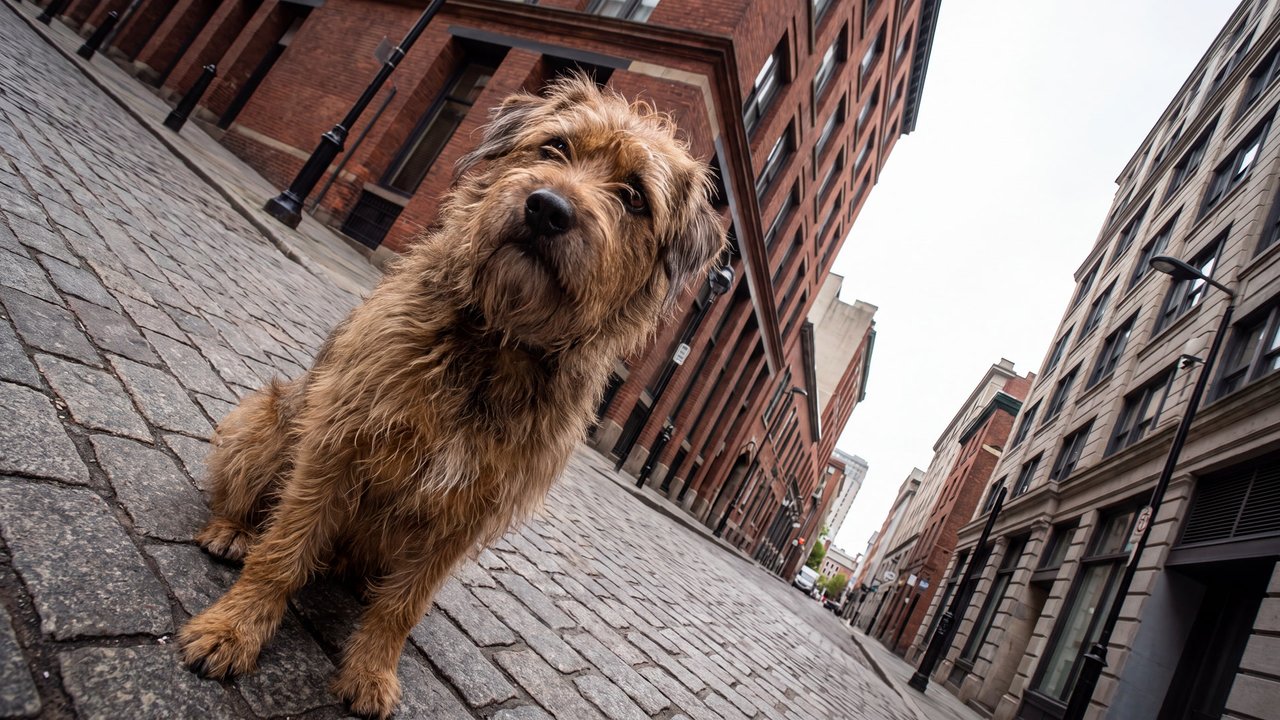
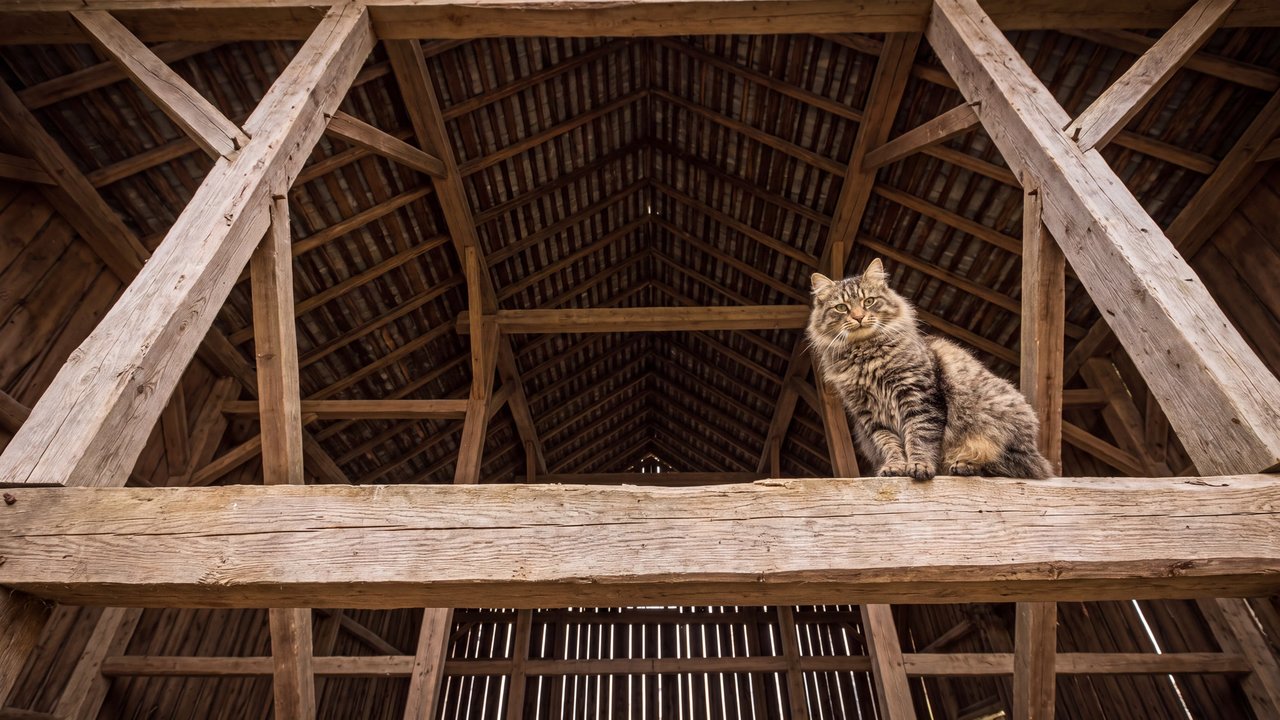
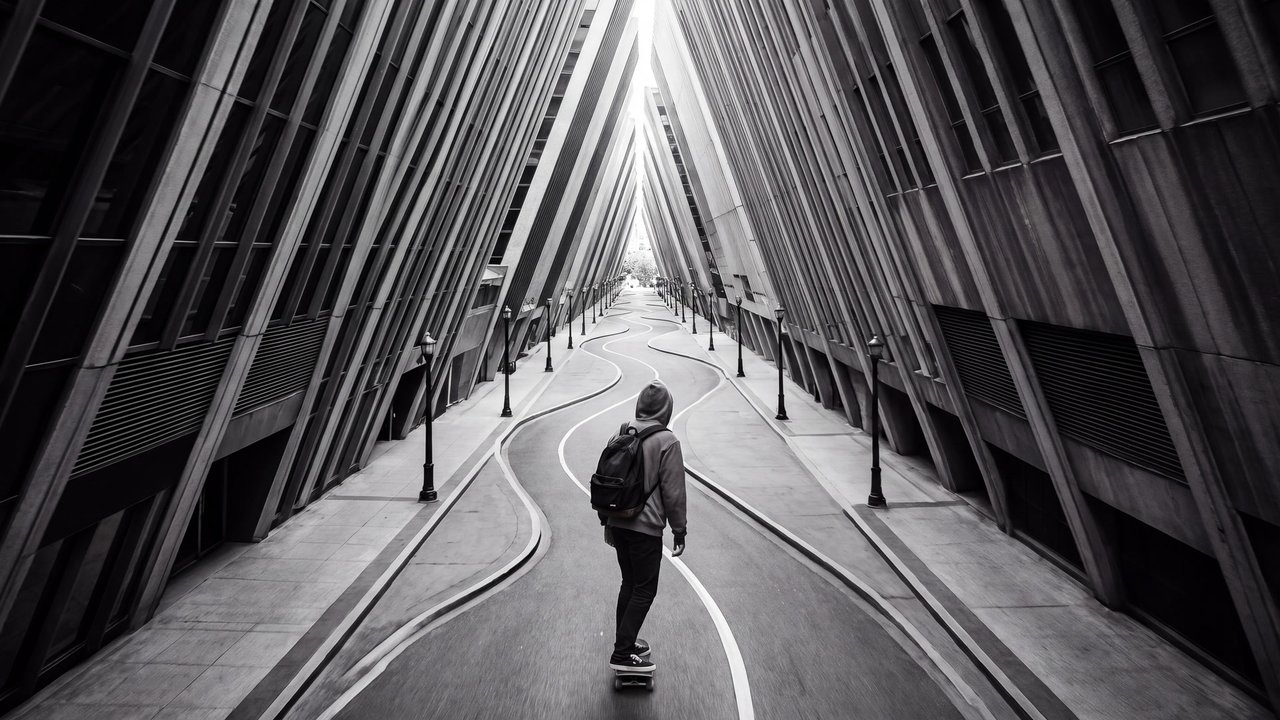
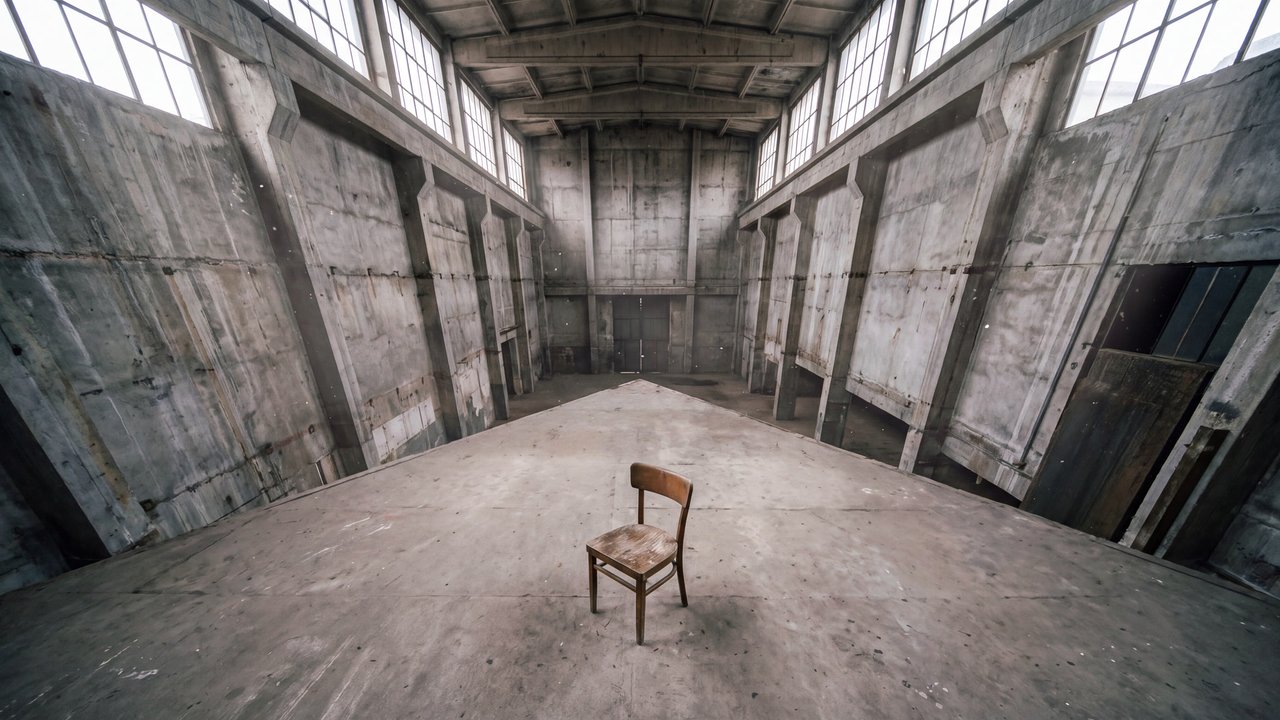
Lines in three directions, including vertical building lines, tilt and converge toward their respective vanishing points.
It directs parallel lines in two horizontal directions and a vertical direction toward separate vanishing points, creating a view up or down through space. It differs from one- and two-point perspective.
It can emphasize height and depth in tall buildings, deep streets, and interiors viewed from above or below. Subject, lens, medium, and lighting remain separately selectable.
Placing the third vanishing point above or below the frame selects an upward- or downward-looking view.
Content updated:
Items linked through explicit membership in the same theme.
Medium-sized dog
Concept
A depth treatment that makes distant forms paler, cooler, and less distinct.
Compare ↗
Medium-sized dog
Concept
A composition that balances off-center elements through visual weight.
Compare ↗
Medium-sized dog
Concept
A composition that places the main subject on the image's central axis for focus and stability.
Compare ↗