
Concept / Tense mood
Tense mood
An overall emotional atmosphere suggesting taut anticipation or uncertainty
An overall emotional atmosphere suggesting taut anticipation or uncertainty.

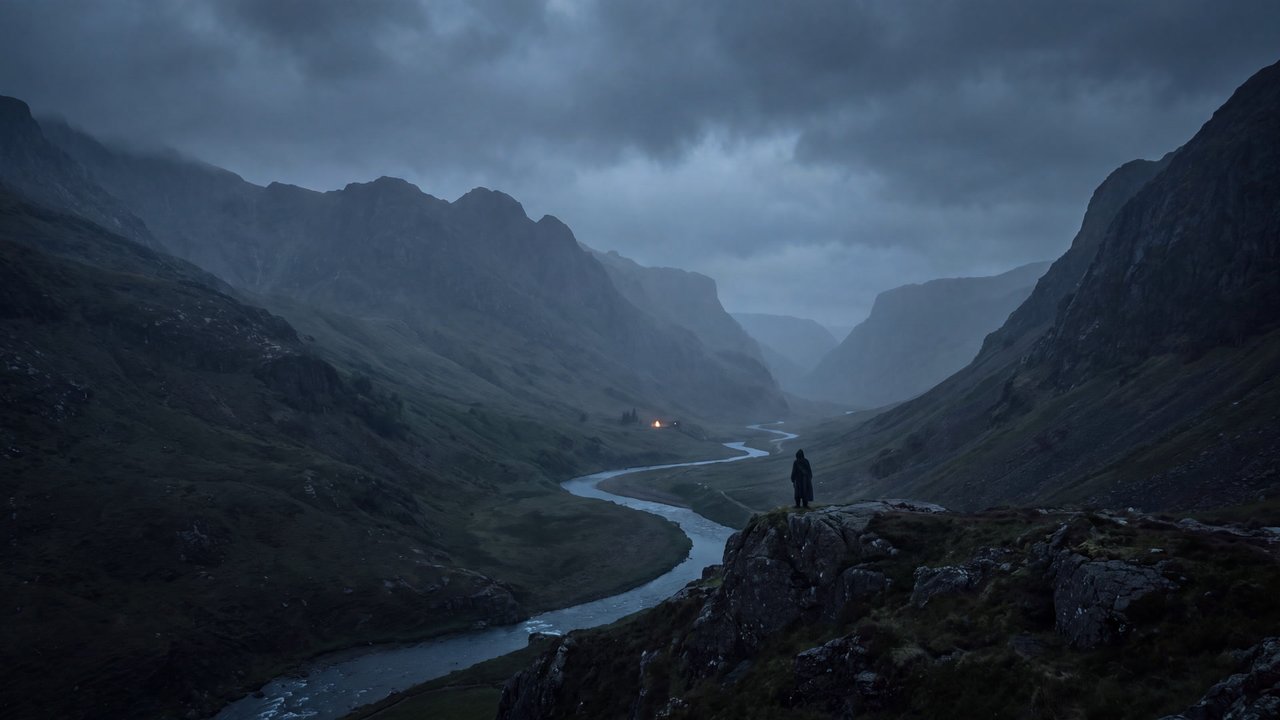
Valley with a river and mountain ranges
Both languages share the English example images. Japanese prompts are the recorded translations.
A phrase to start with
Directs the overall emotional tone of a scene toward taut anticipation or uncertainty.
Appearance and effects
The overall scene reads with an emotional tone of taut anticipation or uncertainty.
Visual traits
- taut feeling
- uncertainty
- non-graphic emotional tone
Expected changes
- The scene is more likely to read with taut anticipation or uncertainty.
Five examples
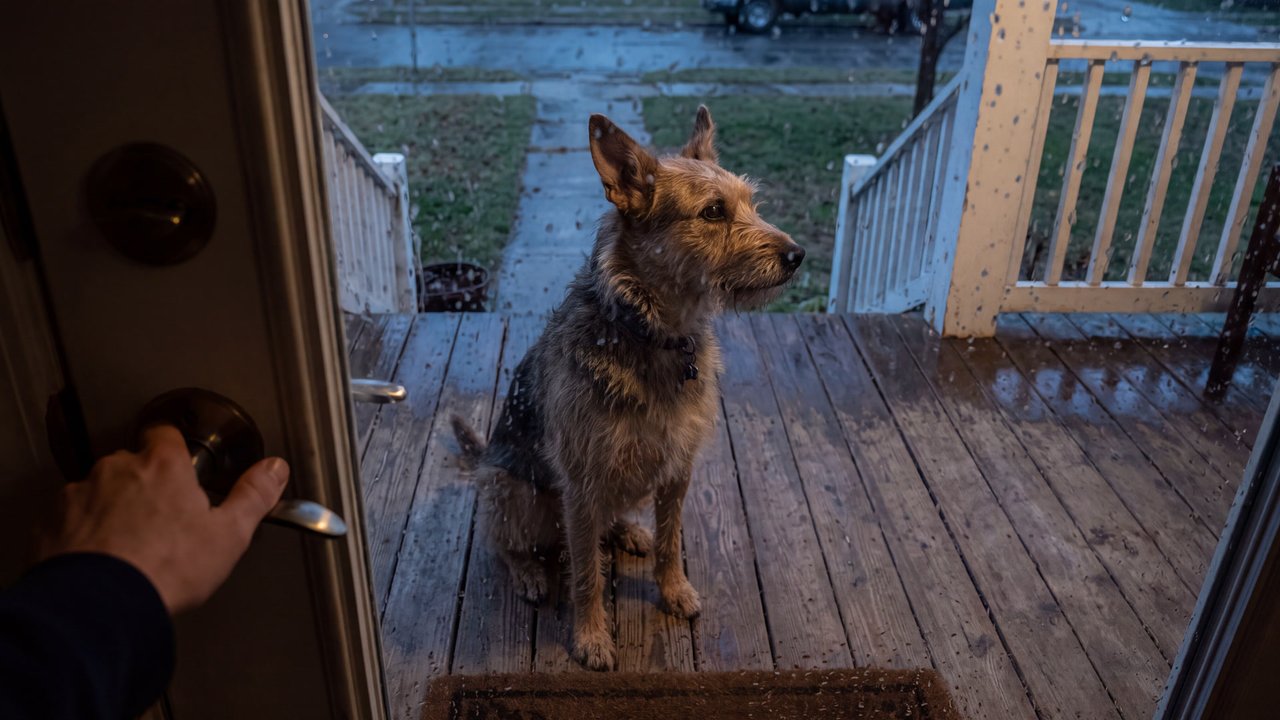
1 — Medium-sized dog
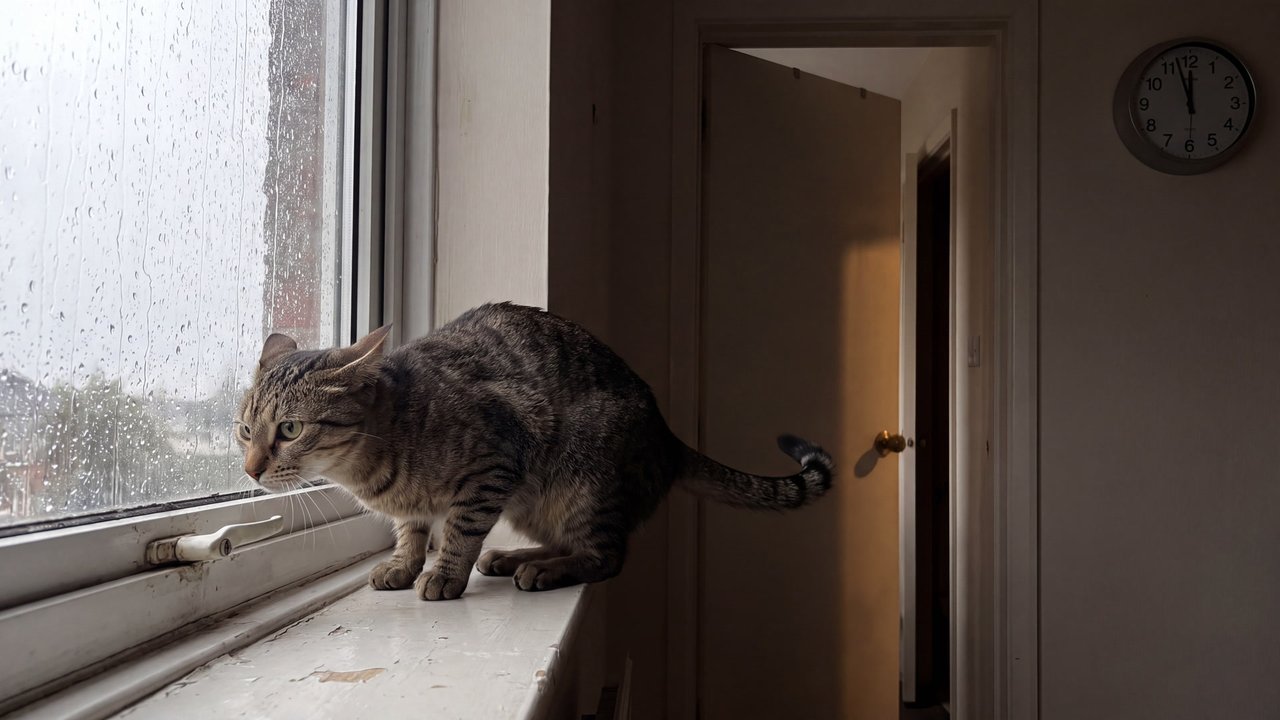
Open image ↗2 — Cat
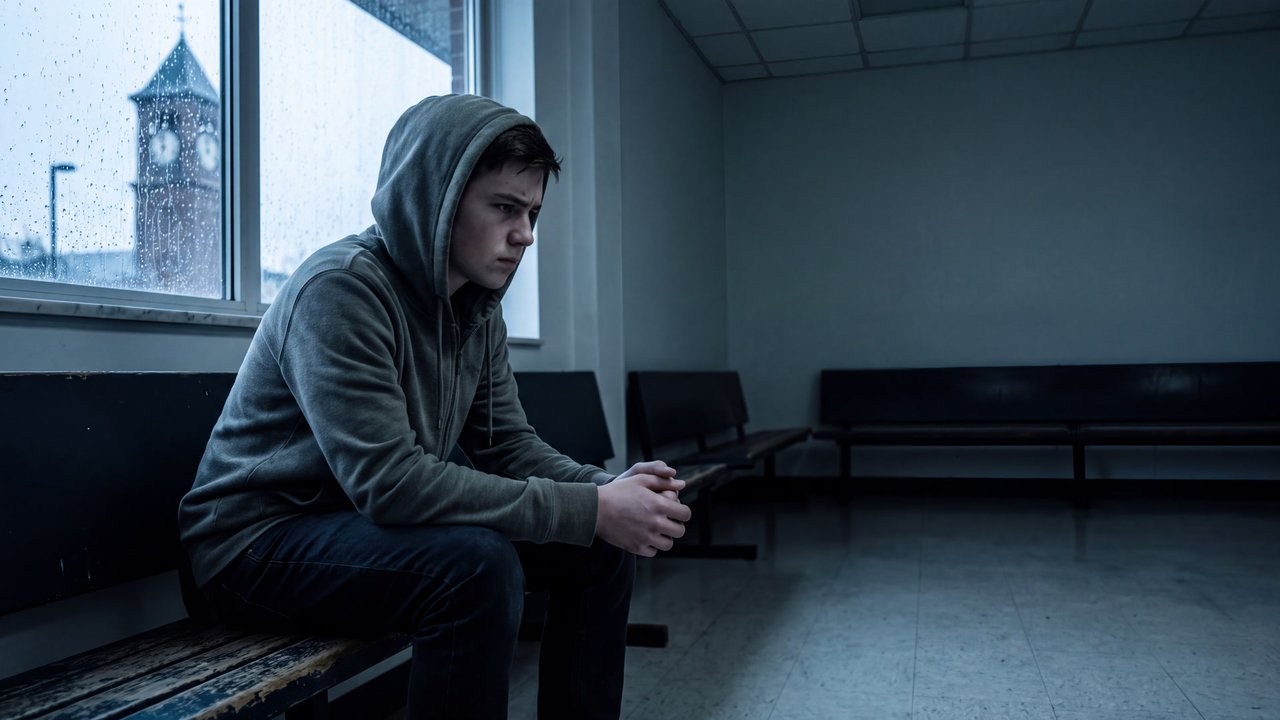
Open image ↗3 — Teenage boy
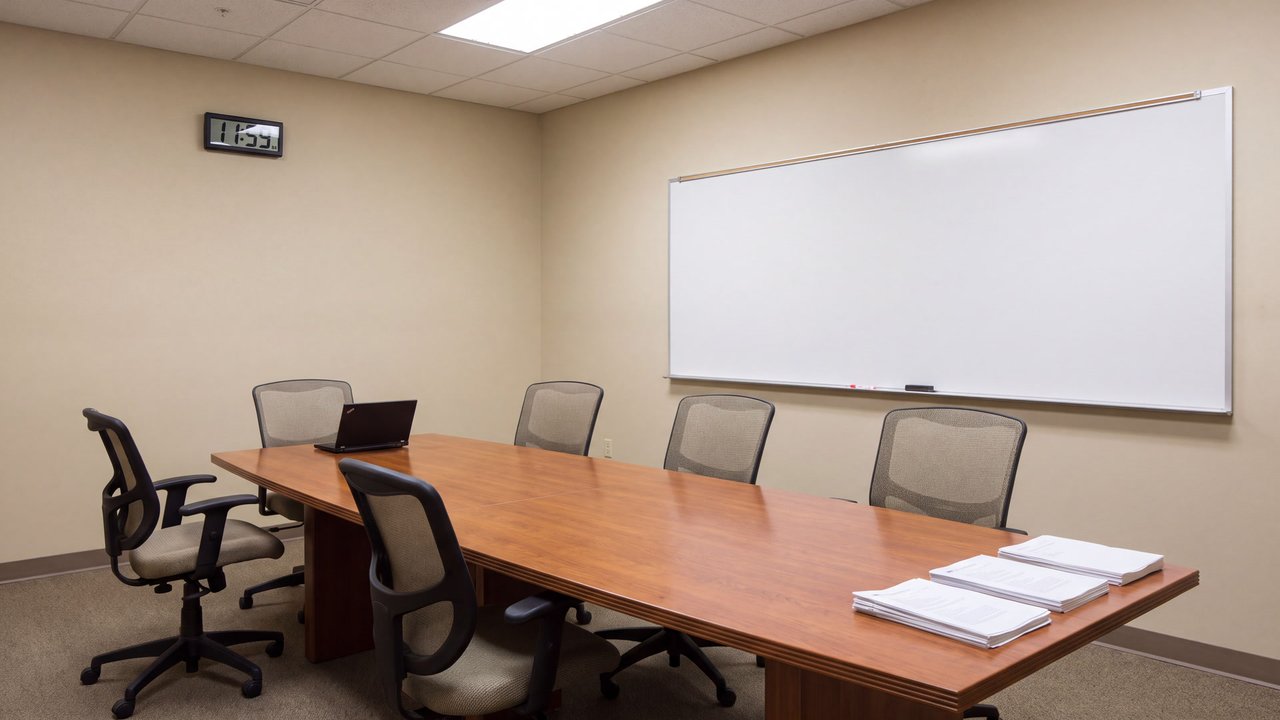
Open image ↗4 — A bright room with no people and no specified mood
The standard unoccupied-room comparison motif can pre-stage tension through silence, so it is replaced with a neutral room with no specified mood that can receive a tense atmosphere after atomic application.
A bright neutral room with no people and no indicated quietness, tension, uncertainty, special event, or cultural symbols.
- A bright neutral room with no people.
- A state with no indicated mood or special event.
5 — Valley with a river and mountain ranges
Open image ↗Meaning and scope
Definition
Tense mood is an overall emotional atmosphere suggesting taut anticipation or uncertainty. It does not determine violence, conflict, danger, crime, fear, competition, particular people, color, weather, or culture.
In more detail
It concerns a safe, non-graphic emotional sense of tautness arising from uncertainty. It does not require actual harm, conflict, crime, competition, or an object of fear, and this mood alone does not associate a particular culture, setting, weather condition, or color with tension.
Includes
- An overall emotional atmosphere suggesting taut anticipation or uncertainty
Excludes
- Violence, conflict, danger, crime, fear, competition, particular people, color, weather, or culture
What this does not imply
- Violence, conflict, danger, crime, fear, competition, particular people, color, weather, or culture
Variability
The intensity of tension, subjects, setting, lighting, color, weather, and events can be adjusted separately.
Usage and adjustments
Usage
- Specify only taut anticipation or uncertainty without adding harm or a particular cause
Distinguish similar expressions
- Specify violence, conflict, danger, crime, competition, people, weather, color, or culture separately only when needed
Typical uses
- Give scenes containing people, animals, unoccupied spaces, or landscapes a safe non-graphic tense mood
Possible failure modes
- Violence or danger is added
- Conflict, crime, or competition is fixed as a required cause
- A particular culture, weather condition, or color is added without support
Content updated:
From the same theme
Items linked through explicit membership in the same theme.


A neutral stone against a plain background
Concept
Celebration theme
A narrative theme centered on sharing joy or an achievement through celebration.
Compare ↗