

Concept / Calm mood
Calm mood
An emotional atmosphere in which the scene as a whole conveys low tension and a settled quality
An emotional atmosphere in which the scene as a whole conveys low tension and a settled quality.

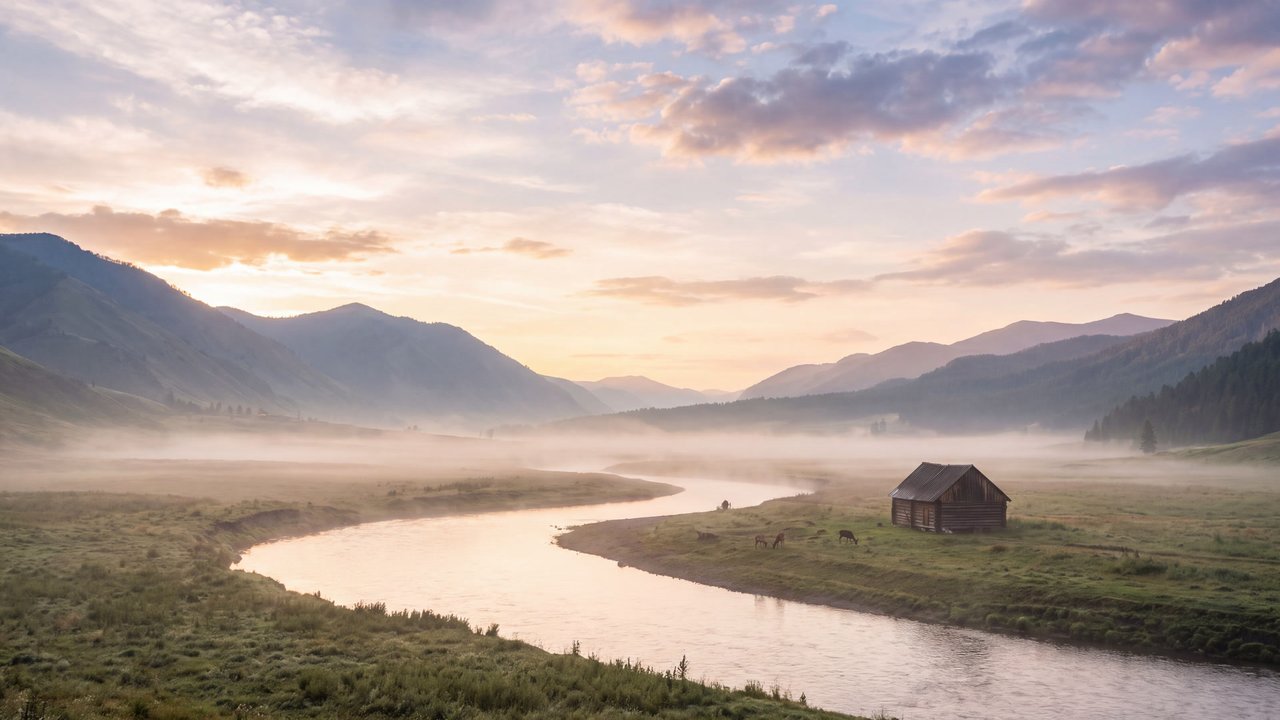
Valley with a river and mountain ranges
Both languages share the English example images. Japanese prompts are the recorded translations.
A phrase to start with
Directs the overall scene toward an emotional atmosphere of low tension and calm.
Appearance and effects
The scene as a whole avoids strong tension and reads with a settled emotional quality.
Visual traits
- low tension
- scene-wide settled quality
- emotional atmosphere
Expected changes
- The overall scene is more likely to read with a settled emotional quality
Five examples
1 — Medium-sized dog
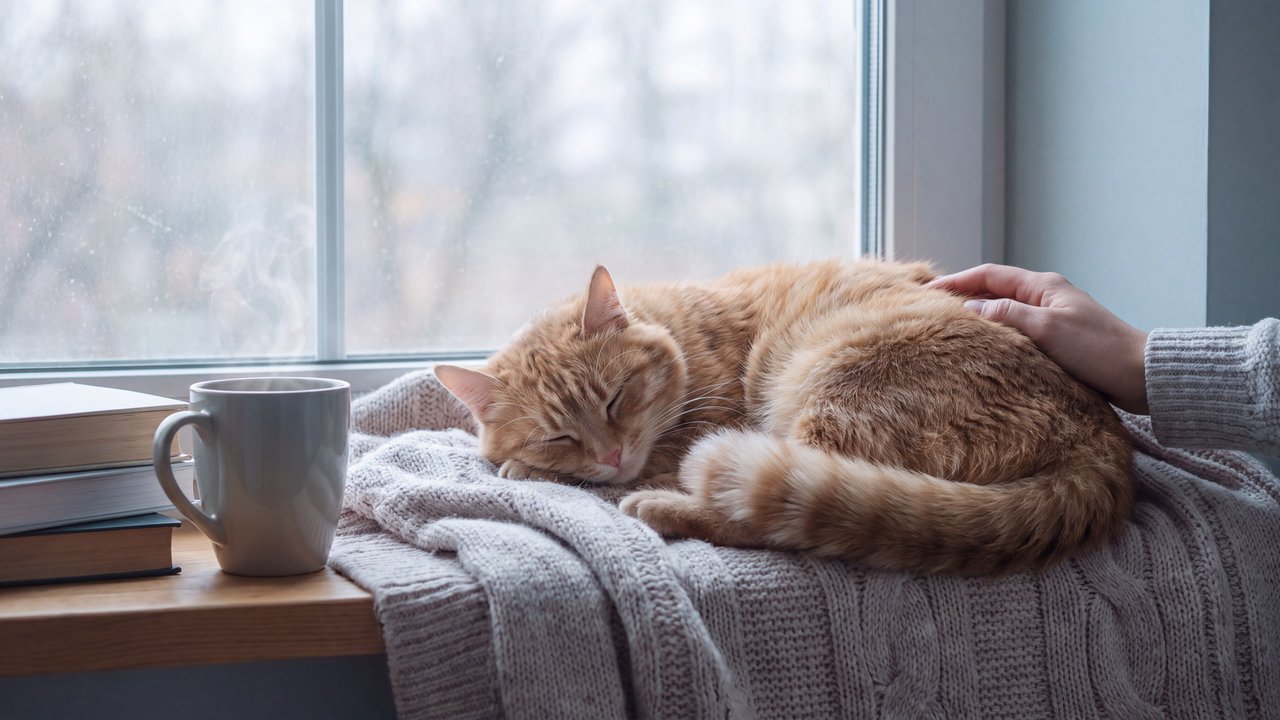
Open image ↗2 — Cat
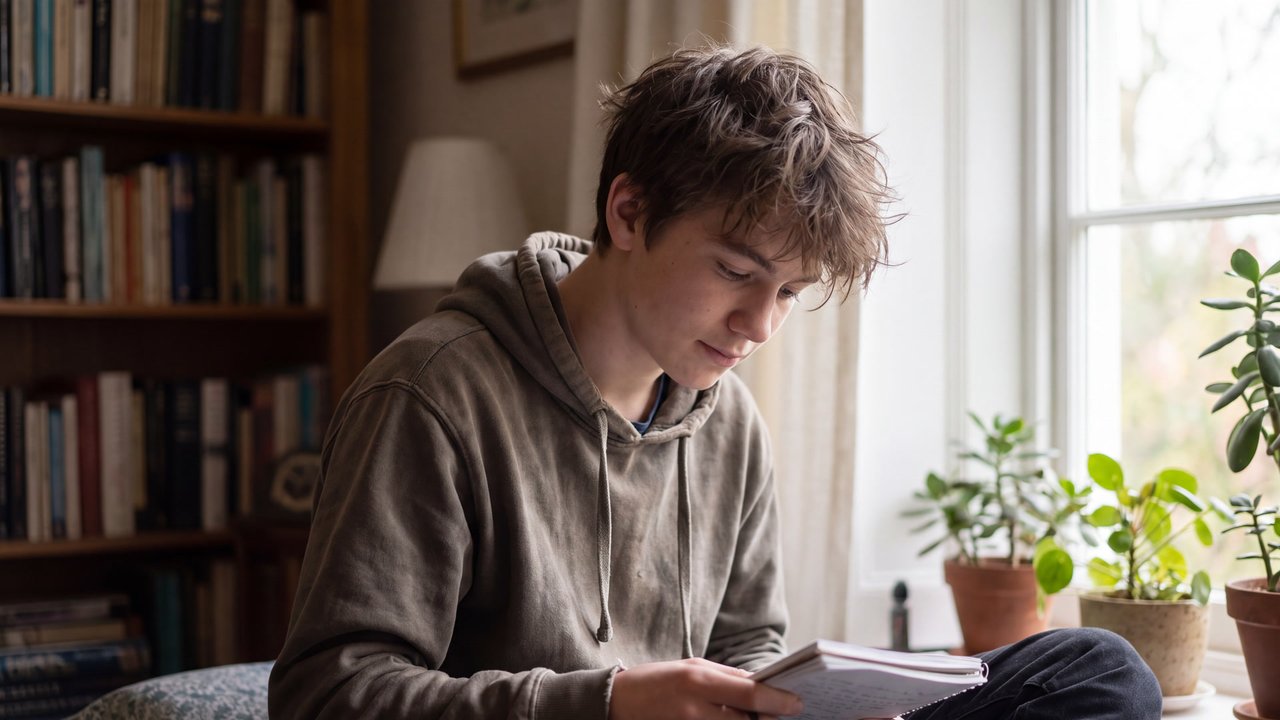
Open image ↗3 — Teenage boy
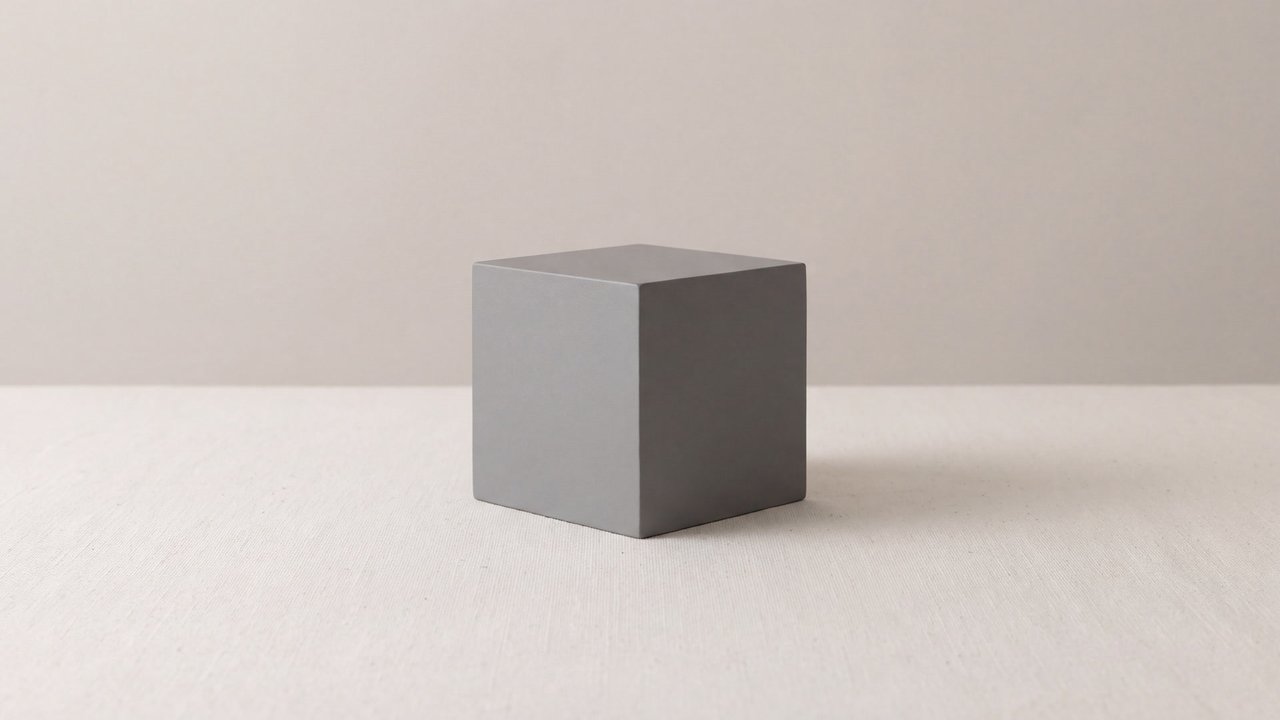
Open image ↗4 — A neutral cube against a plain background
The standard unoccupied-room comparison motif can pre-stage a settled emotional quality, so it is replaced with a neutral object that does not pre-stage calm.
a single cube against a plain background with no cues to emotion, silence, vacancy, color, or weather
- a single cube against a plain background
- a state with no emotional cue
5 — Valley with a river and mountain ranges
Open image ↗Meaning and scope
Definition
Calm mood is an emotional atmosphere in which the scene as a whole conveys low tension and a settled quality. It does not determine happiness, silence, an unoccupied setting, a particular color, weather, culture, or sleep.
In more detail
It concerns a calm emotional quality across the whole scene. It is distinct from an individual facial expression, a specific event, conditions of silence or vacancy, and staging through a particular color or weather.
Includes
- An emotional atmosphere that conveys low tension and a settled quality across the whole scene
Excludes
- Happiness, silence, an unoccupied setting, a particular color, weather, culture, or sleep
- An individual facial expression, a specific event, or an aesthetic genre
What this does not imply
- Happiness, silence, an unoccupied setting, a particular color, weather, culture, or sleep
Variability
Subjects, setting, color, light, and events can be adjusted separately.
Usage and adjustments
Usage
- Use it as a scene-wide emotional atmosphere
Distinguish similar expressions
- Specify happiness, silence, color, weather, or facial expression separately only when needed
Typical uses
- Give the overall scene an emotional atmosphere of low tension and calm
Possible failure modes
- It is fixed as happiness or sleep, vacancy or silence is added automatically, or it is expressed only through color or weather
Content updated:
From the same theme
Items linked through explicit membership in the same theme.

A neutral stone against a plain background
Concept
Celebration theme
A narrative theme centered on sharing joy or an achievement through celebration.
Compare ↗
A neutral stone against a plain background
Concept
Coming-of-age theme
A narrative theme about a young person moving toward growth, independence, or a change of role.
Compare ↗