
Medium-sized dog
Concept
Aerial perspective
A depth treatment that makes distant forms paler, cooler, and less distinct.
Compare ↗Concept / Symmetrical composition
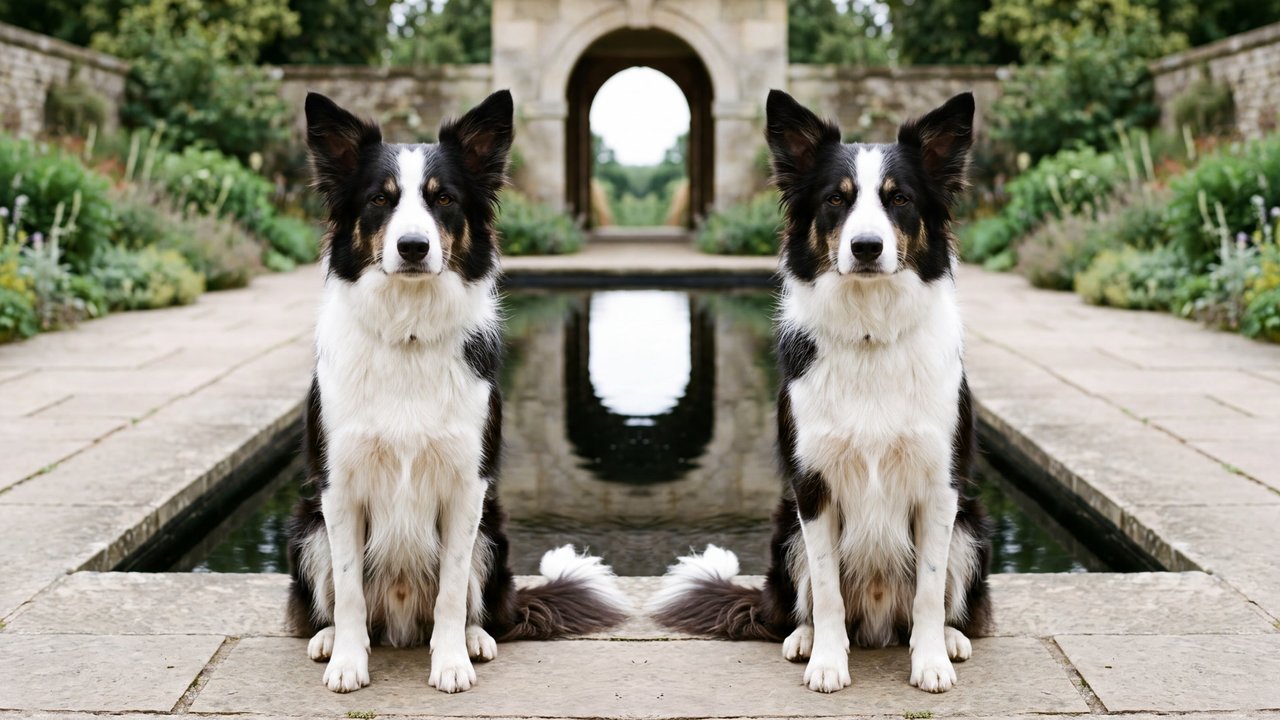
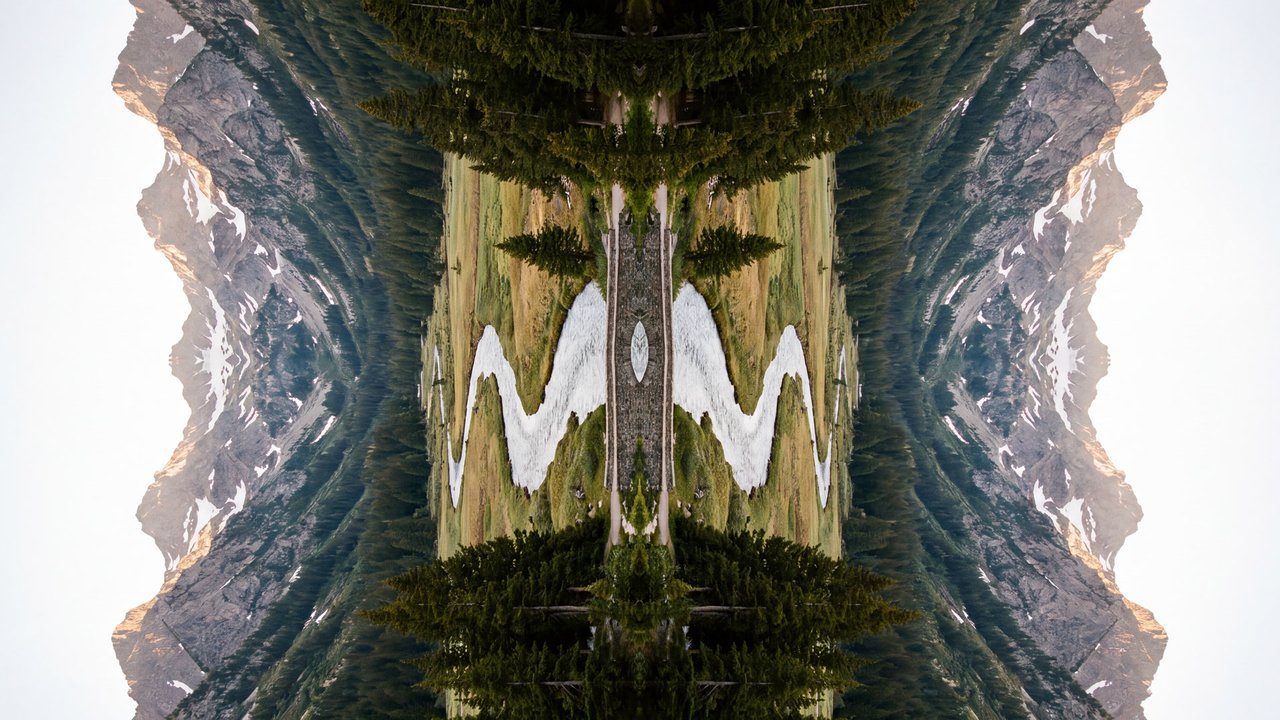
A composition balancing corresponding forms or visual weight on both sides of a central axis
A composition balancing corresponding forms or visual weight on both sides of a central axis.

Medium-sized dog
Both languages share the English example images. Japanese prompts are the recorded translations.
Creates balance by corresponding the two sides of a central axis.
Forms, values, or empty spaces correspond across a central axis.
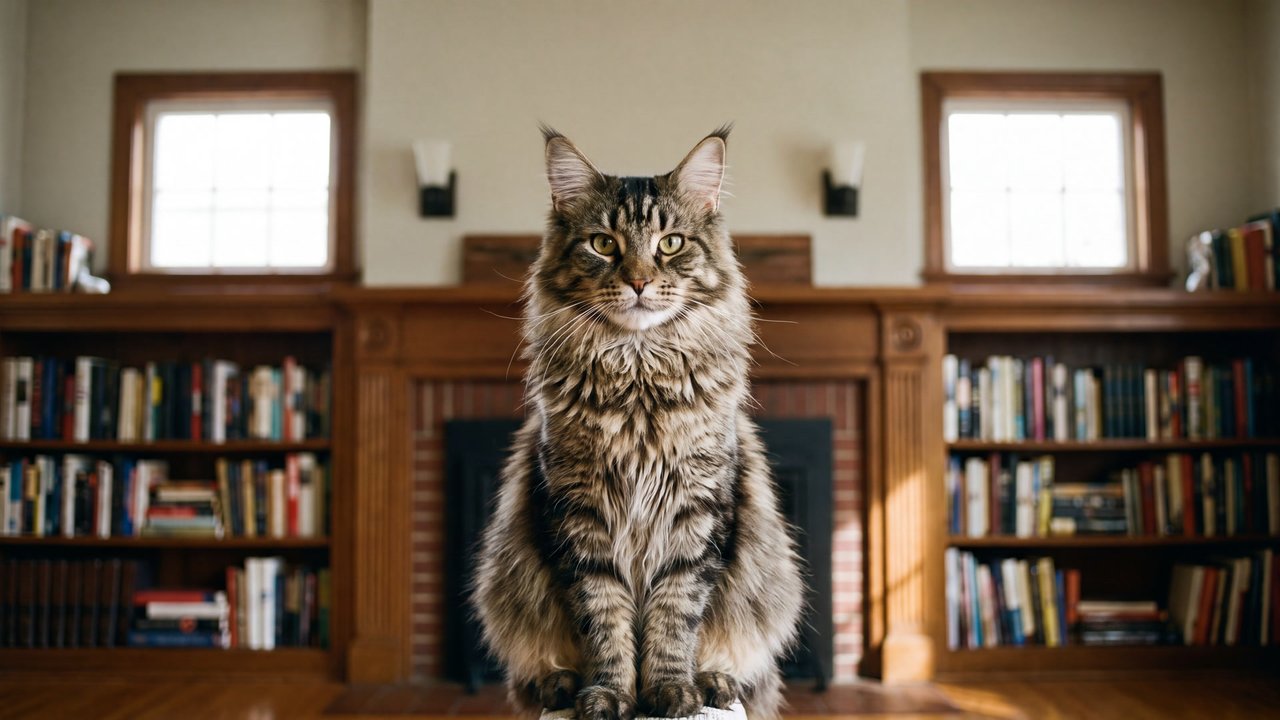
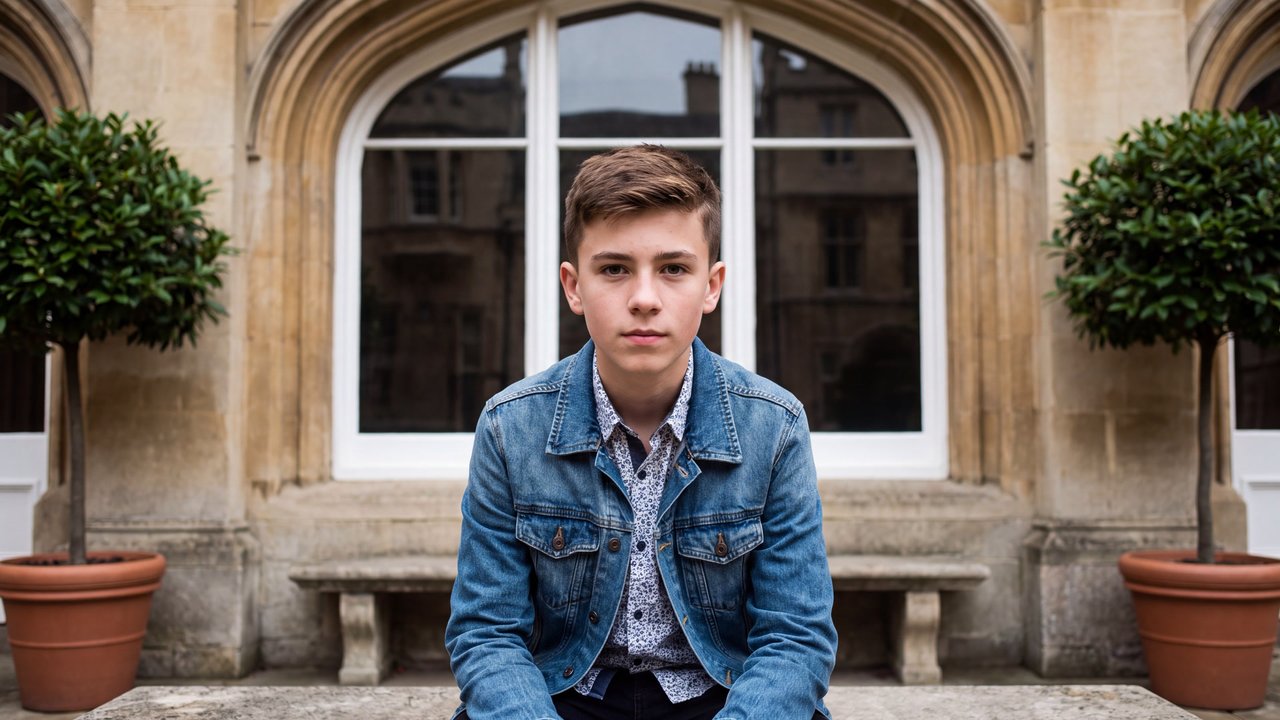
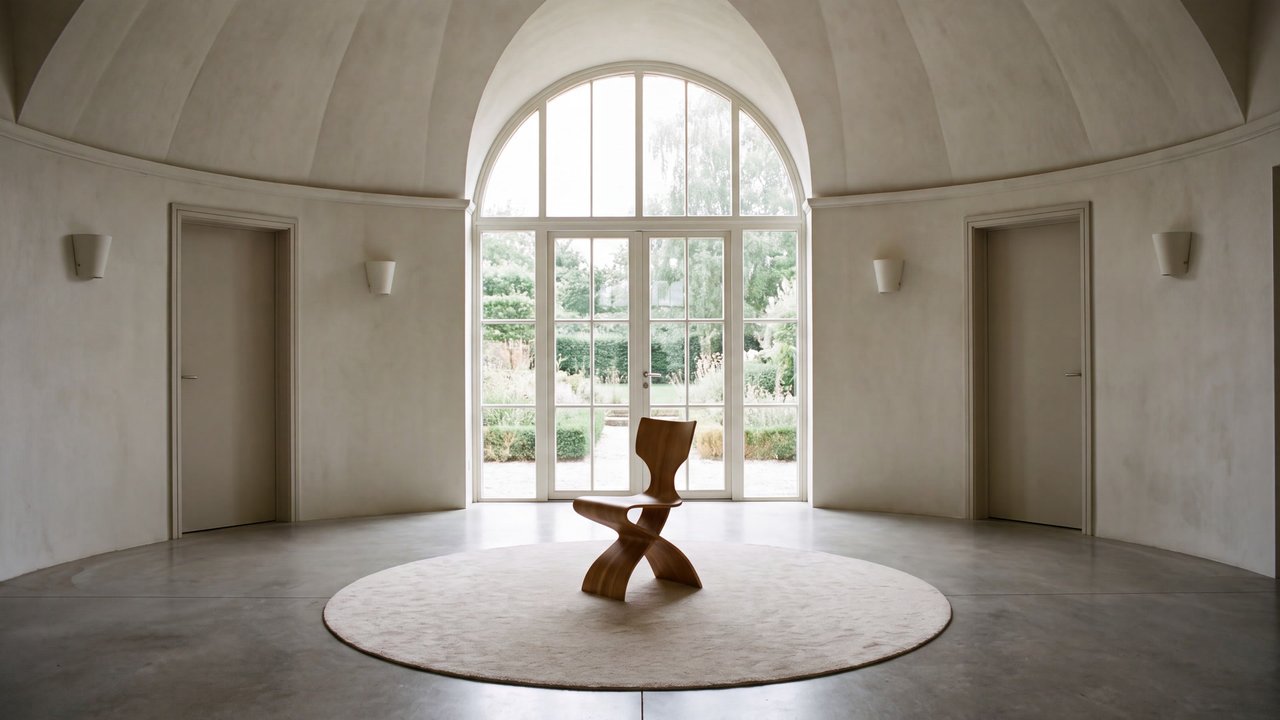
It sets an axis through the image and arranges elements on either side in a near-mirrored correspondence. It differs from asymmetrical composition and from mere centered placement.
It can give a stable presentation to a facade, reflection, water surface, or paired figures and objects. Subject, medium, viewpoint, and lighting remain separately selectable.
The image may use exact mirroring or a close balance of scale and weight, depending on its content.
Content updated:
Items linked through explicit membership in the same theme.
Medium-sized dog
Concept
A depth treatment that makes distant forms paler, cooler, and less distinct.
Compare ↗
Medium-sized dog
Concept
A composition that balances off-center elements through visual weight.
Compare ↗
Medium-sized dog
Concept
A composition that places the main subject on the image's central axis for focus and stability.
Compare ↗