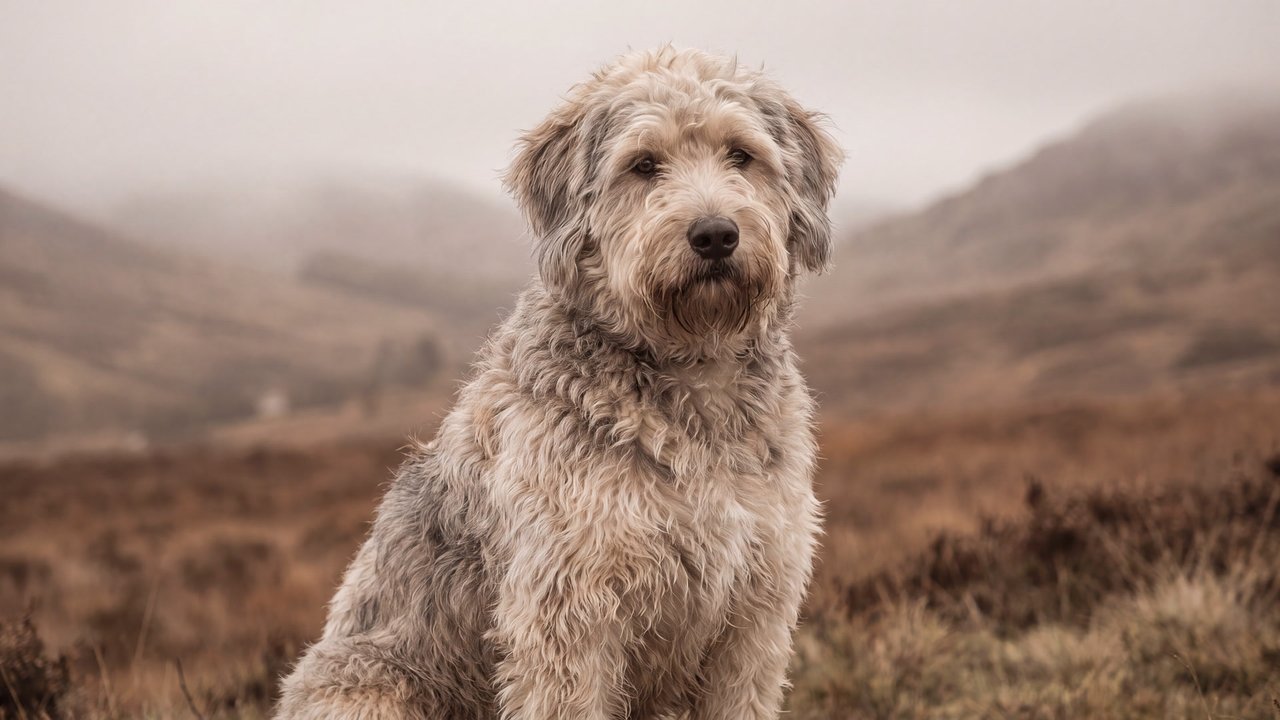

Medium-sized dog
Concept
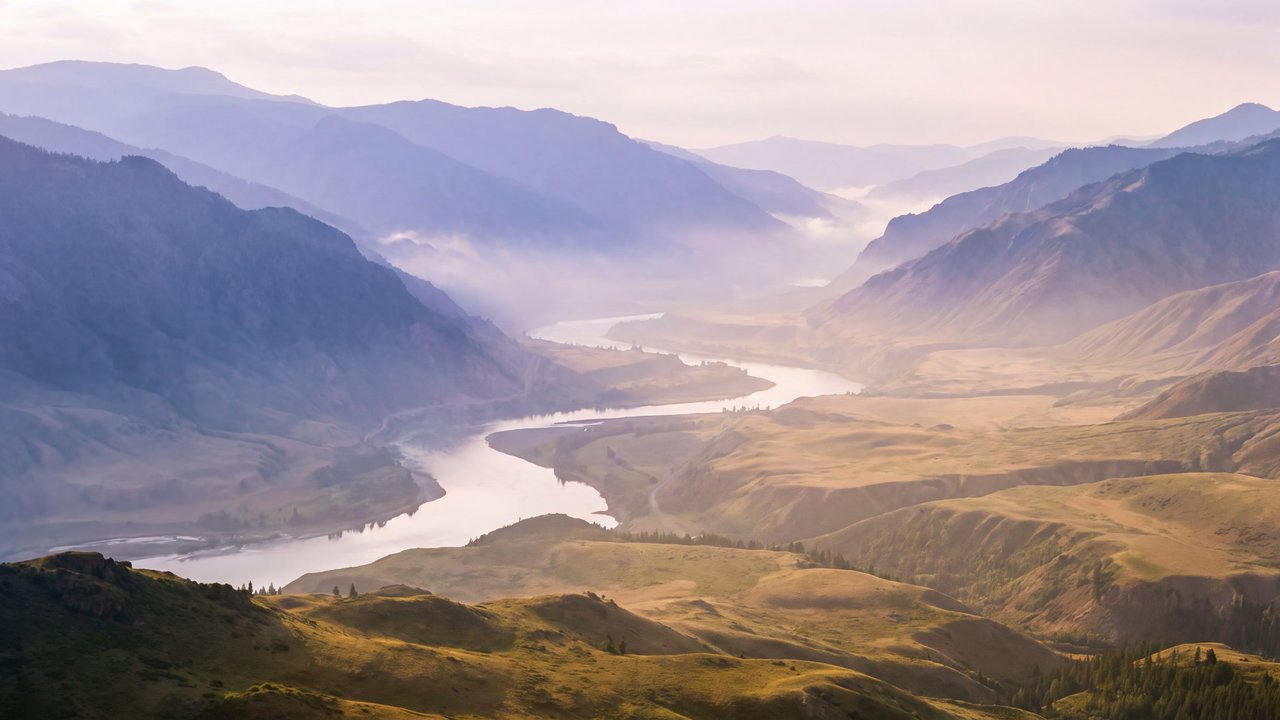
Aerial perspective
A depth treatment that makes distant forms paler, cooler, and less distinct.
Compare ↗Concept / Soft tonal gradation
A tonal treatment in which brightness changes gradually rather than abruptly
A tonal treatment in which brightness changes gradually rather than abruptly.

Medium-sized dog
Both languages share the English example images. Japanese prompts are the recorded translations.
Makes brightness transitions gradual.
Brightness transitions gradually and volume appears gentle.
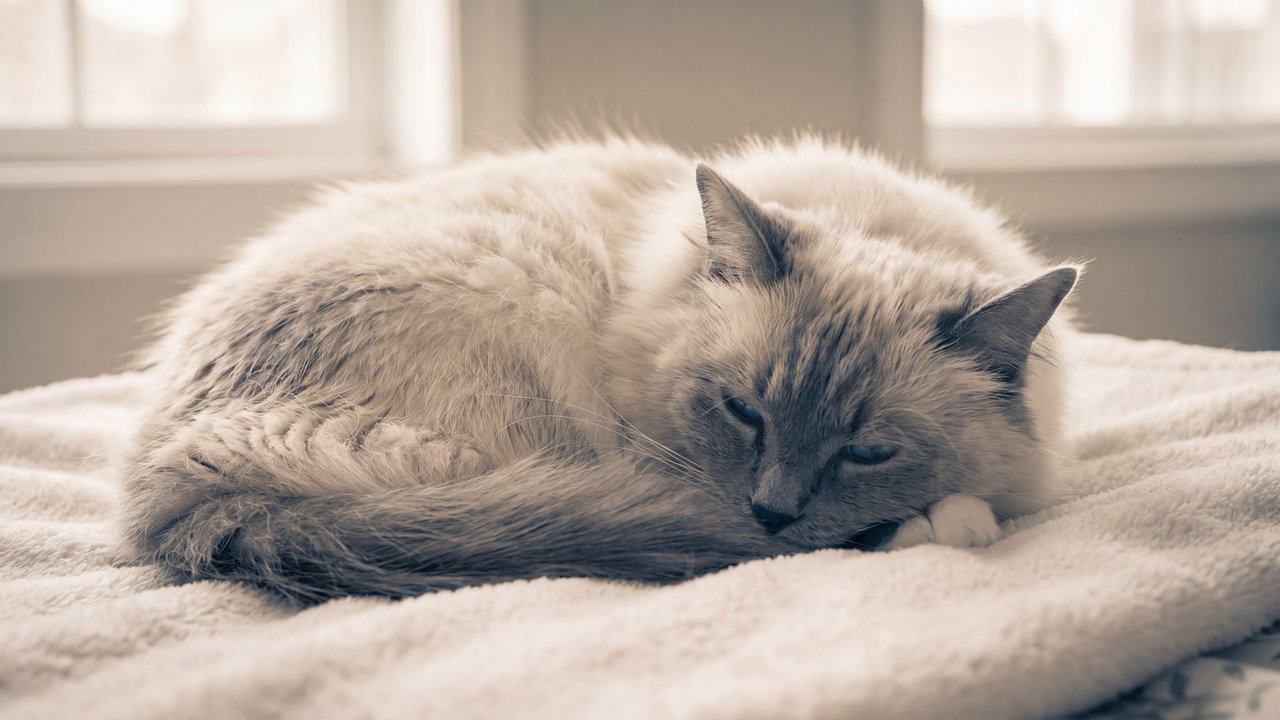
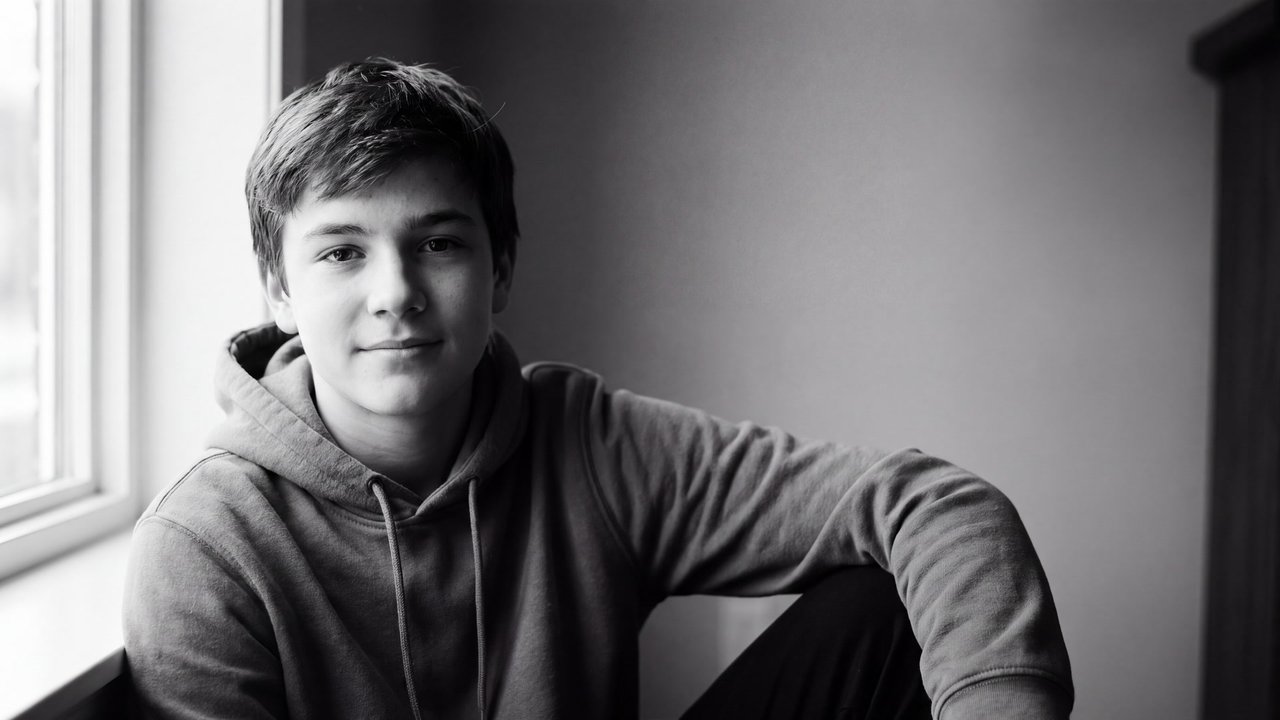
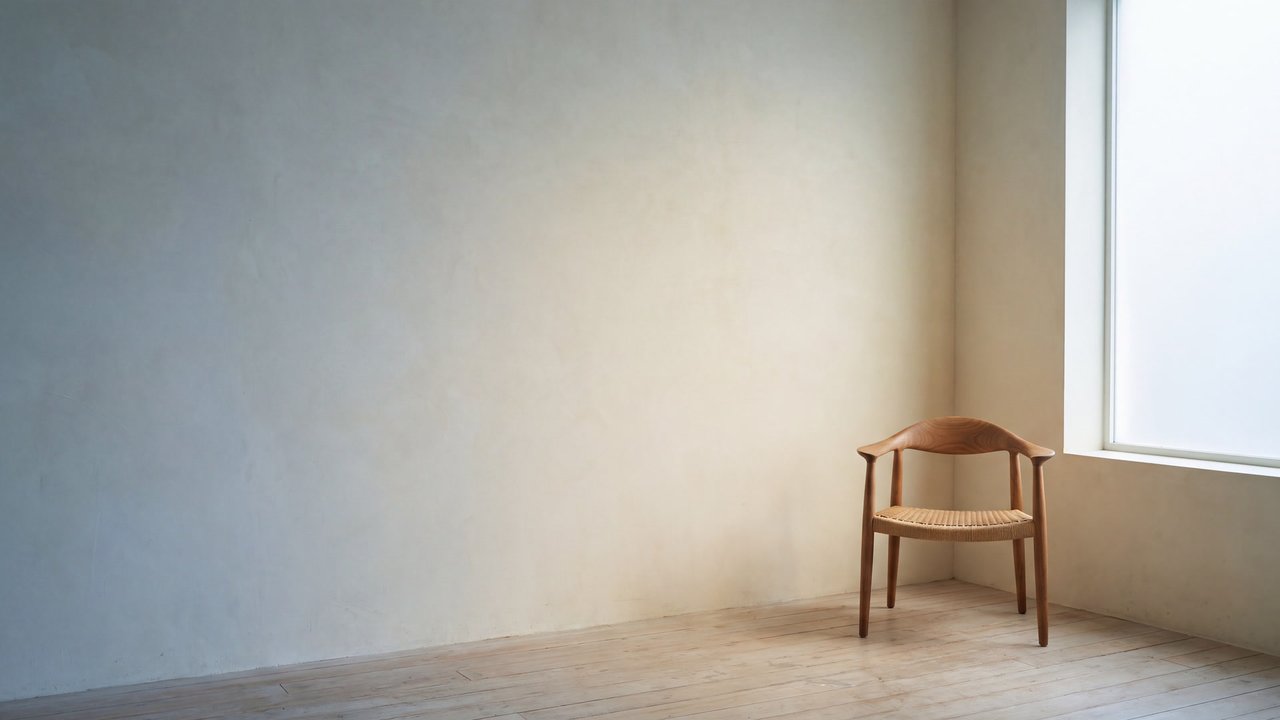
Soft tonal gradation makes transitions from light to dark appear gradual. It does not determine a particular light source, time of day, hue, or blur.
It avoids hard tonal steps so volume and atmosphere appear continuous. Color, contrast, and light direction remain separate choices.
Overall contrast and light direction can be adjusted separately.
Content updated:
Items linked through explicit membership in the same theme.
Medium-sized dog
Concept
A depth treatment that makes distant forms paler, cooler, and less distinct.
Compare ↗
Medium-sized dog
Concept
A composition that balances off-center elements through visual weight.
Compare ↗
Medium-sized dog
Concept
A composition that places the main subject on the image's central axis for focus and stability.
Compare ↗