


Angry person in a quiet room
Concept
Angry expression
A facial expression in which anger is legible through tension in the brows, eyes, or mouth.
Compare ↗Concept / Separation between subjects
A placement relation in which two or more subjects have a clear spatial gap or separating boundary between them without touching or overlapping
A placement relation in which two or more subjects have a clear spatial gap between them.

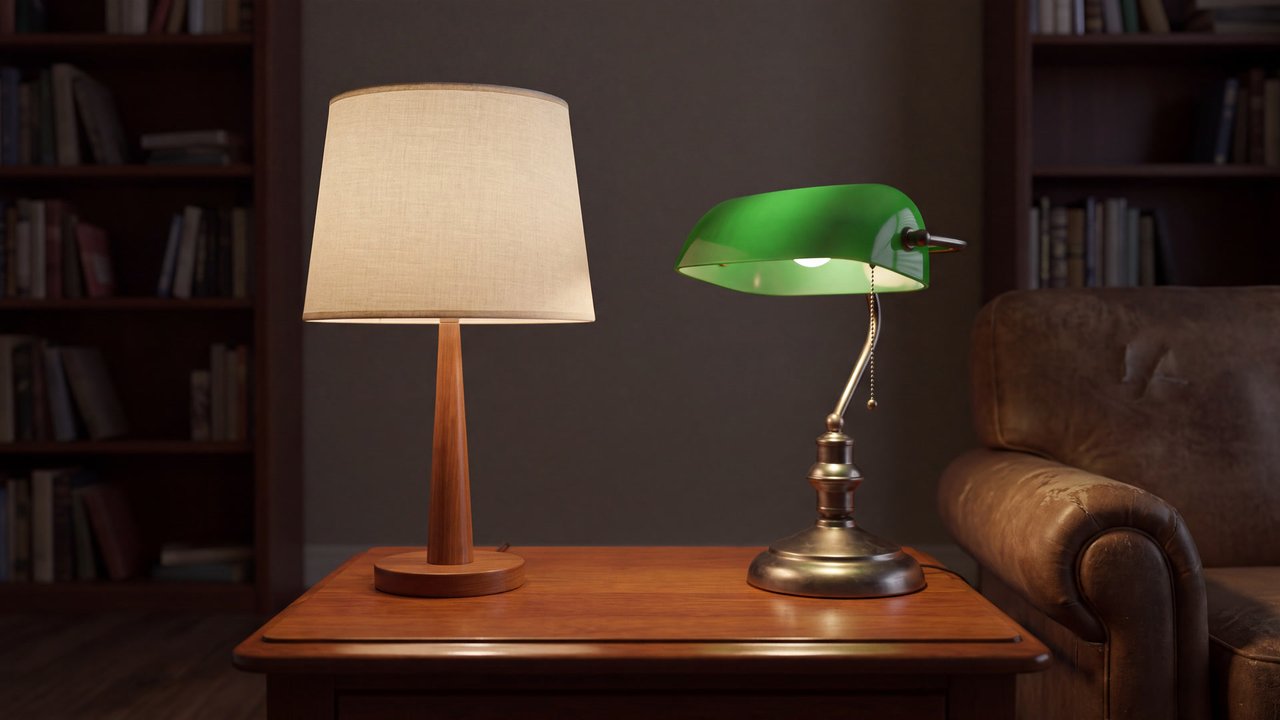
Two lamps placed near one another
The standard comparison motif cannot compare a clear gap between two subjects, so it is replaced with two nearby neutral subjects that do not touch or overlap and do not yet emphasize separation.
Both languages share the English example images. Japanese prompts are the recorded translations.
Creates a clear spatial gap between subjects.
Two or more subjects do not touch or overlap, and a clear open area or boundary is visible between them.
The standard comparison motif cannot compare a clear gap between two subjects, so it is replaced with two nearby neutral subjects that do not touch or overlap and do not yet emphasize separation.
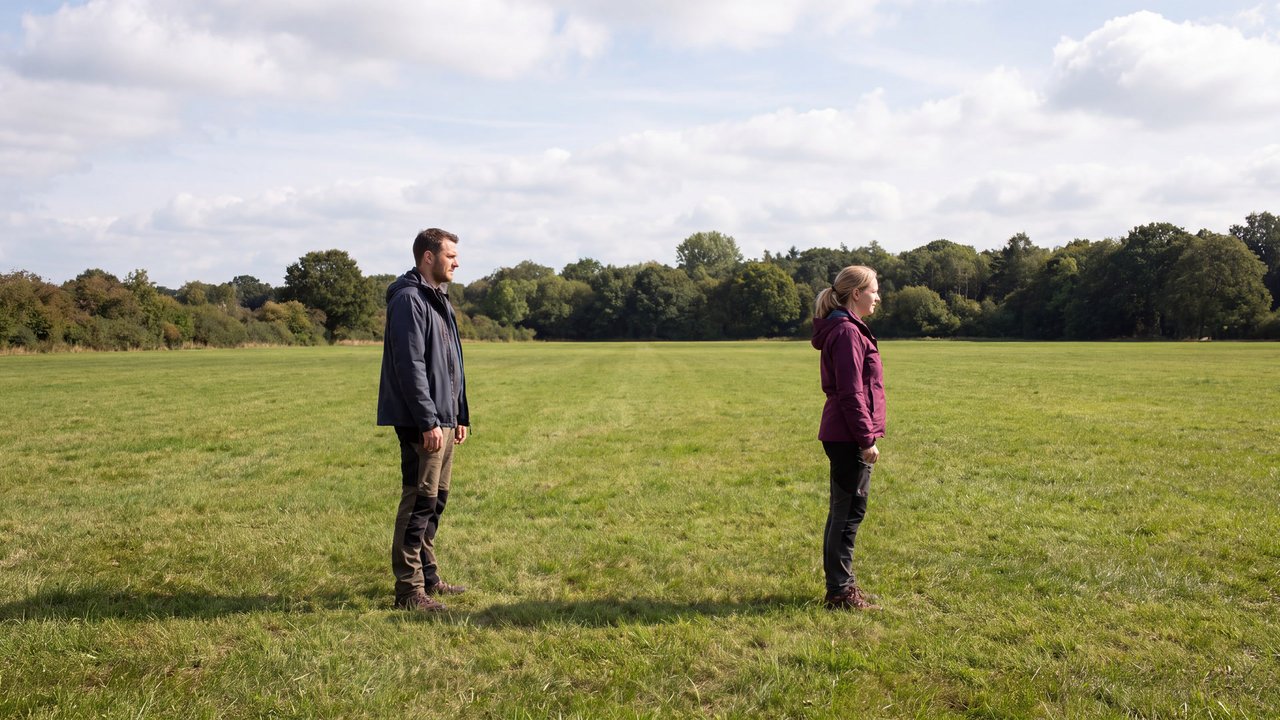
two people standing near one another in an open area, with outlines that do not touch or overlap and no emphasized gap
The standard comparison motif cannot compare a clear gap between two subjects, so it is replaced with two nearby neutral subjects that do not touch or overlap and do not yet emphasize separation.
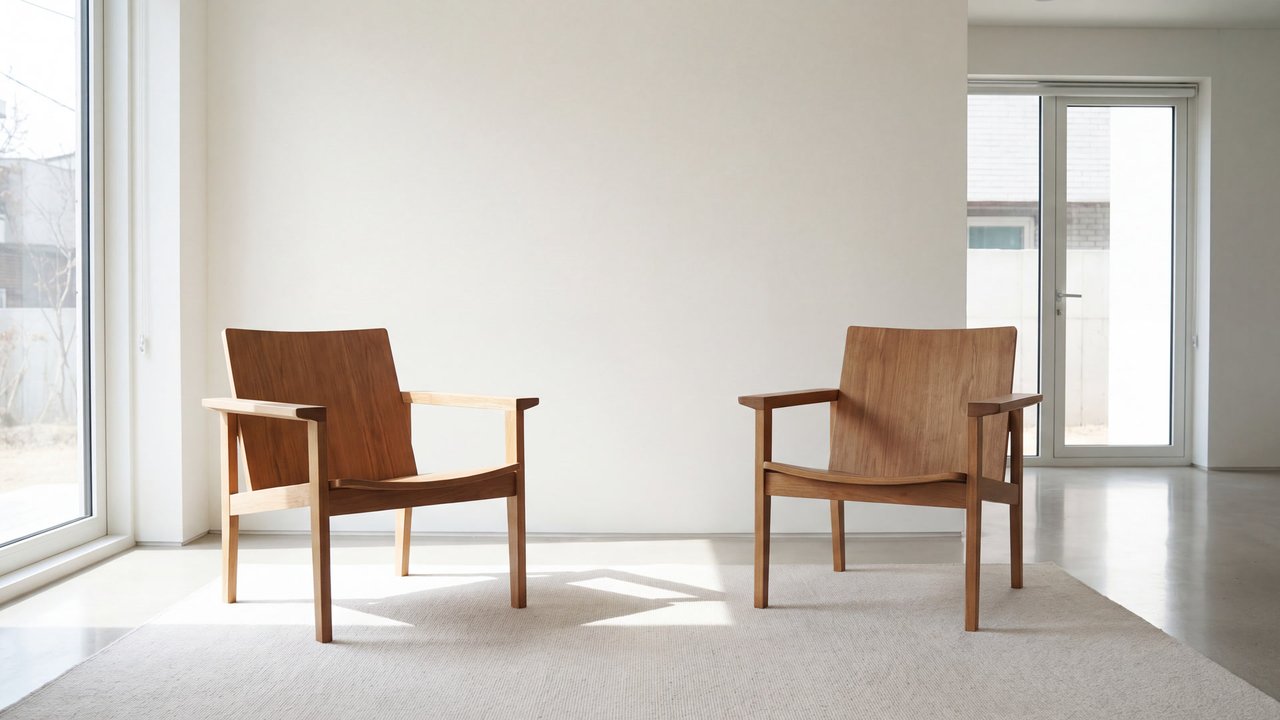
two chairs placed near one another in a bright room, with outlines that do not touch or overlap and no emphasized gap
The standard comparison motif cannot compare a clear gap between two subjects, so it is replaced with two nearby neutral subjects that do not touch or overlap and do not yet emphasize separation.
two trees standing near one another on level ground, with outlines that do not touch or overlap and no emphasized gap
The standard comparison motif cannot compare a clear gap between two subjects, so it is replaced with two nearby neutral subjects that do not touch or overlap and do not yet emphasize separation.
two lamps placed near one another in a quiet room, with outlines that do not touch or overlap and no emphasized gap
The standard comparison motif cannot compare a clear gap between two subjects, so it is replaced with two nearby neutral subjects that do not touch or overlap and do not yet emphasize separation.
two rocks near one another in a calm outdoor area, with outlines that do not touch or overlap and no emphasized gap
Separation between subjects is a placement relation in which two or more subjects have a clear spatial gap or separating boundary between them without touching or overlapping. It does not determine feelings of parting, divorce, social division, ownership, conflict, or direction of movement.
It concerns a clear gap between subjects. It is distinct from left-right, front-back, or above-below order by itself and from a small temporary spacing.
The subjects, width of the gap, appearance of the boundary, and location can be adjusted separately.
Content updated:
Items linked through explicit membership in the same theme.
Angry person in a quiet room
Concept
A facial expression in which anger is legible through tension in the brows, eyes, or mouth.
Compare ↗
Arms-crossed person in a quiet room
Concept
A static bodily stance with both arms crossed before the chest.
Compare ↗
Person looking aside in a quiet room
Concept
A gaze directed away to the side rather than toward the frontal focus.
Compare ↗