
Angry person in a quiet room
Concept
Angry expression
A facial expression in which anger is legible through tension in the brows, eyes, or mouth.
Compare ↗Concept / Rescue event
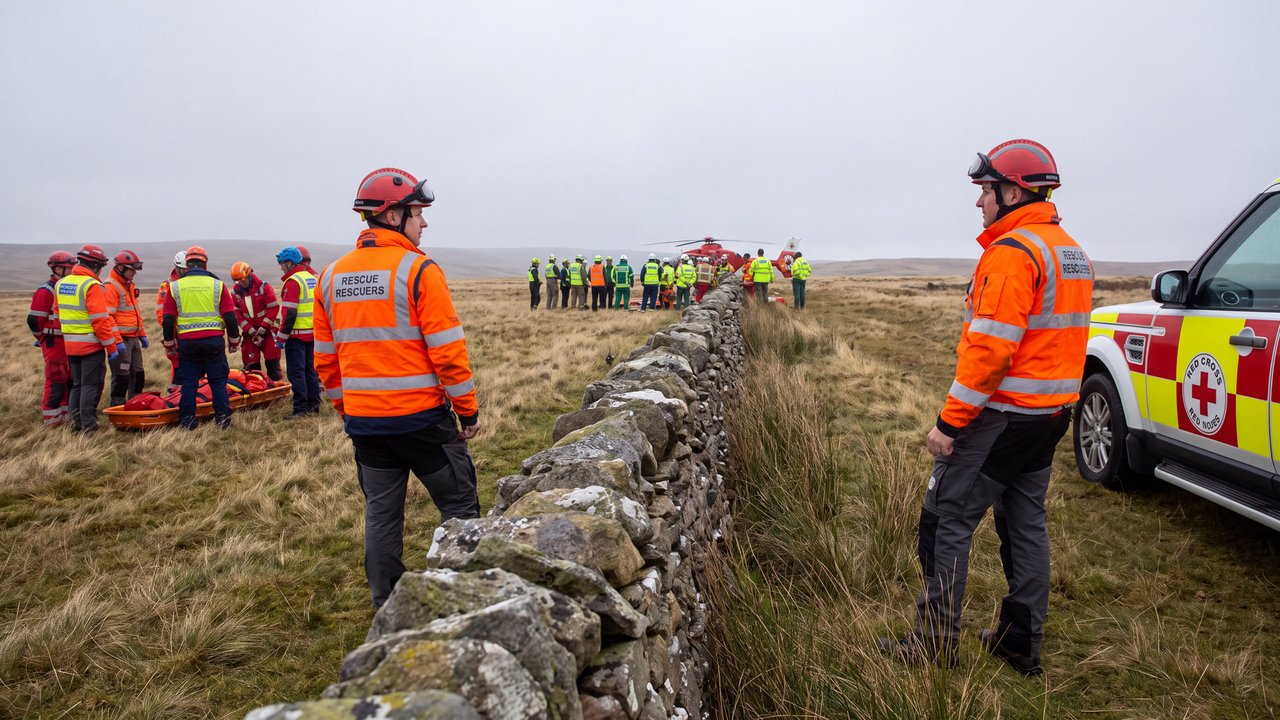
An event in which one subject moves or supports another subject from a hazardous or difficult situation toward safety.
An event in which one subject moves or supports another subject in difficulty toward safety.

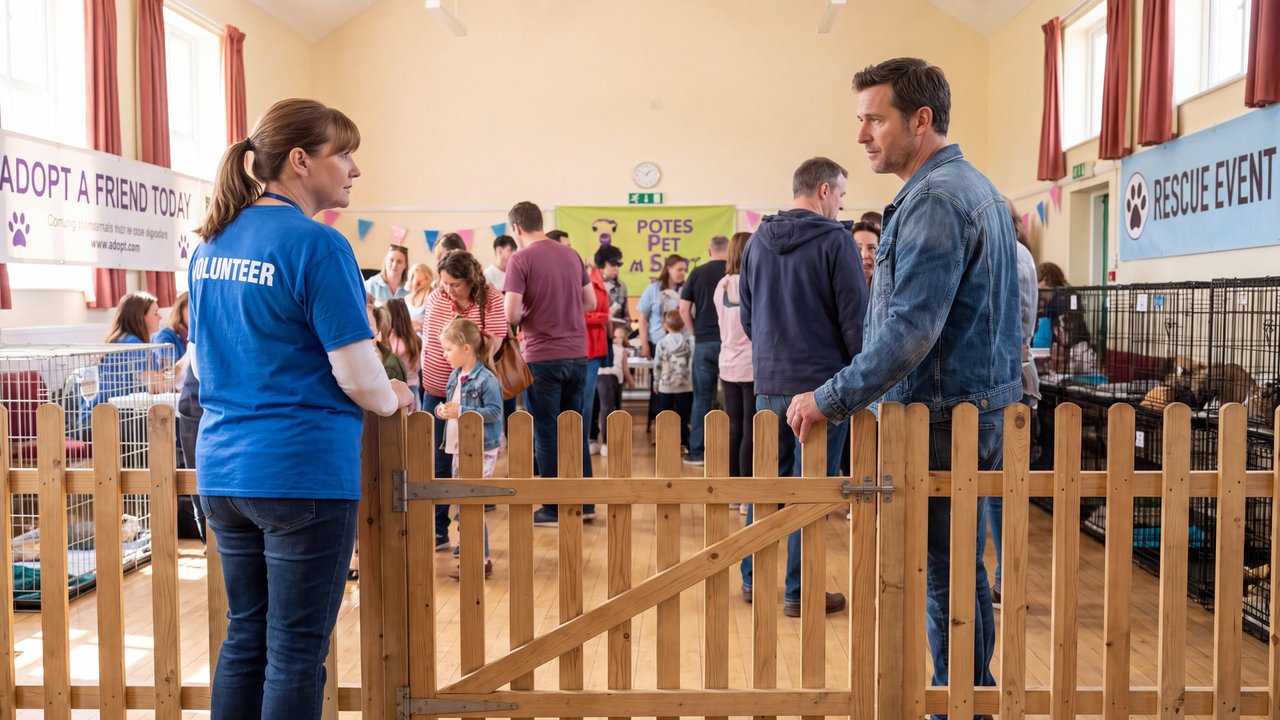
Two people standing apart beside a closed low gate
An unoccupied quiet room cannot show a possible supporter, a possible subject, and a mild obstacle, so it is replaced with two people and a closed low gate before rescue begins.
Both languages share the English example images. Japanese prompts are the recorded translations.
Directs the image toward a scene in which one subject moves or supports another subject in difficulty toward safety.
A supporting subject guides another subject from a difficult position or state toward a safer one.
A seated dog alone cannot show a possible supporter, a possible subject, and a mild obstacle, so it is replaced with two neutral people and a low step before rescue begins.
two people standing without attending to one another on opposite sides of a low step in an open area
A seated cat cannot show a possible supporter, a possible subject, and a neutral obstacle to movement, so it is replaced with two people and a narrow path before rescue begins.
two people standing without looking at one another on opposite sides of a narrow path on level ground
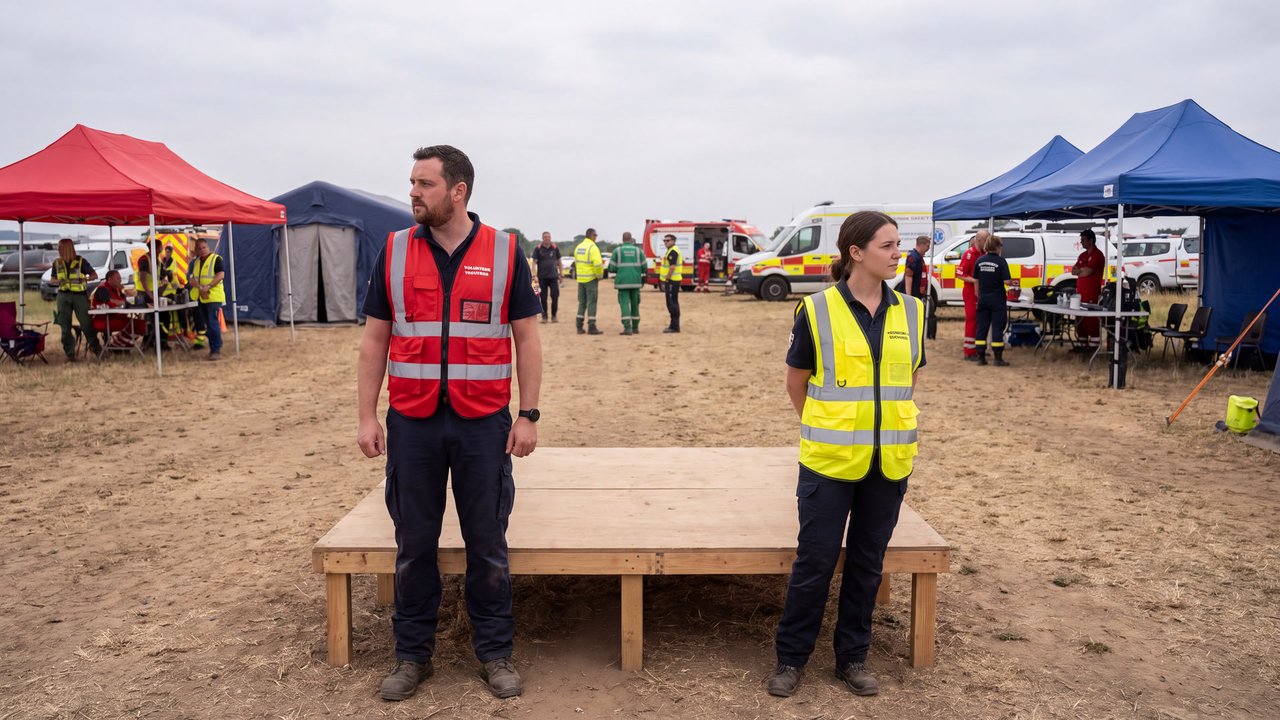
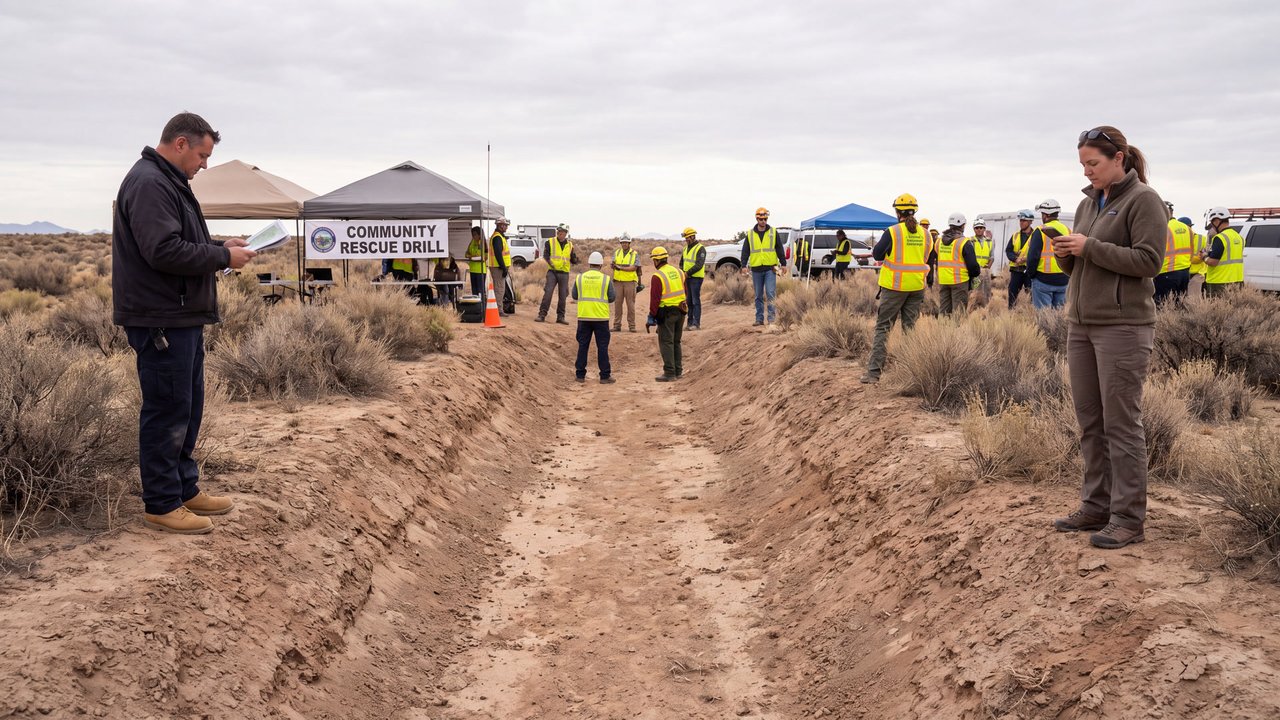
A fixed image of a boy alone cannot show a possible supporter, a possible subject, and a mild obstacle, so it is replaced with two neutral people and a dry shallow ditch before rescue begins.
two people standing without attending to one another on opposite sides of a dry shallow ditch
An unoccupied quiet room cannot show a possible supporter, a possible subject, and a mild obstacle, so it is replaced with two people and a closed low gate before rescue begins.
two people standing without looking at one another on opposite sides of a closed low gate in a bright room
A landscape alone cannot show a possible supporter, a possible subject, and a mild obstacle, so it is replaced with two neutral people and a low stone ridge before rescue begins.
two people standing without attending to one another on opposite sides of a low stone ridge in open level ground
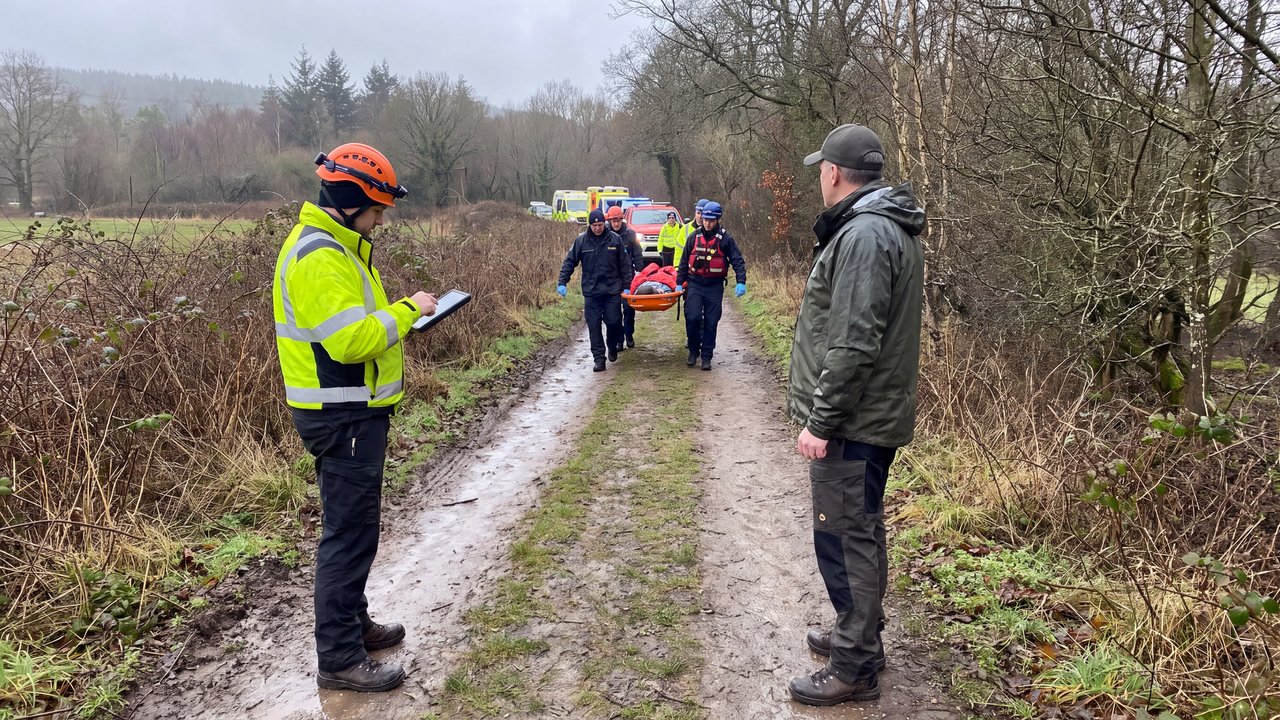
A rescue event occurs when one subject moves or supports another subject from a hazardous or difficult situation toward safety. It does not determine injury, blood, death, disaster, crime, occupation, heroism, success, or a specific rescue procedure.
It centers on a transition from difficulty toward safety and the relationship between the supporting subject and the subject being supported. It is distinct from general assistance, depicting an accident alone, and the outcome of a rescue.
The kind of subjects, degree of difficulty, safe location, and form of support can be adjusted separately.
Content updated:
Items linked through explicit membership in the same theme.
Angry person in a quiet room
Concept
A facial expression in which anger is legible through tension in the brows, eyes, or mouth.
Compare ↗
Arms-crossed person in a quiet room
Concept
A static bodily stance with both arms crossed before the chest.
Compare ↗
Person looking aside in a quiet room
Concept
A gaze directed away to the side rather than toward the frontal focus.
Compare ↗