
Concept / religious iconography
religious iconography
An image context for religious subjects, symbols, and scenes
An image context for religious subjects, symbols, ritual objects, and scenes.

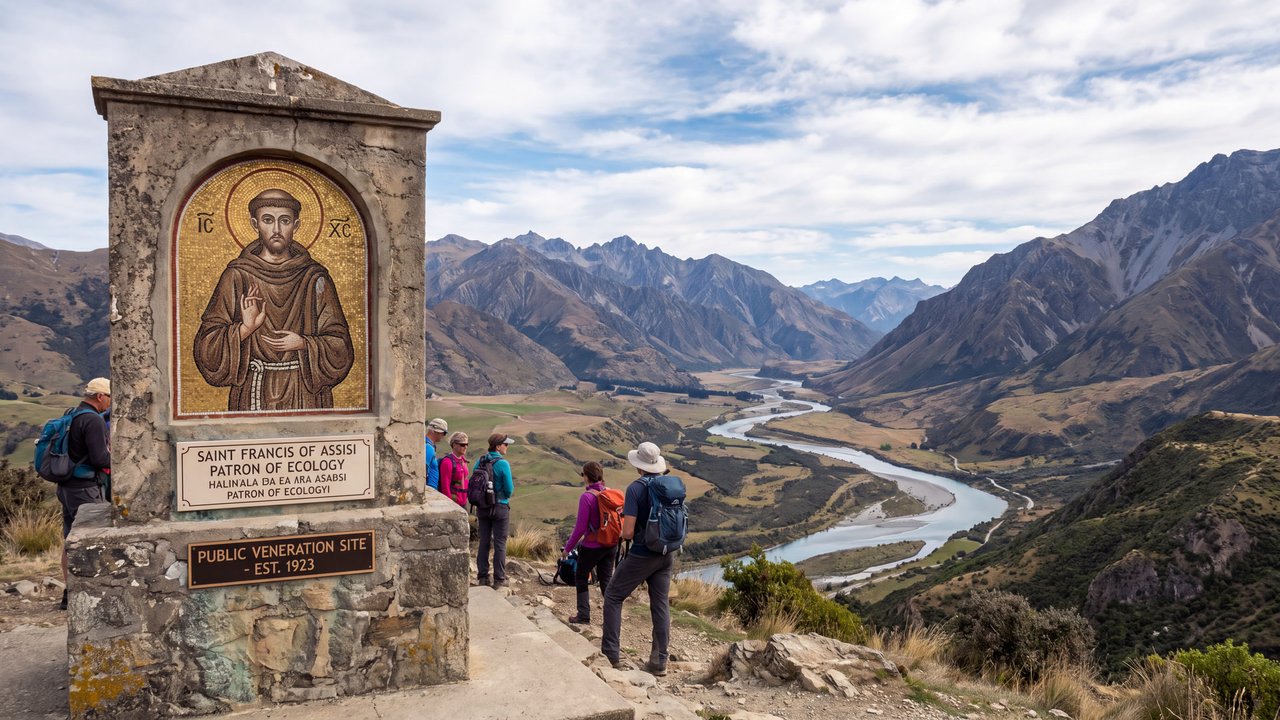
Valley with a river and mountain ranges
Both languages share the English example images. Japanese prompts are the recorded translations.
A phrase to start with
Specifies documented religious-image context without automatically adding a tradition or sacred meaning.
Appearance and effects
It handles religious subjects and symbols while retaining verified context and public scope.
Visual traits
- distinction of subjects and symbols
- verified context and public scope
Expected changes
- when a verified subject or general religious representation is added
- the image is more likely to retain that distinction
Five examples
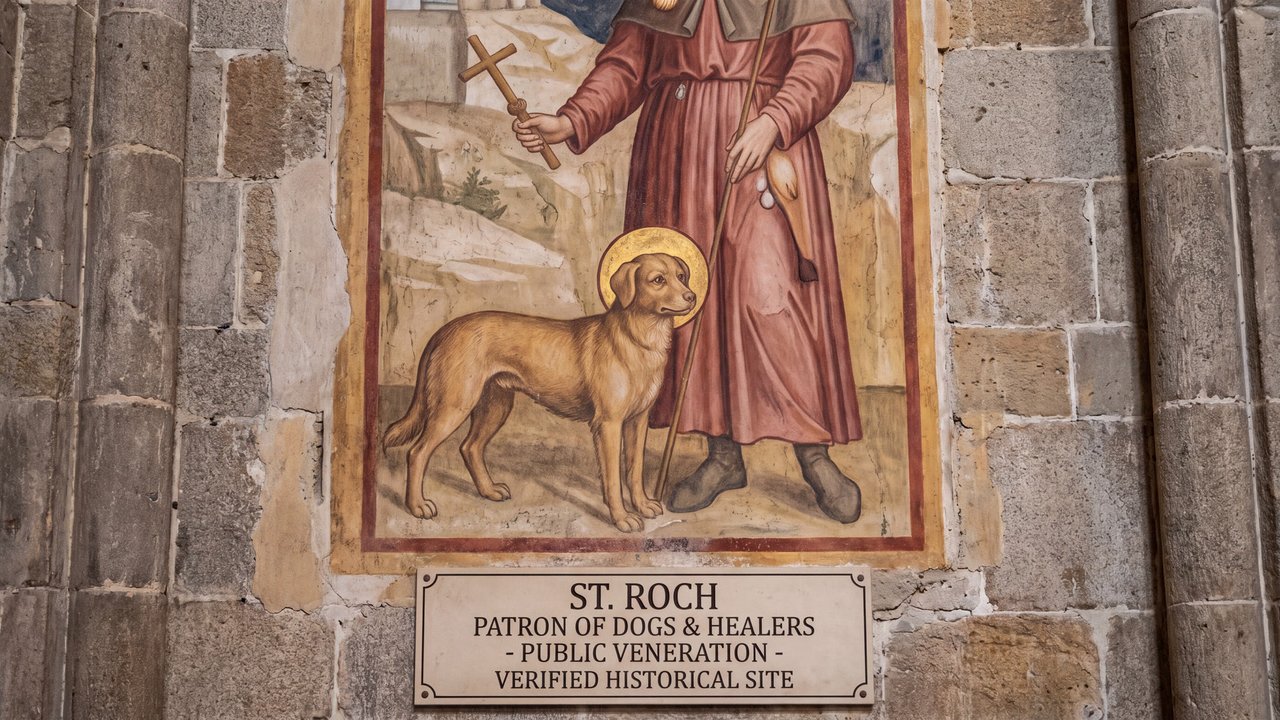
1 — Medium-sized dog
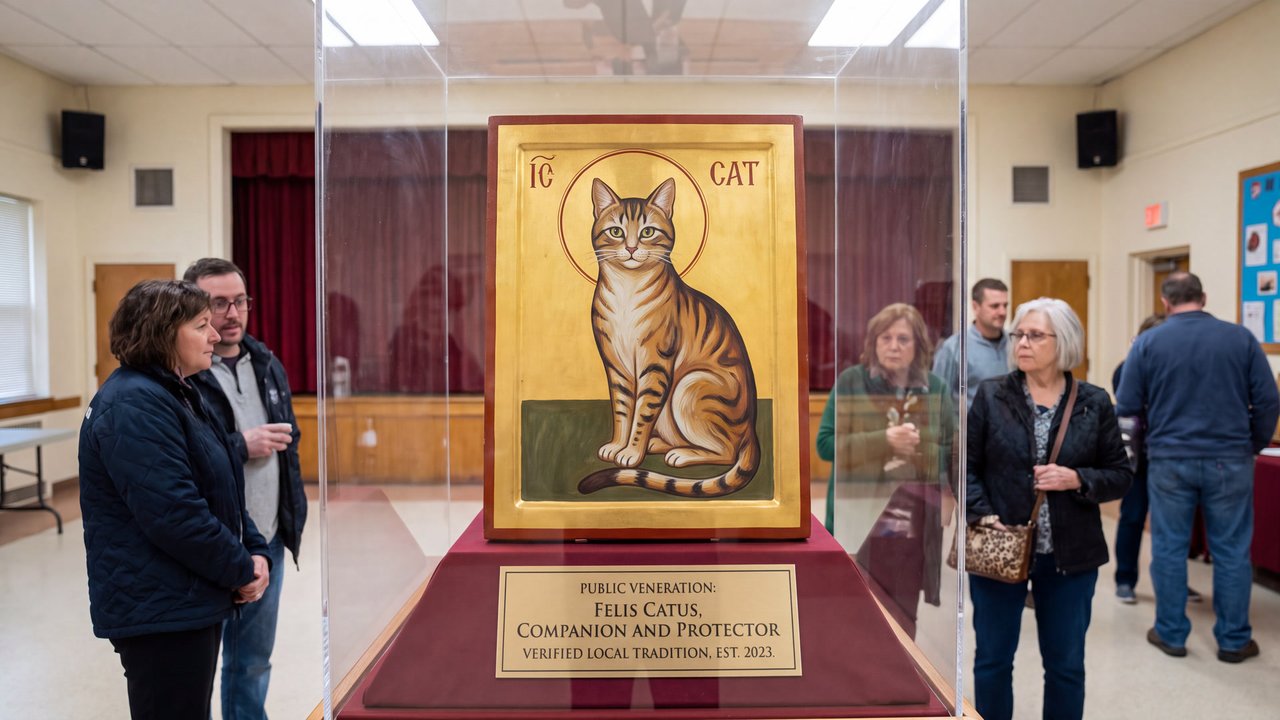
Open image ↗2 — Cat
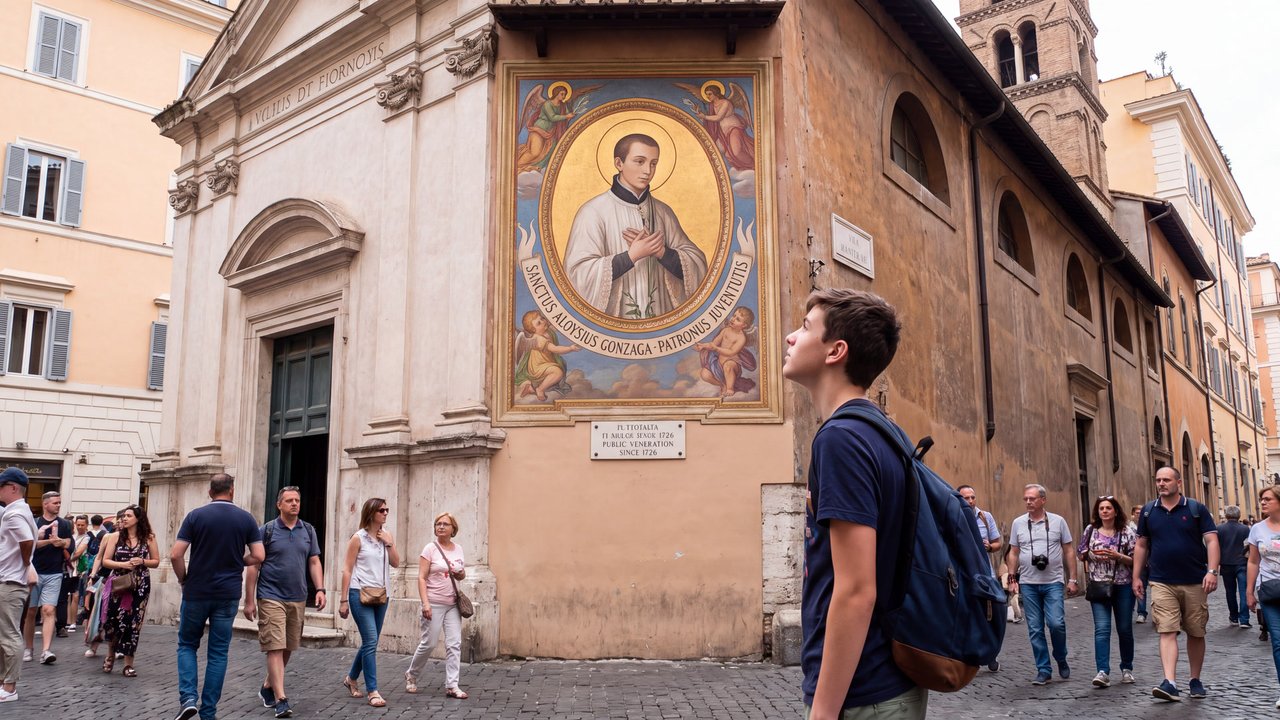
Open image ↗3 — Teenage boy
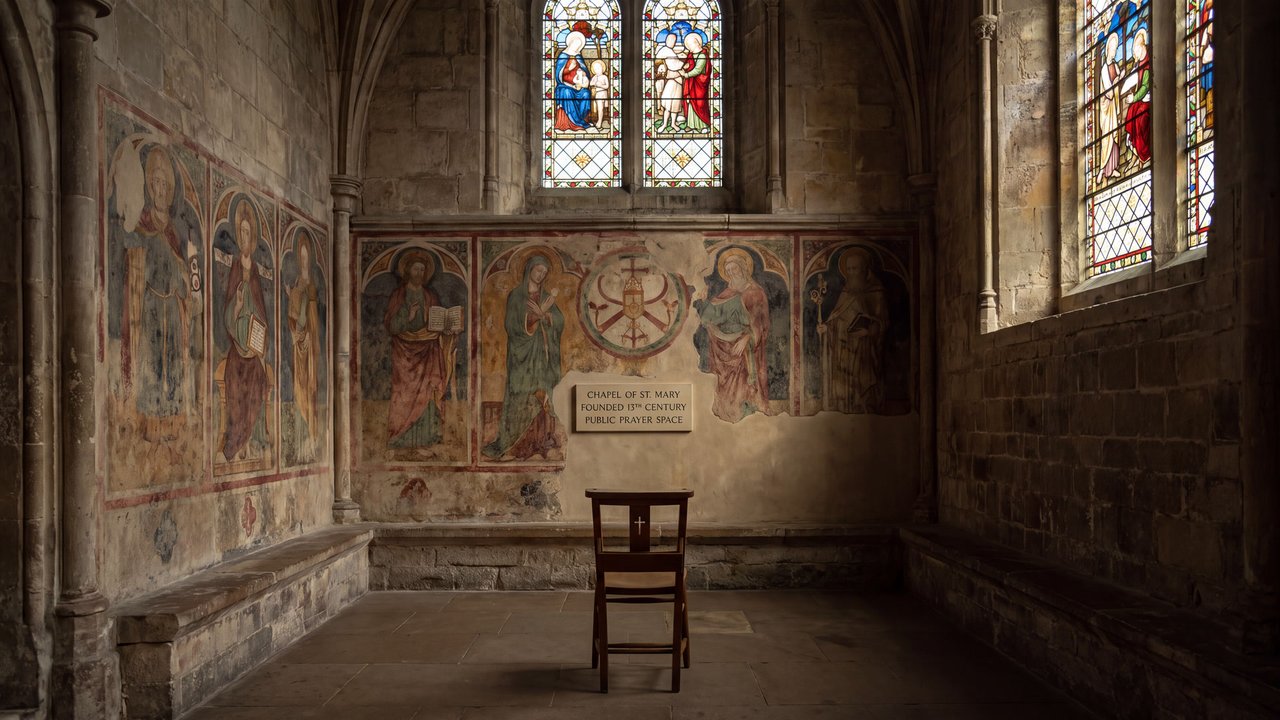
Open image ↗4 — Unoccupied interior
Open image ↗5 — Valley with a river and mountain ranges
Open image ↗Meaning and scope
Definition
Religious iconography concerns scenes depicting religious subjects, persons, narratives, symbols, and ritual objects. It distinguishes general religious representation from a named person, narrative, or scene, using the latter's name only when individually verified.
In more detail
Handle depicted subject, documented classification, religious meaning, community context, and public or use conditions separately. Do not identify an object of belief by inference or generalize the public scope of restricted or sacred imagery.
Includes
- image context that distinguishes verified subjects from general religious representation
Excludes
- generic religious-icon styling or sacred decoration
- unsupported identification of a named object of belief narrative or scene
What this does not imply
- a particular religion tradition object of belief person narrative ritual or permission to publish sacred material
Variability
Adjust subject, person, narrative, community context, and public scope from individual authority references and source bodies.
Usage and adjustments
Usage
- Do not automatically add a named object of belief tradition or narrative; specify only verified subject and context
Distinguish similar expressions
- Specify a named person narrative scene or community public scope separately only when verified by an individual authority
Typical uses
- compose iconographic scenes with people animals quiet spaces or landscapes only within verified subjects and public scope
Possible failure modes
- identifying an object of belief by an unsupported name
- blending iconography from different traditions or communities
- treating restricted or sacred imagery as generic decoration
Content updated:
From the same theme
Items linked through explicit membership in the same theme.


A neutral stone against a plain background
Concept
Celebration theme
A narrative theme centered on sharing joy or an achievement through celebration.
Compare ↗