

Medium-sized dog
Concept
Aerial perspective
A depth treatment that makes distant forms paler, cooler, and less distinct.
Compare ↗Concept / Rear view
A viewpoint showing a subject from behind
A viewpoint showing a subject from behind.

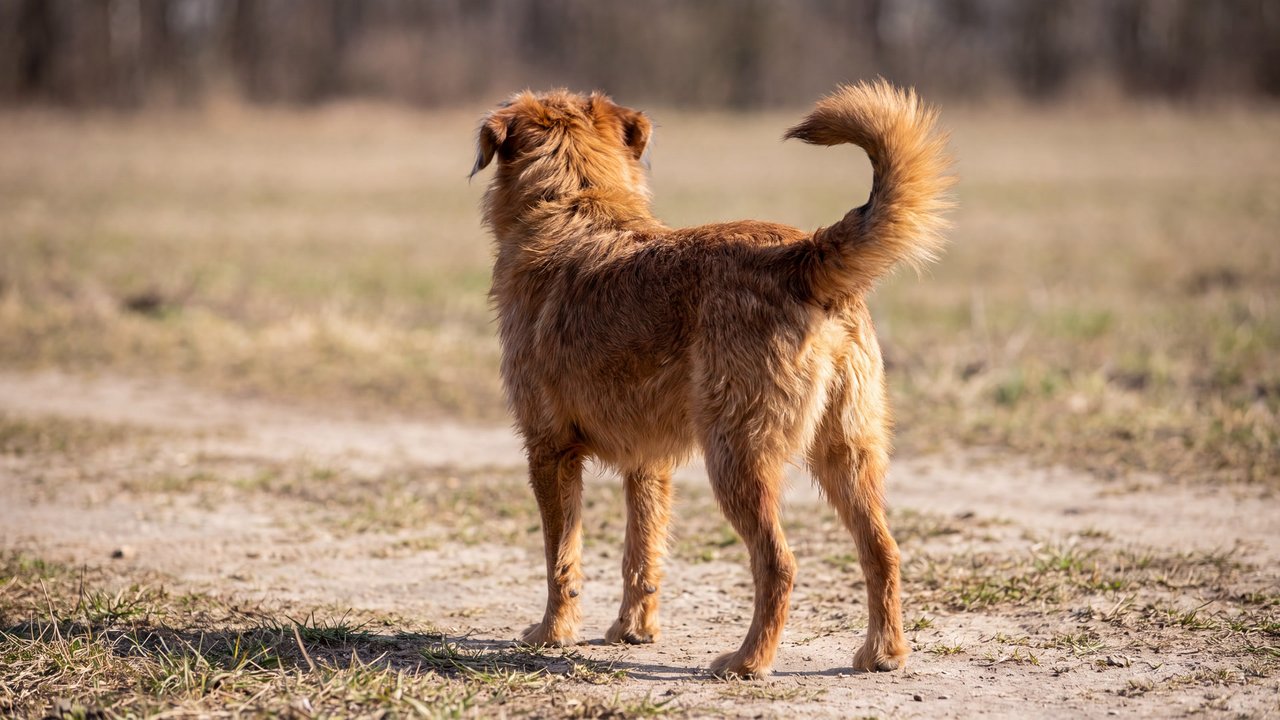
Comparison medium-sized dog
A side-facing seated dog makes a rear view hard to compare, so it is replaced with a standing dog whose direction is unspecified.
Both languages share the English example images. Japanese prompts are the recorded translations.
Shows the subject from behind.
The back and rear of the head face the image, while the face is less visible.
A side-facing seated dog makes a rear view hard to compare, so it is replaced with a standing dog whose direction is unspecified.
a medium-sized dog standing on simple ground
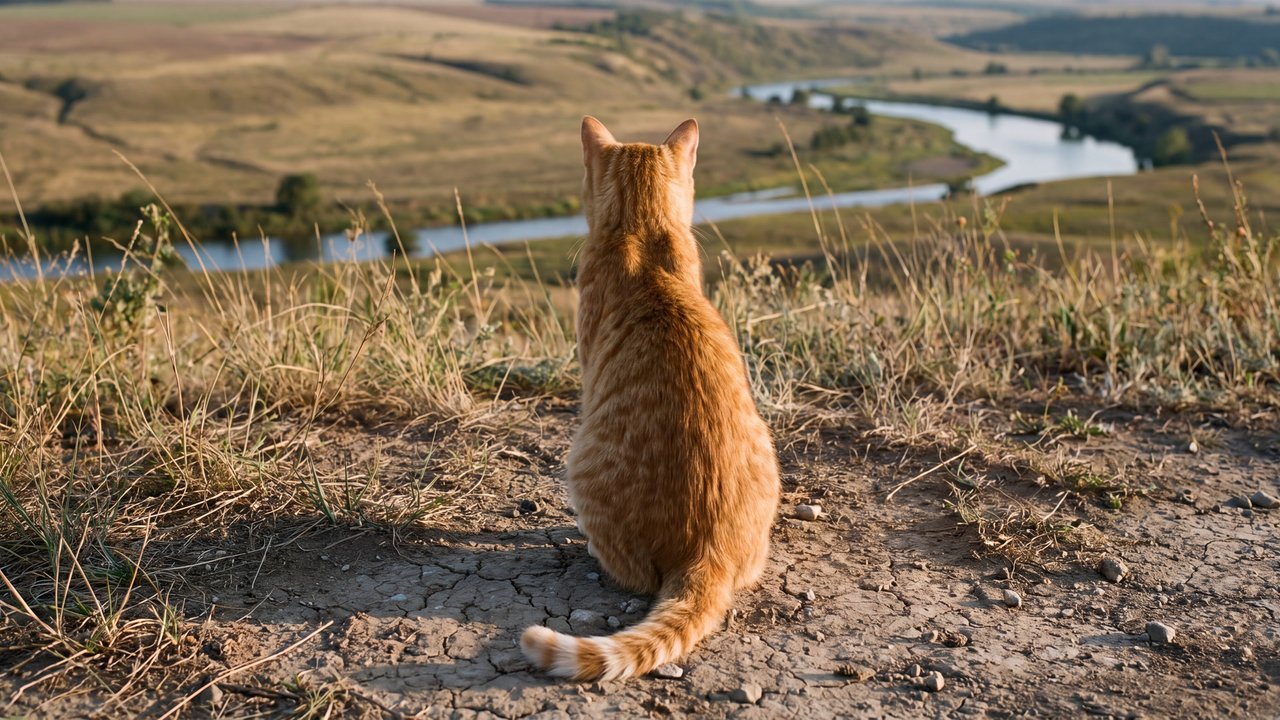
A three-quarter-facing cat makes a rear view hard to compare, so it is replaced with a seated cat whose direction is unspecified.
a cat sitting on simple ground
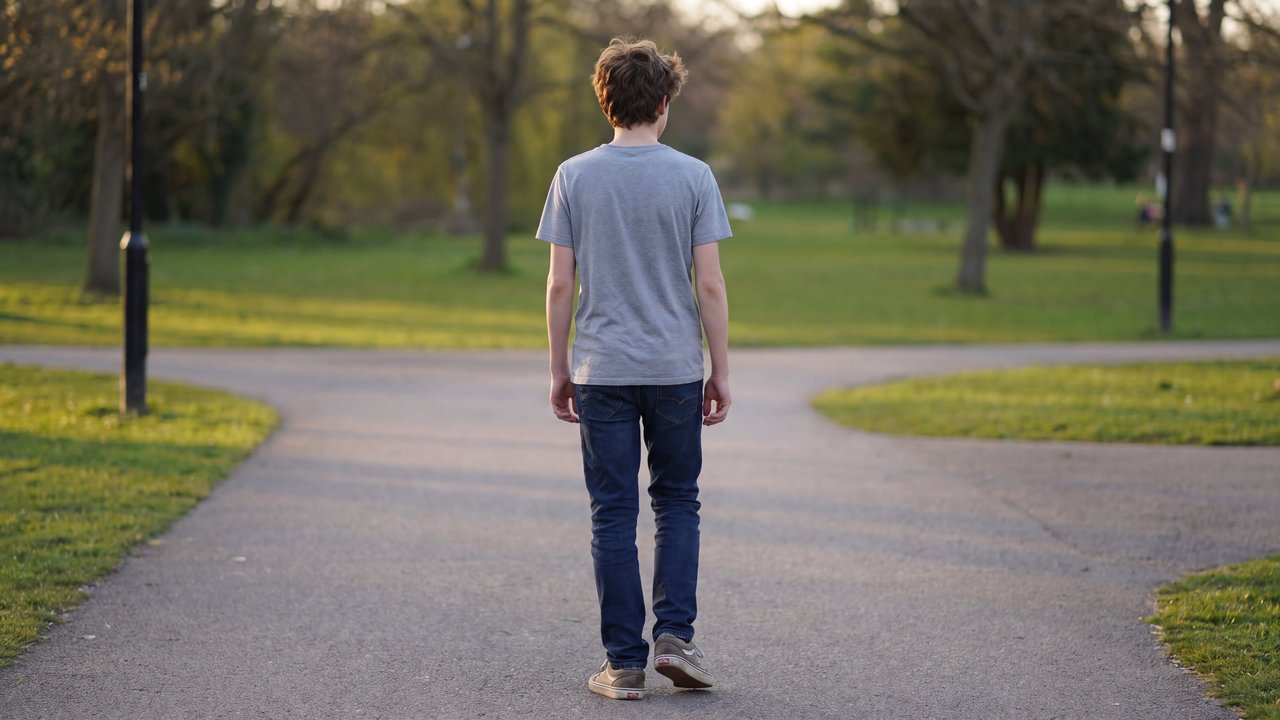
A three-quarter-facing boy makes a rear view hard to compare, so it is replaced with a standing boy whose direction is unspecified.
a standing teenage boy in plain clothing
It places the observer behind a subject to show its back, rear of the head, or back-facing pose. It differs from profile and frontal views.
It can show a walking figure's direction, the back of clothing, or an animal seen from behind. Composition, distance, lens, and lighting remain separately selectable.
Whether to show the whole body, upper body, or head alone is selected separately through framing.
Content updated:
Items linked through explicit membership in the same theme.
Medium-sized dog
Concept
A depth treatment that makes distant forms paler, cooler, and less distinct.
Compare ↗
Medium-sized dog
Concept
A composition that balances off-center elements through visual weight.
Compare ↗
Medium-sized dog
Concept
A composition that places the main subject on the image's central axis for focus and stability.
Compare ↗