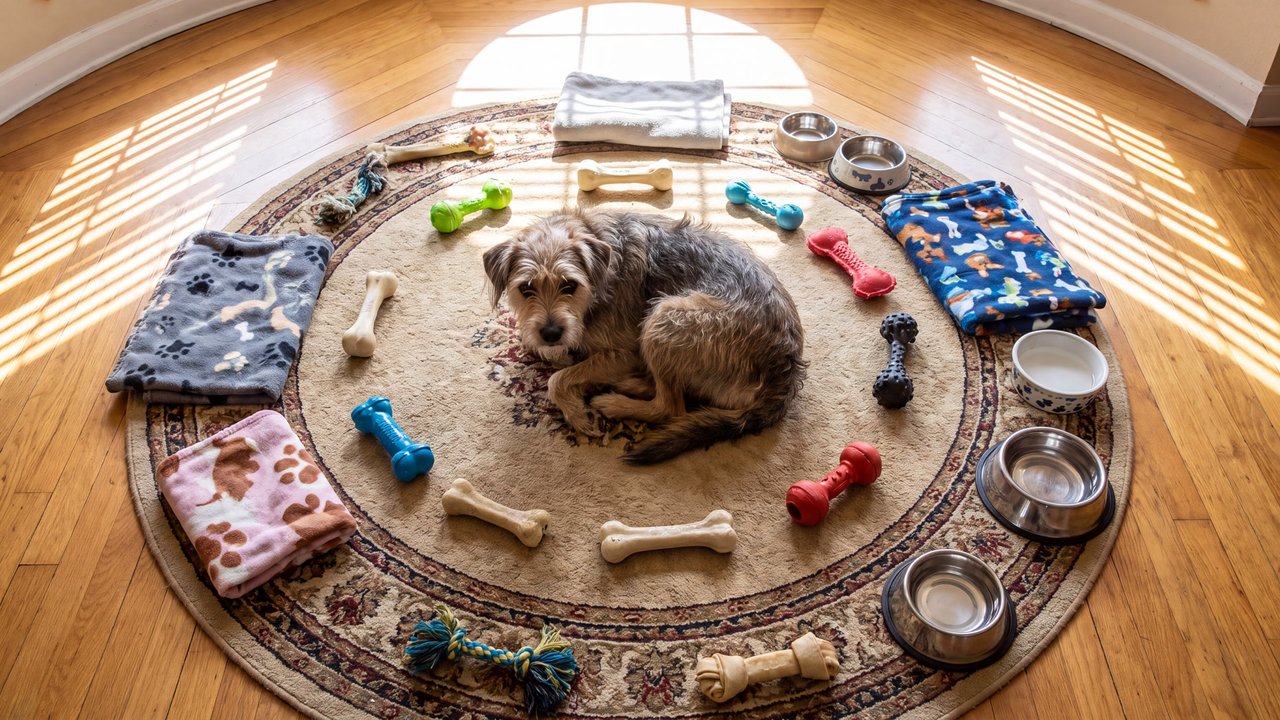




Medium-sized dog
Concept
Aerial perspective
A depth treatment that makes distant forms paler, cooler, and less distinct.
Compare ↗Concept / Radial composition
A composition that radiates lines or elements outward from a center
A composition that radiates lines or elements outward from a center and draws the eye inward.

Medium-sized dog
Both languages share the English example images. Japanese prompts are the recorded translations.
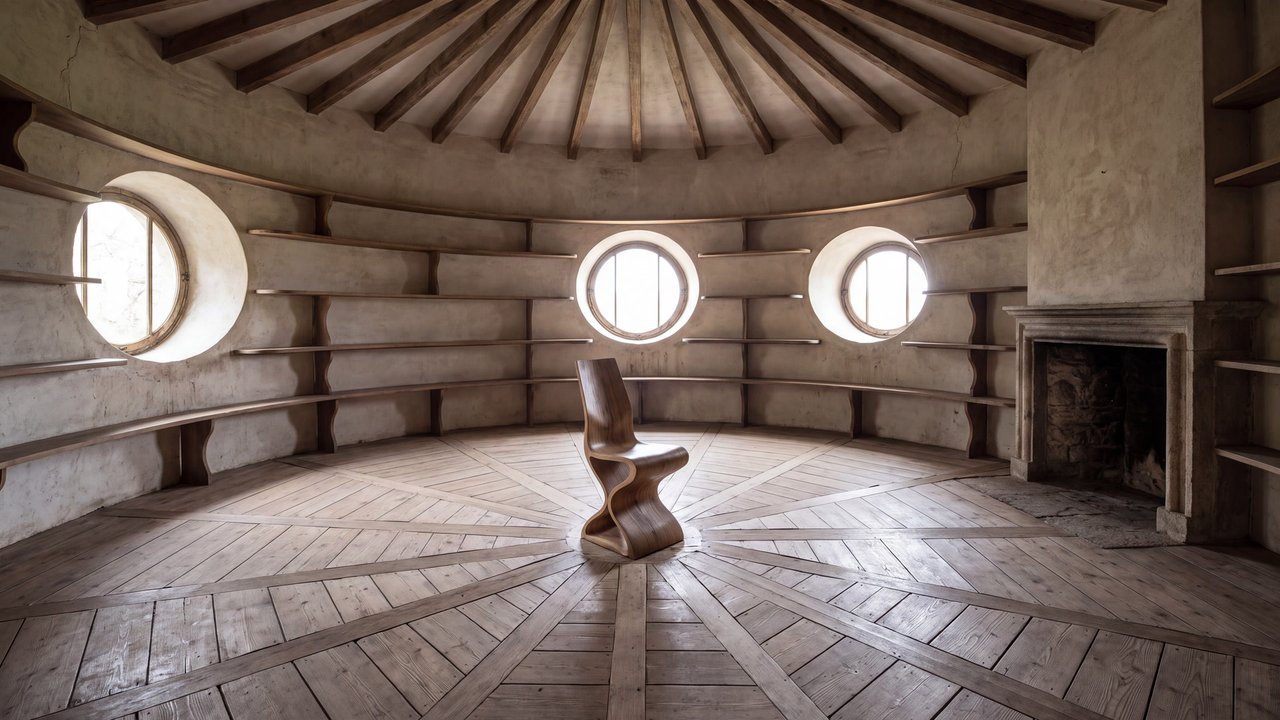
Uses radiating elements from a center to concentrate the eye.
Lines or elements spread from a center and bring the eye back to it.
It arranges roads, branches, rays, arms, or architectural edges around a central point to draw attention toward a subject or space. It differs from a merely circular object or pattern.
It can create movement toward a centered person, flower, building, or light source. Framing, viewpoint, and lighting remain separately selectable.
Adjust concentration through number and strength of radiating lines.
Content updated:
Items linked through explicit membership in the same theme.
Medium-sized dog
Concept
A depth treatment that makes distant forms paler, cooler, and less distinct.
Compare ↗
Medium-sized dog
Concept
A composition that balances off-center elements through visual weight.
Compare ↗
Medium-sized dog
Concept
A composition that places the main subject on the image's central axis for focus and stability.
Compare ↗