
Angry person in a quiet room
Concept
Angry expression
A facial expression in which anger is legible through tension in the brows, eyes, or mouth.
Compare ↗Concept / Procession
An event in which multiple participants move in a shared direction while maintaining an order or line
An event in which multiple participants move in a shared direction while maintaining an order or line.

A small group scattered in a quiet room
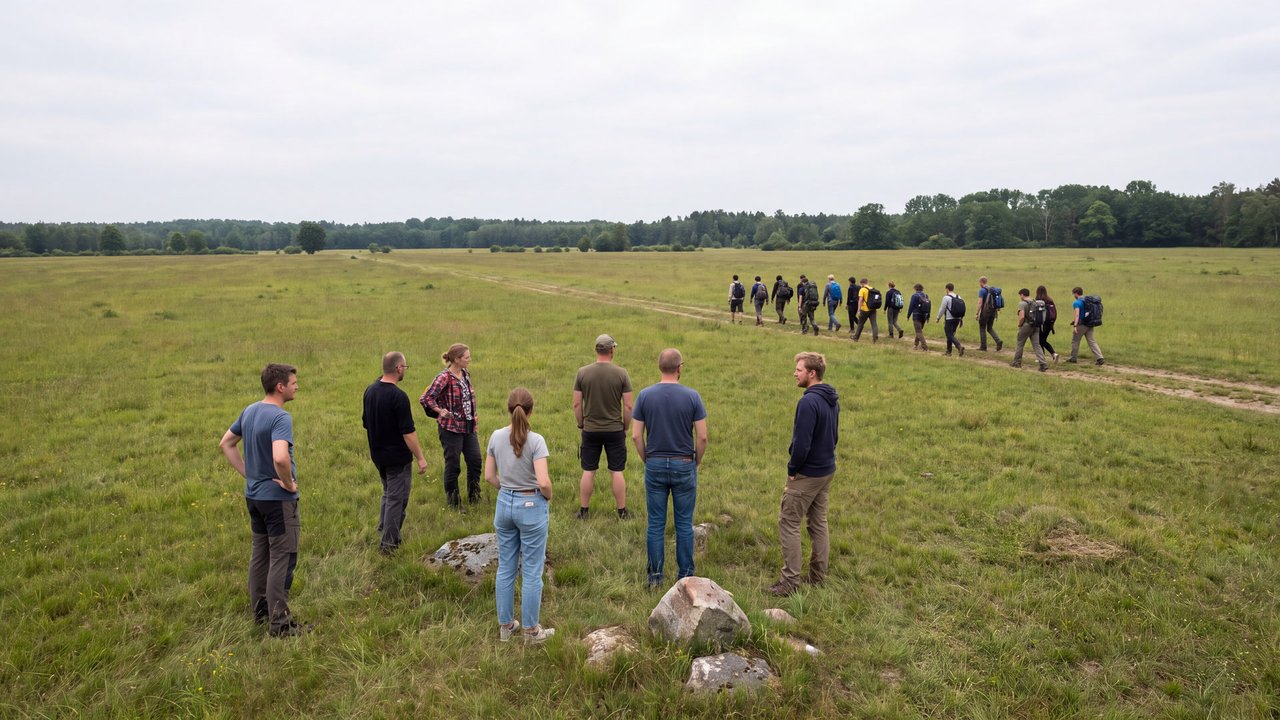
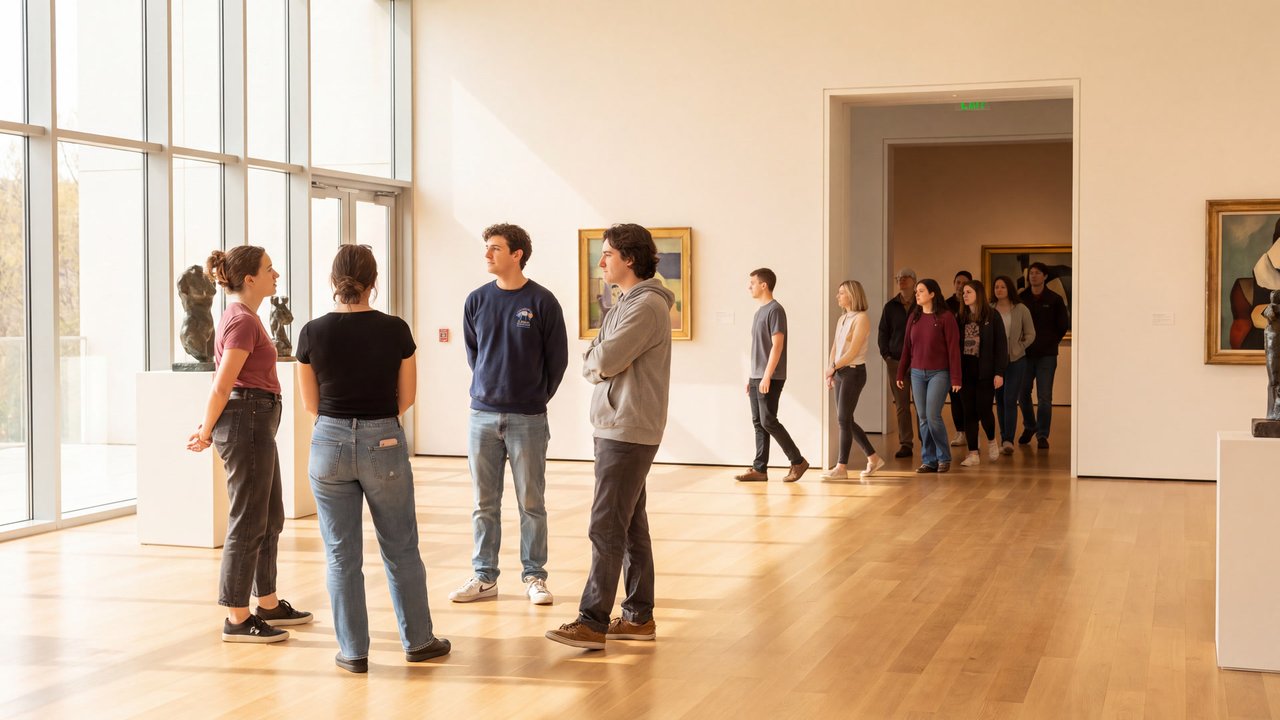
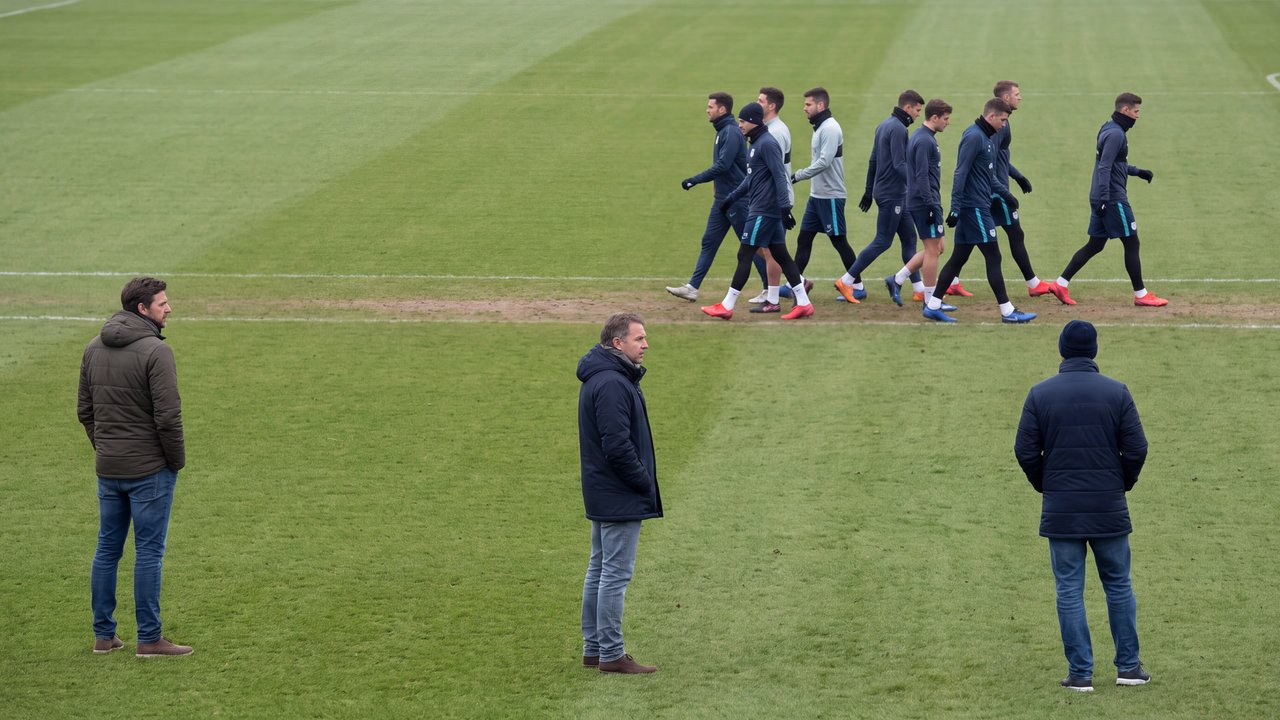
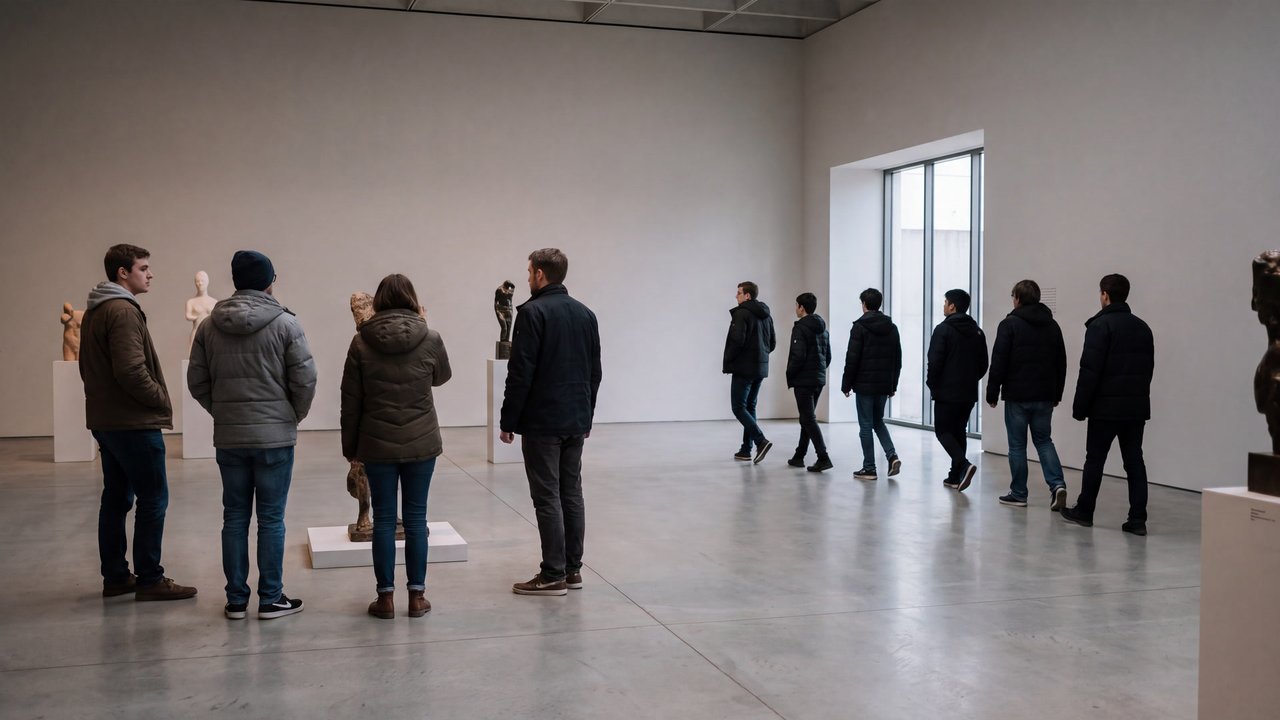
The standard comparison motif cannot compare ordered movement by multiple participants in a shared direction, so it is replaced with a neutral group that does not pre-stage a line or common direction.
Both languages share the English example images. Japanese prompts are the recorded translations.
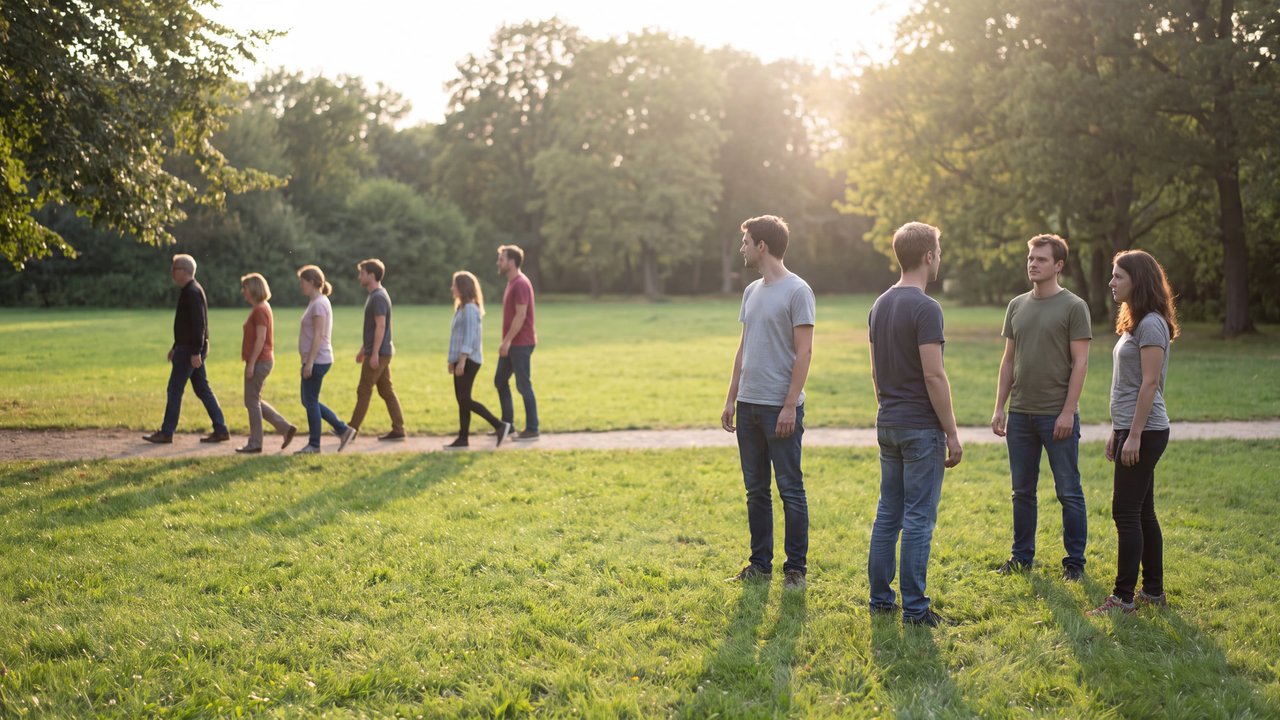
Directs the image toward a procession of multiple participants moving in a shared direction.
Multiple participants appear as an ordered line moving in the same direction.
The standard comparison motif cannot compare ordered movement by multiple participants in a shared direction, so it is replaced with a neutral group that does not pre-stage a line or common direction.
a small group standing still and scattered in an open area, not forming a line and facing different directions
The standard comparison motif cannot compare ordered movement by multiple participants in a shared direction, so it is replaced with a neutral group that does not pre-stage a line or common direction.
a small group standing still and apart in a bright room, not forming a line and facing different directions
The standard comparison motif cannot compare ordered movement by multiple participants in a shared direction, so it is replaced with a neutral group that does not pre-stage a line or common direction.
three people standing still and apart on level ground, not forming a line and facing different directions
The standard comparison motif cannot compare ordered movement by multiple participants in a shared direction, so it is replaced with a neutral group that does not pre-stage a line or common direction.
a small group standing still and scattered in a spacious quiet room, not forming a line and facing different directions
The standard comparison motif cannot compare ordered movement by multiple participants in a shared direction, so it is replaced with a neutral group that does not pre-stage a line or common direction.
a small group standing still and apart in a calm outdoor area, not forming a line and facing different directions
A procession is an event in which multiple participants move in a shared direction while maintaining an order or line. It does not determine a religion, culture, festival, political cause, military context, funeral, wedding, attire, or purpose.
It concerns the order of participants, a line, and movement in a shared direction. It is distinct from an unstructured crowd, a queue waiting for a turn, and a race.
The number of participants, order, direction of movement, and location can be adjusted separately.
Content updated:
Items linked through explicit membership in the same theme.
Angry person in a quiet room
Concept
A facial expression in which anger is legible through tension in the brows, eyes, or mouth.
Compare ↗
Arms-crossed person in a quiet room
Concept
A static bodily stance with both arms crossed before the chest.
Compare ↗
Person looking aside in a quiet room
Concept
A gaze directed away to the side rather than toward the frontal focus.
Compare ↗