
Medium-sized dog
Concept
Aerial perspective
A depth treatment that makes distant forms paler, cooler, and less distinct.
Compare ↗Concept / Orthographic projection
A projection that preserves parallel lines without convergence
A projection that keeps parallel lines parallel and suppresses distance-based size change.

Medium-sized dog
Both languages share the English example images. Japanese prompts are the recorded translations.
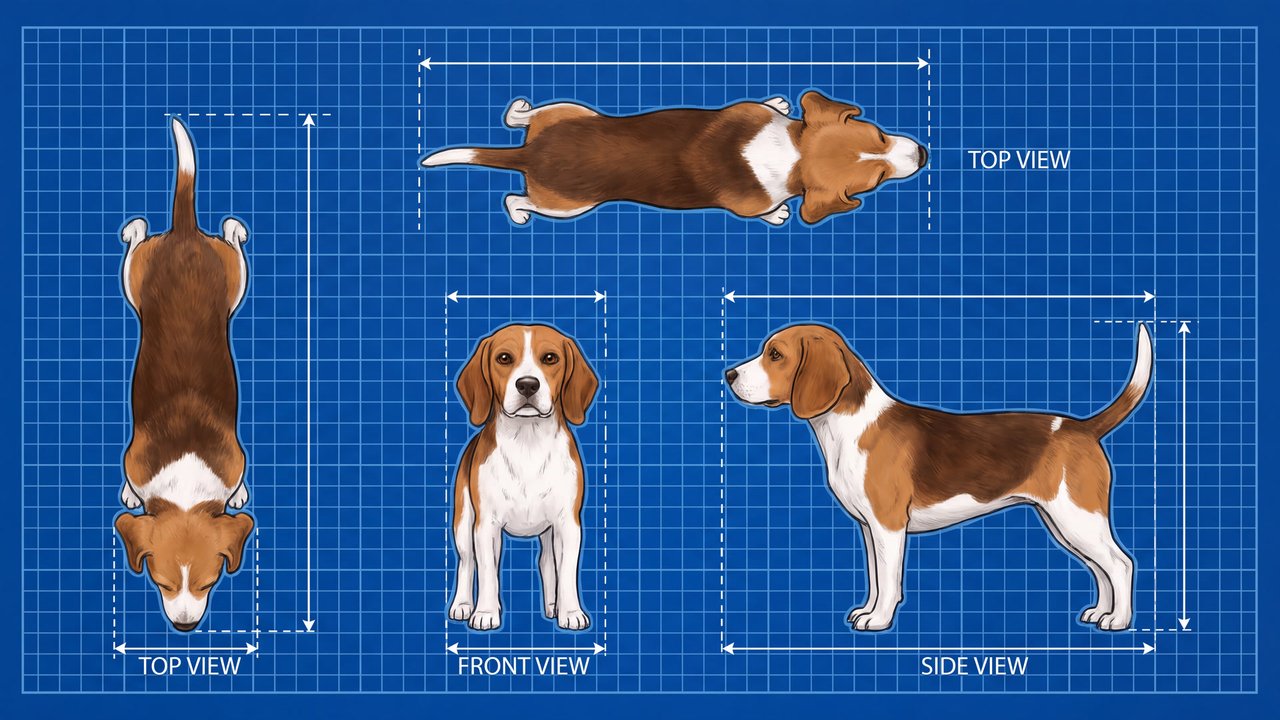
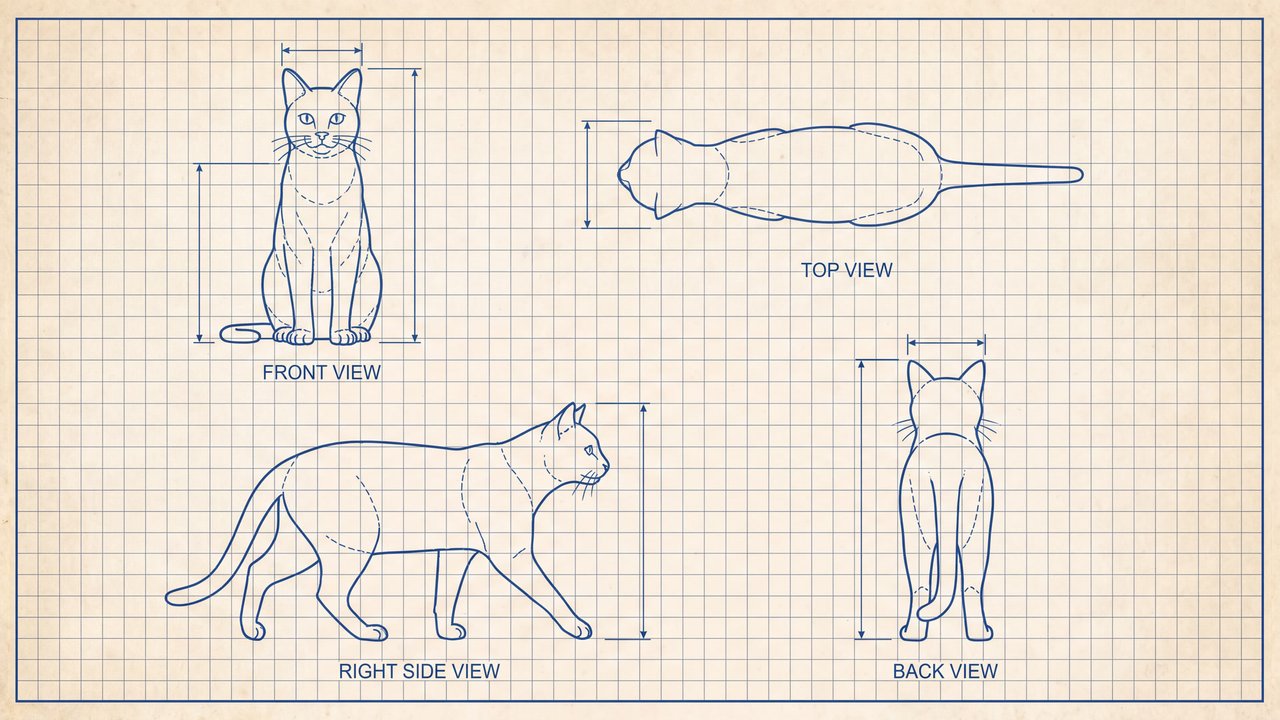
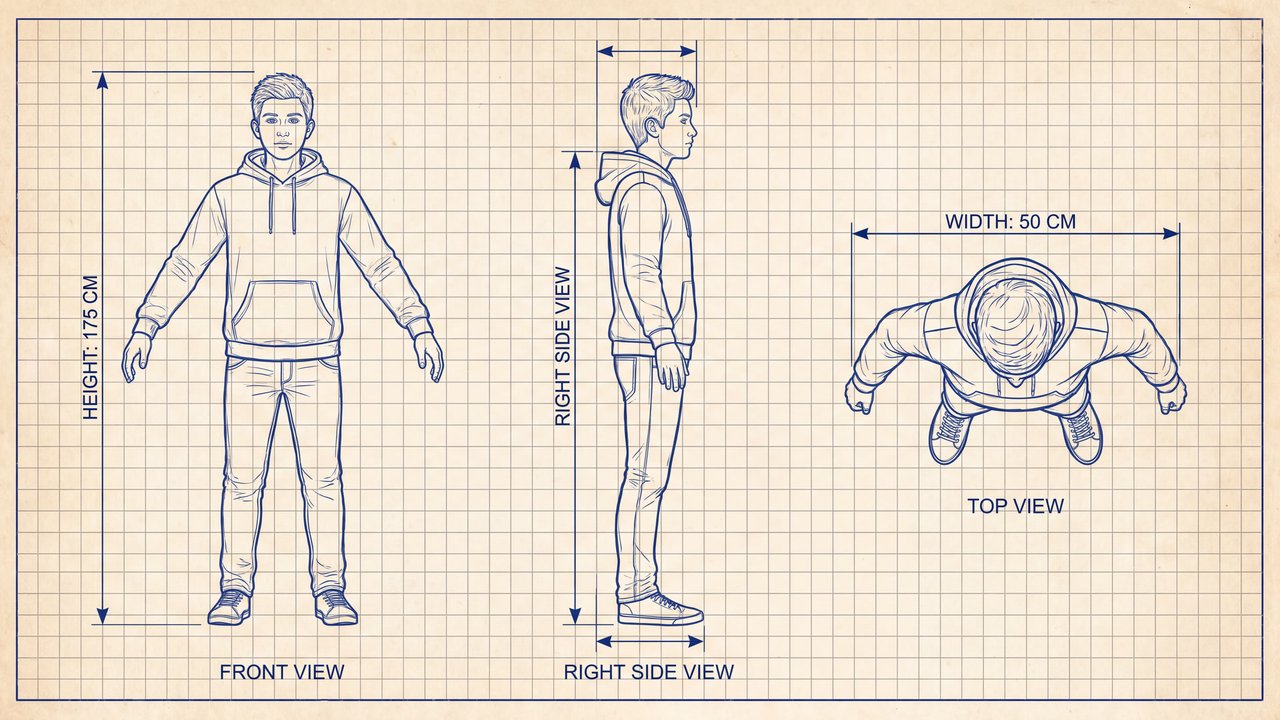
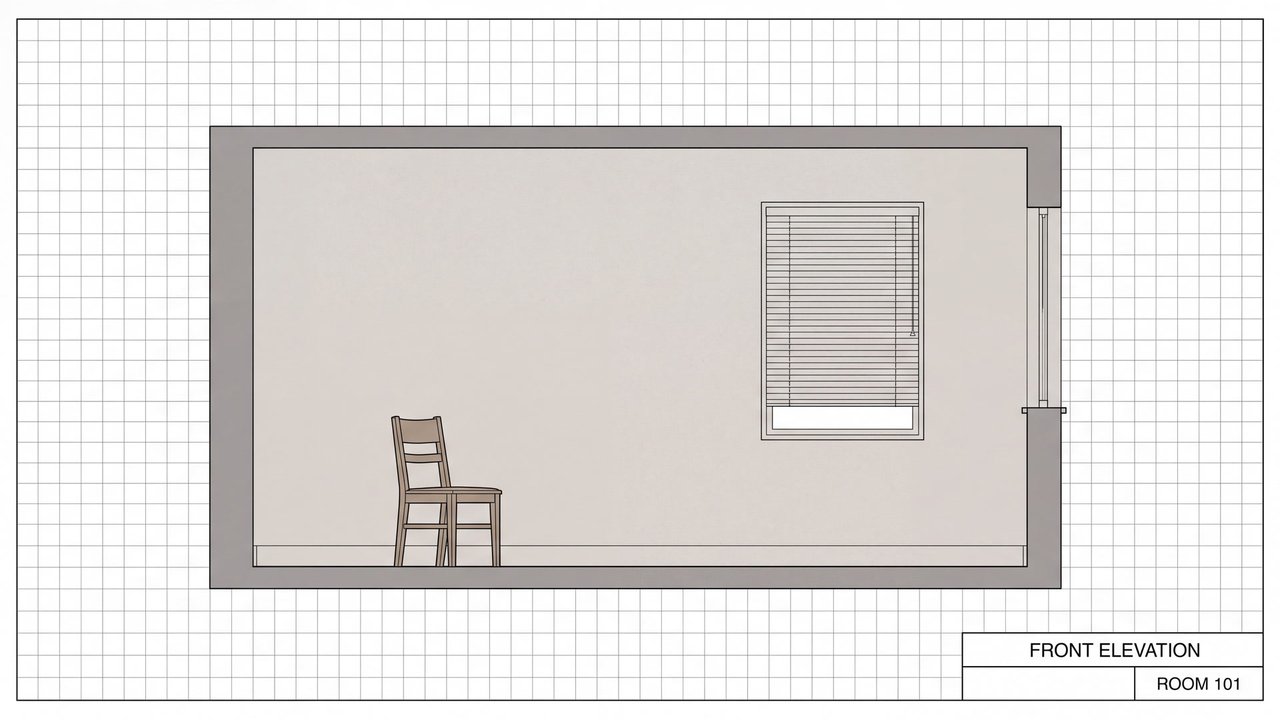
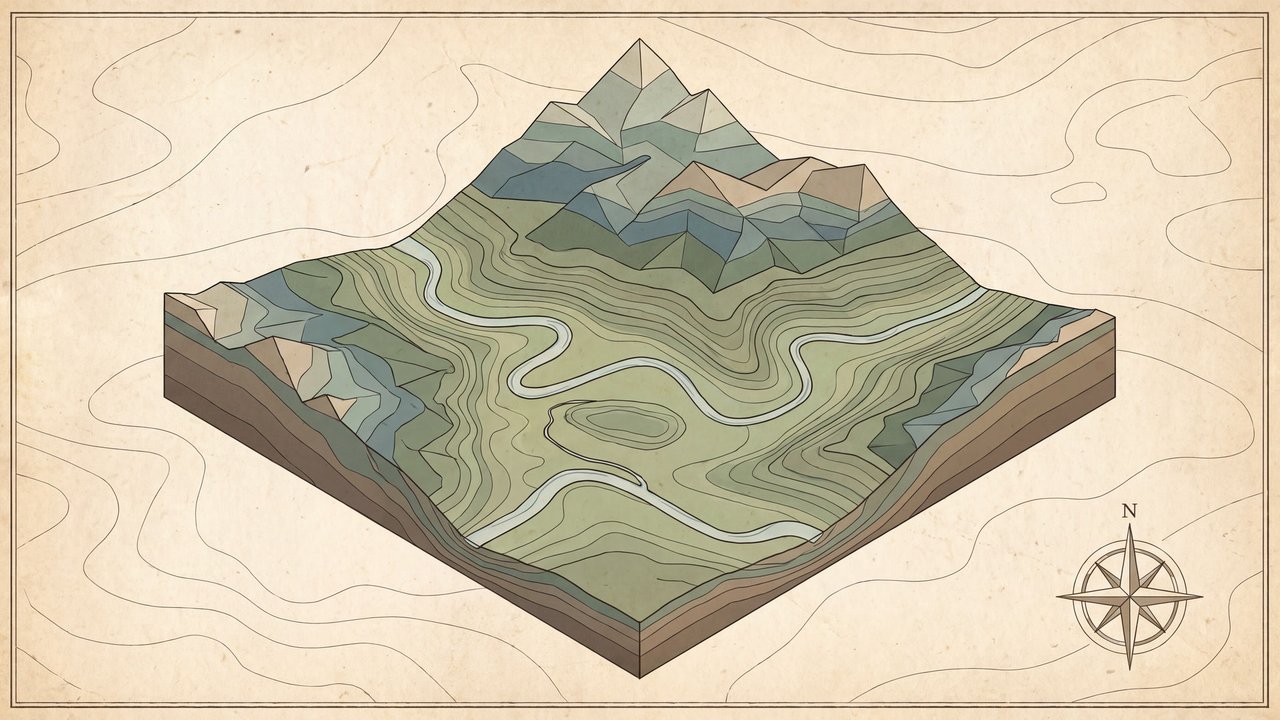
Shows form with orthographic projection and preserved parallel lines.
Edges of the same direction remain parallel and distant parts do not shrink dramatically.
It projects objects with parallel viewing rays and retains parallel edges of the same direction. It differs from one-point perspective and isometric projection.
It makes form and proportion easier to compare in architectural elevations, product faces, and map-like diagrams. Subject and medium remain separately selectable.
The shown face such as front, side, or plan can be selected separately.
Content updated:
Items linked through explicit membership in the same theme.
Medium-sized dog
Concept
A depth treatment that makes distant forms paler, cooler, and less distinct.
Compare ↗
Medium-sized dog
Concept
A composition that balances off-center elements through visual weight.
Compare ↗
Medium-sized dog
Concept
A composition that places the main subject on the image's central axis for focus and stability.
Compare ↗