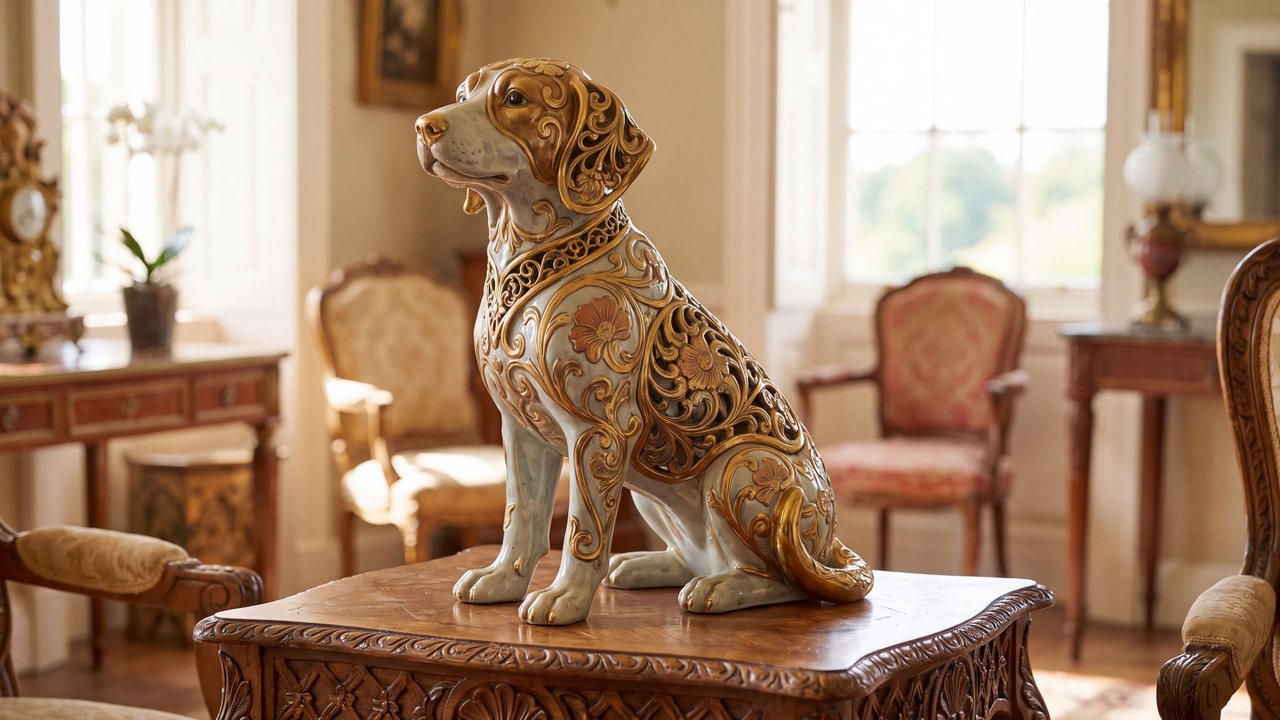



Medium-sized dog
Concept
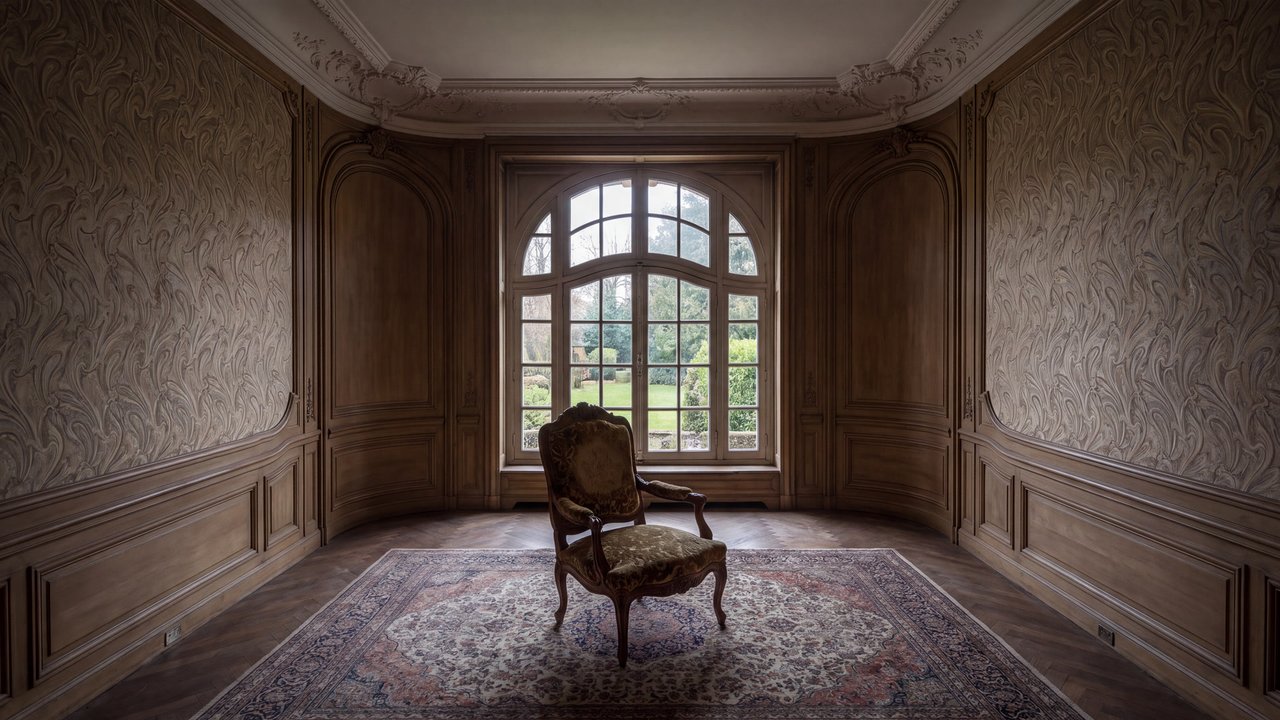
Aerial perspective
A depth treatment that makes distant forms paler, cooler, and less distinct.
Compare ↗Concept / Ornamental form language
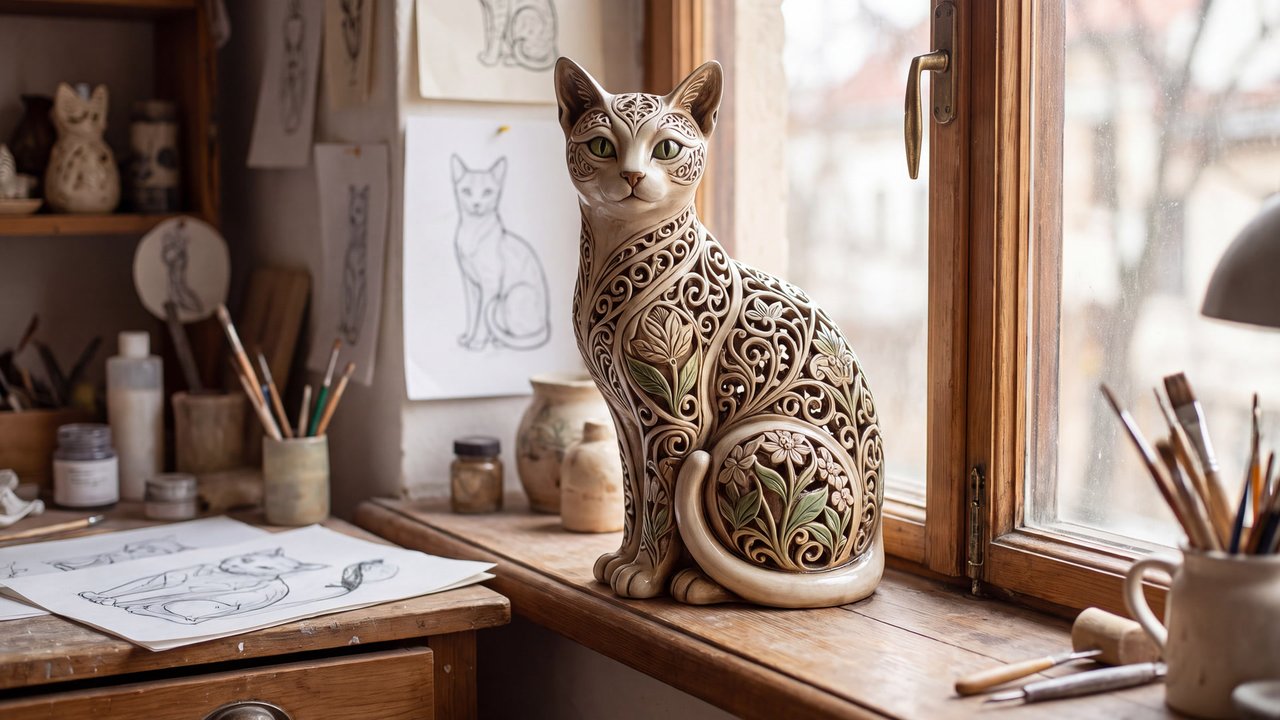
Form that creates richness through repeated decorative elements and curves
Form that creates richness through repeated decorative elements and curves.

Cat
Both languages share the English example images. Japanese prompts are the recorded translations.
Specifies form with repeated ornamental elements.
Curves and repeated details enrich the form.
Builds rich form with repeated lines, leaflike curves, and decorated edges. Particular era, culture, subject, and representational level are separate choices.
It adds repetition and detail around or within a primary shape. Color, material feel, and specific ornamental style can be adjusted separately.
Ornament density can vary while keeping the primary form readable.
Content updated:
Items linked through explicit membership in the same theme.
Medium-sized dog
Concept
A depth treatment that makes distant forms paler, cooler, and less distinct.
Compare ↗
Medium-sized dog
Concept
A composition that balances off-center elements through visual weight.
Compare ↗
Medium-sized dog
Concept
A composition that places the main subject on the image's central axis for focus and stability.
Compare ↗