

Medium-sized dog
Concept
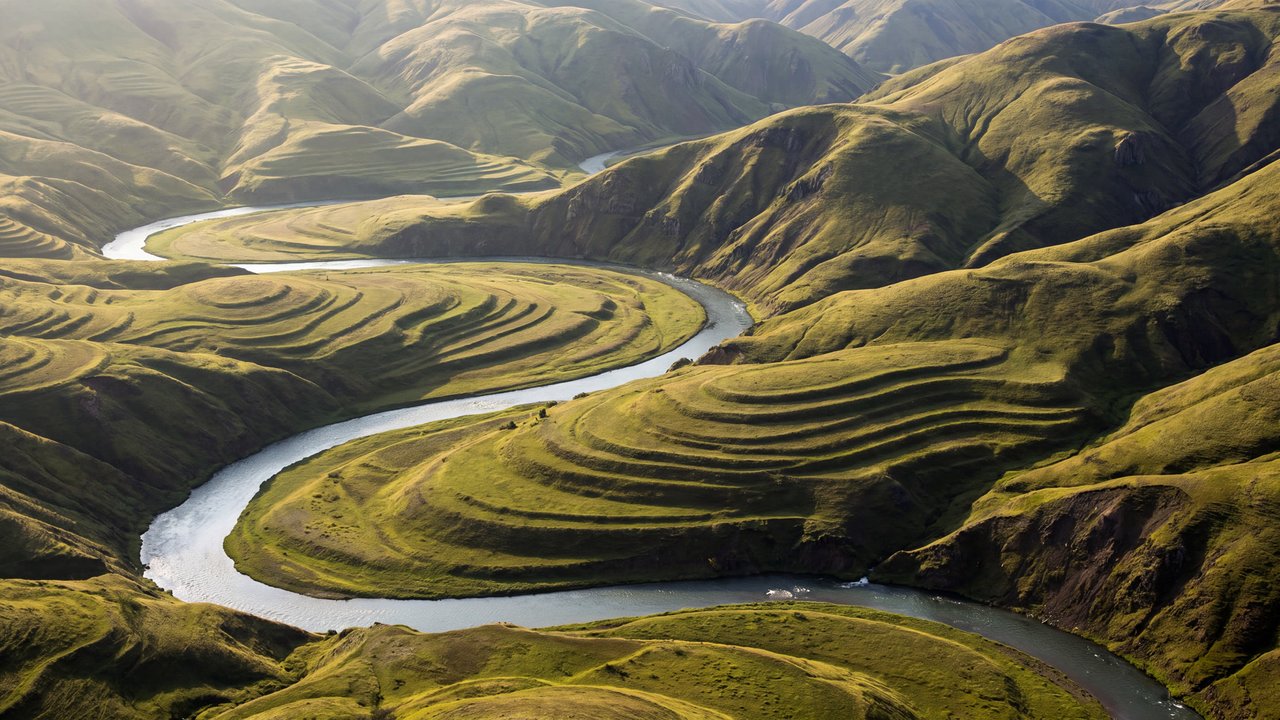
Aerial perspective
A depth treatment that makes distant forms paler, cooler, and less distinct.
Compare ↗Concept / Organic form
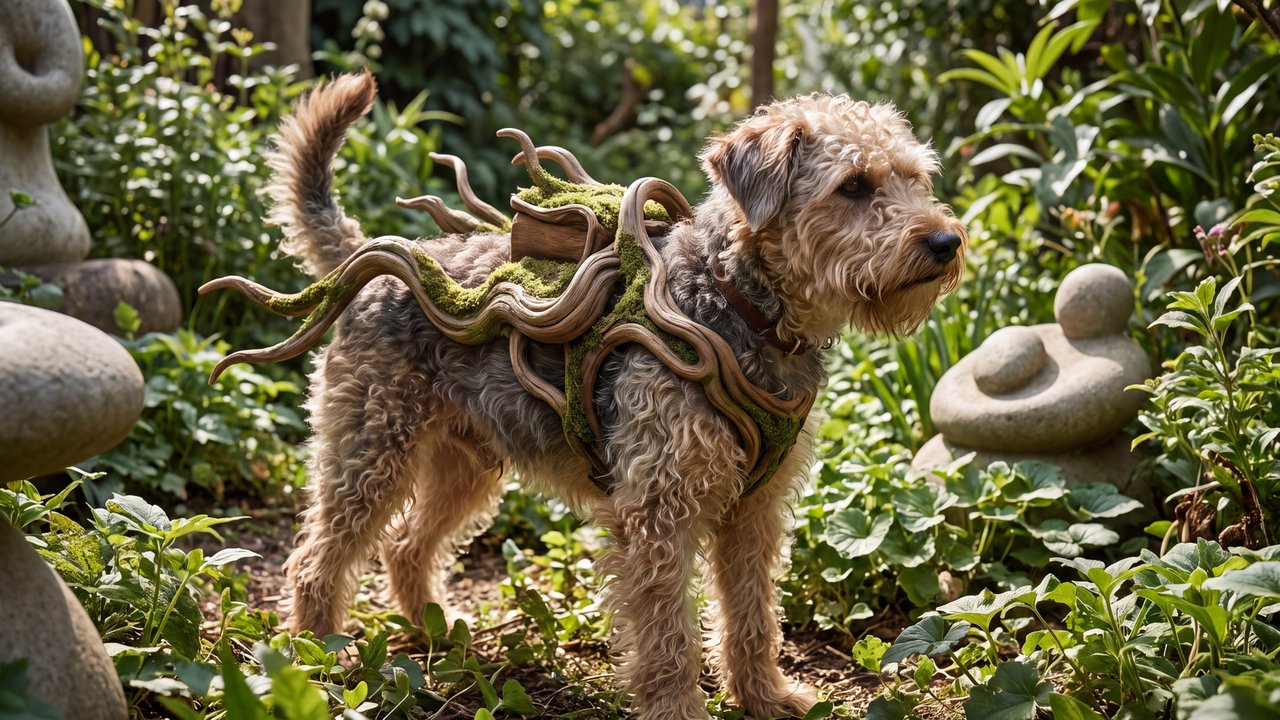
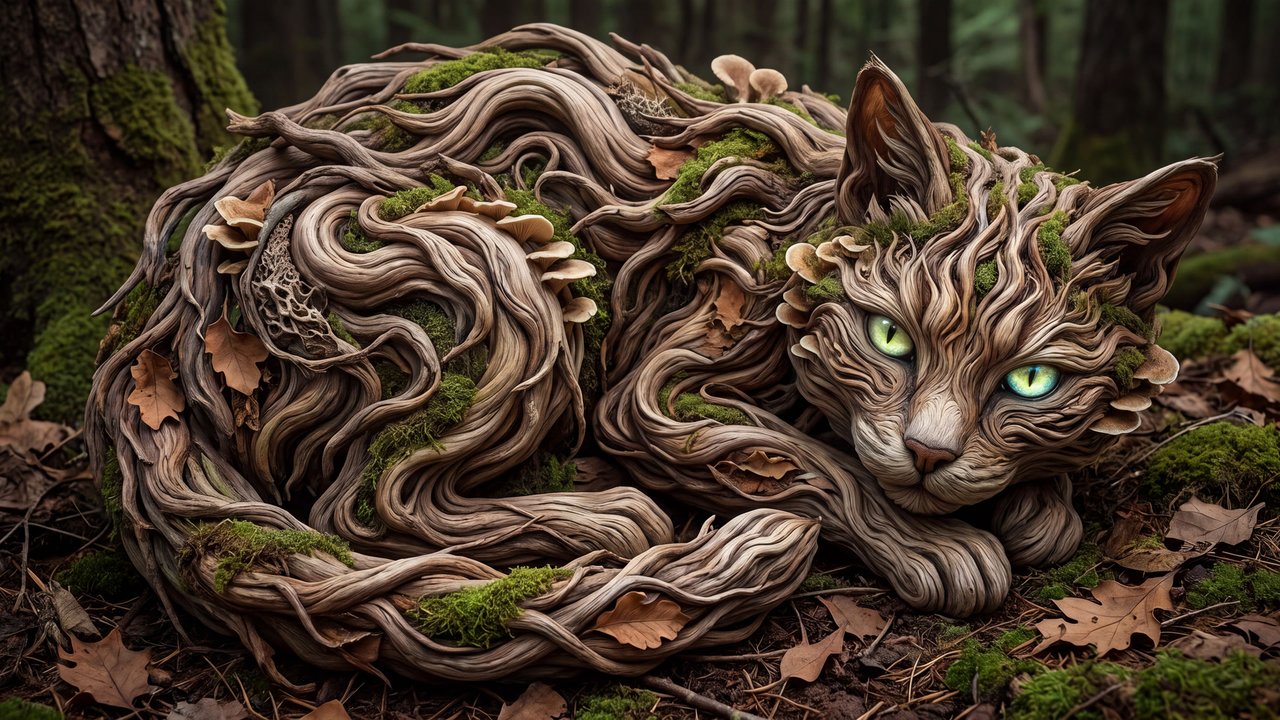
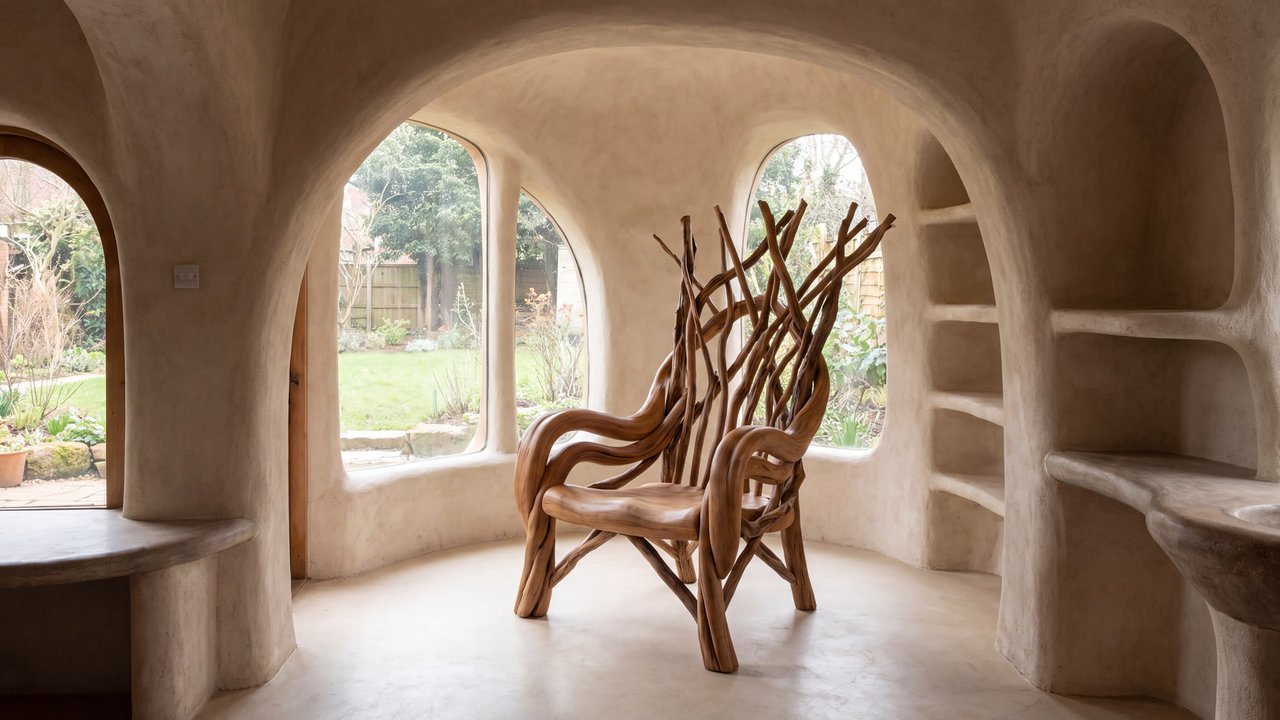
An irregular, flowing form that suggests living or natural things
An irregular, flowing form that suggests nature.

Medium-sized dog
Both languages share the English example images. Japanese prompts are the recorded translations.
Gives a subject a flowing, irregular structure.
Irregular curves and asymmetry create a natural impression.
An organic form uses irregular curves, changing width, and natural asymmetry to make a form suggest living or natural things. Material, lighting, and damage remain separate choices.
It specifies irregularity in form; it does not specify a plant species, landscape, texture, color, or light.
Because organic form does not determine a subject's species, name the subject separately when needed.
Content updated:
Items linked through explicit membership in the same theme.
Medium-sized dog
Concept
A depth treatment that makes distant forms paler, cooler, and less distinct.
Compare ↗
Medium-sized dog
Concept
A composition that balances off-center elements through visual weight.
Compare ↗
Medium-sized dog
Concept
A composition that places the main subject on the image's central axis for focus and stability.
Compare ↗