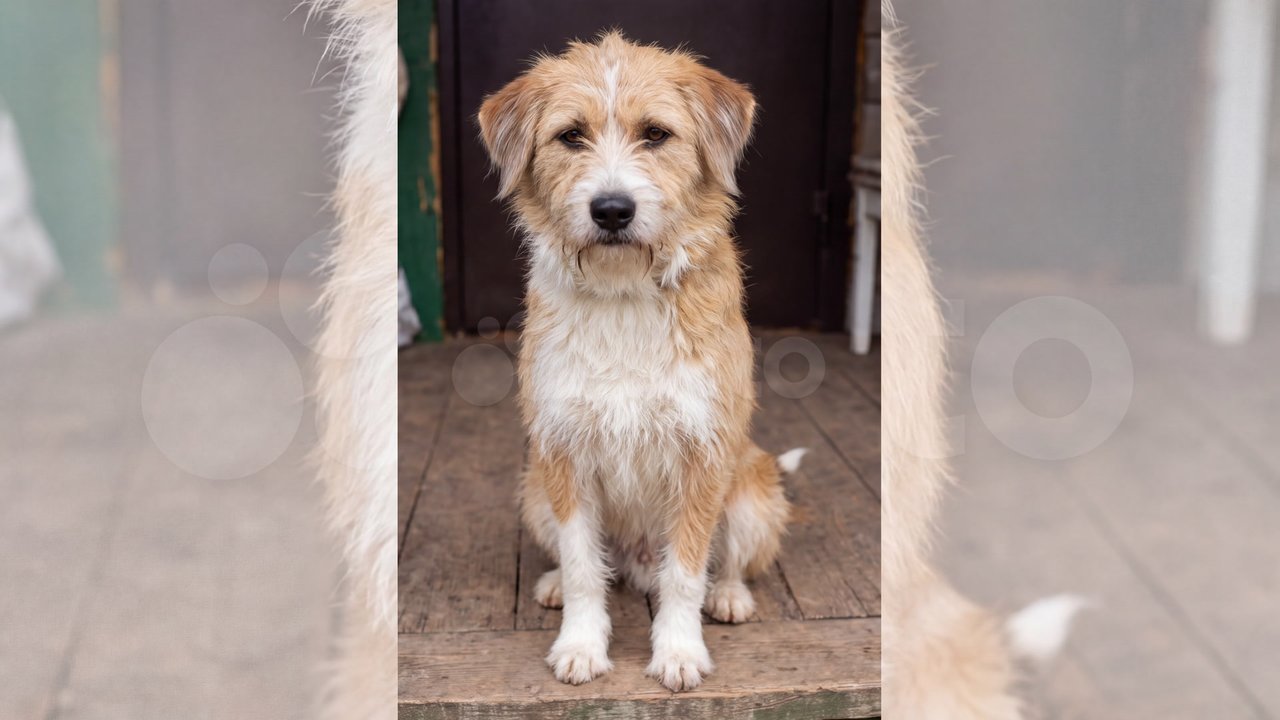
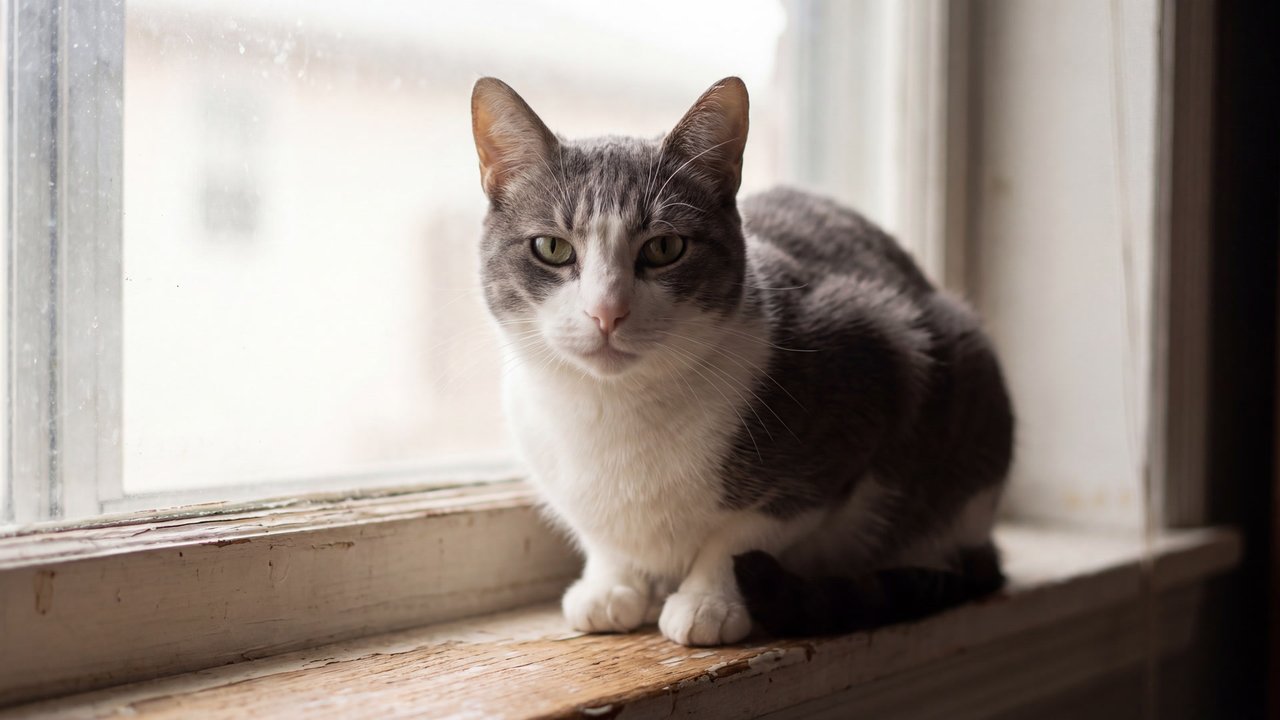


Angry person in a quiet room
Concept
Angry expression
A facial expression in which anger is legible through tension in the brows, eyes, or mouth.
Compare ↗Concept / Neutral expression
An expression shown with little tension and without cues to a strong emotion
A low-tension facial expression without cues to a strong emotion.

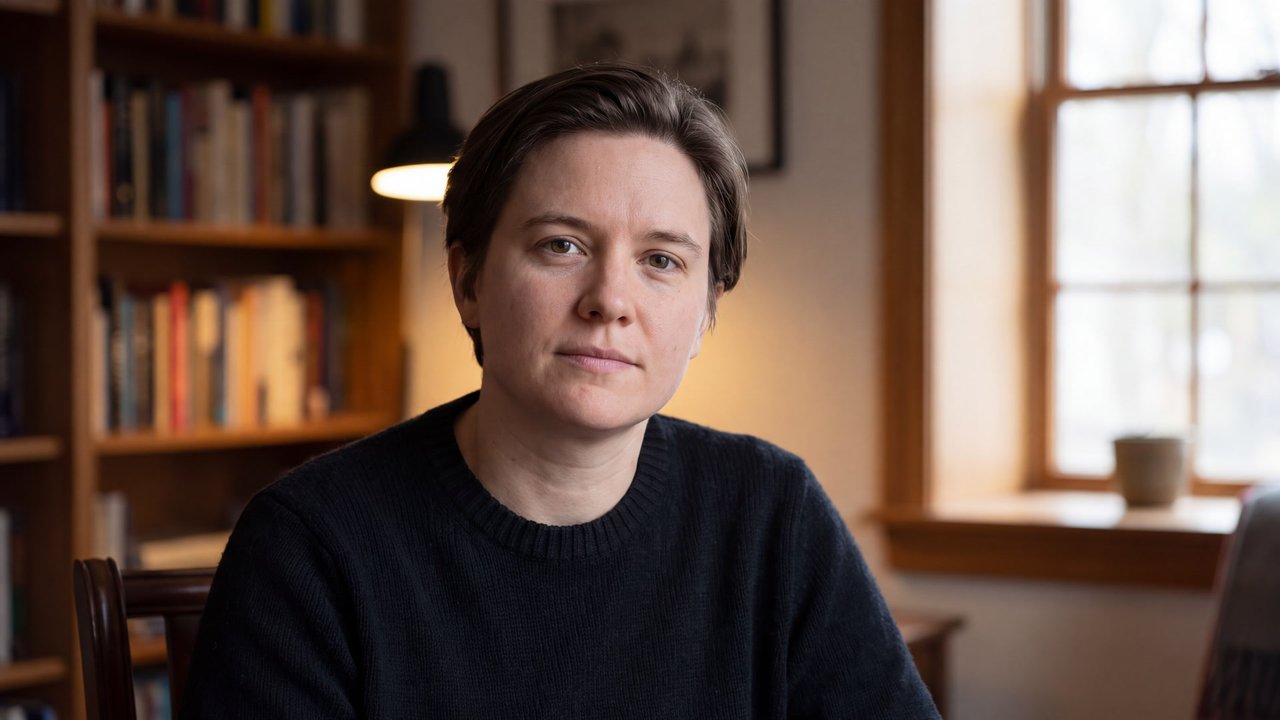
neutral person in a quiet room
An unoccupied interior cannot show a face, so it is replaced with a quiet portrait.
Both languages share the English example images. Japanese prompts are the recorded translations.
Adds a readable face that does not signal a strong emotion.
Keeps brows, eyes, and mouth low in tension for a calm-looking face.
An unoccupied interior cannot show a face, so it is replaced with a quiet portrait.
one person in a quiet room, chest-up portrait with a readable neutral expression
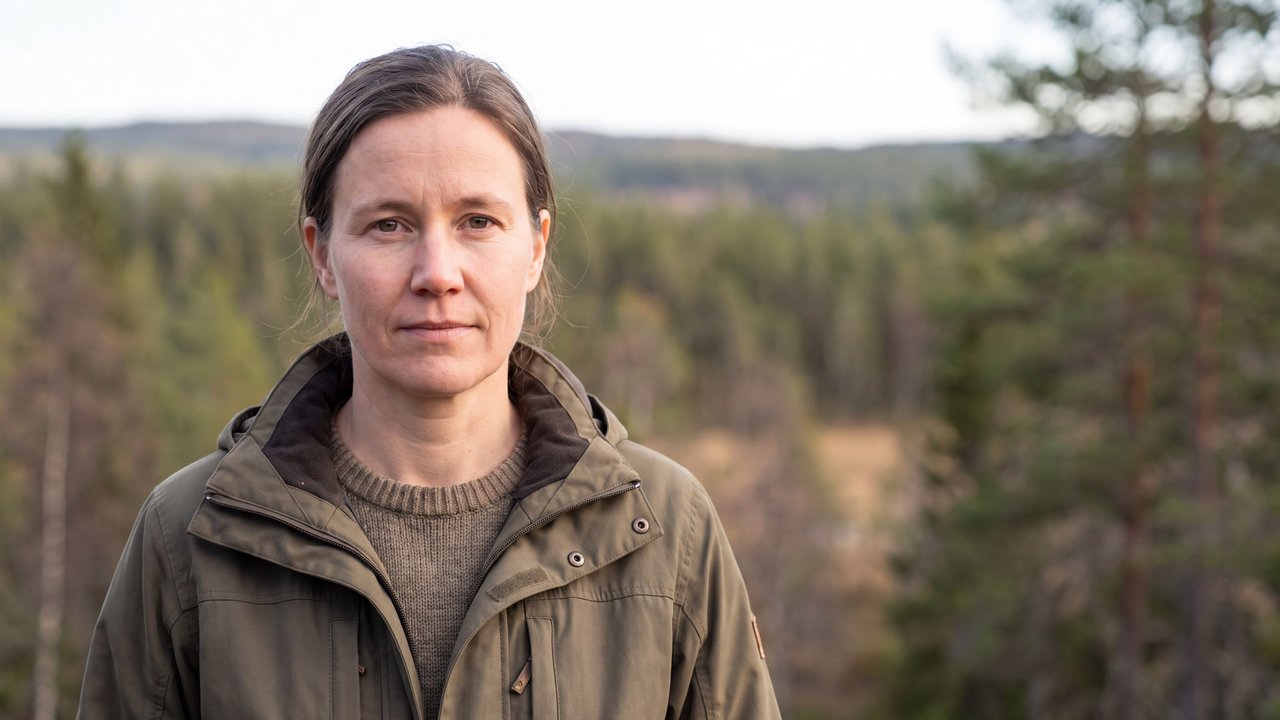
A subject-free landscape cannot show a face, so it is replaced with a portrait.
one person against a natural setting, chest-up portrait with a readable neutral expression
Neutral expression is a facial appearance without changes in brows, eyes, or mouth that signal a strong emotion. It does not determine inner feeling, personality, intent, or narrative meaning.
Show it at a readable scale as a natural resting state. Do not infer coldness, boredom, sadness, anger, or another emotion.
Because the provisional reference is not direct evidence for this candidate, root source review is required. An obscured face cannot show the expression.
Content updated:
Items linked through explicit membership in the same theme.
Angry person in a quiet room
Concept
A facial expression in which anger is legible through tension in the brows, eyes, or mouth.
Compare ↗
Arms-crossed person in a quiet room
Concept
A static bodily stance with both arms crossed before the chest.
Compare ↗
Person looking aside in a quiet room
Concept
A gaze directed away to the side rather than toward the frontal focus.
Compare ↗