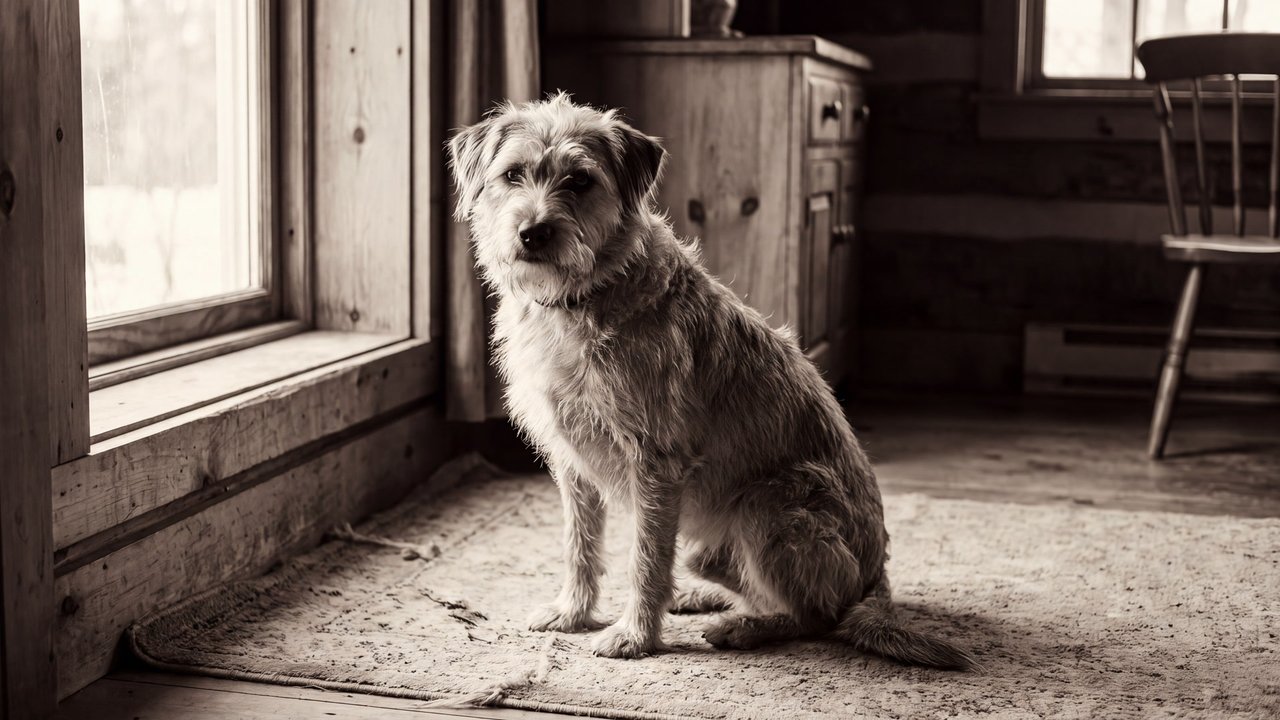

Medium-sized dog
Concept
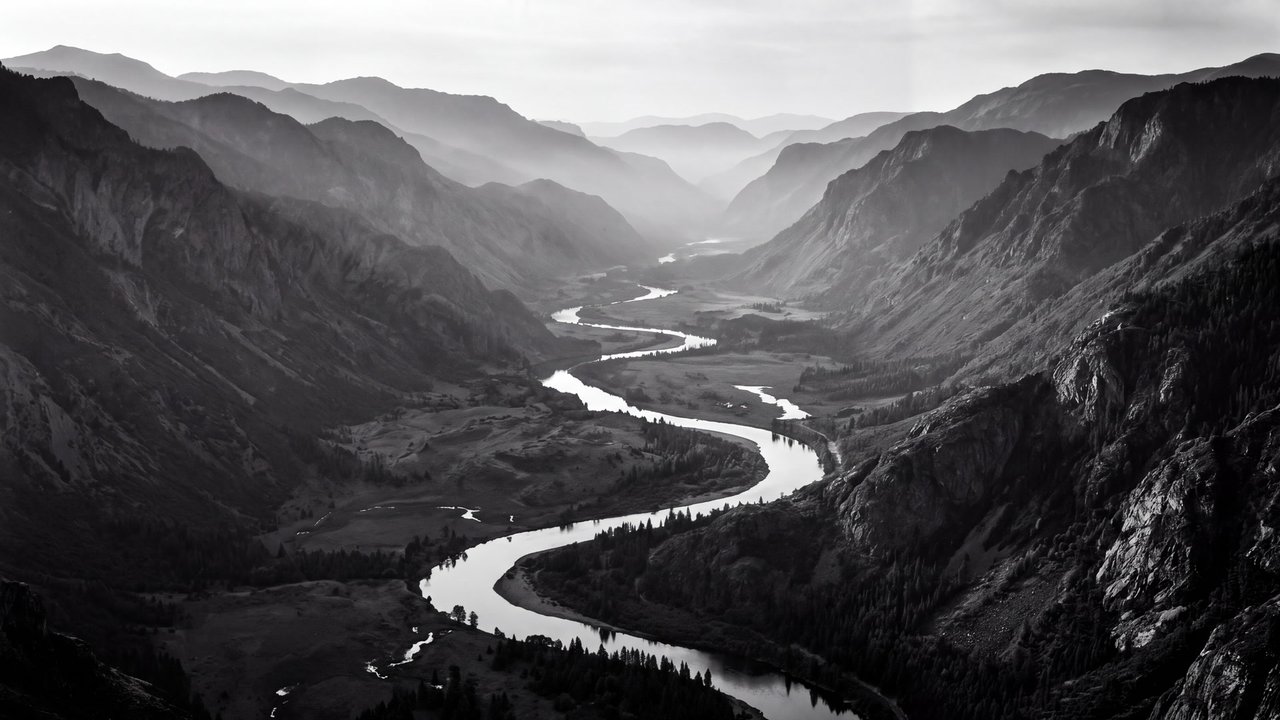
Aerial perspective
A depth treatment that makes distant forms paler, cooler, and less distinct.
Compare ↗Concept / Monochromatic palette
A palette that develops one hue through changes in value and saturation
A palette that develops one hue through changes in value and saturation.

Medium-sized dog
Both languages share the English example images. Japanese prompts are the recorded translations.
Centers the image on one hue and builds it with value and saturation differences.
One hue repeats from light to dark, making hue unity visible.
A monochromatic palette uses one hue as its basis and builds the image through differences in value and saturation. It does not include grayscale only, one flat color field, or complementary relationships.
For example, using one blue hue from pale blue to deep blue can show form and depth while retaining hue unity. Neutrals may support it, but another dominant hue becomes a limited or multi-hue palette.
Chosen hue and value range can be adjusted separately.
Content updated:
Items linked through explicit membership in the same theme.
Medium-sized dog
Concept
A depth treatment that makes distant forms paler, cooler, and less distinct.
Compare ↗
Medium-sized dog
Concept
A composition that balances off-center elements through visual weight.
Compare ↗
Medium-sized dog
Concept
A composition that places the main subject on the image's central axis for focus and stability.
Compare ↗