



Angry person in a quiet room
Concept
Angry expression
A facial expression in which anger is legible through tension in the brows, eyes, or mouth.
Compare ↗Concept / Mid-air pose
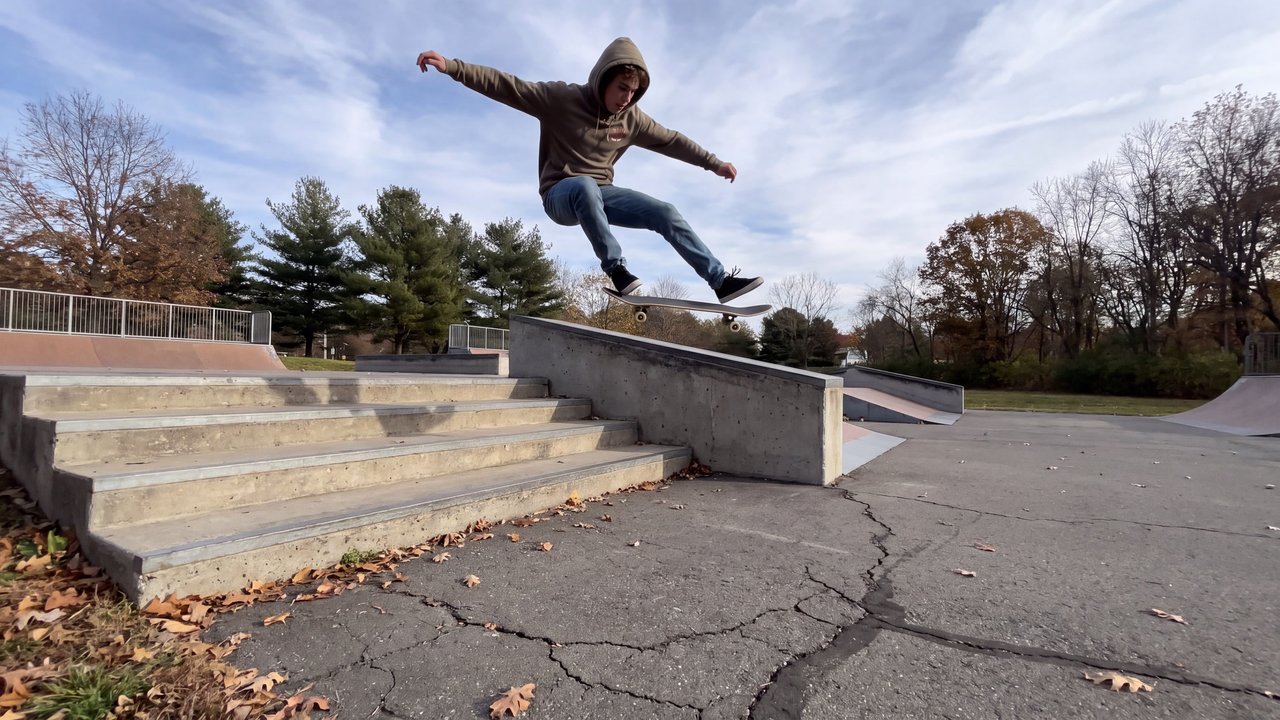
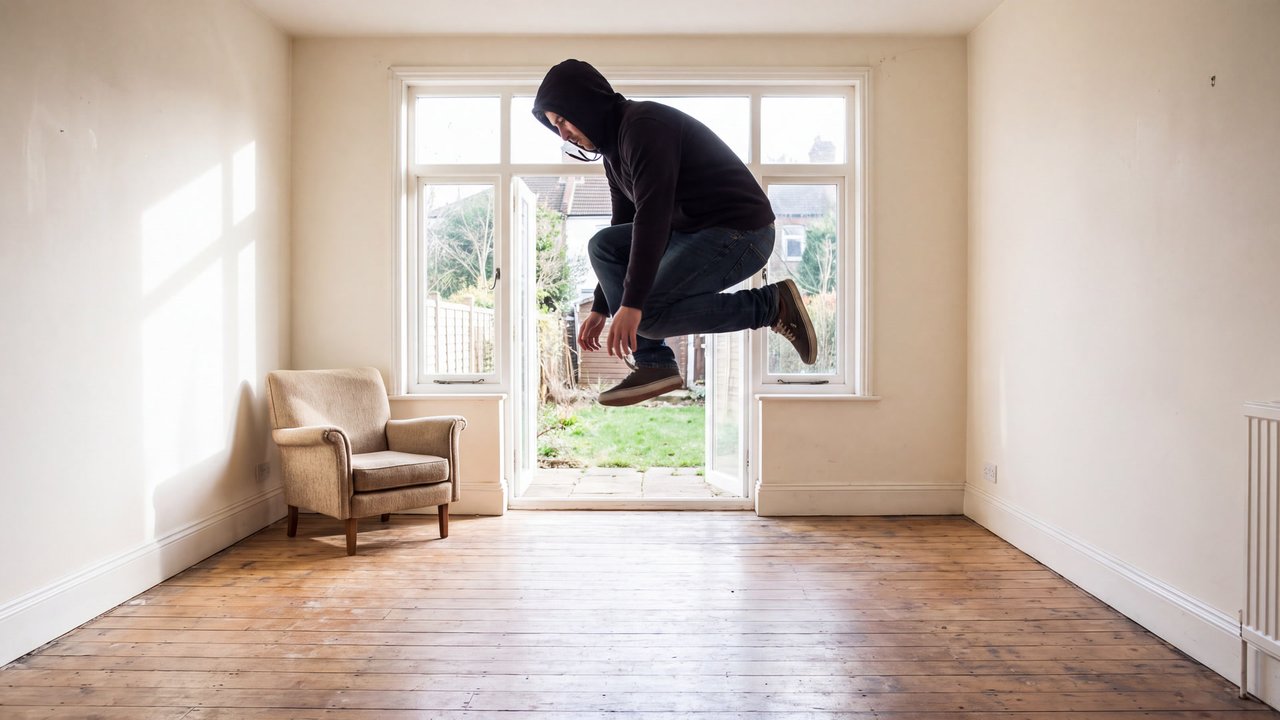
A pose showing a body at a moment away from the ground
A pose showing a body at a moment away from the ground.

person in mid-air pose in a quiet room
An unoccupied interior cannot show the pose, so it is replaced with a person.
Both languages share the English example images. Japanese prompts are the recorded translations.
Makes an airborne pose readable.
Space between body and ground and directed limbs show motion.
The fixed dog cannot show a human pose, so it is replaced with an adult.
adult in a mid-air pose, full body and ground visible
The fixed cat cannot show a human pose, so it is replaced with a person.
person in a mid-air pose, full body and ground visible
The fixed boy cannot show the pose neutrally, so it is replaced with a young person.
young person in a mid-air pose, full body and ground visible
An unoccupied interior cannot show the pose, so it is replaced with a person.
one person in a mid-air pose in a quiet room, full body visible
A subject-free landscape cannot show the pose, so it is replaced with a person.
one person in a mid-air pose outdoors, full body and ground visible
Mid-air pose shows a body away from support during a jump or suspension. It does not determine flight ability, landing, emotion, narrative, or place.
Use a view where the full body, limb direction, and distance from ground are legible. The reason for motion and place are separate choices.
Because the provisional reference is not direct evidence for this candidate, root source review is required. This person-oriented pose uses complete person alternatives for fixed motifs.
Content updated:
Items linked through explicit membership in the same theme.
Angry person in a quiet room
Concept
A facial expression in which anger is legible through tension in the brows, eyes, or mouth.
Compare ↗
Arms-crossed person in a quiet room
Concept
A static bodily stance with both arms crossed before the chest.
Compare ↗
Person looking aside in a quiet room
Concept
A gaze directed away to the side rather than toward the frontal focus.
Compare ↗