

Concept / Memory
Memory
A narrative theme in which past experiences, people, or places are recalled, retained, or reinterpreted
A narrative theme in which past experiences, people, or places are recalled, retained, or reinterpreted.

Valley with a river and mountain ranges
Both languages share the English example images. Japanese prompts are the recorded translations.
A phrase to start with
Directs a scene toward a memory theme of recalling, retaining, or reinterpreting the past.
Appearance and effects
The scene can read as a narrative theme of recalling, retaining, or reinterpreting the past.
Visual traits
- reference to the past
- recall or reinterpretation
- narrative meaning without fixed factuality
Expected changes
- The scene is more likely to read as a memory-related narrative theme.
Five examples
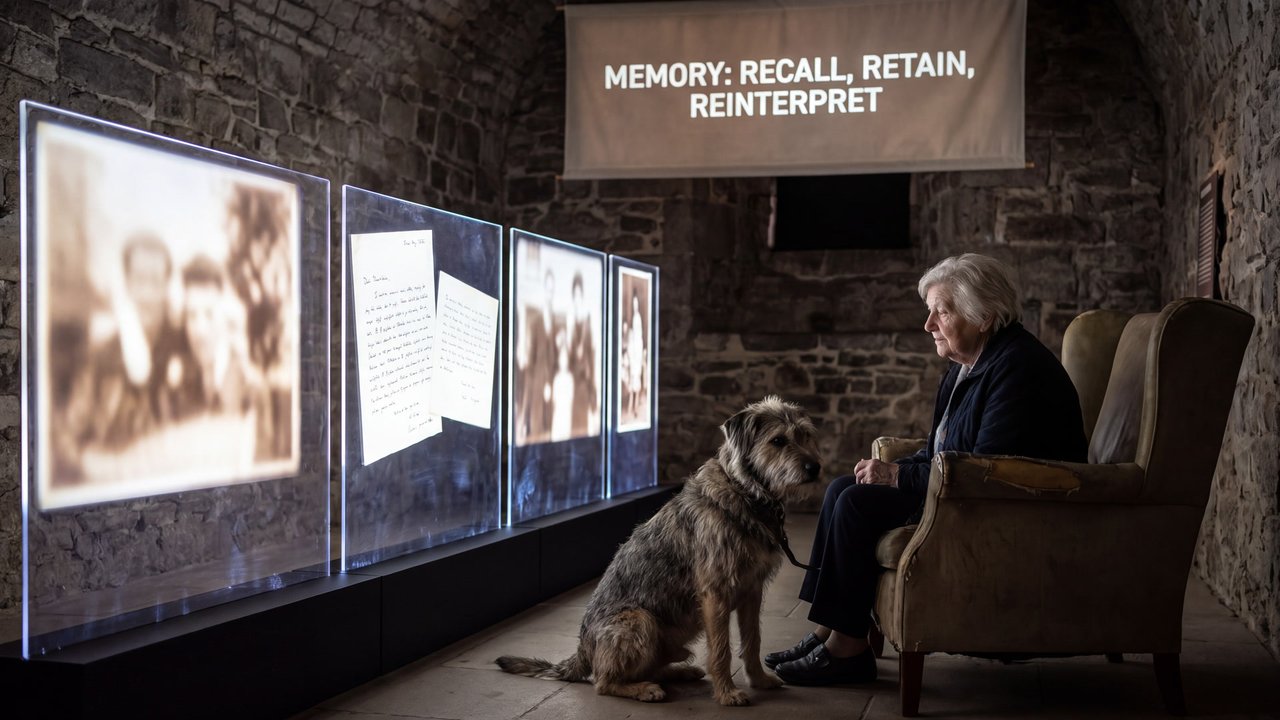
1 — Medium-sized dog
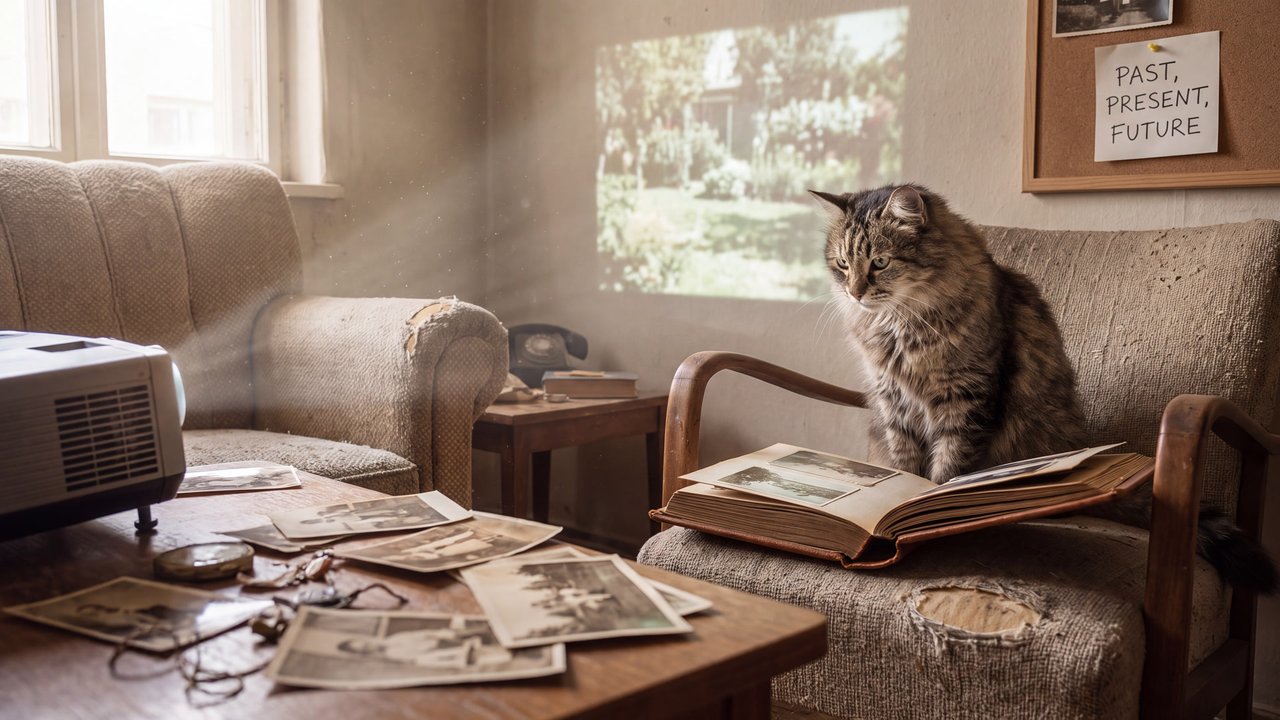
Open image ↗2 — Cat
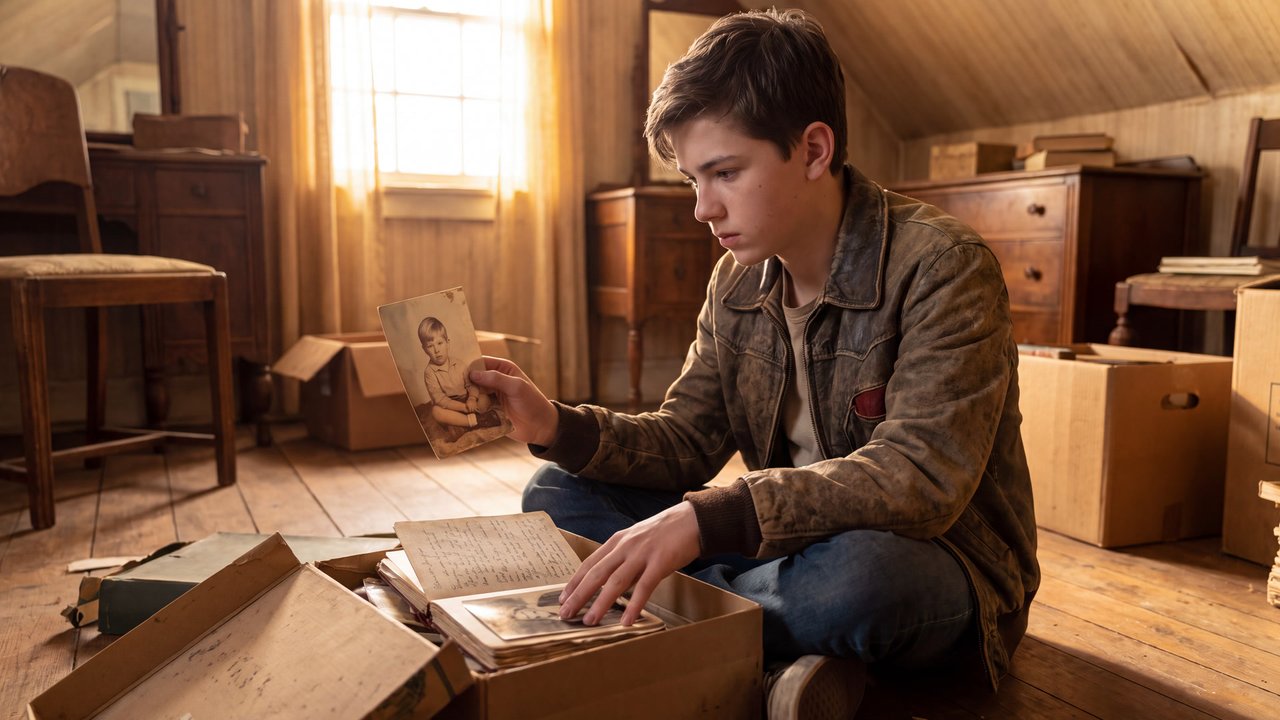
Open image ↗3 — Teenage boy
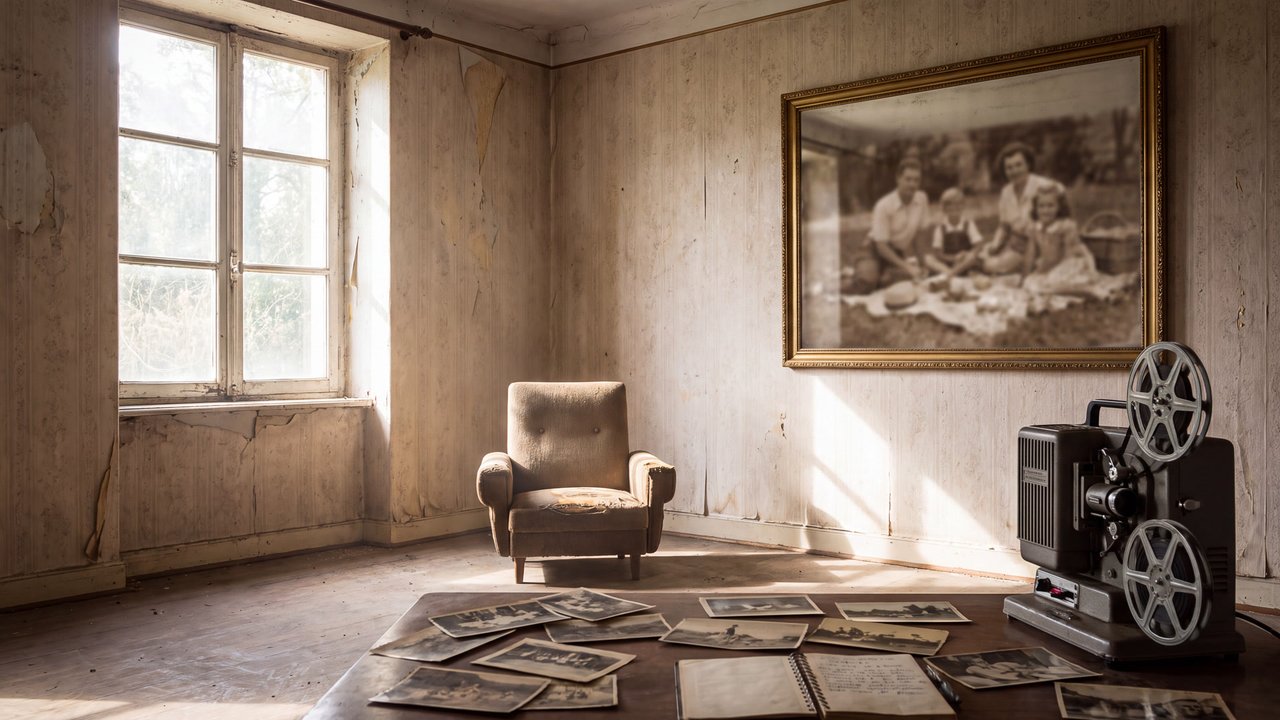
Open image ↗4 — Unoccupied interior
Open image ↗5 — Valley with a river and mountain ranges
Open image ↗Meaning and scope
Definition
Memory is a narrative theme in which past experiences, people, or places are recalled, retained, or reinterpreted. It does not determine nostalgia, loss, photographs, dreams, cognitive impairment, particular people or cultures, or factual accuracy.
In more detail
It concerns narrative meaning in which something connected to the past is recalled, retained, or reconsidered in the present scene. It does not require nostalgia, loss, dreams, photographs, a biography of a particular person, or a diagnosable cognitive condition. This theme alone does not assert whether remembered content is factual, accurate, or belongs to a particular culture.
Includes
- A narrative theme in which past experiences, people, or places are recalled, retained, or reinterpreted
Excludes
- Nostalgia, loss, photographs, dreams, cognitive impairment, particular people or cultures, or factual accuracy
What this does not imply
- Nostalgia, loss, photographs, dreams, cognitive impairment, particular people or cultures, or factual accuracy
Variability
What is recalled, people, setting, time, how memory is expressed, and factuality can be adjusted separately.
Usage and adjustments
Usage
- Specify only a memory theme concerning the past without adding nostalgia, loss, or factual certainty
Distinguish similar expressions
- Specify photographs, dreams, people, culture, or memory accuracy separately only when needed
Typical uses
- Compose scenes containing people, animals, unoccupied spaces, or landscapes as memory-related narratives about the past
Possible failure modes
- The result becomes fixed as nostalgia or loss
- A photograph or dream is added as a required element
- Cognitive impairment or factual accuracy is asserted without support
Content updated:
From the same theme
Items linked through explicit membership in the same theme.


A neutral stone against a plain background
Concept
Celebration theme
A narrative theme centered on sharing joy or an achievement through celebration.
Compare ↗