

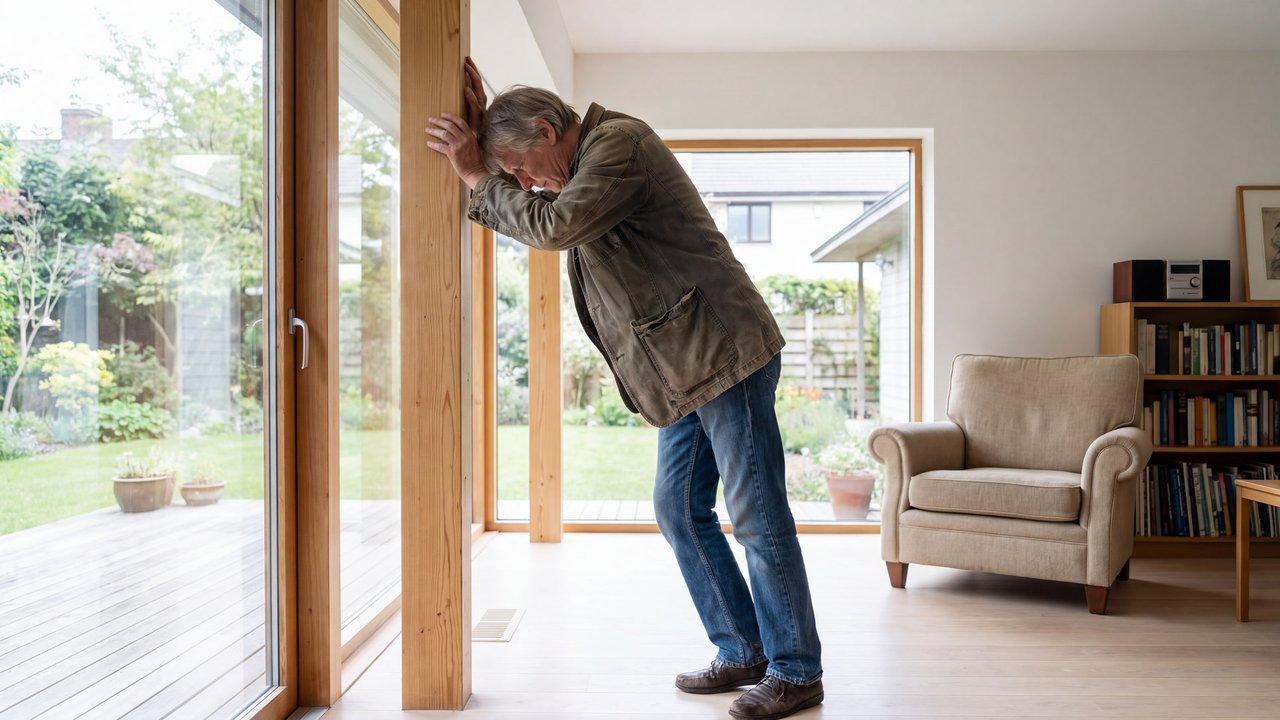


Angry person in a quiet room
Concept
Angry expression
A facial expression in which anger is legible through tension in the brows, eyes, or mouth.
Compare ↗Concept / Leaning pose
A static bodily pose that shifts weight onto a support
A static bodily pose that shifts weight onto a support.

one person in a quiet room Leaning pose
The fixed silence motif cannot make leaning pose legible, so it is replaced with one person in a quiet room.
Both languages share the English example images. Japanese prompts are the recorded translations.
Creates a body arrangement in which leaning pose is legible.
a pose with weight resting on a support is legible from the full-body arrangement.
The fixed dog motif cannot make leaning pose legible, so it is replaced with adult.
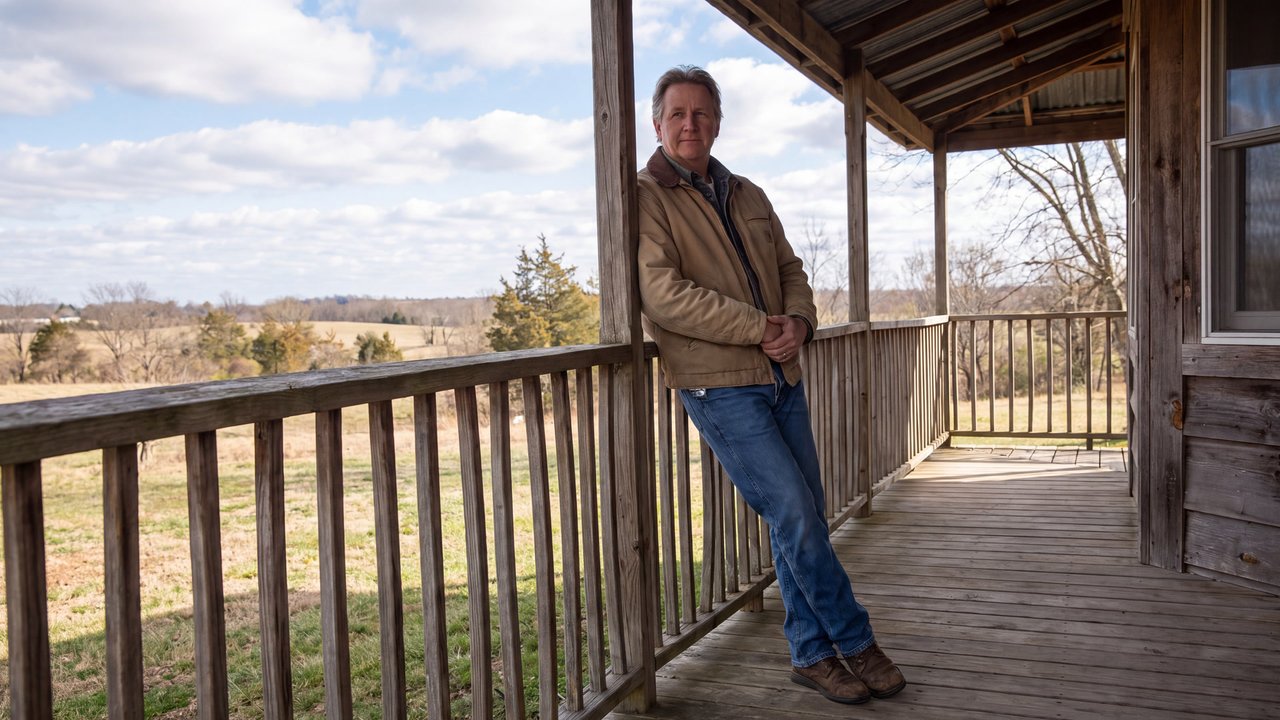
adult person leaning on a support, full body visible
The fixed cat motif cannot make leaning pose legible, so it is replaced with person.
person person leaning on a support, full body visible
The fixed boy motif cannot make leaning pose legible, so it is replaced with young person.
young person person leaning on a support, full body visible
The fixed silence motif cannot make leaning pose legible, so it is replaced with one person in a quiet room.
one person in a quiet room person leaning on a support, full body visible
The fixed landscape motif cannot make leaning pose legible, so it is replaced with one person outdoors.
one person outdoors person leaning on a support, full body visible
Leaning pose is a static stance with part of the body resting on a wall, pillar, furniture, or other support. It does not include fatigue, intimacy, waiting, or narrative.
Use a view that makes the body, key joints, and balance legible. Attributes, place, clothing, and emotion remain separate choices.
This pose or action is designed for a person; it conflicts with a dog, cat, unoccupied interior, or subject-free landscape, so complete alternatives are used.
Content updated:
Items linked through explicit membership in the same theme.
Angry person in a quiet room
Concept
A facial expression in which anger is legible through tension in the brows, eyes, or mouth.
Compare ↗
Arms-crossed person in a quiet room
Concept
A static bodily stance with both arms crossed before the chest.
Compare ↗
Person looking aside in a quiet room
Concept
A gaze directed away to the side rather than toward the frontal focus.
Compare ↗