

Medium-sized dog
Concept
Aerial perspective
A depth treatment that makes distant forms paler, cooler, and less distinct.
Compare ↗Concept / Leading lines
Composition that guides the eye toward a focal area with lines
Composition using continuous lines such as paths, edges, or shadows to lead the eye toward a subject or depth.

Medium-sized dog
Both languages share the English example images. Japanese prompts are the recorded translations.
Leads the eye toward the subject or depth with a flow of lines.
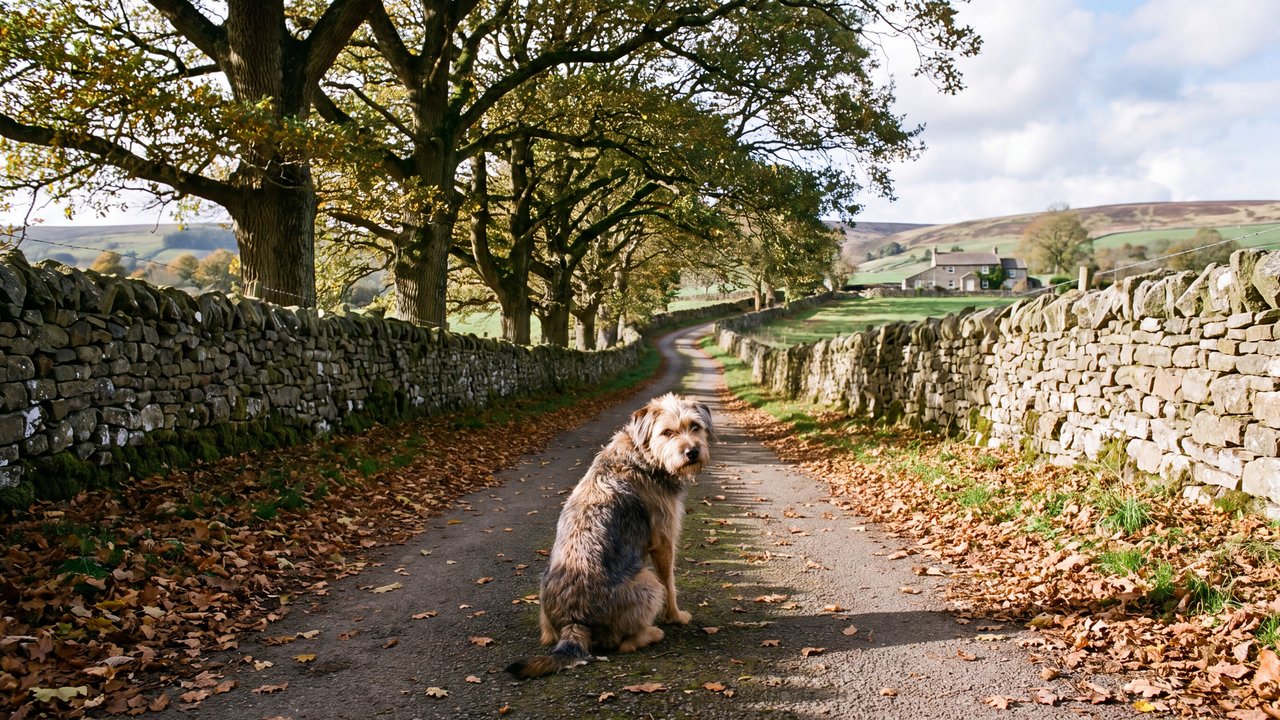
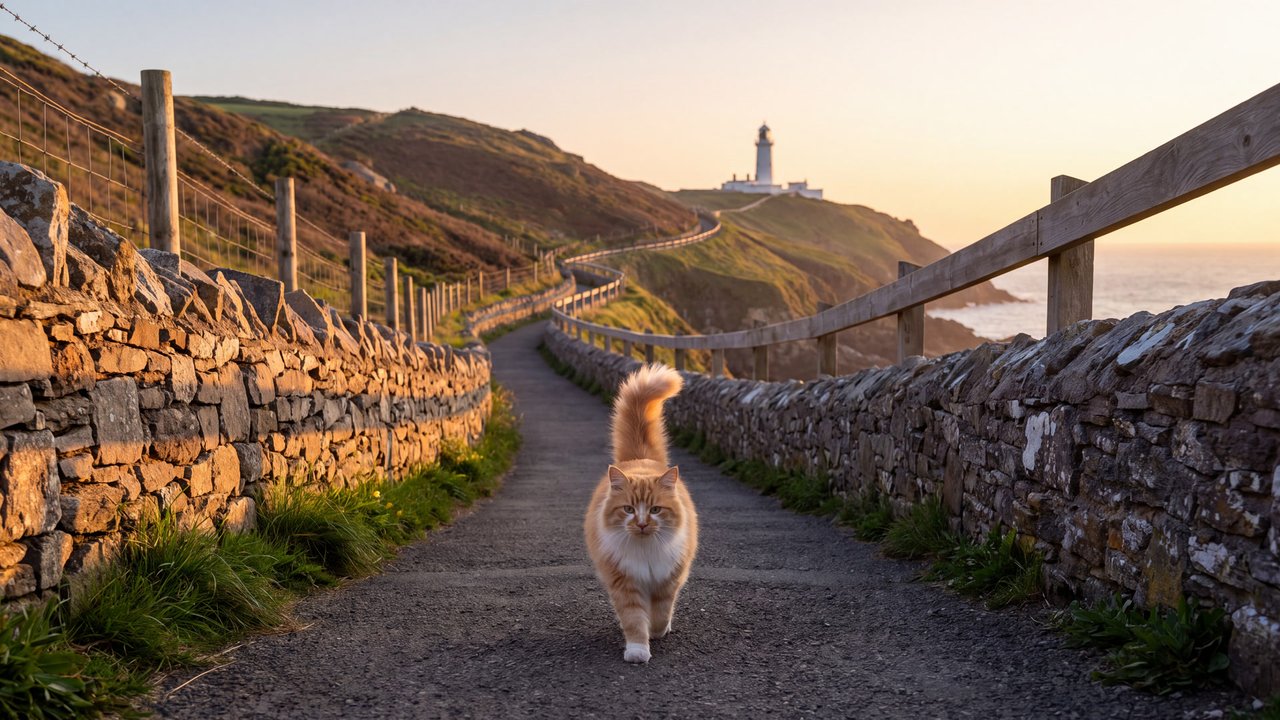
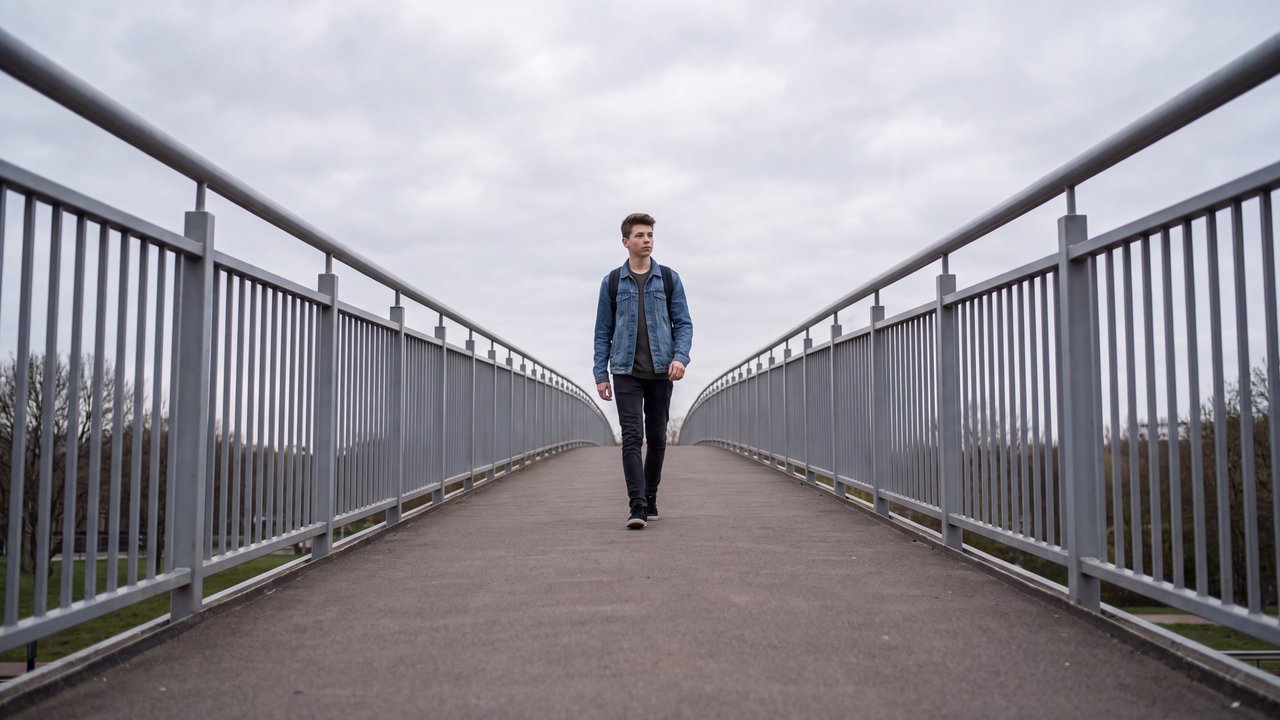
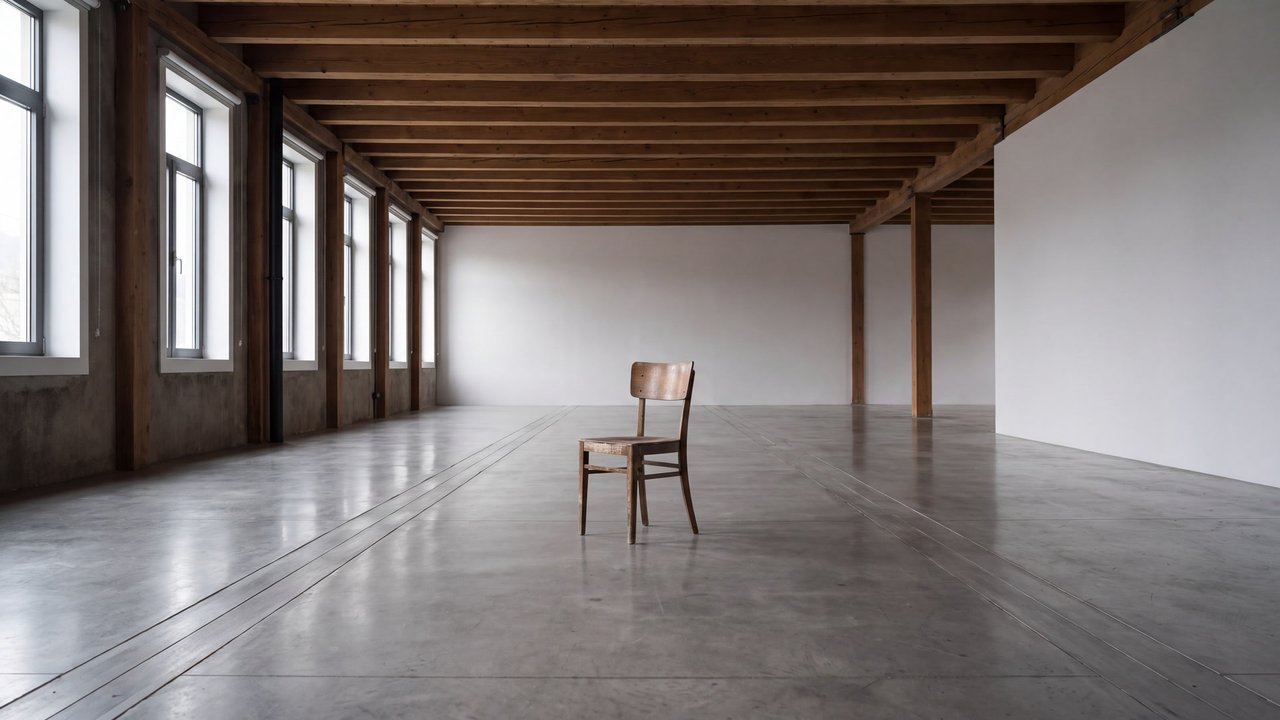
Linear elements cross the image and lead the eye toward a subject or distance.
It directs linear elements in the image toward a focal area to create an order of looking. It differs from mere pattern or subject pose.
Roads, rails, rivers, building edges, or bands of light can carry the eye from an image entry to a subject or distance. Framing and viewpoint remain separate.
Lines may be straight or curved.
Content updated:
Items linked through explicit membership in the same theme.
Medium-sized dog
Concept
A depth treatment that makes distant forms paler, cooler, and less distinct.
Compare ↗
Medium-sized dog
Concept
A composition that balances off-center elements through visual weight.
Compare ↗
Medium-sized dog
Concept
A composition that places the main subject on the image's central axis for focus and stability.
Compare ↗