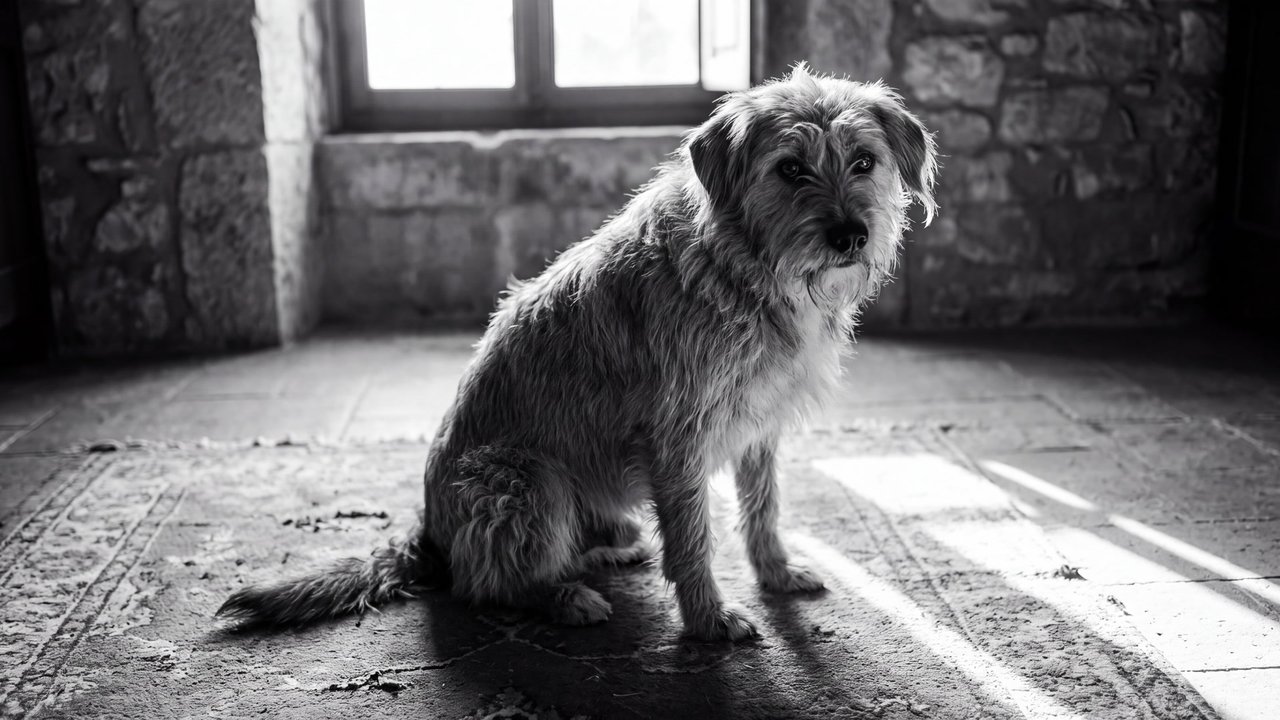


Medium-sized dog
Concept
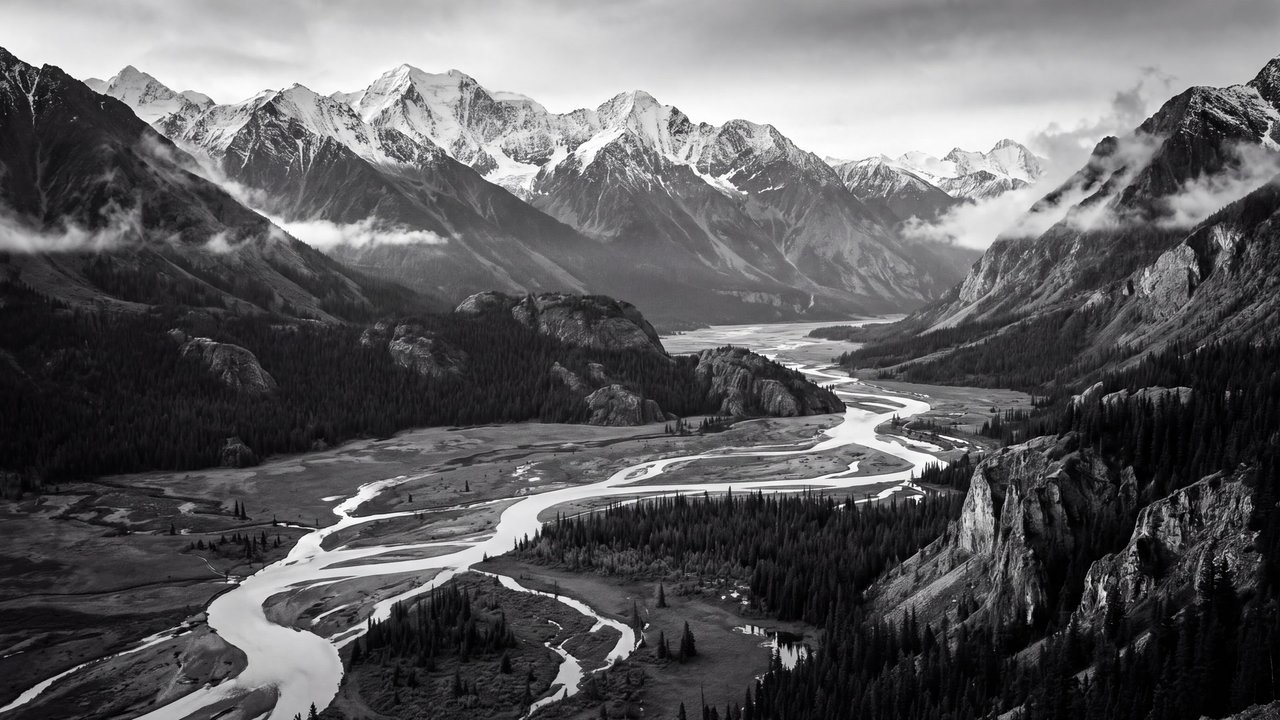
Aerial perspective
A depth treatment that makes distant forms paler, cooler, and less distinct.
Compare ↗Concept / Grayscale palette
A palette composed only of black, white, and gray values
An achromatic palette composed only of black, white, and gray values.

Medium-sized dog
Both languages share the English example images. Japanese prompts are the recorded translations.
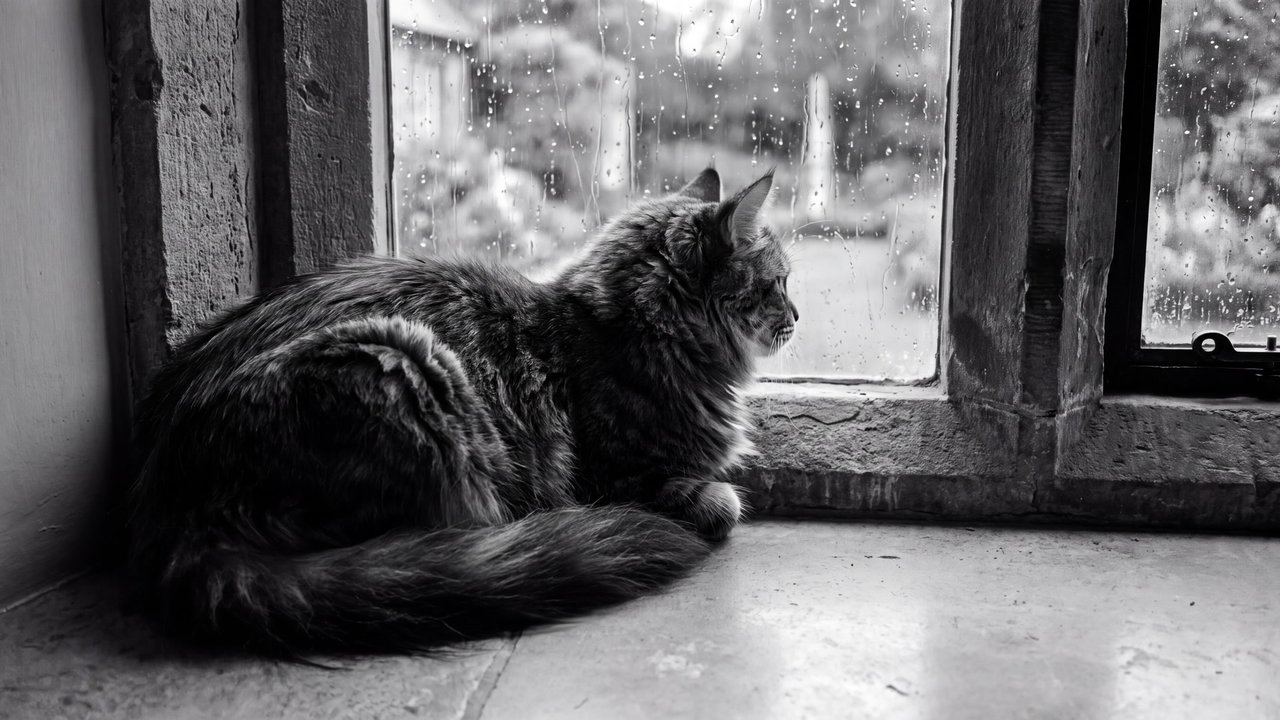
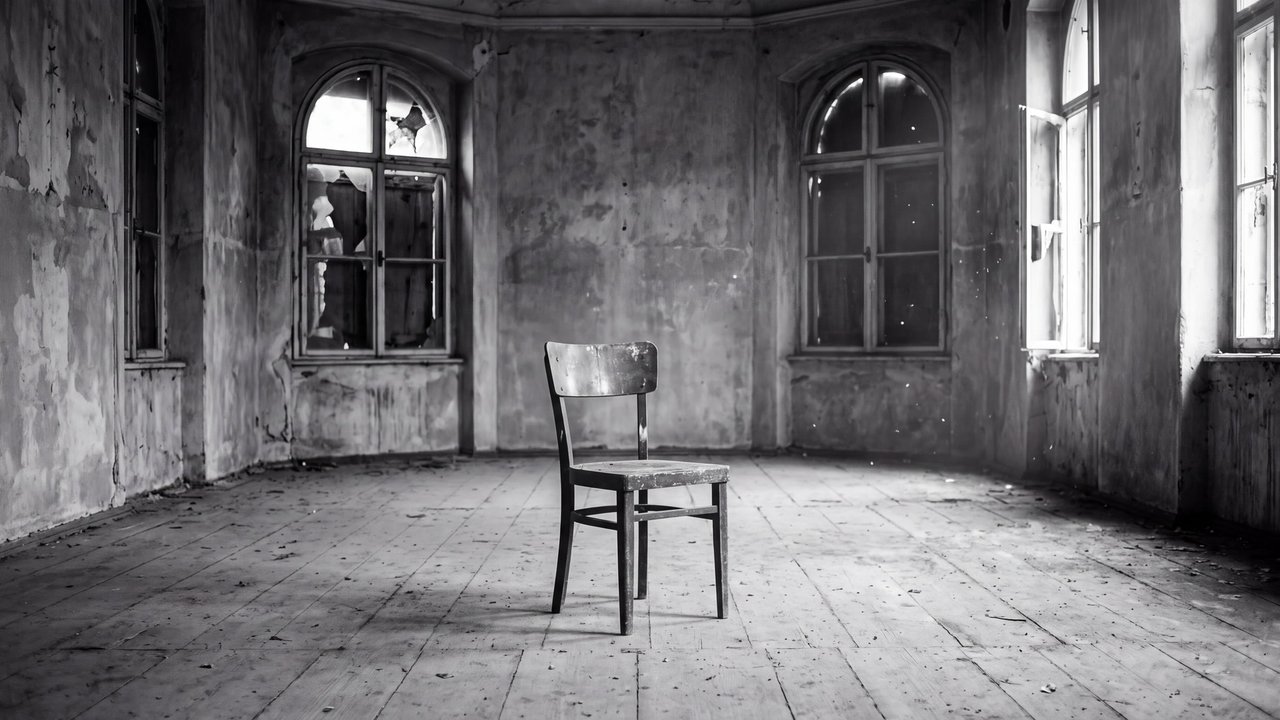
Removes chromatic color and constructs the image with black, white, and gray values.
Hue disappears so only value relationships among black, white, and gray remain.
A grayscale palette constructs an image with achromatic values from black to white, without hue or saturation. It does not specify contrast strength, photographic medium, or sepia toning.
Form, light, and value separation support the image in place of hue. It may include many grays between black and white or use stark binary separation. Adding even a small chromatic accent creates a different palette.
Number of gray steps and contrast can be adjusted separately.
Content updated:
Items linked through explicit membership in the same theme.
Medium-sized dog
Concept
A depth treatment that makes distant forms paler, cooler, and less distinct.
Compare ↗
Medium-sized dog
Concept
A composition that balances off-center elements through visual weight.
Compare ↗
Medium-sized dog
Concept
A composition that places the main subject on the image's central axis for focus and stability.
Compare ↗