



Angry person in a quiet room
Concept
Angry expression
A facial expression in which anger is legible through tension in the brows, eyes, or mouth.
Compare ↗Concept / Discovery event
An event in which a subject notices an object or trace that was previously unknown to them.
An event in which a subject notices an object or trace that was previously unknown to them.

A person in a room with a faint trace
An unoccupied quiet room cannot show a subject who may notice a previously unknown trace, so it is replaced with a neutral person and an unattended trace before discovery.
Both languages share the English example images. Japanese prompts are the recorded translations.
Directs the image toward a scene in which a subject notices an object or trace that was previously unknown to them.
A subject's gaze or attention turns toward an object or trace that had not been attended to before.
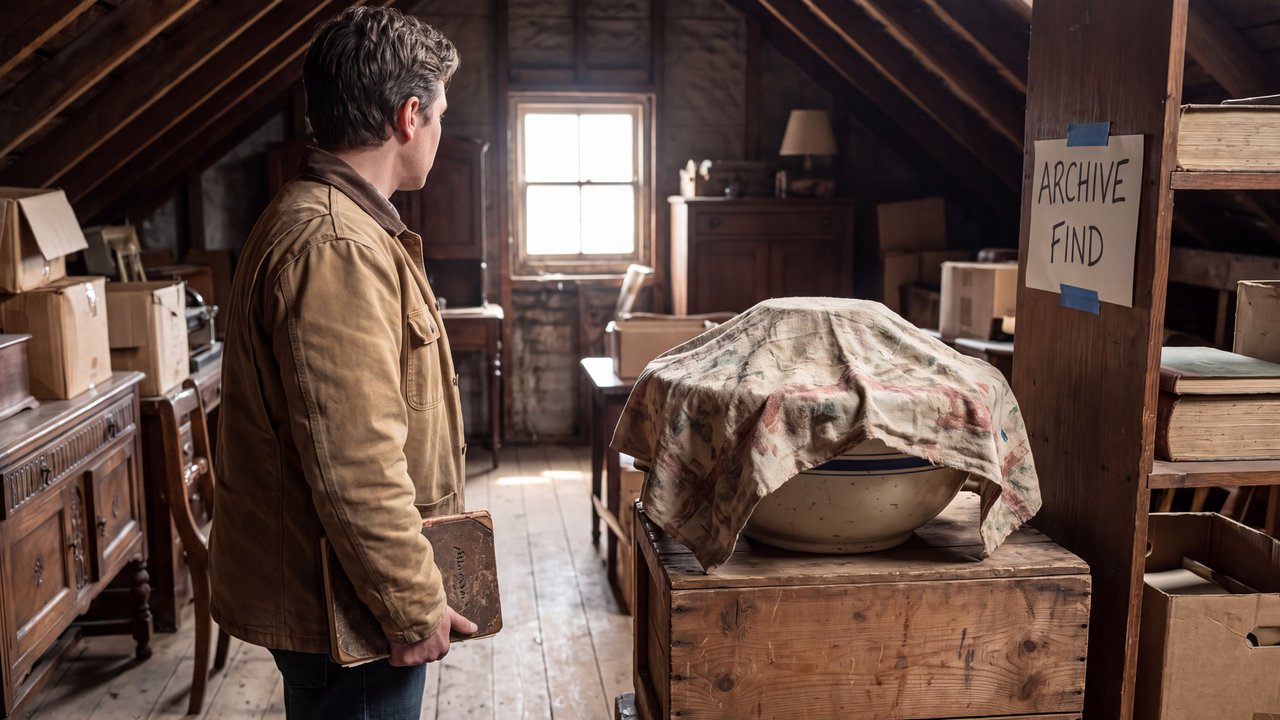
A seated dog alone cannot show both a subject and an object that may be newly noticed, so it is replaced with a neutral person and an unattended object before discovery.
a person standing beside a bowl covered by cloth without attending to it
A seated cat cannot compare a subject with a previously unknown trace, so it is replaced with a neutral person and an unattended mark before discovery.
a person standing beside a small mark on a wall without looking at it
A fixed image of a boy alone cannot show the subject and object needed for a possible discovery, so it is replaced with a neutral person and an unattended box before discovery.
a person standing beside a box partly hidden beneath a low shelf without looking at it
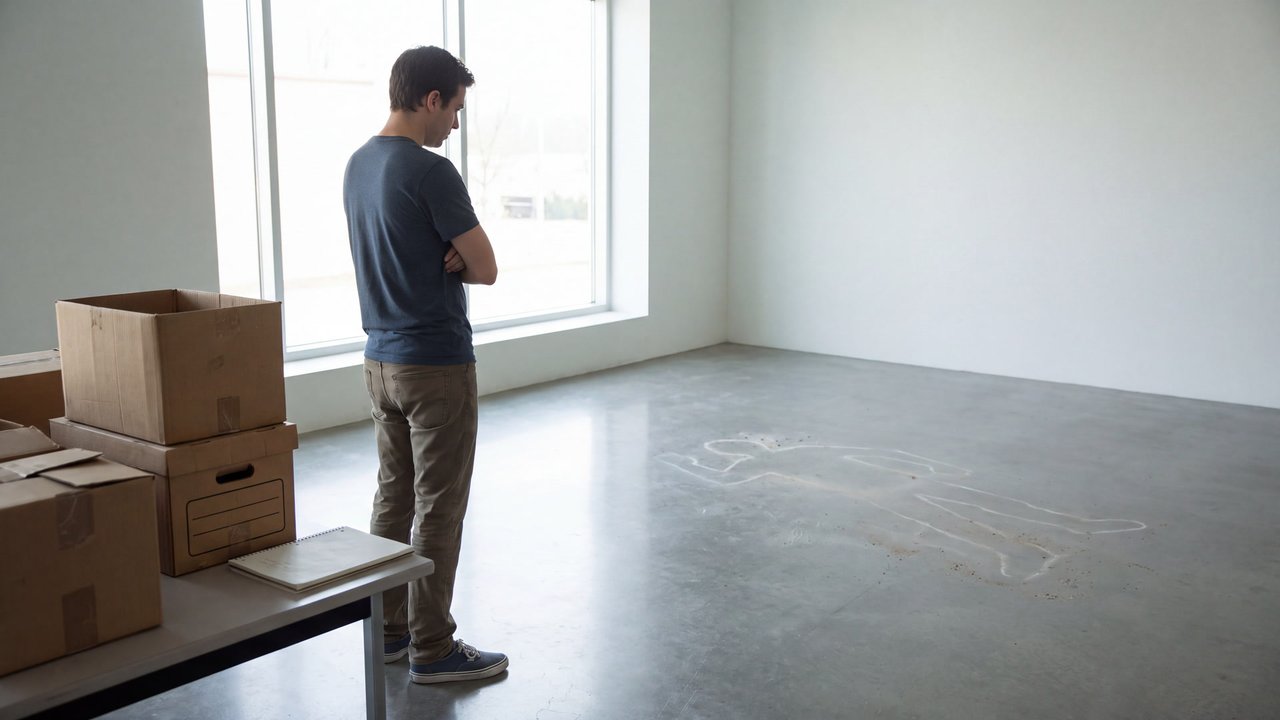
An unoccupied quiet room cannot show a subject who may notice a previously unknown trace, so it is replaced with a neutral person and an unattended trace before discovery.
a person standing away from a faint trace on the floor in a bright quiet room
A landscape alone cannot show a subject who may notice a previously unknown object, so it is replaced with a neutral person and an unattended distant object before discovery.
a person standing in open level ground with their back turned toward a small distant object
A discovery event occurs when a subject notices an object or trace that was previously unknown to them. It does not determine surprise, value, ownership, scientific discovery, danger, or emotion.
It centers on the turning point when a subject's attention shifts to a previously unrecognized object or trace. It is distinct from searching alone, viewing something already known, and judging the object.
The kind of subject, object or trace, and setting can be adjusted separately.
Content updated:
Items linked through explicit membership in the same theme.
Angry person in a quiet room
Concept
A facial expression in which anger is legible through tension in the brows, eyes, or mouth.
Compare ↗
Arms-crossed person in a quiet room
Concept
A static bodily stance with both arms crossed before the chest.
Compare ↗
Person looking aside in a quiet room
Concept
A gaze directed away to the side rather than toward the frontal focus.
Compare ↗