


Medium-sized dog
Concept
Aerial perspective
A depth treatment that makes distant forms paler, cooler, and less distinct.
Compare ↗Concept / Diagonal composition
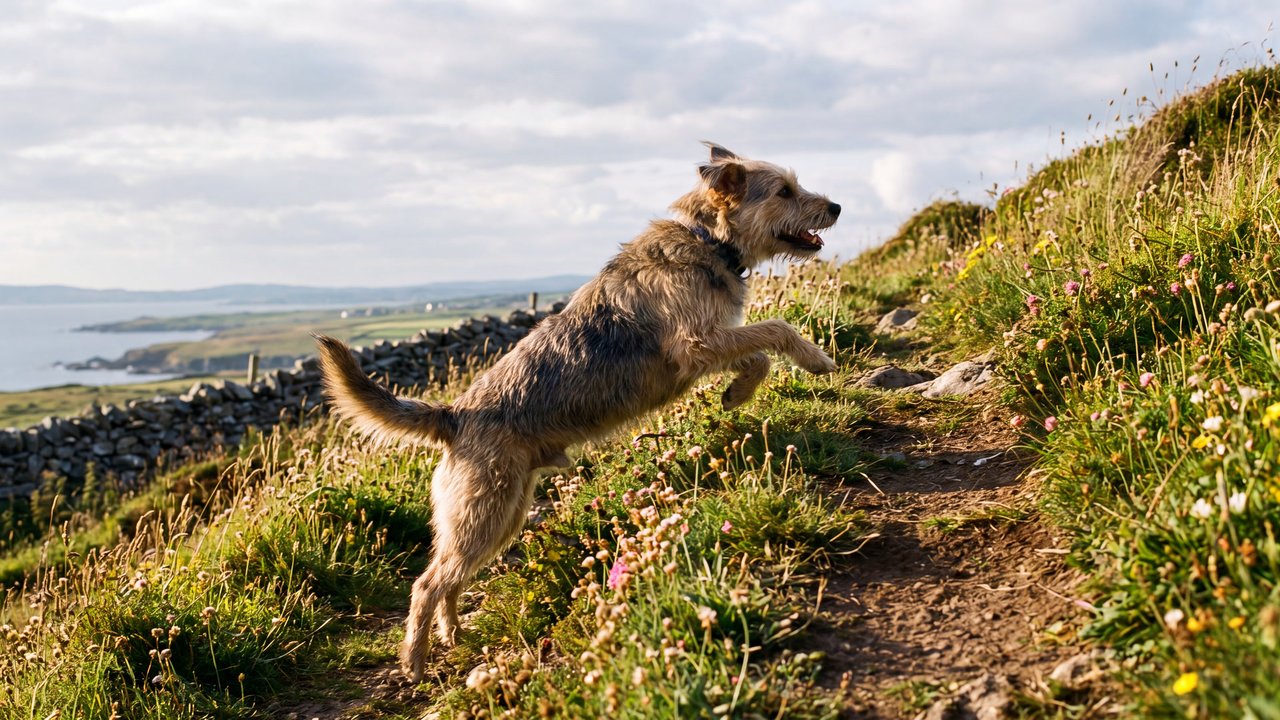
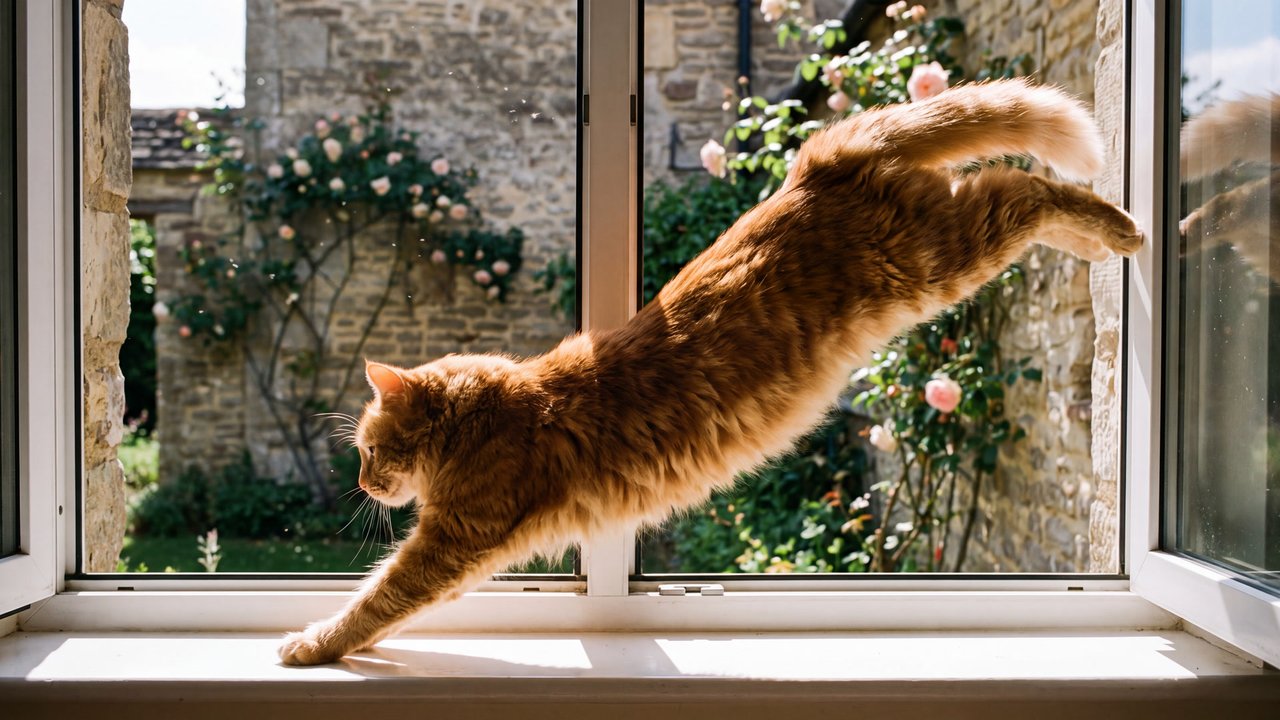
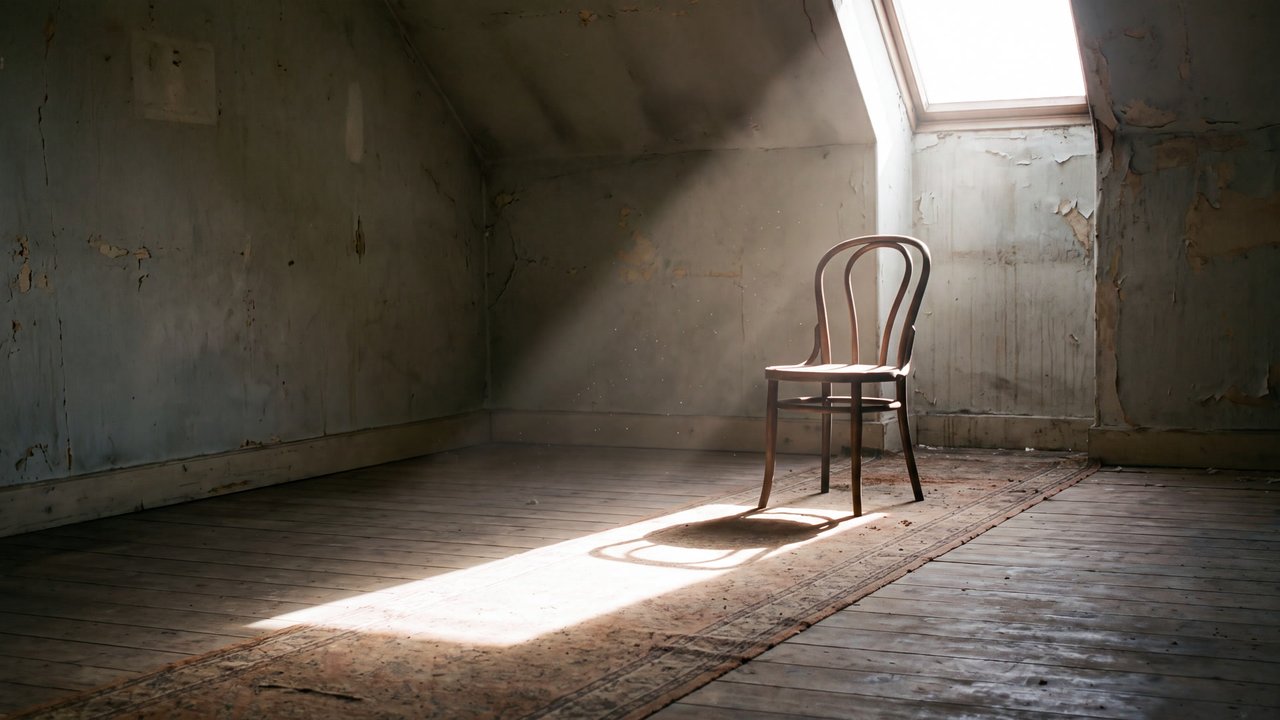
A composition carrying the eye across the image on a diagonal axis
A composition that guides the eye and a sense of movement along a diagonal axis across the frame.

Medium-sized dog
Both languages share the English example images. Japanese prompts are the recorded translations.
Run a dominant line or sequence diagonally to create an eye path across the frame.
A composition that guides the eye and a sense of movement along a diagonal axis across the frame.
Places a road, pose, architectural edge, or band of light diagonally so the eye travels from one area of the frame to another; it differs from a merely tilted subject.
It adjusts placement, spatial depth, or visible extent without choosing the subject or medium. It can be combined with separate composition, viewpoint, lighting, and color directions.
Its strength varies with scale, empty space, and overlap, so specify the subject-setting relationship separately when needed.
Content updated:
Items linked through explicit membership in the same theme.
Medium-sized dog
Concept
A depth treatment that makes distant forms paler, cooler, and less distinct.
Compare ↗
Medium-sized dog
Concept
A composition that balances off-center elements through visual weight.
Compare ↗
Medium-sized dog
Concept
A composition that places the main subject on the image's central axis for focus and stability.
Compare ↗