
Angry person in a quiet room
Concept
Angry expression
A facial expression in which anger is legible through tension in the brows, eyes, or mouth.
Compare ↗Concept / Dancing
An action of moving the body rhythmically
An action of moving the body rhythmically in dance.

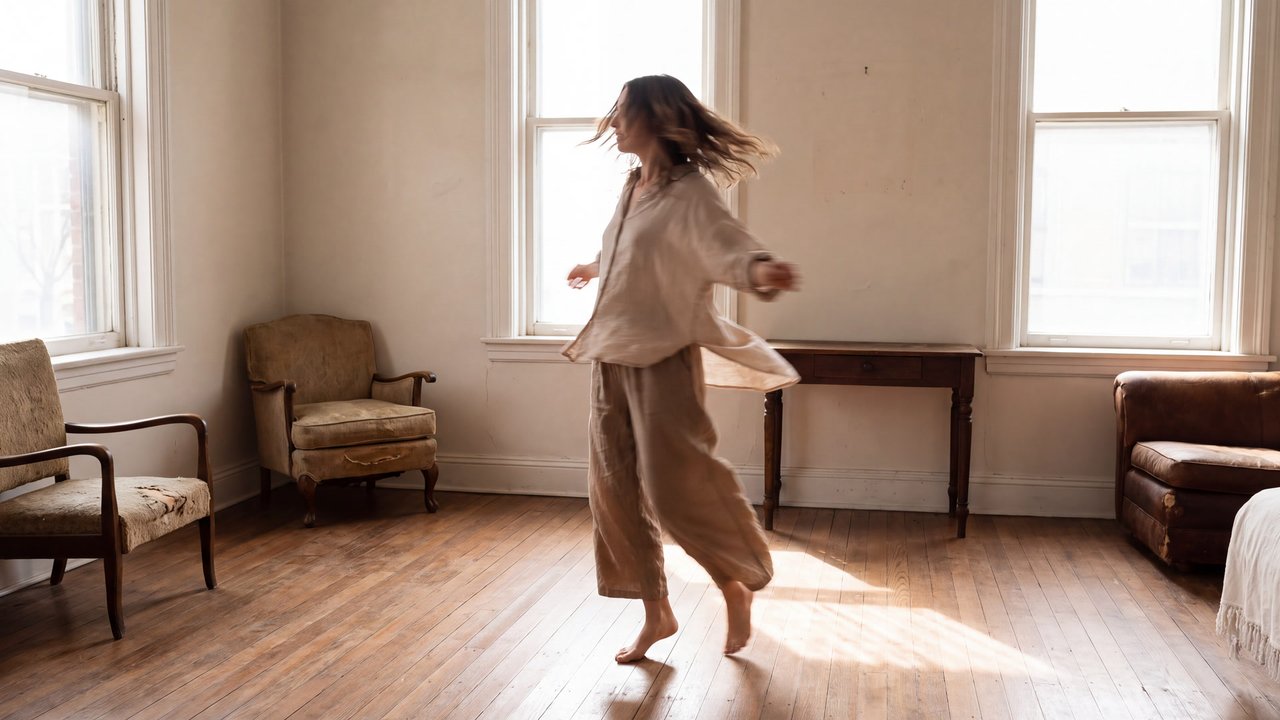
Person dancing in a quiet room
An unoccupied interior cannot show dancing, so it is replaced with a dancing person.
Both languages share the English example images. Japanese prompts are the recorded translations.
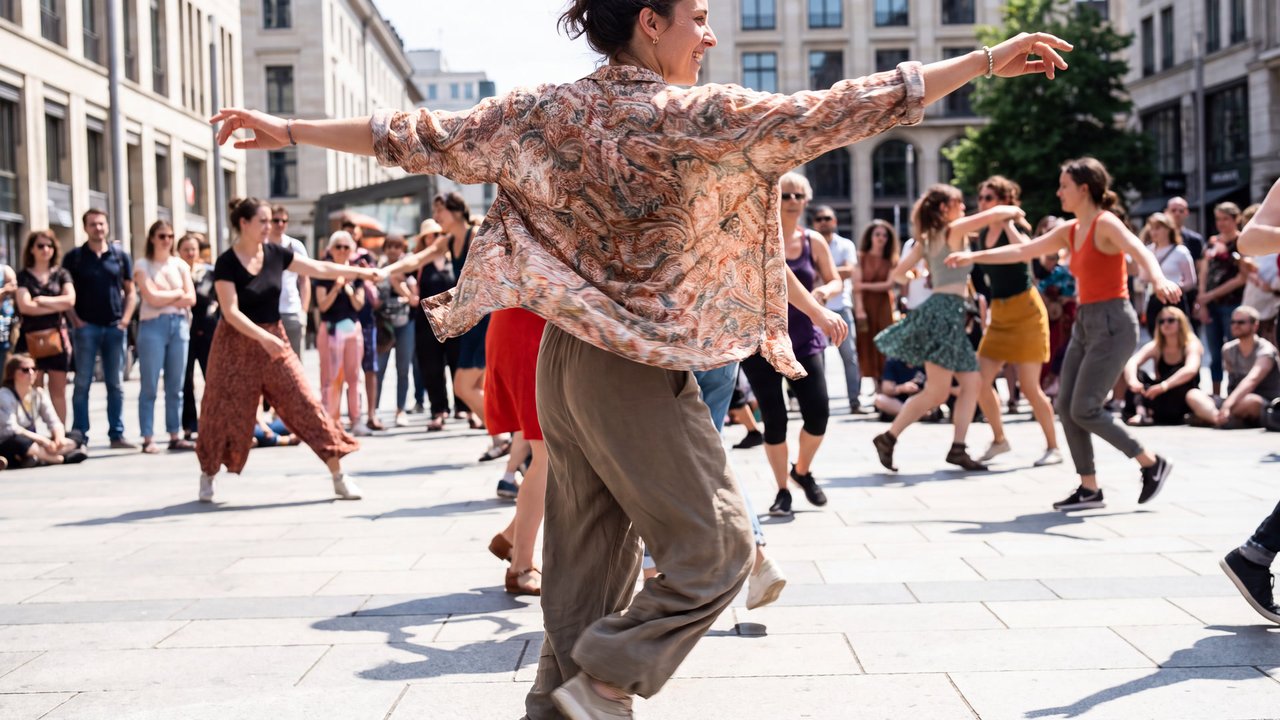
Shows a moment within rhythmic whole-body movement.
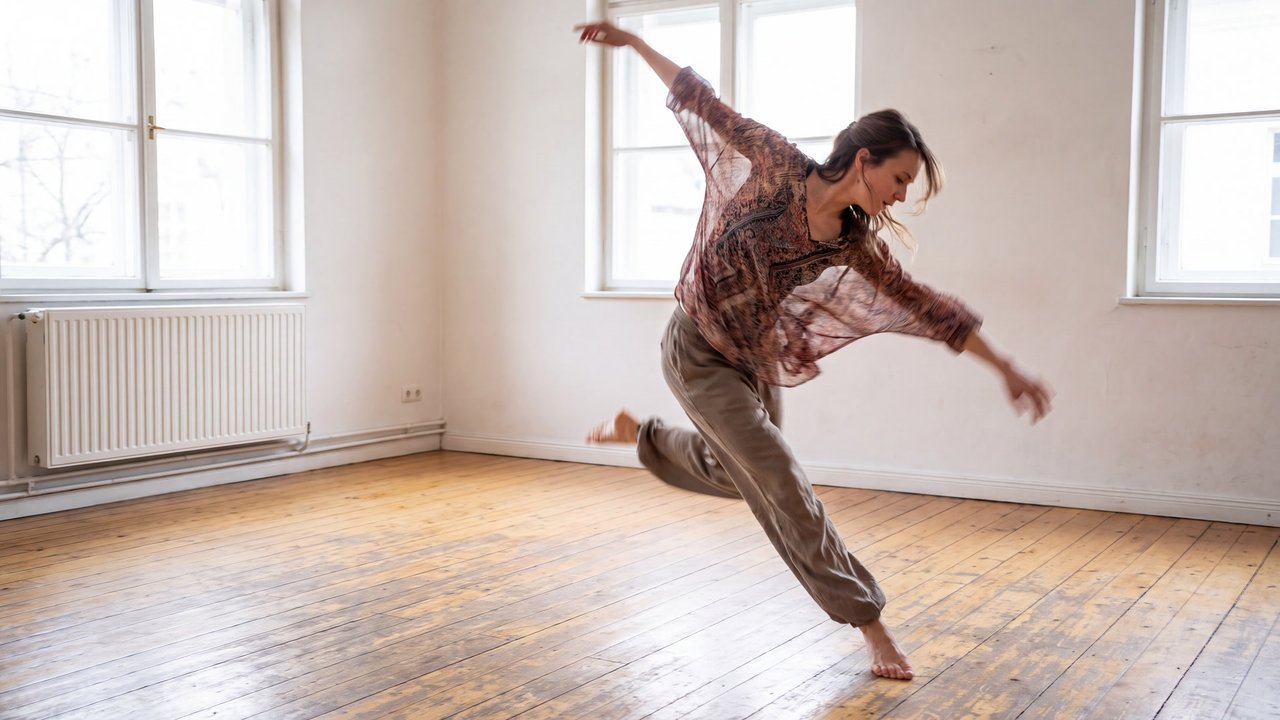
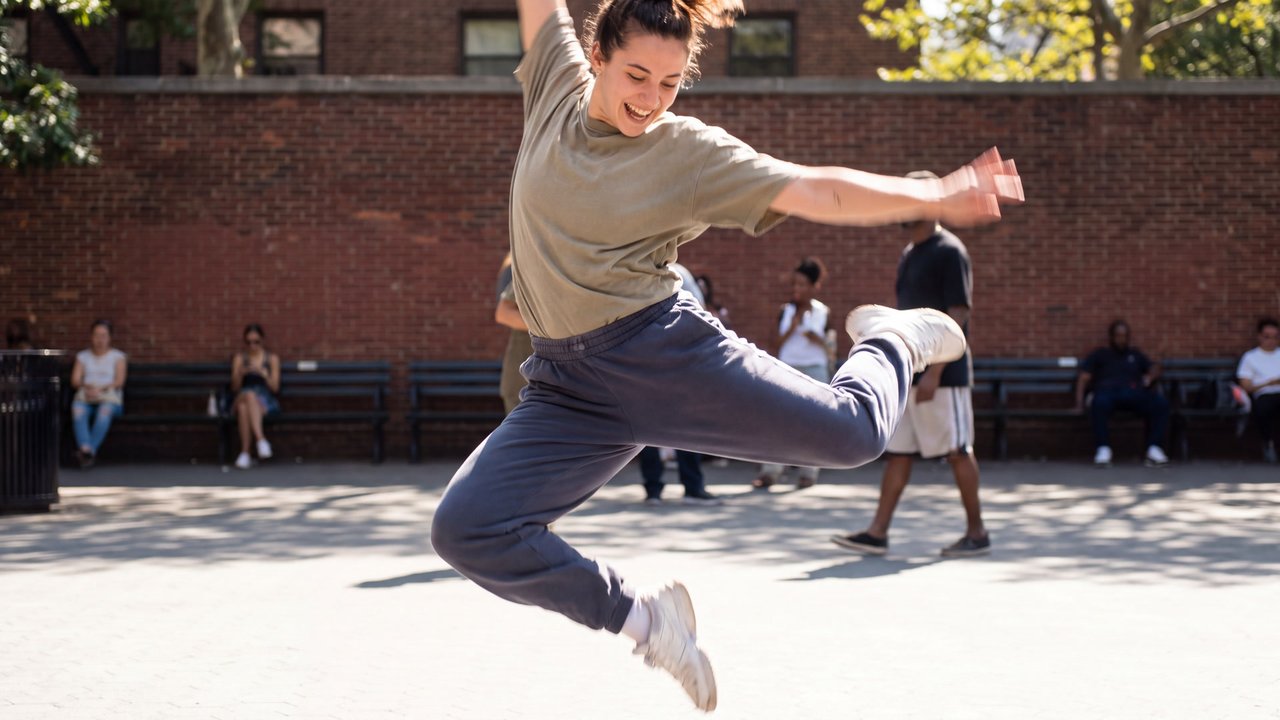
An inclined torso, extended limbs, and shifted balance indicate bodily movement.
The fixed dog motif conflicts with the required action, so it is replaced with a dancing person.
an adult dancing with extended arms, full body visible
The fixed cat motif conflicts with the required action, so it is replaced with a dancing person.
a person dancing with shifted balance, full body visible
The fixed boy motif conflicts with the required action, so it is replaced with a dancing young person.
a young person dancing with moving arms and legs, full body visible
An unoccupied interior cannot show dancing, so it is replaced with a dancing person.
one person dancing in a quiet room, full body visible
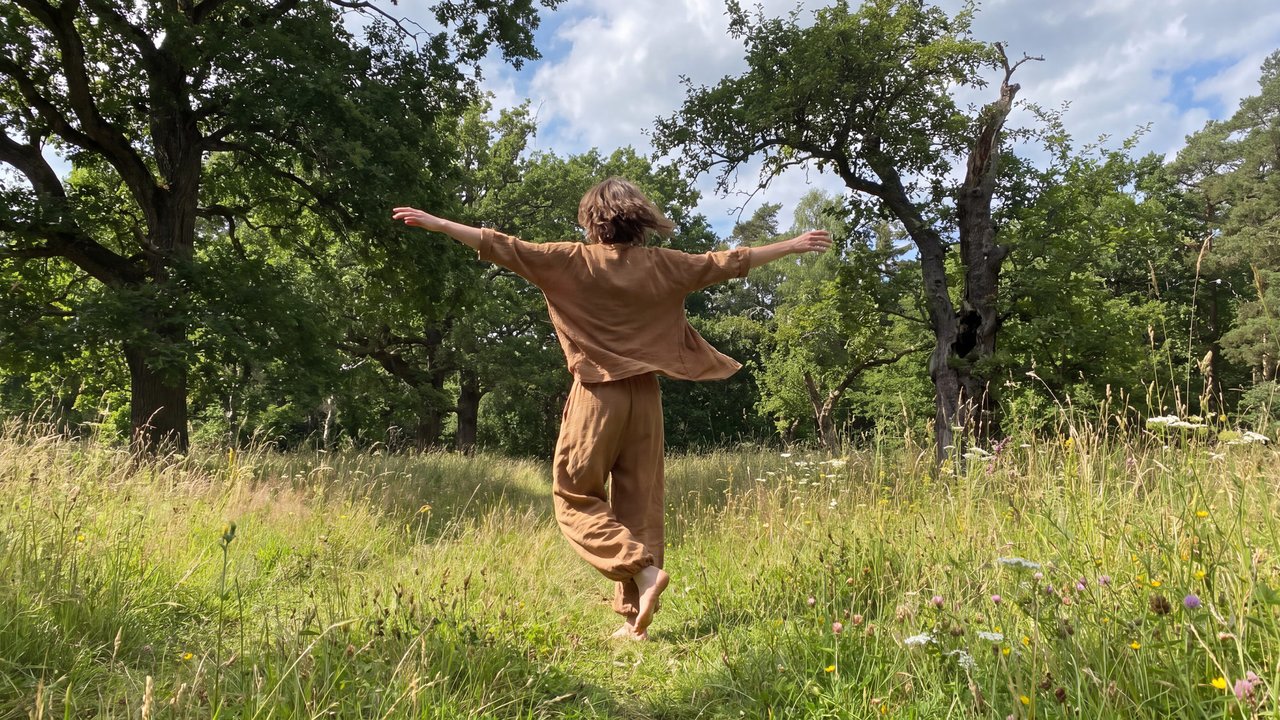
A landscape without a subject cannot show dancing, so it is replaced with a dancing person.
one person dancing in a natural setting, full body visible
Dancing is an action in progress that uses movement of the body, arms, legs, and torso to dance. It does not include a particular dance tradition, music, clothing, or a static pose.
Weight shift, extended limbs, and moving clothing can make an in-progress movement readable. Genre, choreography, emotion, and audience are specified separately. It is distinct from merely standing, raising an arm, or playing music.
Movement size and limb shapes can be adjusted freely.
Content updated:
Items linked through explicit membership in the same theme.
Angry person in a quiet room
Concept
A facial expression in which anger is legible through tension in the brows, eyes, or mouth.
Compare ↗
Arms-crossed person in a quiet room
Concept
A static bodily stance with both arms crossed before the chest.
Compare ↗
Person looking aside in a quiet room
Concept
A gaze directed away to the side rather than toward the frontal focus.
Compare ↗