

Angry person in a quiet room
Concept
Angry expression
A facial expression in which anger is legible through tension in the brows, eyes, or mouth.
Compare ↗Concept / Containment
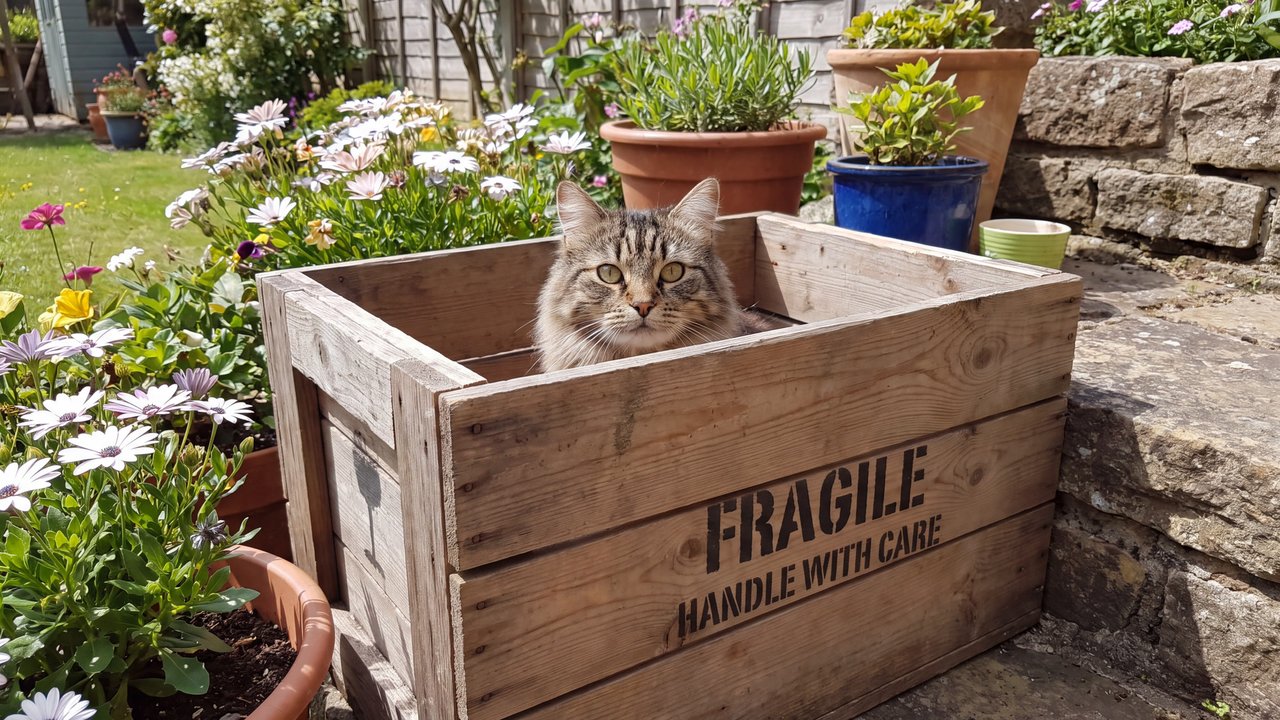
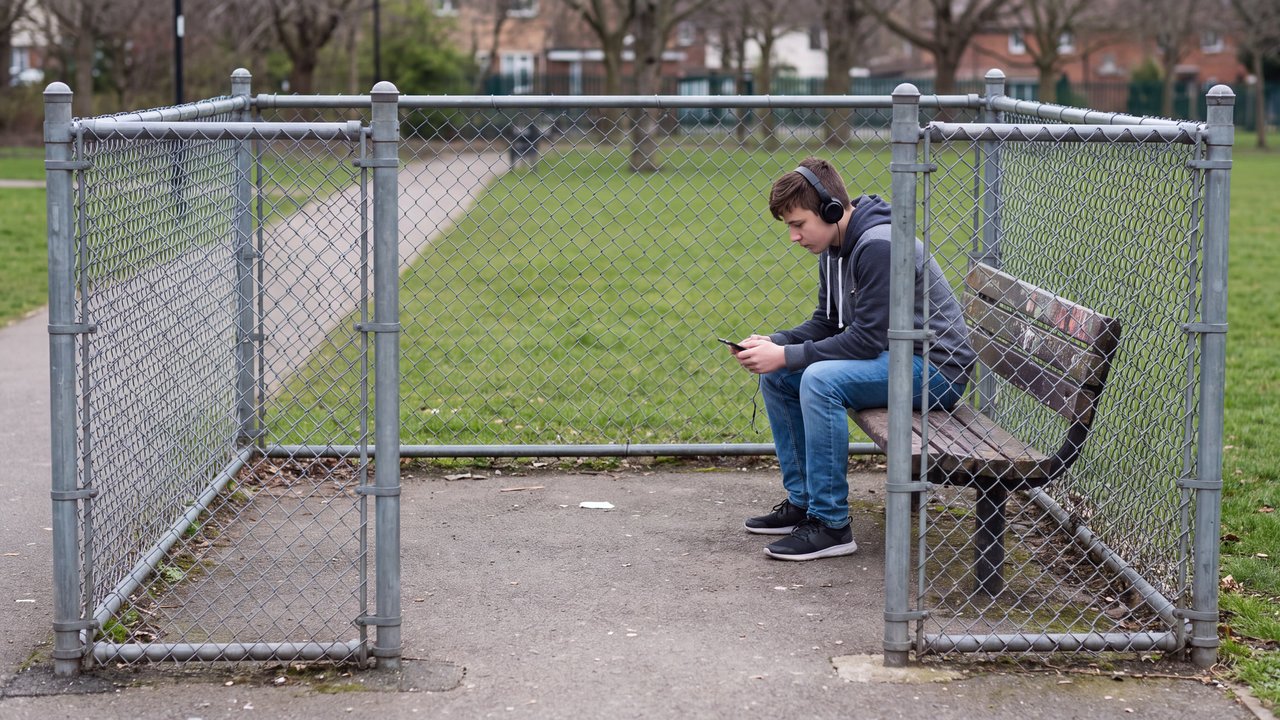
A spatial relationship in which an object lies within a separate physical boundary
A spatial relationship in which an object lies within a separate physical boundary.

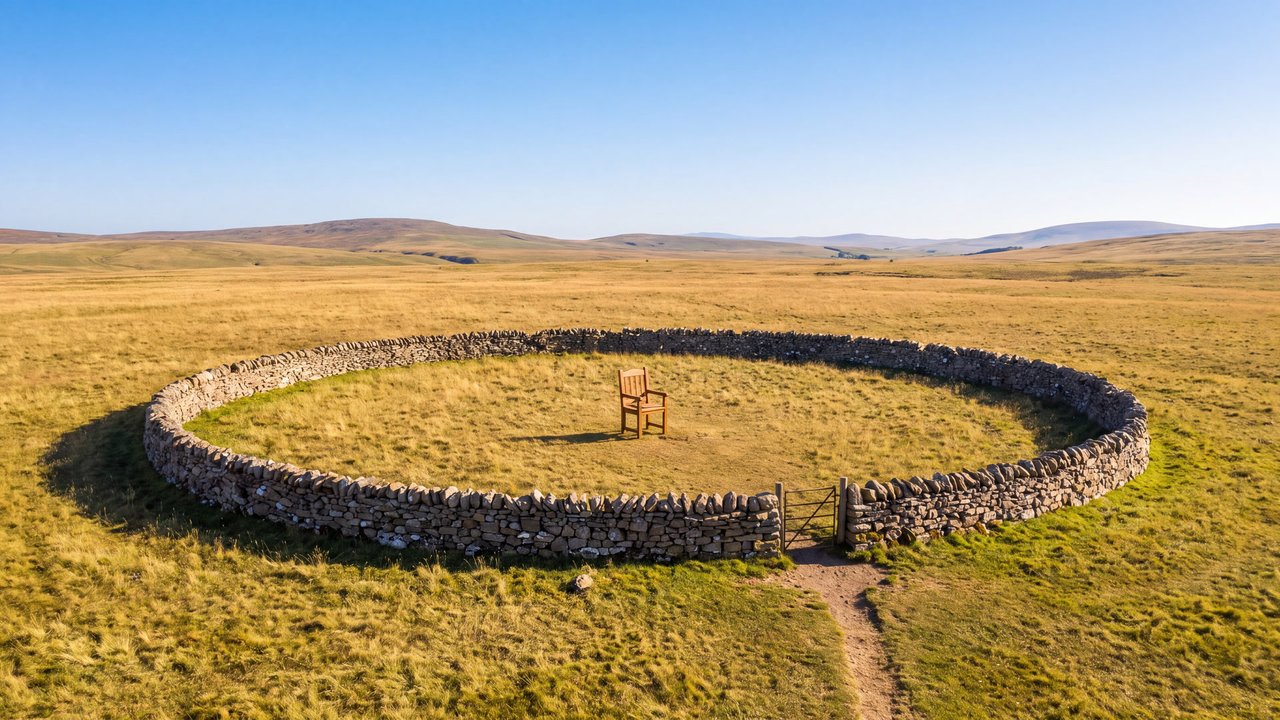
Single chair
An unoccupied room already has an enclosure, so it is replaced with one open, single object that does not pre-establish containment.
Both languages share the English example images. Japanese prompts are the recorded translations.
Directs the image toward an arrangement in which an object lies within a physical boundary.
The inside-outside relation between an object and surrounding boundary is visible.
An unoccupied room already has an enclosure, so it is replaced with one open, single object that does not pre-establish containment.
a single chair in a bright open space with no walls or enclosure
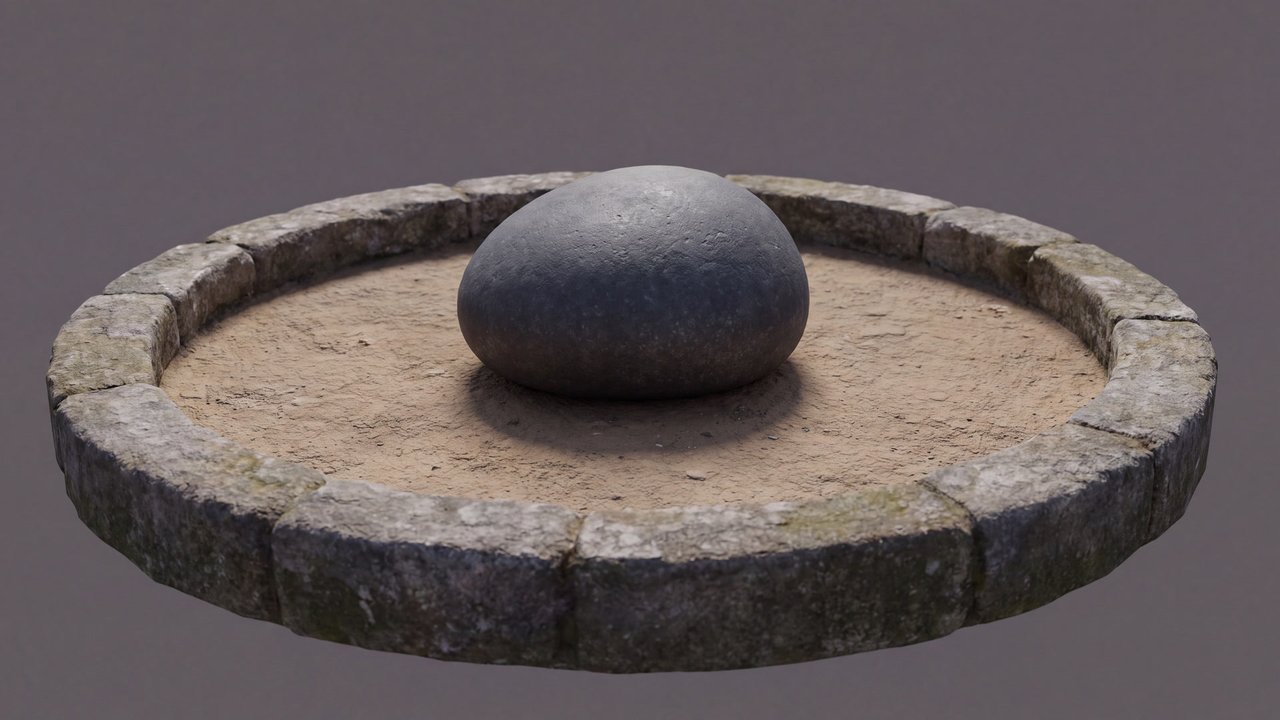
A valley and mountains already contain terrain boundaries, so they are replaced with one object on level ground that does not pre-stage containment.
a single rounded stone on level ground with no boundary or container
Containment is a spatial relationship in which an object lies within a separate physical boundary such as a vessel, frame, or enclosure. It does not determine confinement, control, hazardous material, or psychological restriction.
It addresses only the inside-outside relation between an object and boundary. It is distinct from mere proximity, above-below placement, and simply being indoors.
Boundary shape and openness can be adjusted separately.
Content updated:
Items linked through explicit membership in the same theme.
Angry person in a quiet room
Concept
A facial expression in which anger is legible through tension in the brows, eyes, or mouth.
Compare ↗
Arms-crossed person in a quiet room
Concept
A static bodily stance with both arms crossed before the chest.
Compare ↗
Person looking aside in a quiet room
Concept
A gaze directed away to the side rather than toward the frontal focus.
Compare ↗