



Angry person in a quiet room
Concept
Angry expression
A facial expression in which anger is legible through tension in the brows, eyes, or mouth.
Compare ↗Concept / Closed eyes
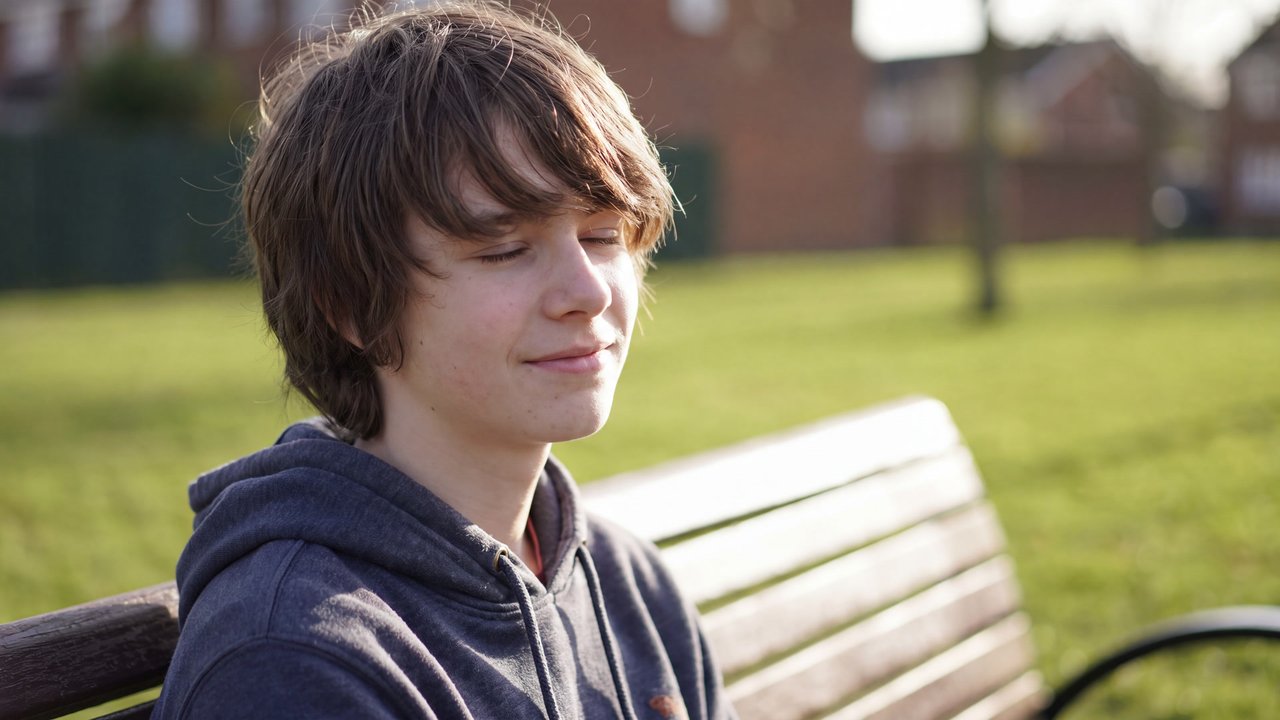
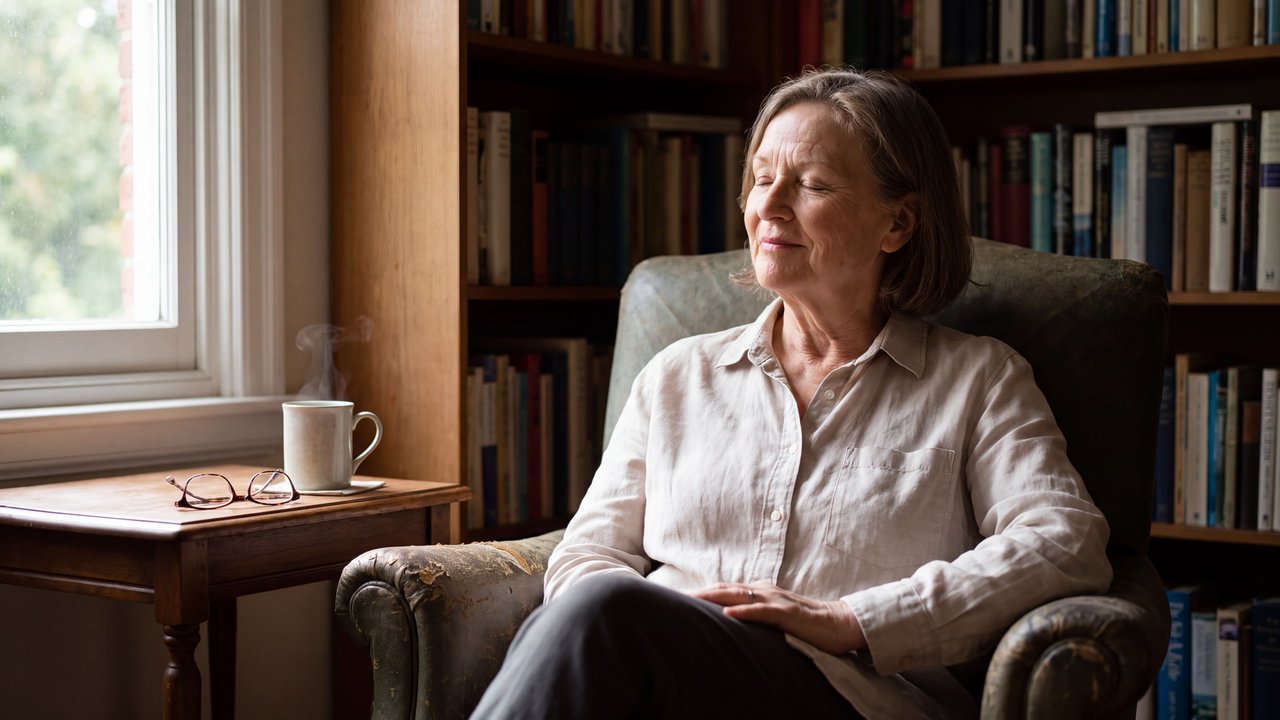
A facial state with eyelids closed
A facial state in which eyelids are closed and pupils are not visible.

Person with closed eyes in a quiet room
An unoccupied interior has no eye state, so it is replaced with a person.
Both languages share the English example images. Japanese prompts are the recorded translations.
Closes the eyelids so pupils are not shown.
Closed lids appear as smooth lines across the eye area.
An unoccupied interior has no eye state, so it is replaced with a person.
one person in a quiet room with a readable face and closed eyes
A landscape without a subject has no eye state, so it is replaced with a person.
one person against a natural setting with a readable face and closed eyes
Closed eyes are a facial and ocular state in which eyelids are shut and pupils are not visible. It does not include a reason such as sleep, prayer, rest, or sadness, nor a body pose.
When the eye area is visible, closed lids can support stillness or concentration in an expression. Emotion, whether the subject is asleep, and head direction are specified separately. It is distinct from lowered but visible eyes and compositions that hide the eyes.
Lid tension can vary from calmness to strong emotion.
Content updated:
Items linked through explicit membership in the same theme.
Angry person in a quiet room
Concept
A facial expression in which anger is legible through tension in the brows, eyes, or mouth.
Compare ↗
Arms-crossed person in a quiet room
Concept
A static bodily stance with both arms crossed before the chest.
Compare ↗
Person looking aside in a quiet room
Concept
A gaze directed away to the side rather than toward the frontal focus.
Compare ↗