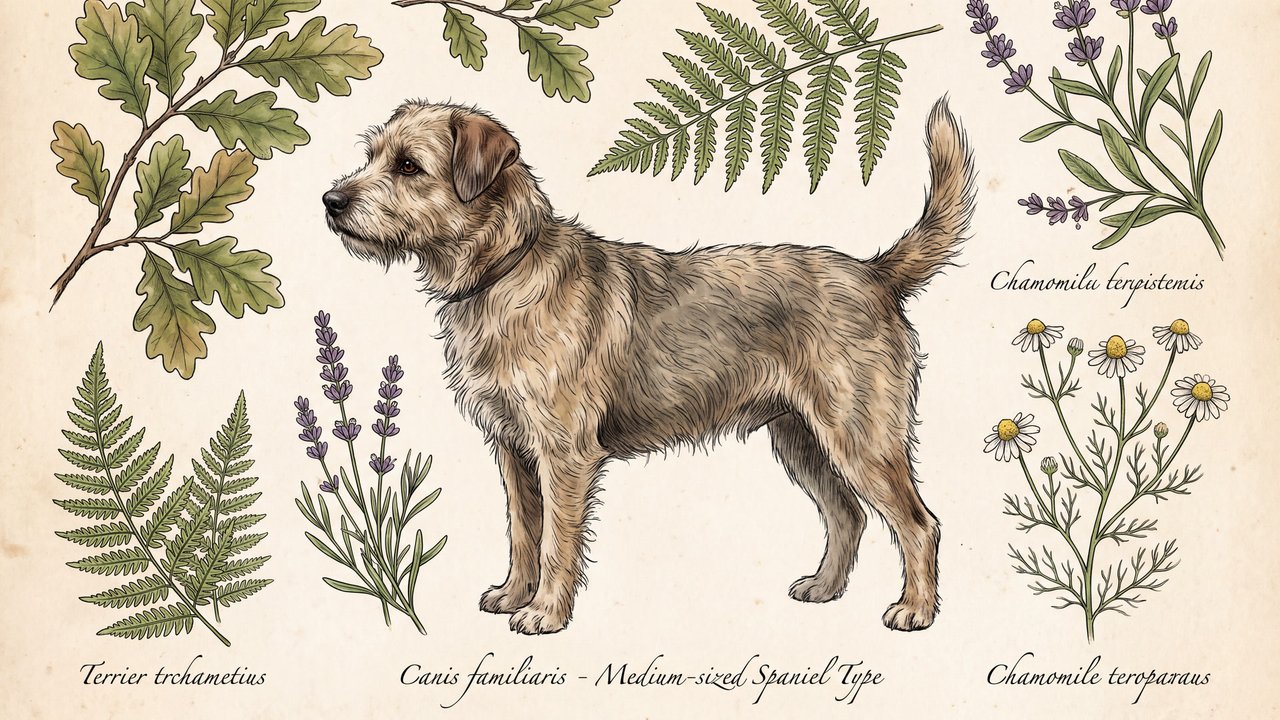

Medium-sized dog
Concept
Aerial perspective
A depth treatment that makes distant forms paler, cooler, and less distinct.
Compare ↗Concept / botanical illustration
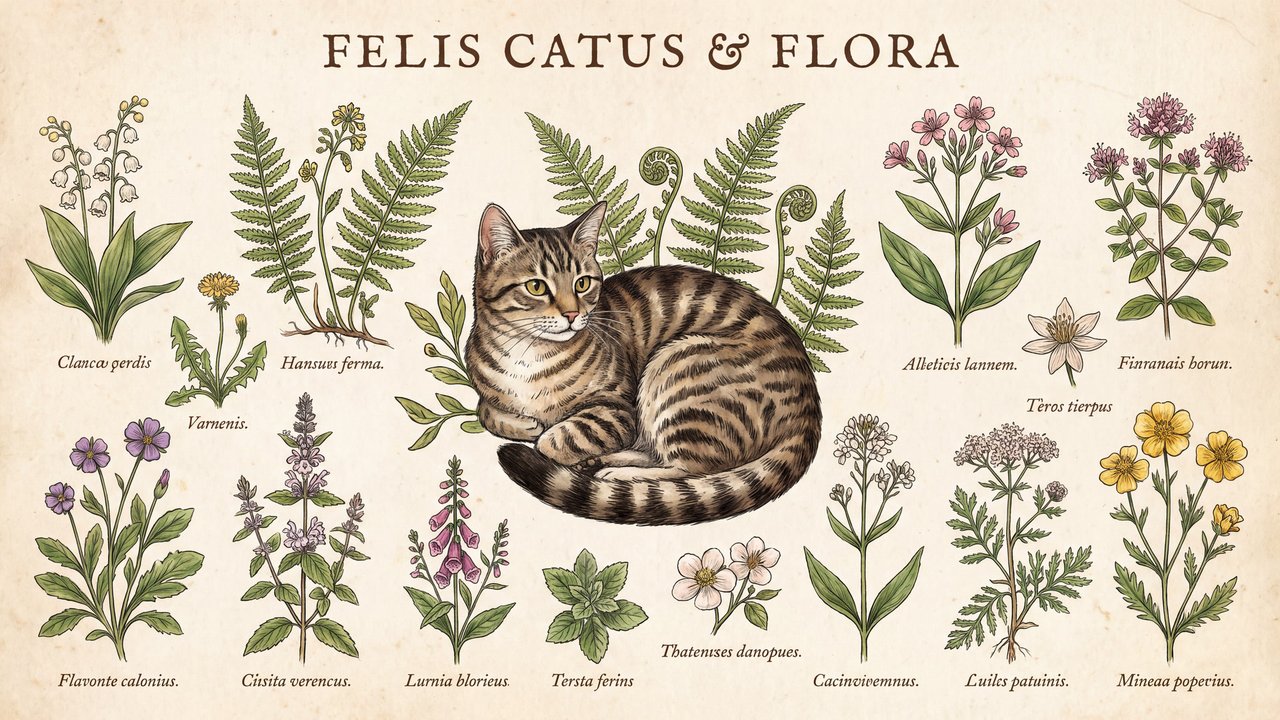
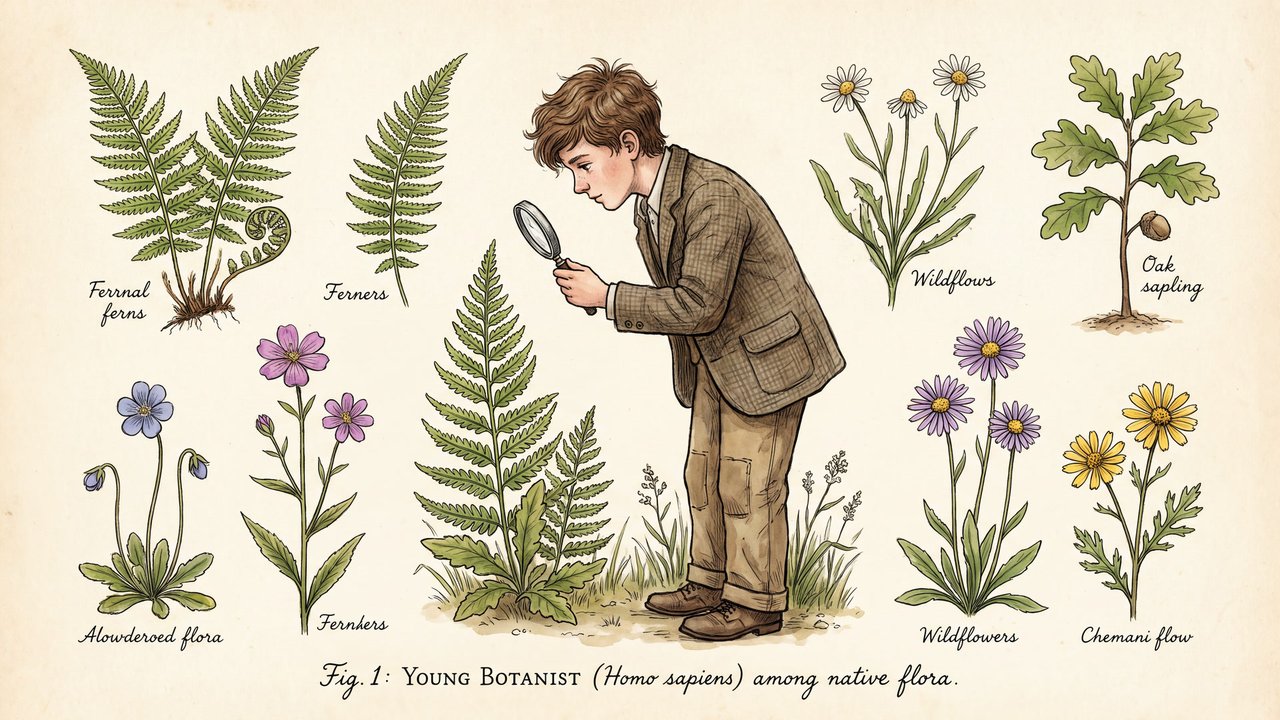
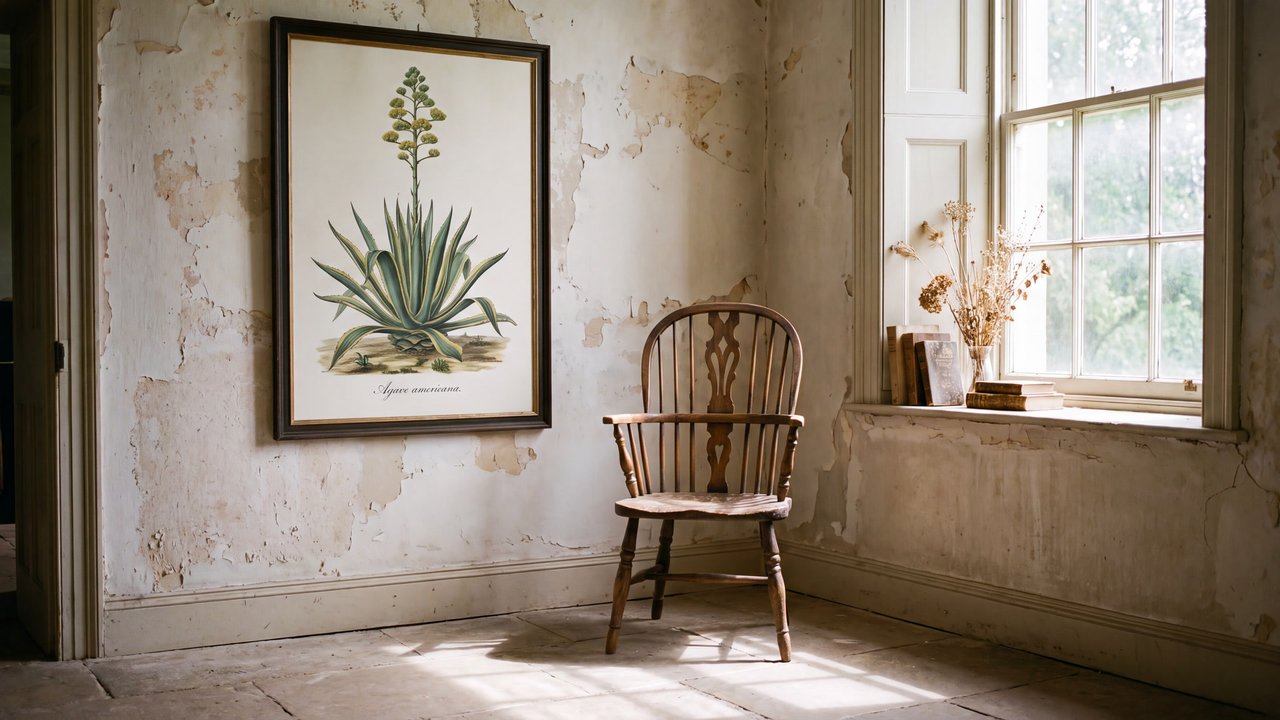
Illustration that presents the appearance, parts, and growth features of plants observationally
Illustration that presents plant forms and parts observationally.

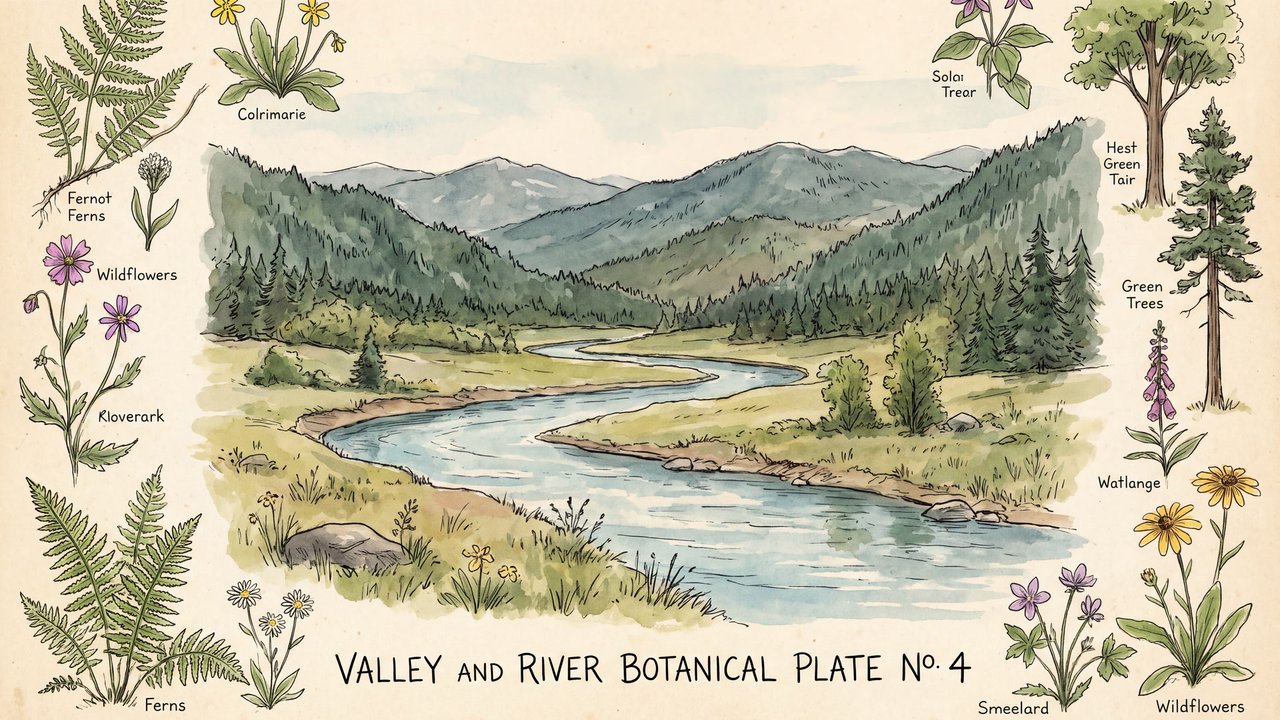
Valley with a river and mountain ranges
Both languages share the English example images. Japanese prompts are the recorded translations.
Adds a tendency to present plant form and parts for observation.
Makes plant contours, parts, and texture readable with restrained backgrounds.
Botanical illustration indicates an observational depiction of a plant's whole form, leaves, flowers, fruit, seeds, or other parts. It does not guarantee species identification, exact scale, scientific accuracy, or a particular reference or medium.
It makes plants readable through form, relations among parts, and restrained backgrounds. Species, growth stage, scientific verification, and specimen references must be confirmed separately.
Because the provisional reference is not direct evidence for this candidate, root source review is required; generated imagery does not guarantee botanical accuracy, so confirm with specialist references for education, identification, or research.
Content updated:
Items linked through explicit membership in the same theme.
Medium-sized dog
Concept
A depth treatment that makes distant forms paler, cooler, and less distinct.
Compare ↗
Medium-sized dog
Concept
A composition that balances off-center elements through visual weight.
Compare ↗
Medium-sized dog
Concept
A composition that places the main subject on the image's central axis for focus and stability.
Compare ↗