
Medium-sized dog
Concept
Watercolor paint
A paint that uses pigment in an aqueous medium, generally diluted with water and used for translucent color layers that can preserve the brightness of the support.
Compare ↗Concept / Blending
A making technique that softens boundaries between drawing or paint materials
A making technique that softens boundaries between drawing or paint materials.

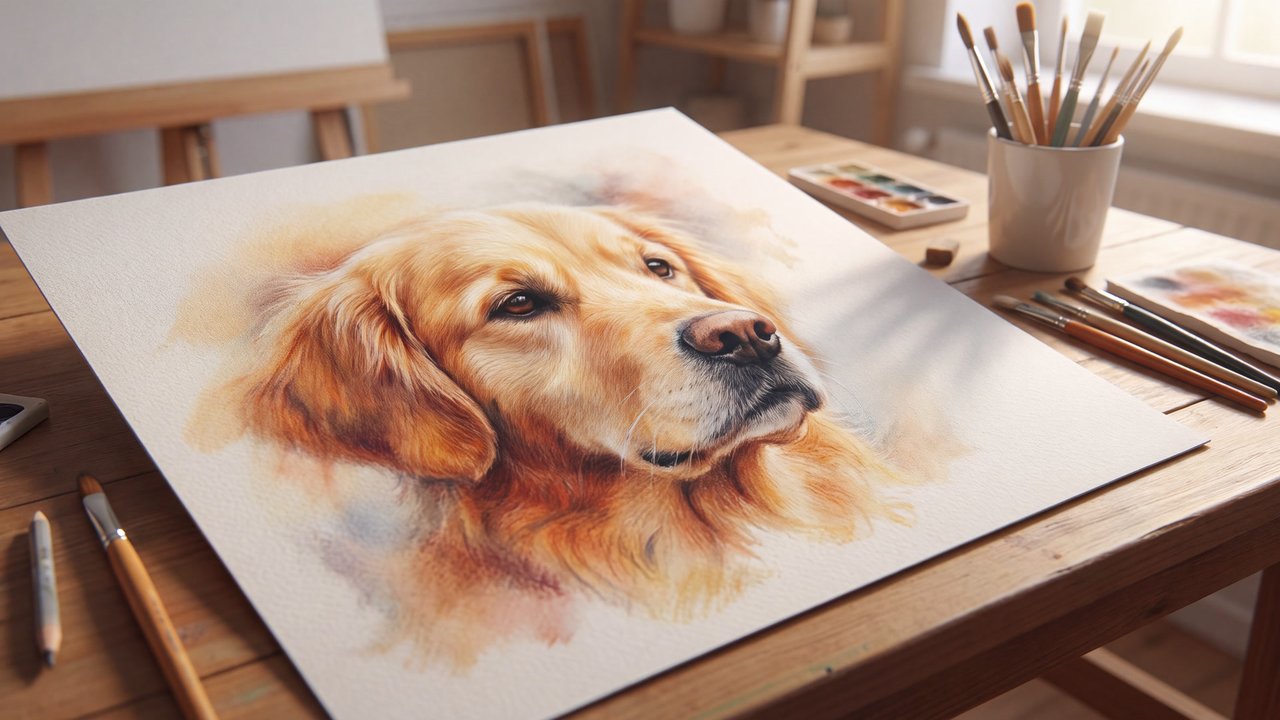
Blending a dog drawing
To show the making process, the dog becomes a drawn subject.
Both languages share the English example images. Japanese prompts are the recorded translations.
Specifies a making procedure that softens color or tonal boundaries.
Color or tonal boundaries may appear continuous.
To show the making process, the dog becomes a drawn subject.
making a dog drawing with blended color
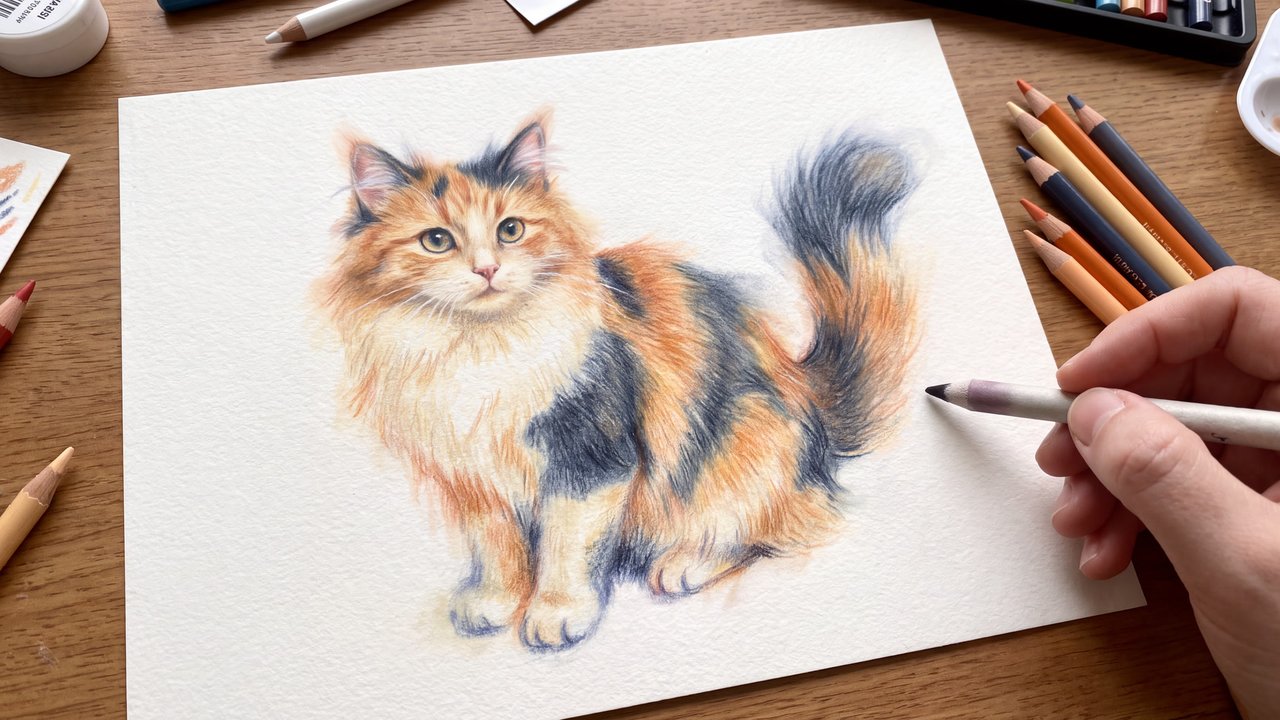
To show the making process, the cat becomes a drawn subject.
making a cat drawing with blended color
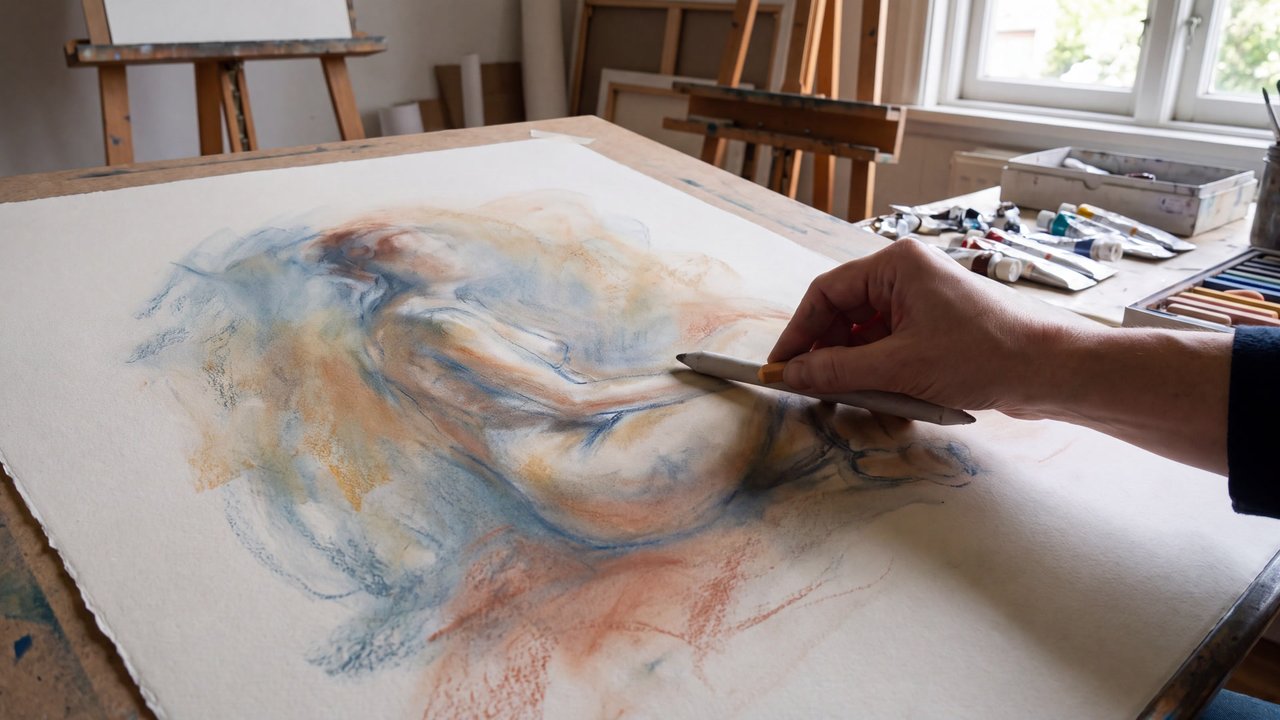
To avoid fixing age while showing the subject, it becomes a figure drawing.
making a figure drawing with blended color
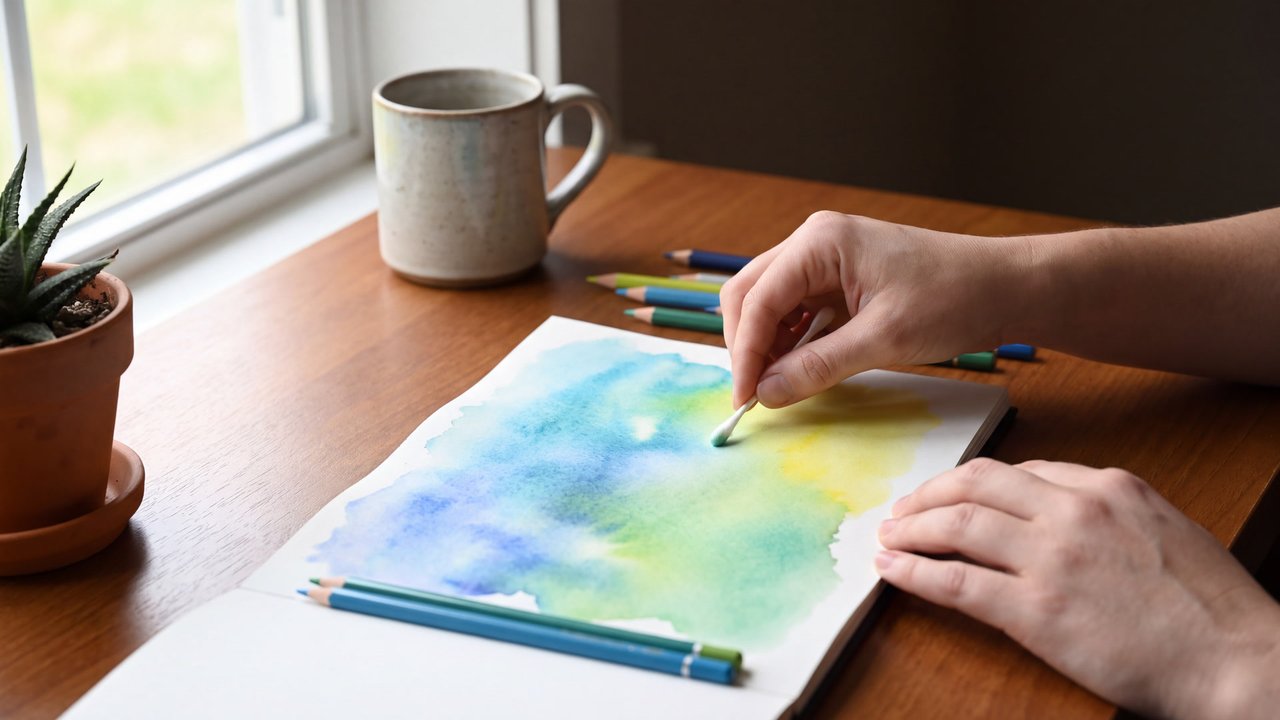
An unoccupied room cannot show the procedure, so it is replaced with making in progress.
blending color at a quiet desk
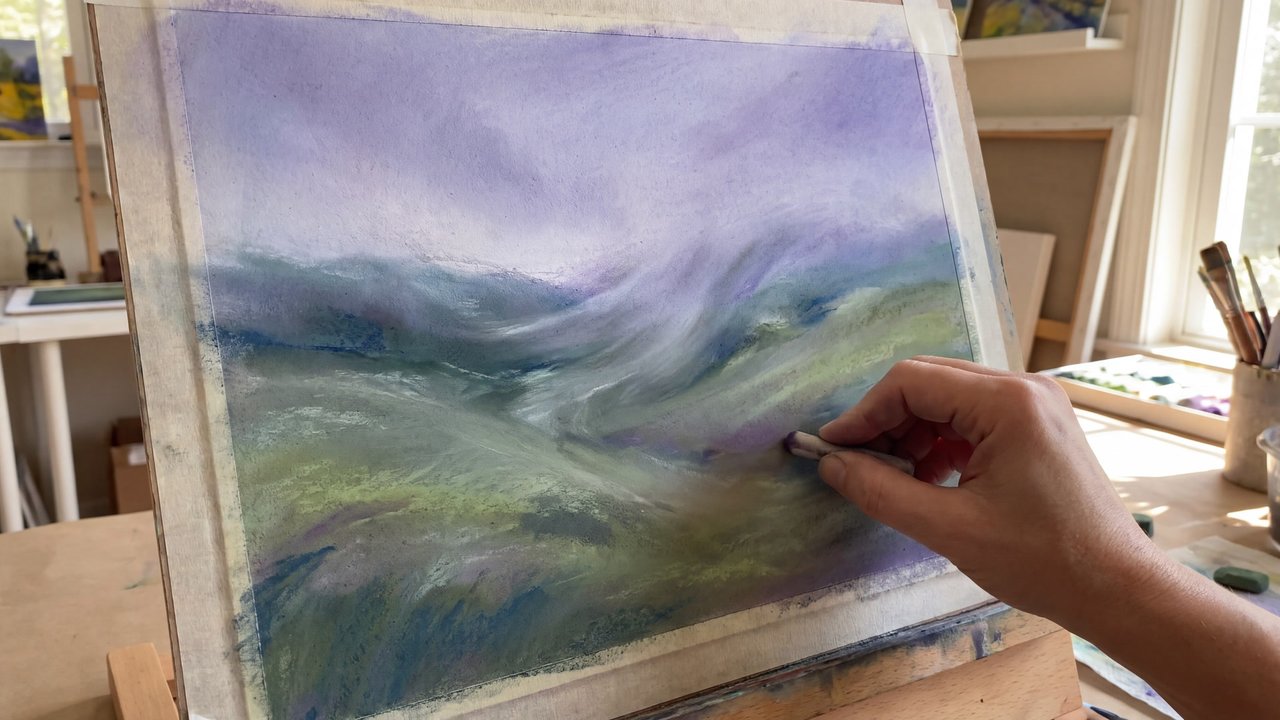
To show the procedure, landscape becomes a drawn subject.
making a landscape drawing with blended color
Blending is a making technique that softens adjacent color or tonal boundaries with a hand or tool. It does not determine required softness in the finished image, medium, subject, or style.
It lowers edge hardness to join color or shading. Defocused optics, image postprocessing, and a particular finished surface are separate choices.
The general reference is weakly direct; finished appearance varies with medium and process.
Content updated:
Items linked through explicit membership in the same theme.
Medium-sized dog
Concept
A paint that uses pigment in an aqueous medium, generally diluted with water and used for translucent color layers that can preserve the brightness of the support.
Compare ↗
Medium-sized dog
Concept
A gridded surface appearance suggesting a woven canvas support.
Compare ↗