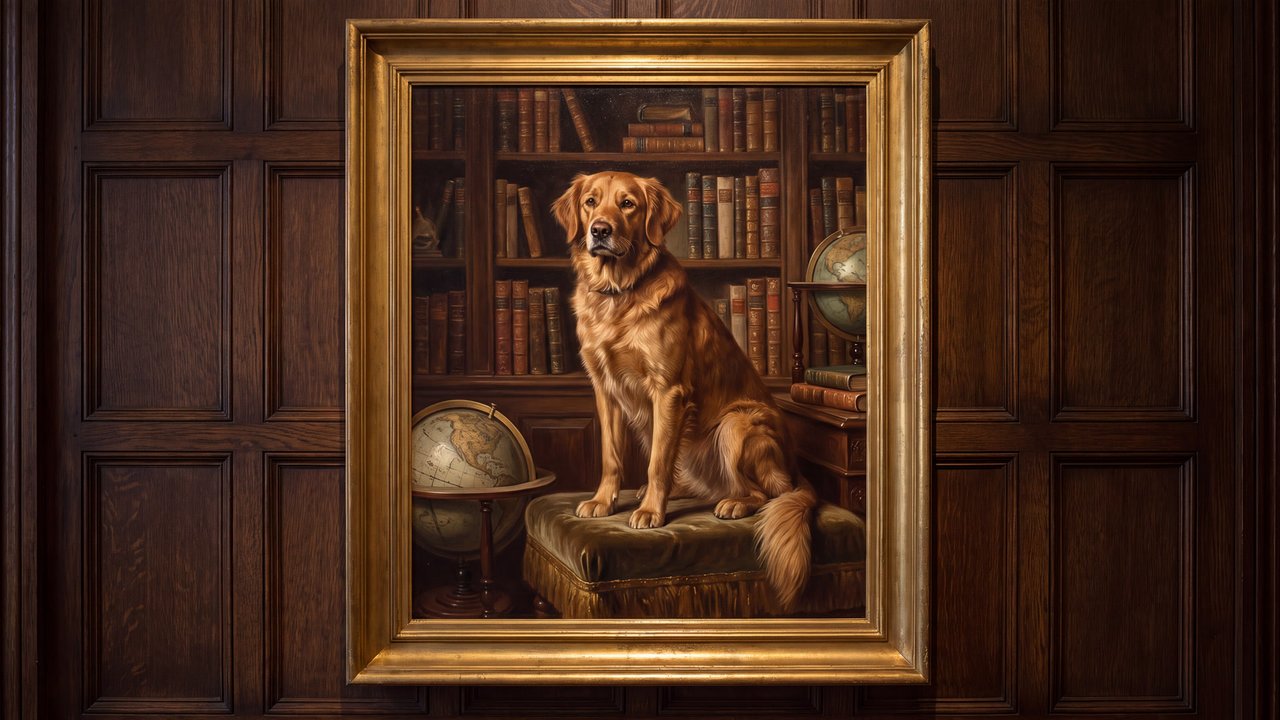



Medium-sized dog
Concept
Aerial perspective
A depth treatment that makes distant forms paler, cooler, and less distinct.
Compare ↗Concept / Academic art
An art style associated with academic instruction that emphasizes representational depiction and ordered composition
An art style associated with academic instruction that emphasizes representational depiction and ordered composition.

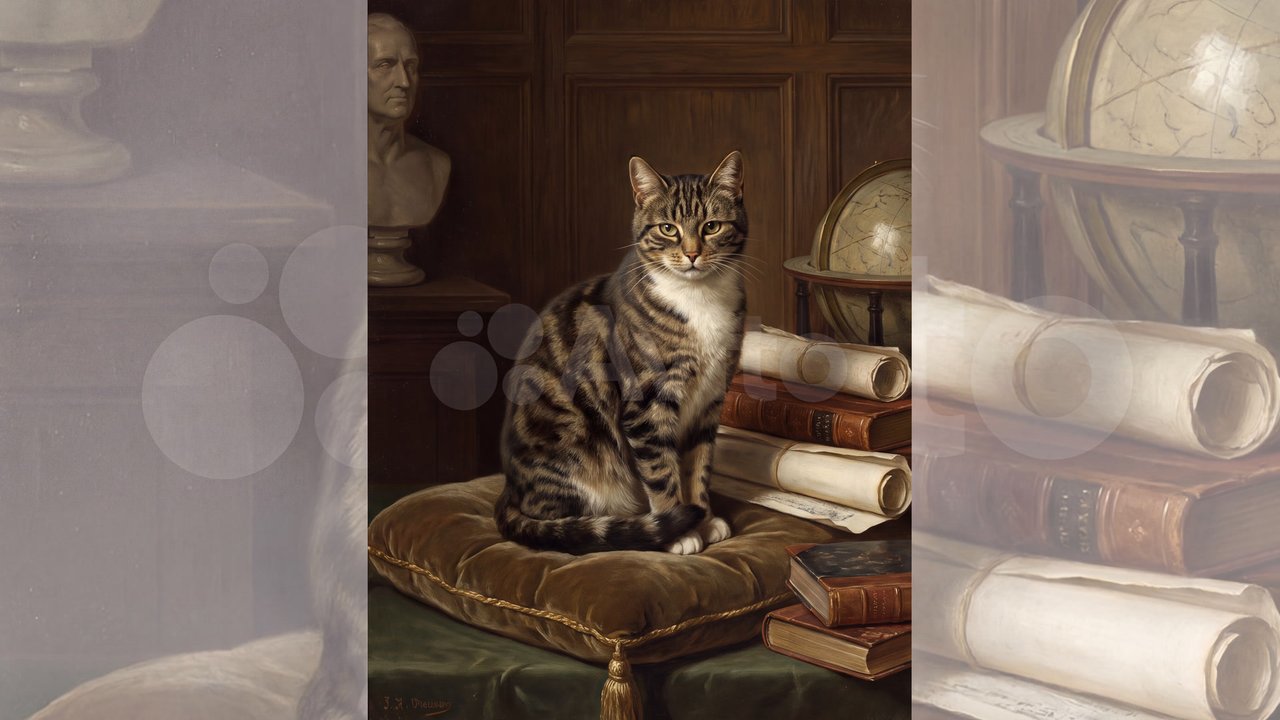
Cat
Both languages share the English example images. Japanese prompts are the recorded translations.
Organizes form and volume into a planned composition.
Form, volume, and the arrangement of figures or objects appear clear and ordered.
It denotes an approach that organizes people, objects, and space through observed form and tonal modelling in a planned composition. It does not mean the practice of a particular nation, school, artist, or work.
It builds figures or scenes clearly and makes form, volume, and spatial relations readable. Subject matter, period setting, clothing, and narrative remain separately selectable.
It can apply to figures, still life, or landscape, with compositional density varying by subject.
Content updated:
Items linked through explicit membership in the same theme.
Medium-sized dog
Concept
A depth treatment that makes distant forms paler, cooler, and less distinct.
Compare ↗
Medium-sized dog
Concept
A composition that balances off-center elements through visual weight.
Compare ↗
Medium-sized dog
Concept
A composition that places the main subject on the image's central axis for focus and stability.
Compare ↗