Concept / Uniform
Uniform
Clothing worn in a shared style by members of a group
Clothing worn in a shared style by members of a group.

Teenage boy
Both languages share the English example images. Japanese prompts are the recorded translations.
A phrase to start with
Directs a person's clothing toward reading as a uniform with a shared style.
Appearance and effects
It can read as clothing coordinated in a shared style.
Visual traits
- standardized attire
- shared style
- coordinated appearance without a fixed affiliation
Expected changes
- The person's clothing is more likely to read as a uniform with a standardized style
Five examples
1 — Adult with unspecified attire
The fixed dog cannot wear a human uniform, so it is replaced with a neutral adult whose attire is unspecified and can receive a uniform after atomic application.
a full-body adult facing forward with attire left unspecified
- an adult facing forward
- attire unspecified
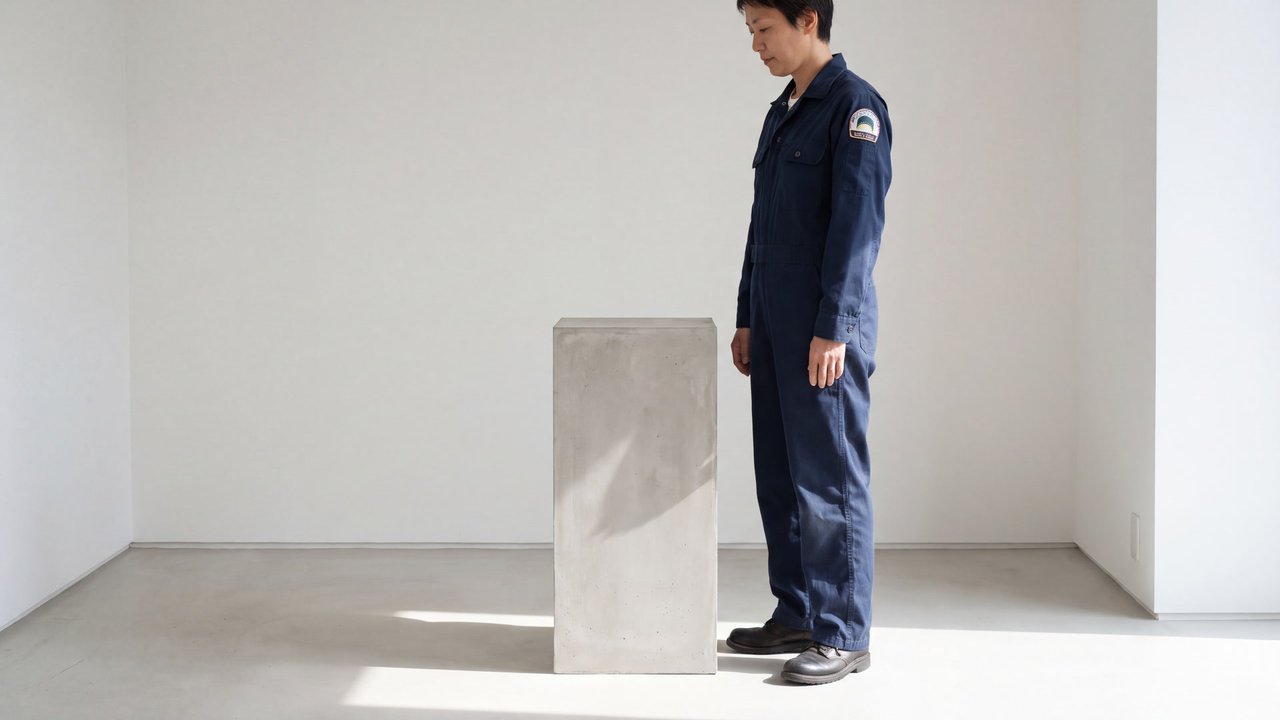
2 — Adult standing beside a pedestal
The fixed cat cannot wear a human uniform, so it is replaced with a neutral adult whose attire is unspecified and can receive a uniform after atomic application.
an adult standing beside a plain pedestal with attire left unspecified
- a standing adult
- a plain pedestal
- attire unspecified
3 — Teenage boy
Open image ↗4 — Adult standing in a plain interior
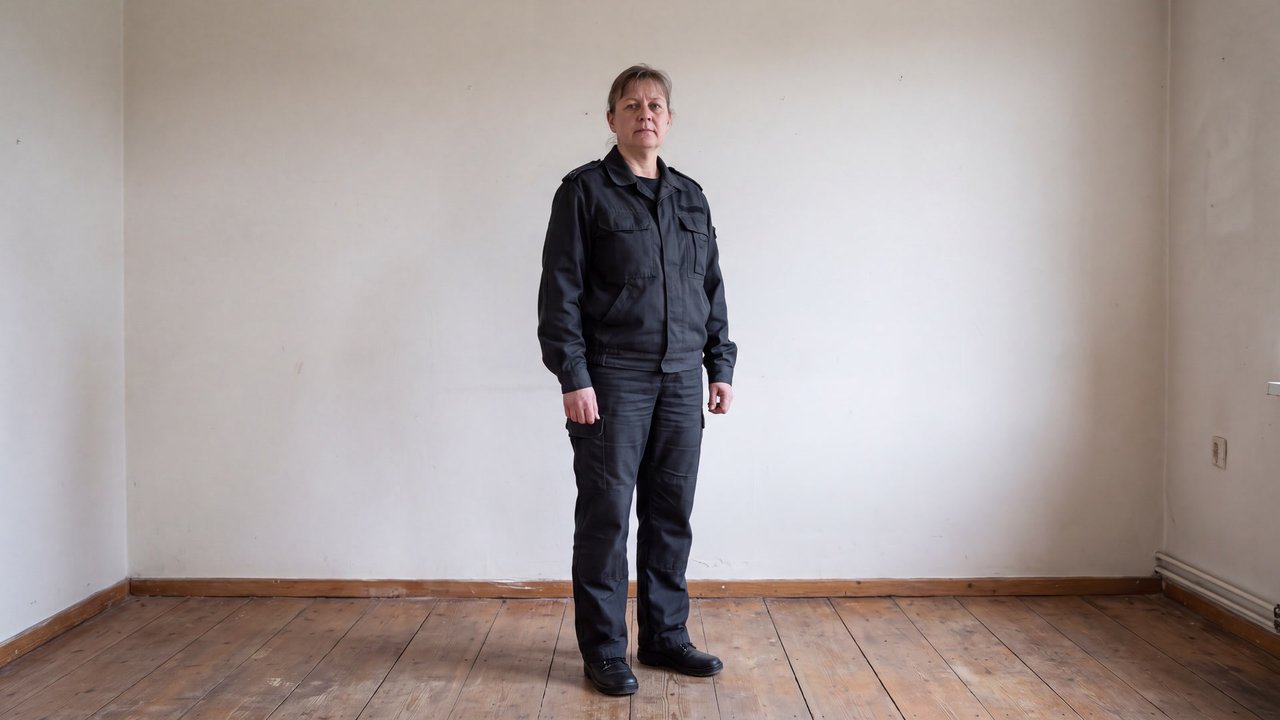
The fixed silence motif is a space with no wearer, so it is replaced with a neutral adult whose attire is unspecified and can receive a uniform after atomic application.
an adult standing in a plain interior with attire left unspecified
- a standing adult
- a plain interior
- attire unspecified
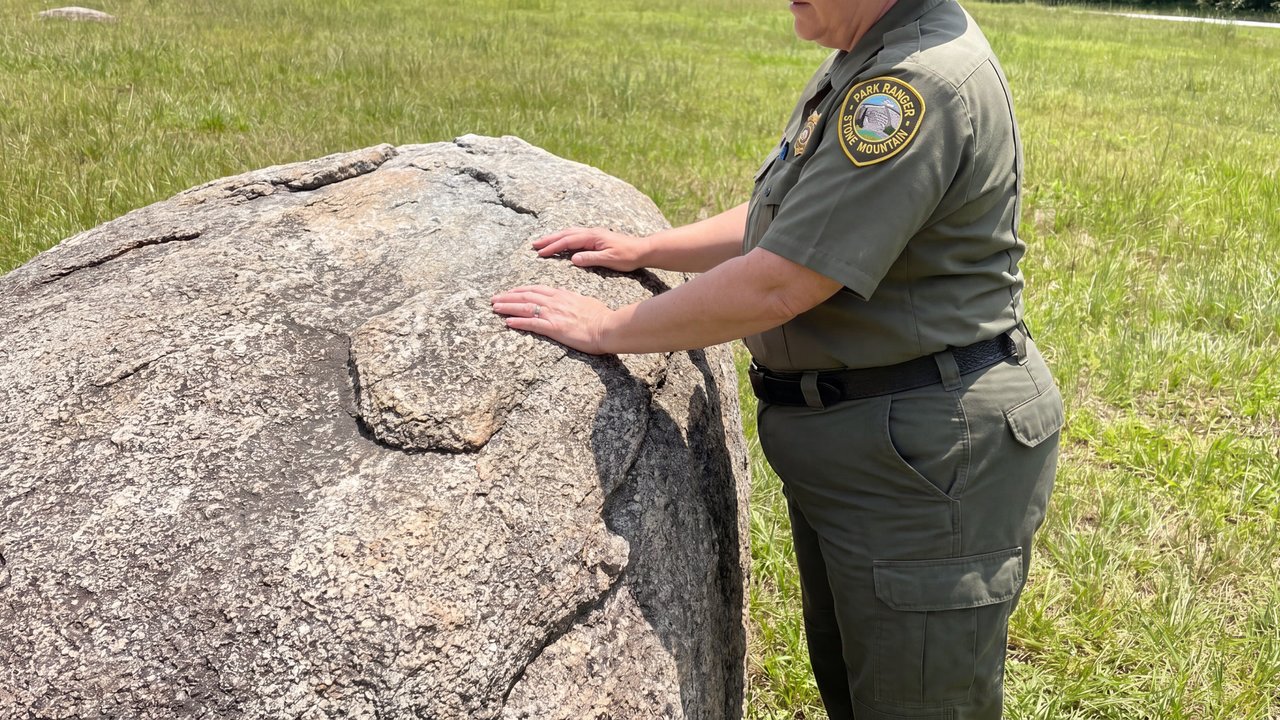
5 — Adult standing near a stone
The fixed landscape has no subject to wear a uniform, so it is replaced with a neutral adult whose attire is unspecified and can receive one after atomic application.
an adult standing near a single stone with attire left unspecified
- a standing adult
- a single stone
- attire unspecified
Meaning and scope
Definition
A uniform is clothing worn in a shared style by members of a group. It does not determine a particular organization, occupation, school, military association, nationality, culture, period, gender, age, rank, or role.
In more detail
It concerns clothing whose shared style visually coordinates membership. It is not tied to a specific group such as a school, workplace, military, or sports team, and this direction alone does not determine the wearer's role, authority, discipline, nationality, or action. It is distinct from casualwear, ceremonial dress, or attire specific to a profession or culture.
Includes
- Clothing worn in a shared style by members of a group
Excludes
- A particular organization, occupation, school, military association, nationality, culture, period, gender, age, rank, or role
- Casualwear, ceremonial dress, or attire specific to a profession or culture
What this does not imply
- A particular organization, occupation, school, military association, nationality, culture, period, gender, age, rank, or role
Variability
Garment construction, color, presence of insignia, wearer, group type, and setting can be adjusted separately.
Usage and adjustments
Usage
- Use it to specify clothing coordinated in a shared style and determine affiliation or role separately
Distinguish similar expressions
- Specify organization, occupation, rank, nationality, cultural context, insignia, and action separately only when needed
Typical uses
- Depict a person in clothing with a shared style
- Add standardized attire without fixing an affiliation
Possible failure modes
- It becomes fixed as the uniform of a specific school, military, occupation, or nation
- Rank or authority is added automatically
- It becomes culturally specific attire
Content updated:
From the same theme
Items linked through explicit membership in the same theme.