
Concept / Traditional craft practice
Traditional craft practice
The connection of materials, skills, making processes, learning, and use transmitted within a particular community
The connection of materials, skills, making processes, learning, and use transmitted within a particular community.

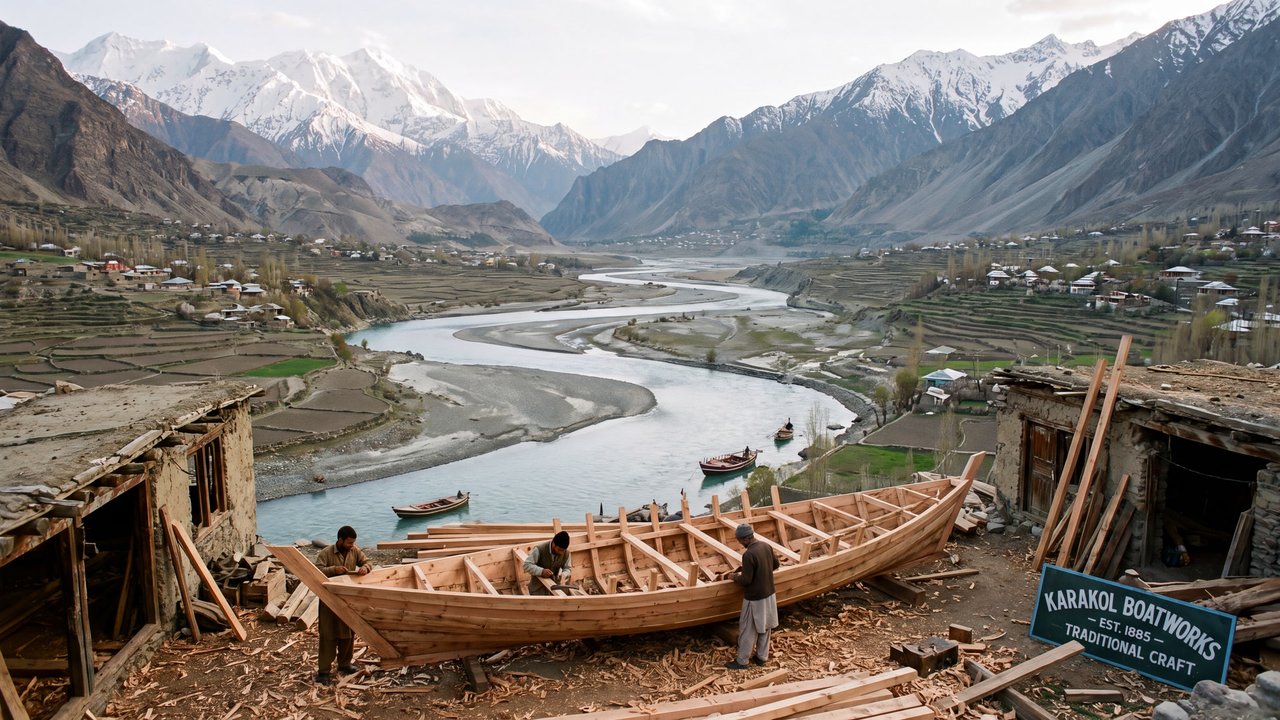
Valley with a river and mountain ranges
Both languages share the English example images. Japanese prompts are the recorded translations.
A phrase to start with
Adds a setting condition for an evidenced traditional craft practice.
Appearance and effects
It appears as a setting consistent with evidenced materials and making processes.
Visual traits
- material preparation
- skill transmission
- making and use
Expected changes
- Evidenced materials and making processes become more legible
- Connections to learning and use are more likely to appear
Five examples
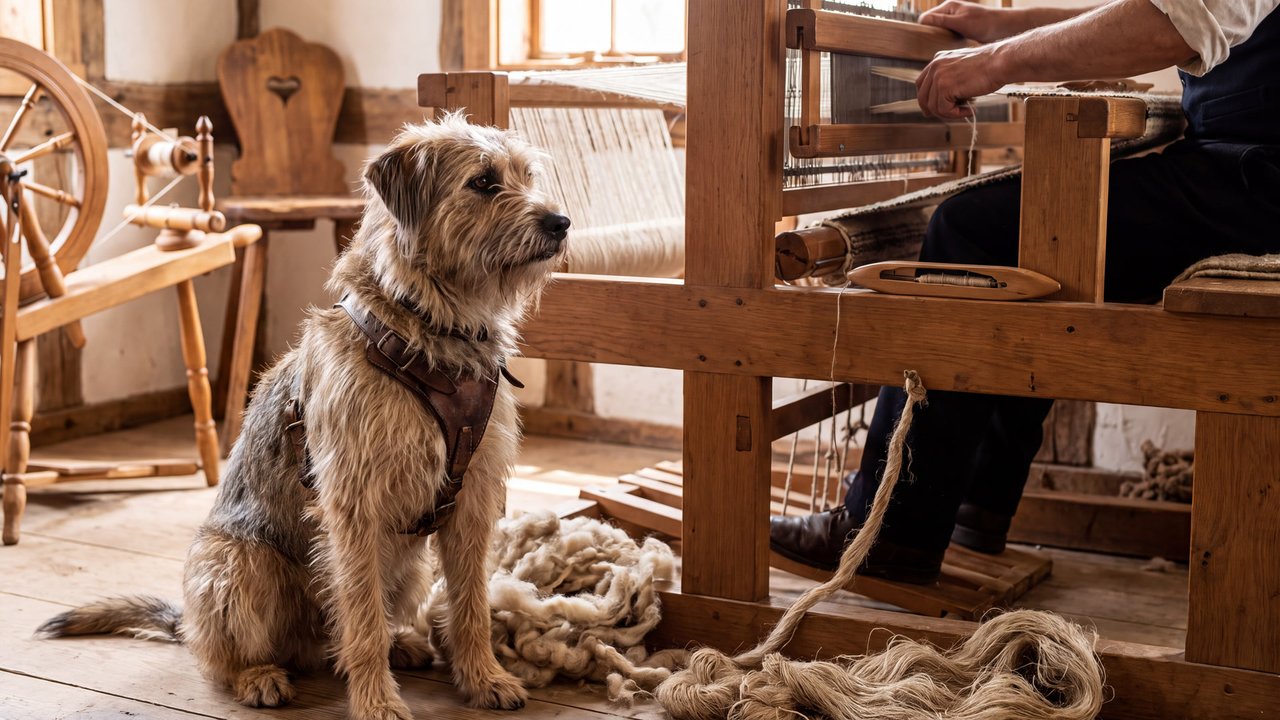
1 — Medium-sized dog
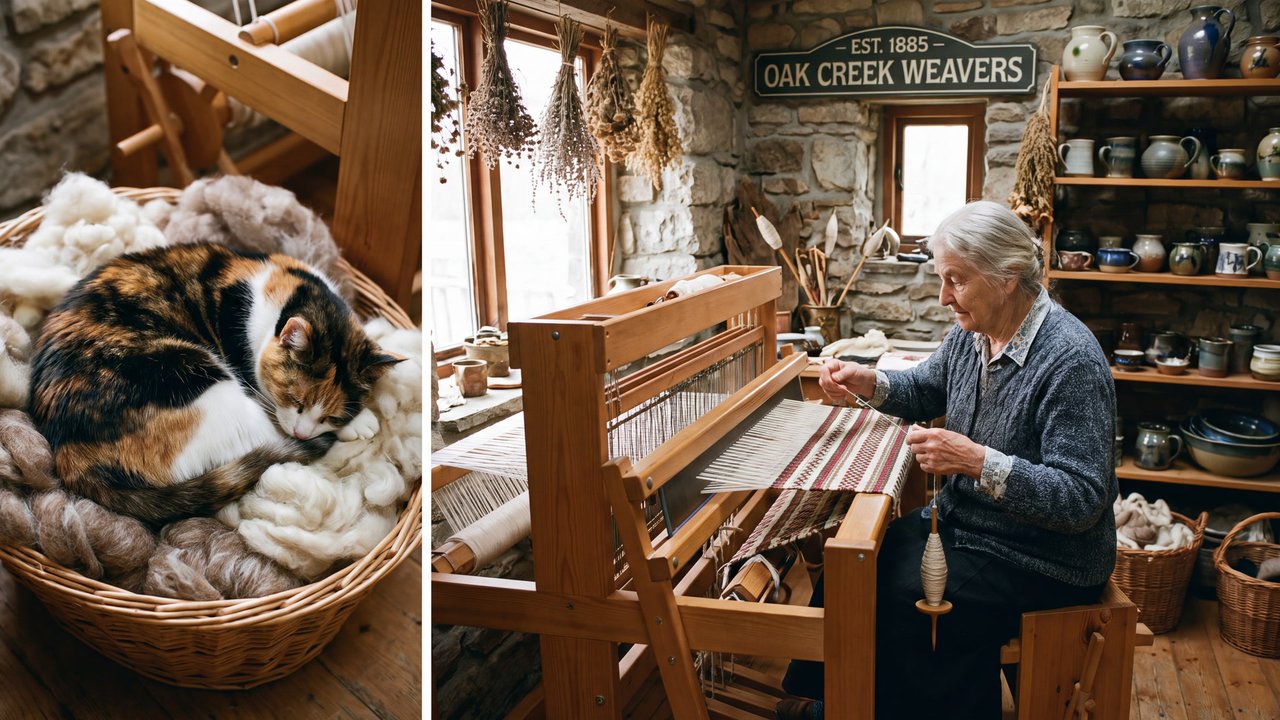
Open image ↗2 — Cat
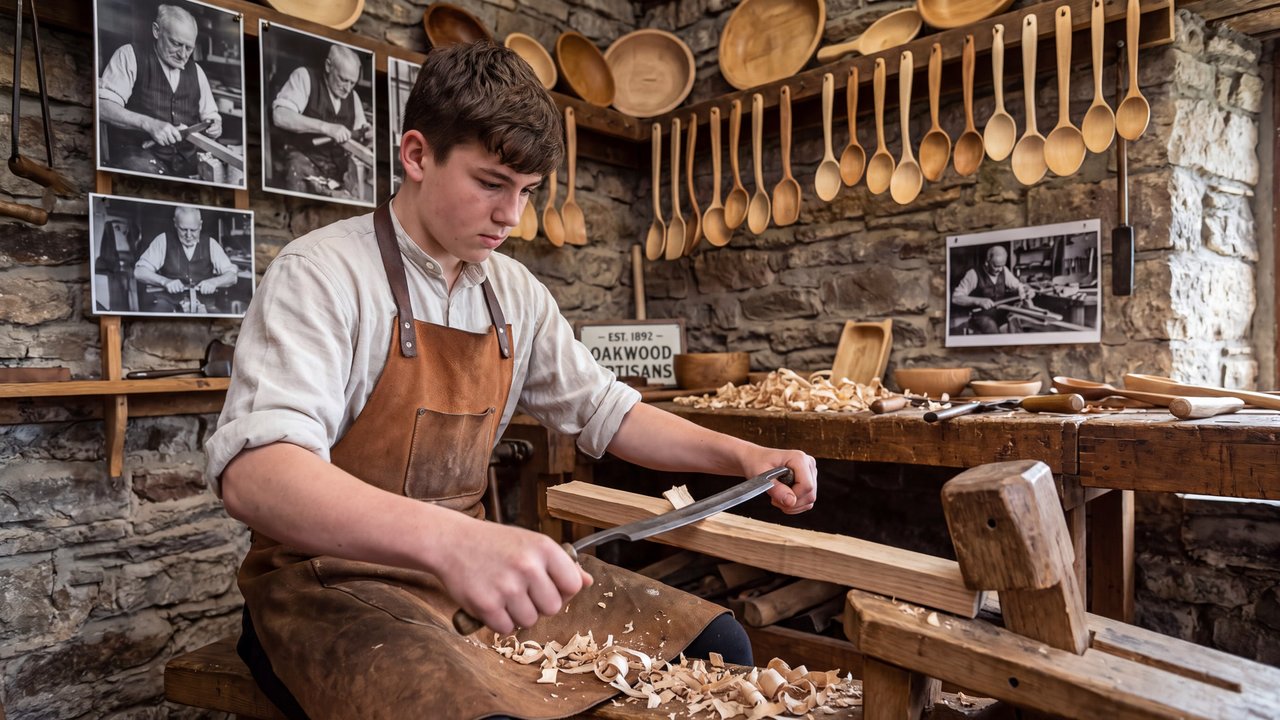
Open image ↗3 — Teenage boy
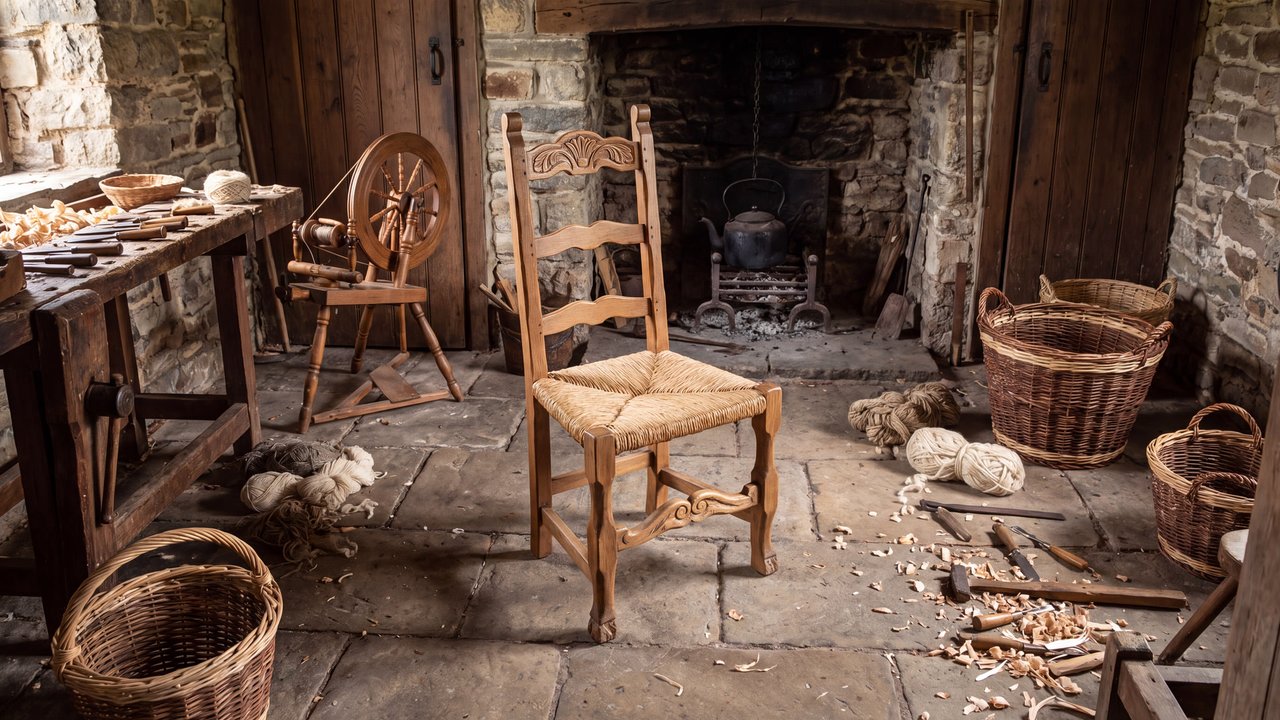
Open image ↗4 — Unoccupied interior
Open image ↗5 — Valley with a river and mountain ranges
Open image ↗Meaning and scope
Definition
Traditional craft practice indicates a setting involving evidenced materials, skills, making processes, learning, and use transmitted in a community. It does not determine a place, bearers, objects, organizations, or a particular style as one undifferentiated subject.
In more detail
Confirm and choose materials, techniques, bearers, place of making, transmission route, and conditions of use separately. Do not identify a maker organization from its name alone; verify evidence and rights before using a concrete example.
Includes
- Evidenced skills
- making processes
- learning
- and use transmitted within a community
Excludes
- An object type
- maker organization
- or unspecified ethnic-style decoration
What this does not imply
- The style of an entire region
- portrayals of a particular community
- a maker organization
- or authenticity of an object
Variability
Practices differ by community; do not generalize place, bearers, objects, or conditions of use.
Usage and adjustments
Usage
- Specify materials
- technique
- bearers
- and conditions of use separately from evidence
- Do not generalize a place or community
Distinguish similar expressions
- Verify evidence and rights before specifying a concrete object or organization
Typical uses
- Set a scene with an evidenced making process
- Contextualize transmission of materials and skills
Possible failure modes
- Elements from different communities are mixed
- Craft is reduced to unspecified ethnic-style decoration
Content updated:
From the same theme
Items linked through explicit membership in the same theme.


Valley with a river and mountain ranges
Concept
Ancient era
An era setting placing a fictional world far before the present.
Compare ↗